
Parc de l’hôpital Saint-Paul — History & Facts
When did color learn to lie? Within the brushstrokes of this poignant work, vivid hues dance with an authenticity that speaks to the heart's resilience and the promise of hope. Look to the center, where the vibrant greens of the trees contrast with the deep blues of the sky, a testament to nature's embrace. Notice how the light filters through the foliage, creating dapples of golden warmth that illuminate the path below. The deliberate strokes impart a sense of movement, suggesting a gentle breeze that stirs the leaves, while the soft reds and yellows of the flowers add a pulse of life, inviting viewers to step into a serene sanctuary. As your gaze wanders, consider the juxtaposition of shelter and solitude encapsulated in this scene.
The tranquility of the park belies the artist’s inner turmoil and struggles with mental health, a reminder that beauty can thrive even amid chaos. Each element, from the swaying branches to the grounding path, reflects a dual narrative of despair and the enduring strength of hope, capturing a fleeting moment of serenity birthed from turbulence. In 1889, during his stay at the asylum in Saint-Rémy-de-Provence, Van Gogh depicted this landscape as a refuge amidst his tumultuous life. Isolated yet inspired, he channeled his emotional intensity into his art, forging a connection to nature that mirrored his yearning for peace.
This period marked a vibrant evolution in his palette and technique, signaling a turning point in his artistic journey amidst the turmoil of his existence.
More Artworks by Vincent van Gogh
Browse all →
Starry Night
Vincent van Gogh

The Bedroom
Vincent van Gogh
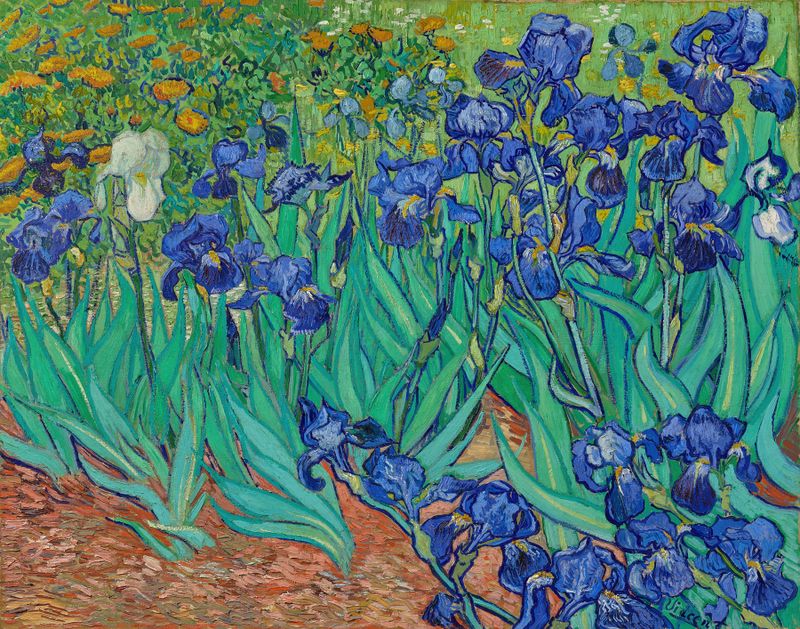
Irises
Vincent van Gogh
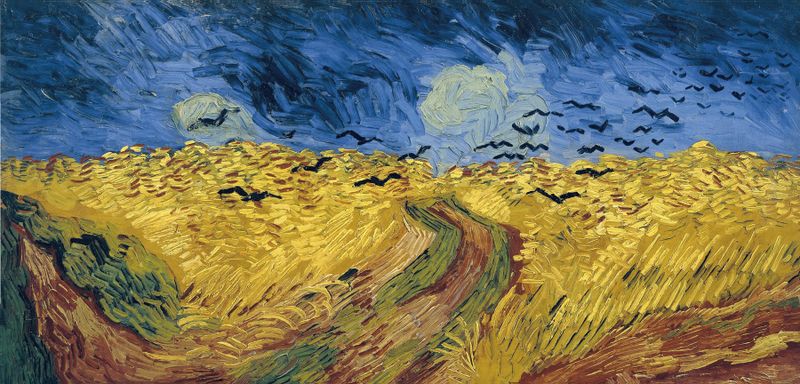
Wheatfield with Crows
Vincent van Gogh
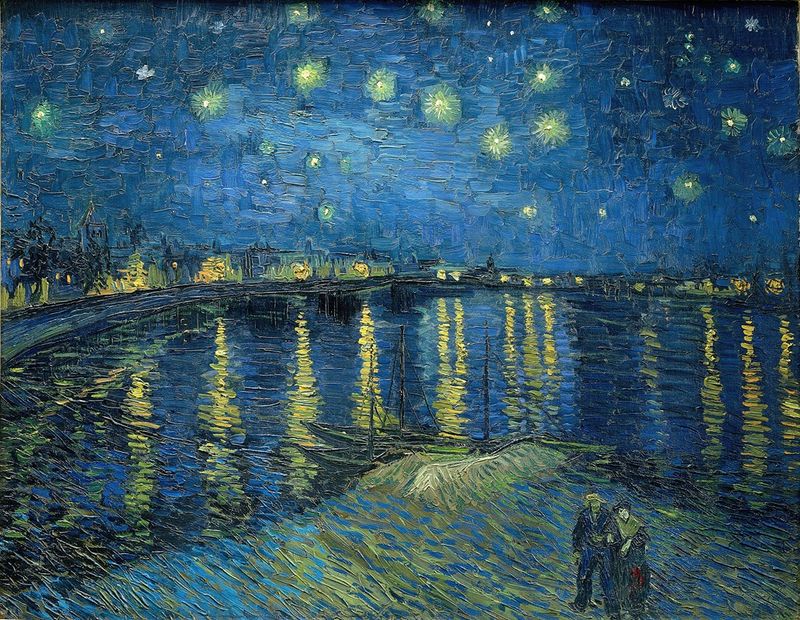
Starry Night over the Rhone
Vincent van Gogh

The yellow house
Vincent van Gogh
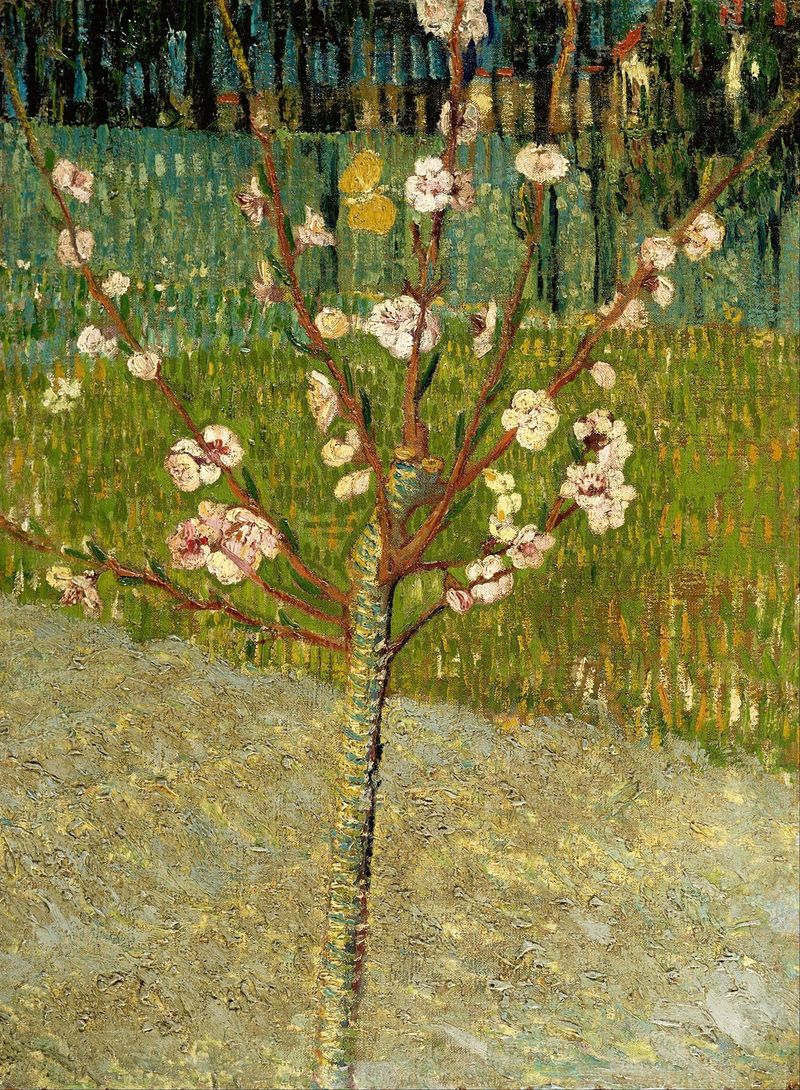
Almond tree in blossom
Vincent van Gogh

Portrait of Dr Gachet
Vincent van Gogh

The Church in Auvers-sur-Oise, View from the Chevet
Vincent van Gogh

Self-Portrait
Vincent van Gogh





