
Pardon de Sainte-Anne-la-Palud — History & Facts
In Pardon de Sainte-Anne-la-Palud, Jules Breton presents a lively scene filled with vibrant colors. The painting depicts a religious festival, showcasing a crowd of figures dressed in traditional attire. The warm tones of the landscape contrast with the bright whites and blues of the clothing, creating a festive atmosphere.
The setting is enriched by the presence of trees and a distant church, emphasizing the communal spirit of the event. This artwork is executed in oil on canvas, a medium that allows for rich color application and texture. The dimensions are approximately 100 x 150 cm, giving it a substantial presence. Viewers can appreciate the detailed brushwork that captures the movement and energy of the crowd.
The composition is carefully arranged, leading the eye through the scene and highlighting the central figures. Jules Breton was known for his depictions of rural life and religious themes, and this painting exemplifies his focus on community and tradition. An interesting fact about Pardon de Sainte-Anne-la-Palud is that it reflects Breton's own experiences attending similar festivals in Brittany, France. This personal connection adds depth to the work, as it captures not only a visual representation but also the spirit of the event.
Breton's ability to convey the joy and vibrancy of such gatherings has made this piece notable in his oeuvre.
More Artworks by Jules Breton

The Song of the Lark
Jules Breton
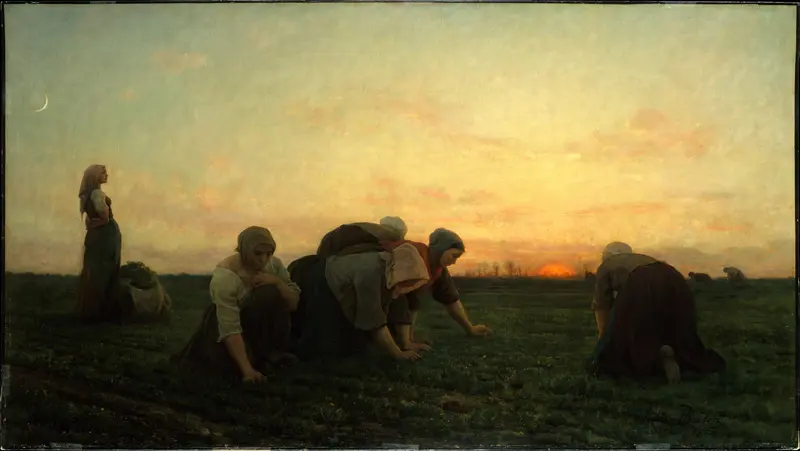
The Weeders
Jules Breton
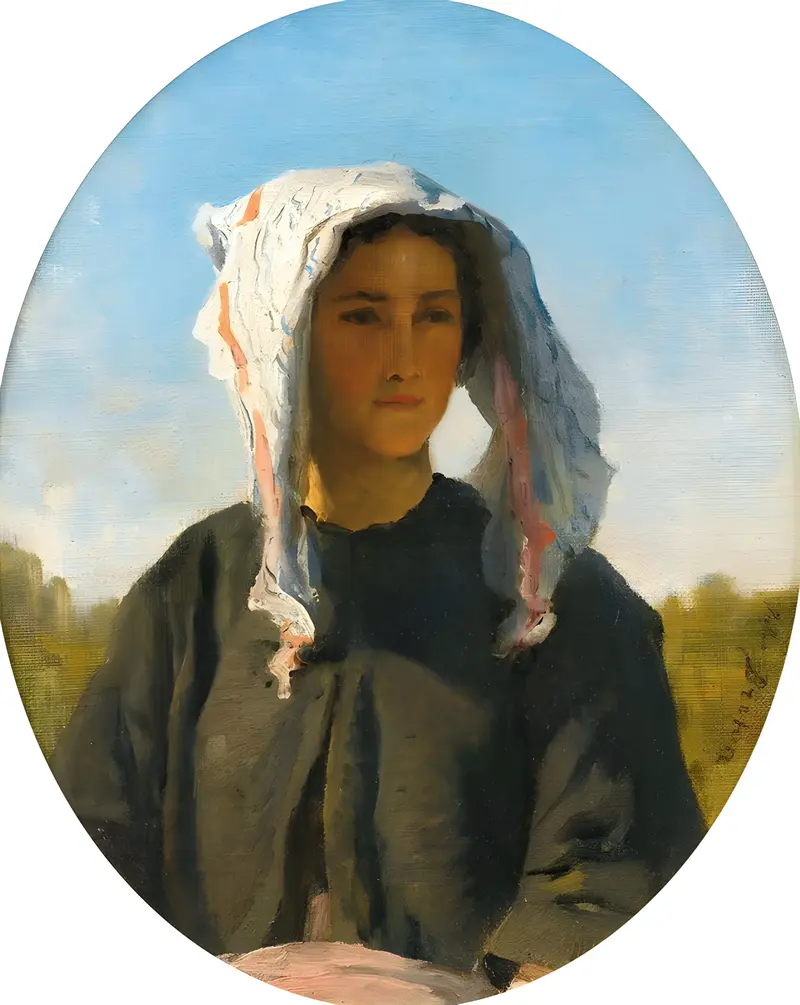
Portrait de jeune Paysanne Bordelaise
Jules Breton
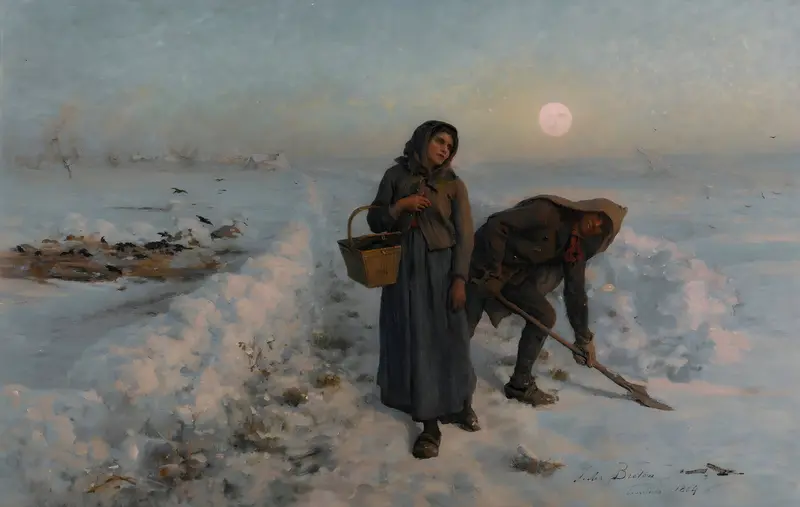
Sur la route en hiver; artois
Jules Breton
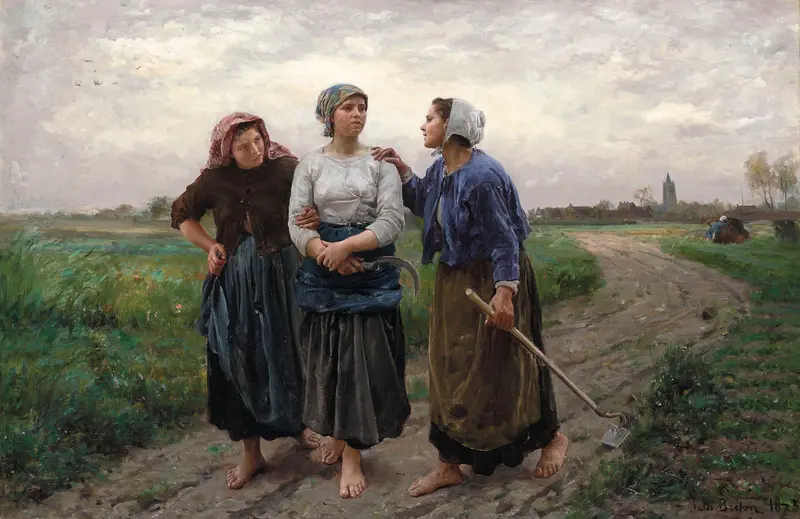
Les amies
Jules Breton
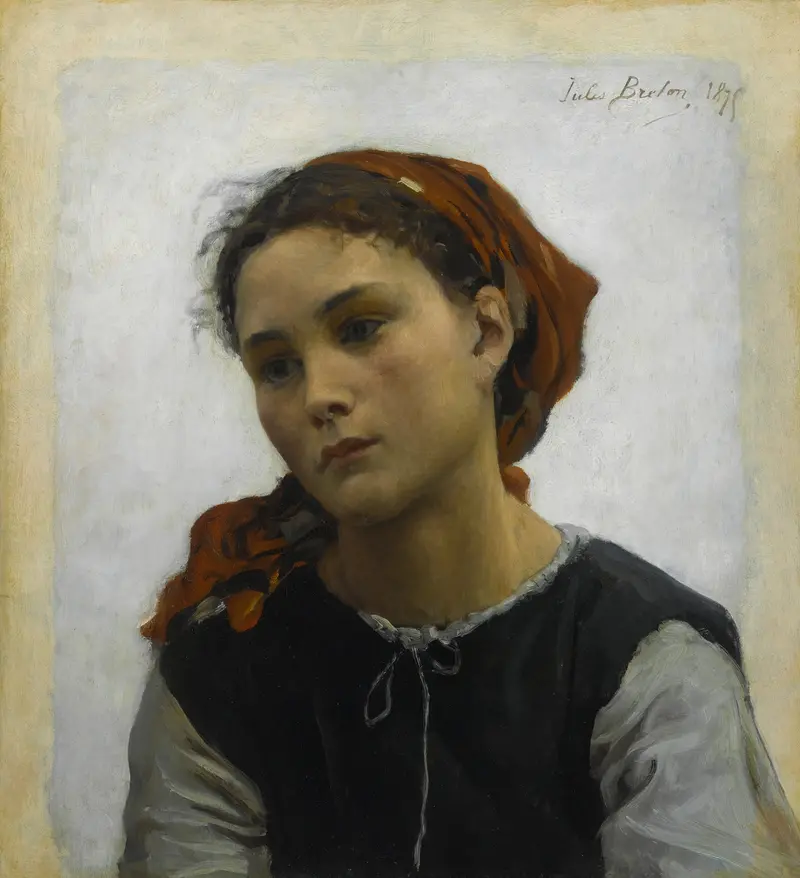
Innocente
Jules Breton
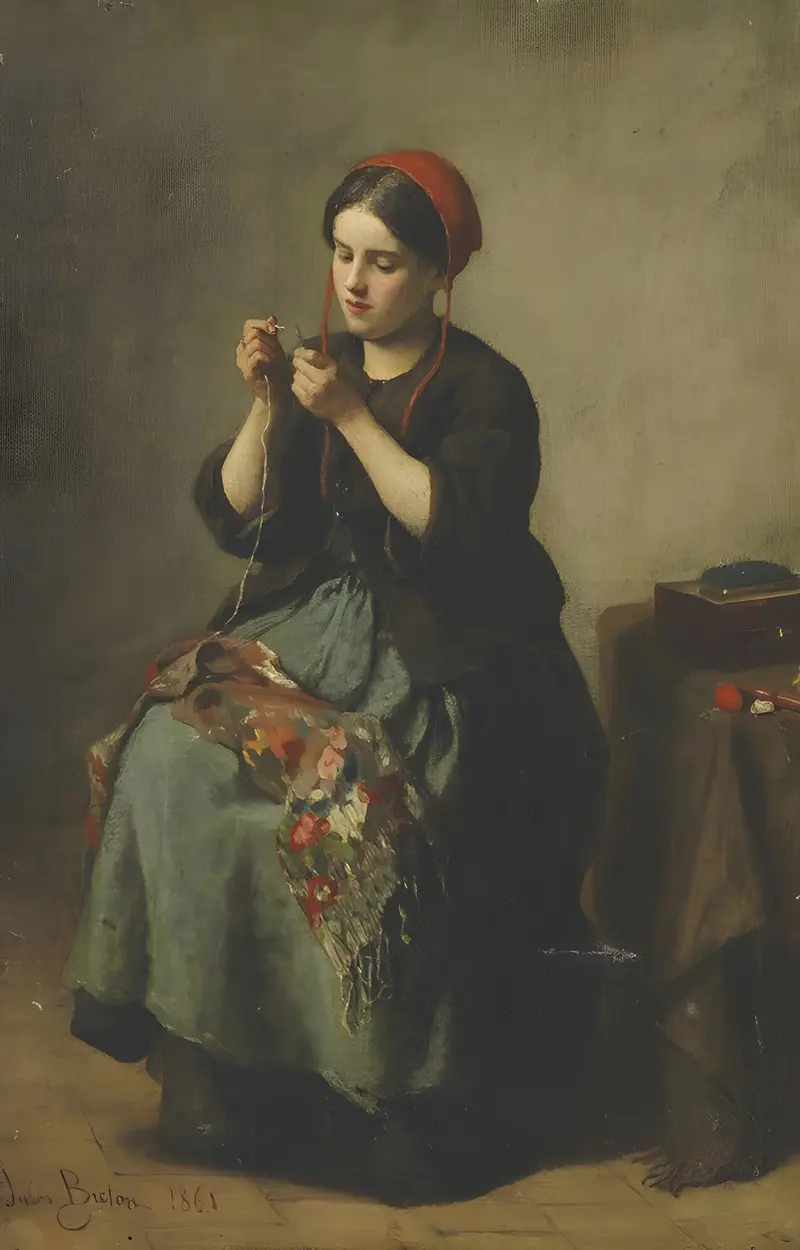
Peasant woman threading a needle
Jules Breton
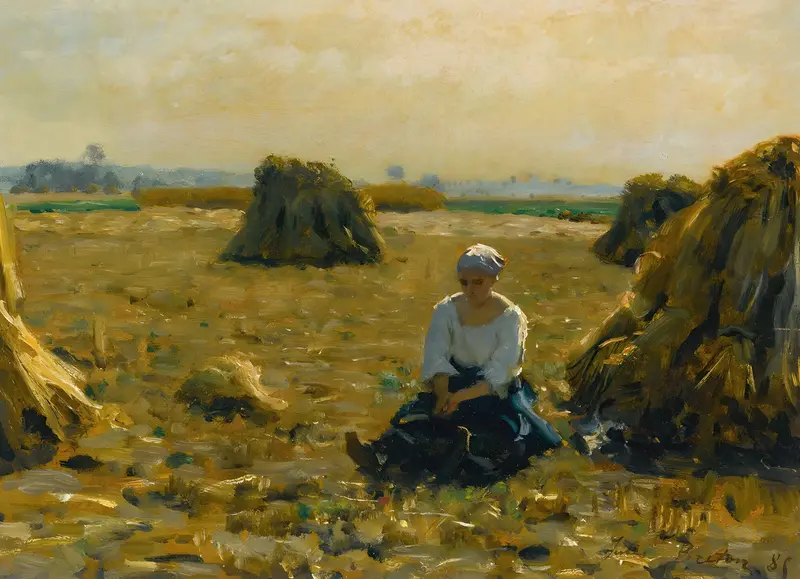
Jeune femme dans les champs
Jules Breton
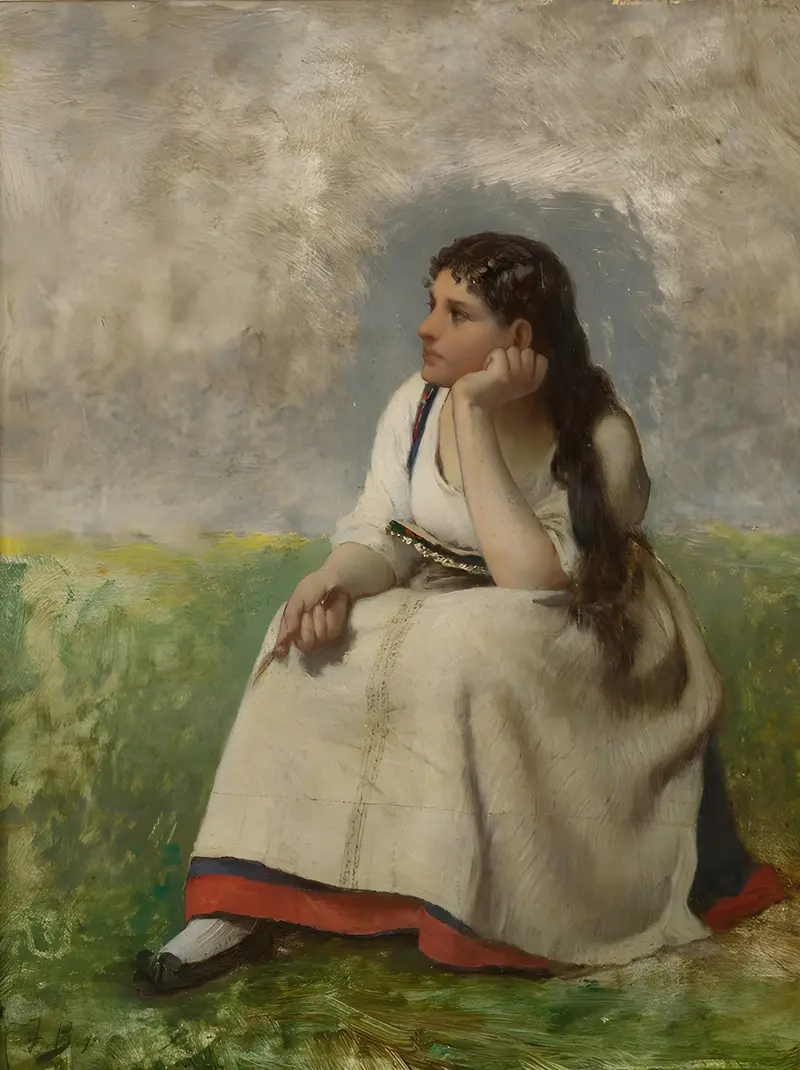
Jeune Fille Pensive
Jules Breton
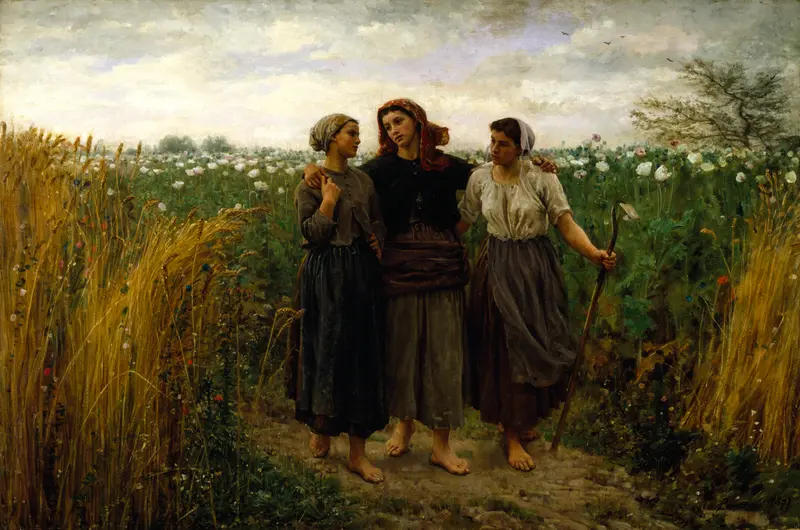
Returning from the Fields
Jules Breton
More Genre Scene Art

Banquet of the Officers of the St George Civic Guard
Frans Hals

Rembrandt and Saskia in the Scene of the Prodigal Son
Rembrandt van Rijn

Bal du moulin de la Galette
Pierre-Auguste Renoir

Quadrille at the Moulin Rouge
Henri de Toulouse-Lautrec

A Burial at Ornans
Gustave Courbet

When Will You Marry?
Paul Gauguin