Pastoral Landscape — History & Analysis
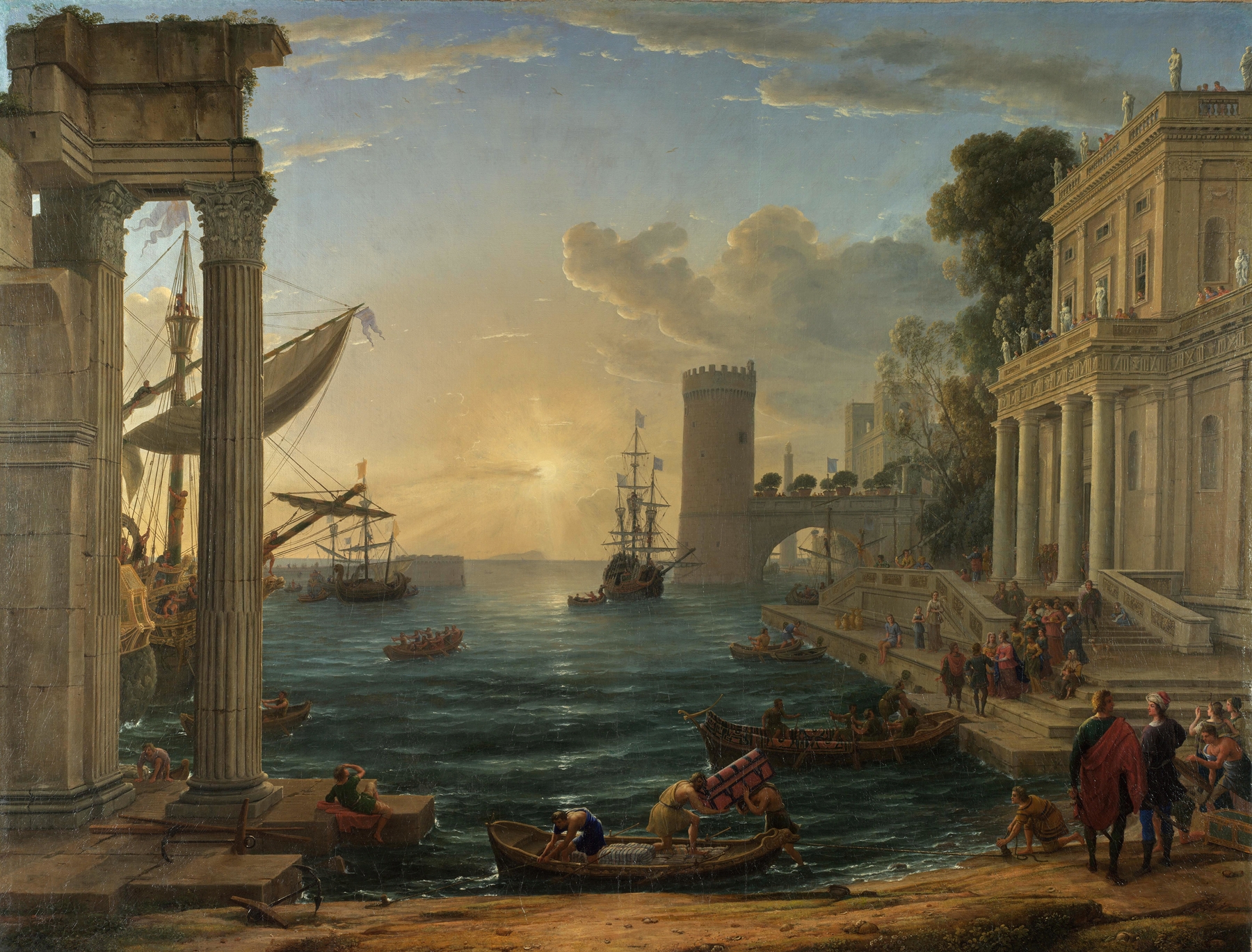
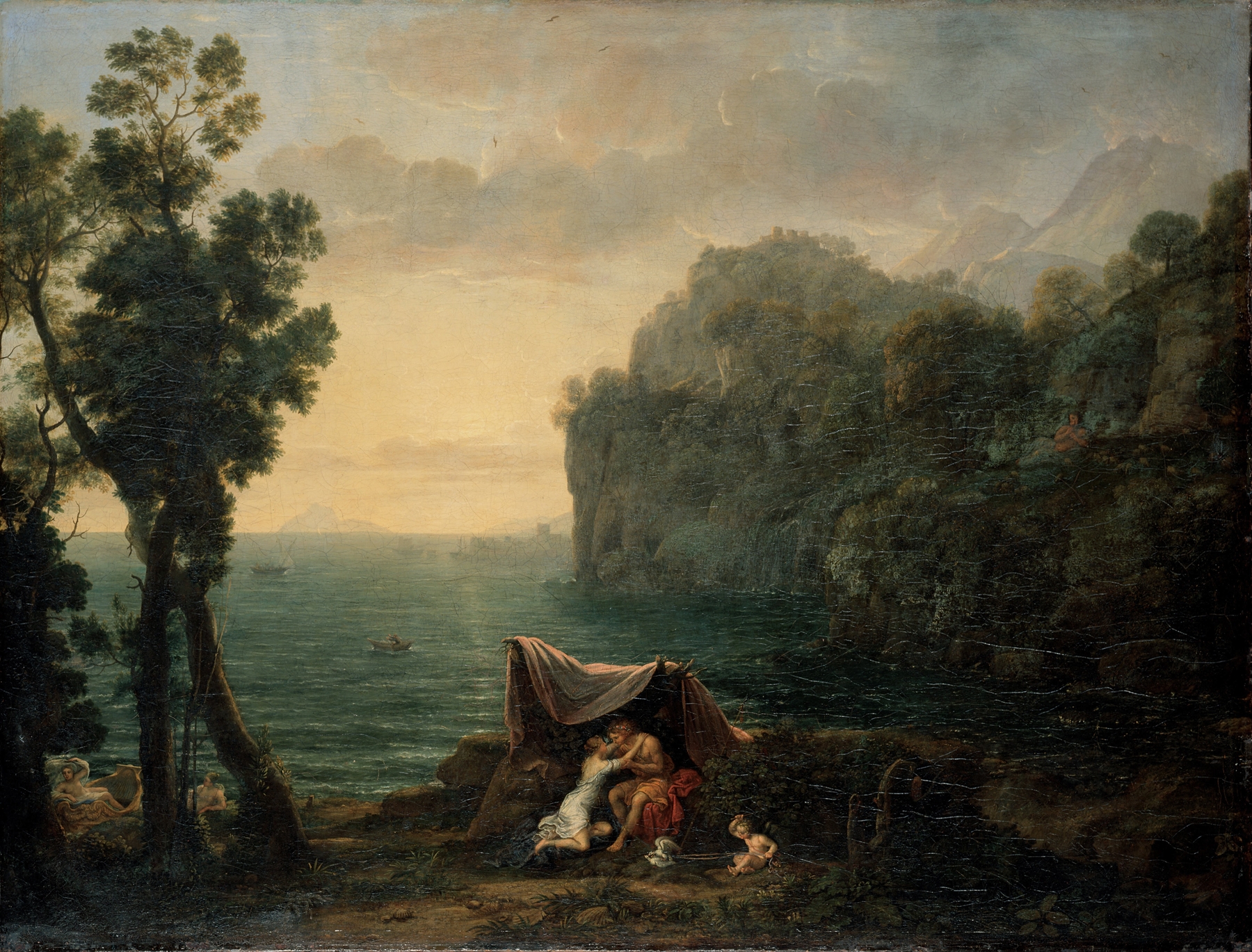
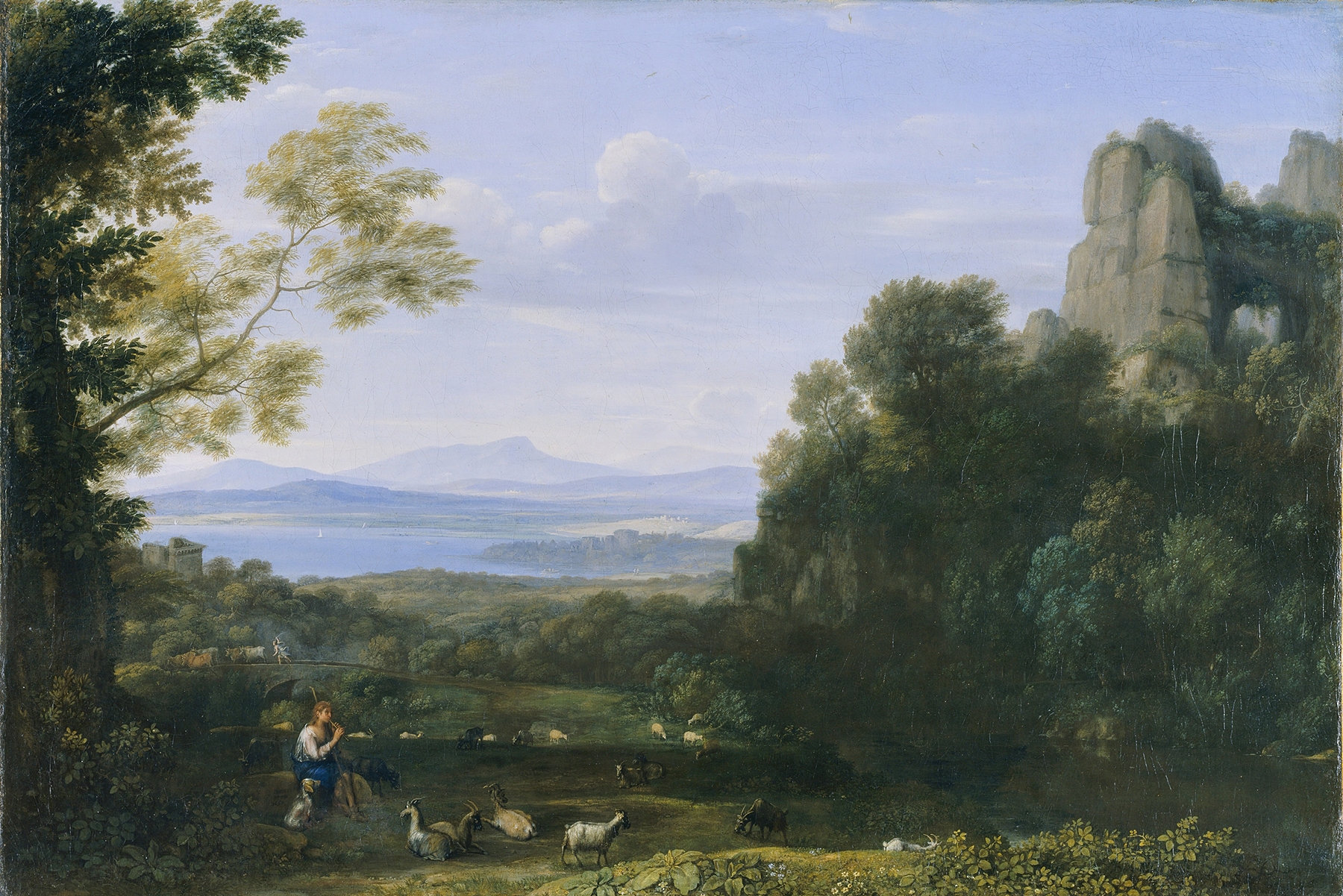
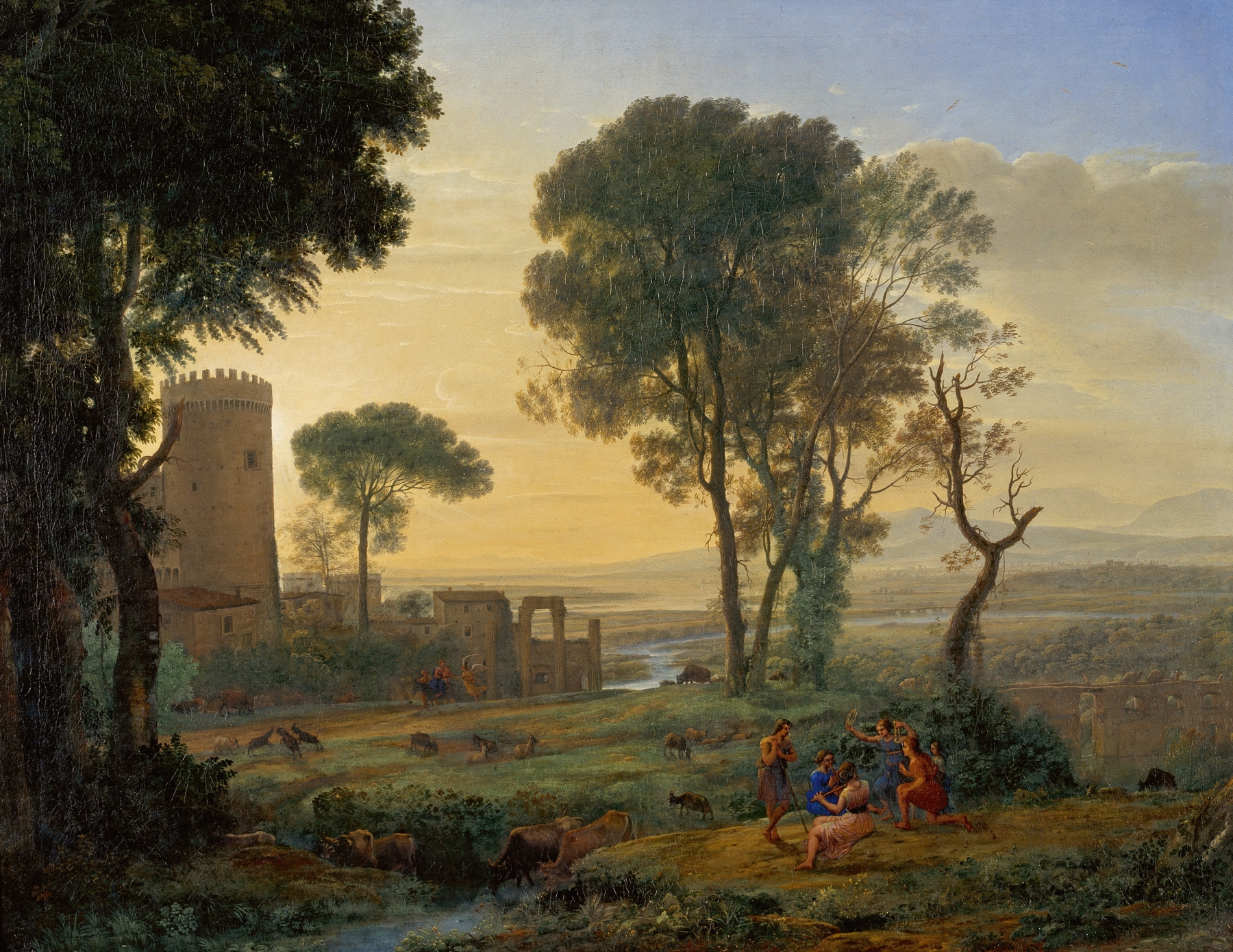
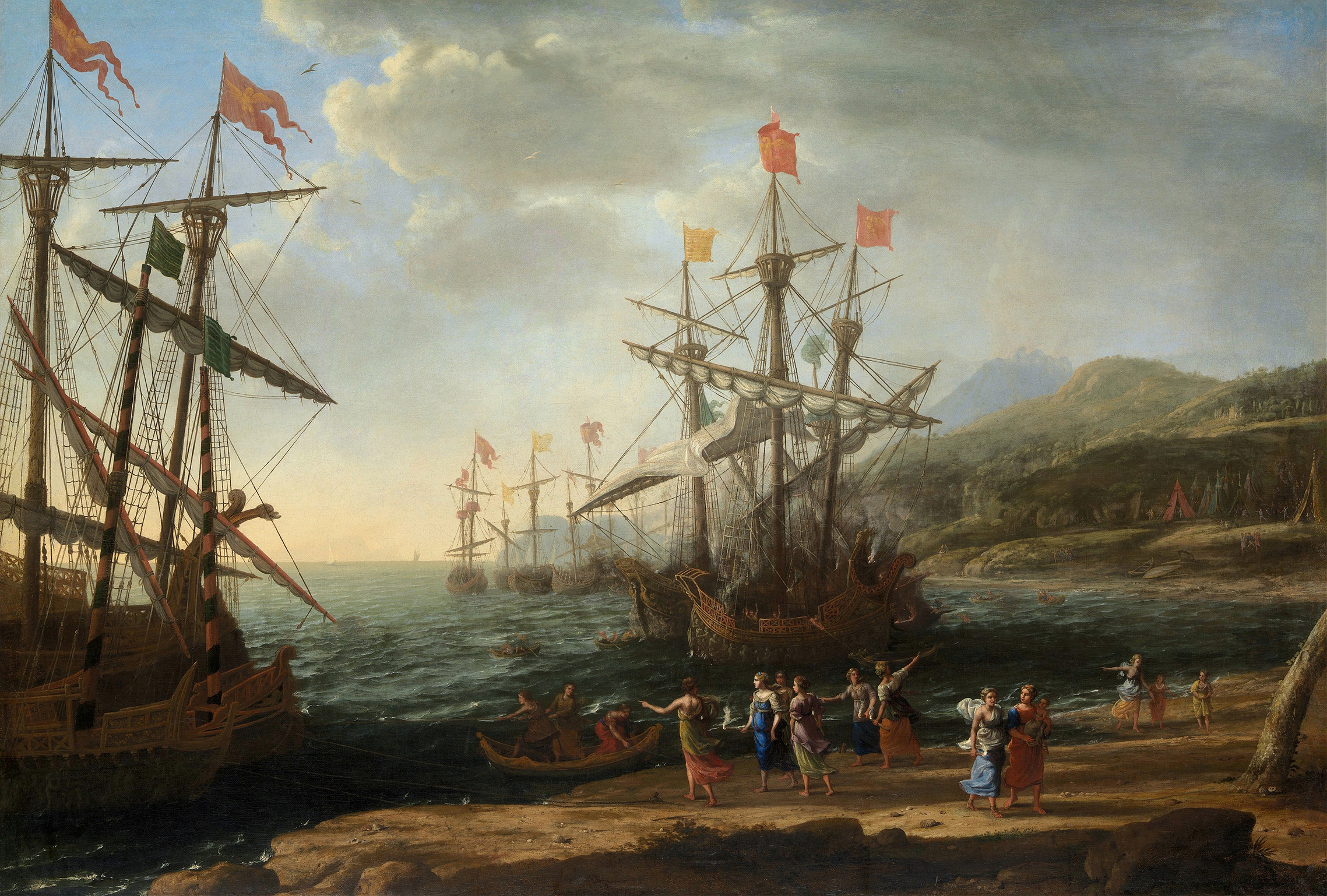
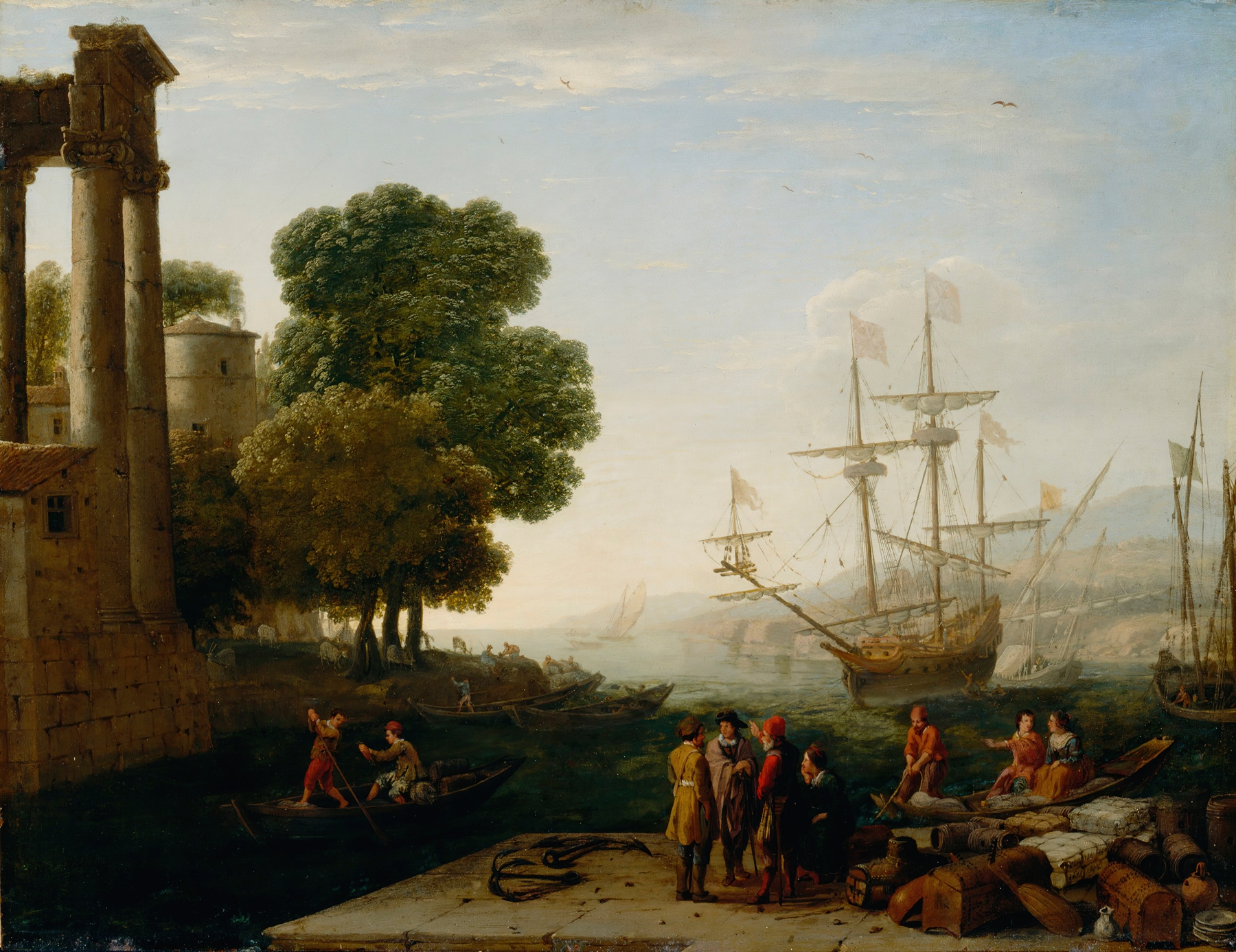
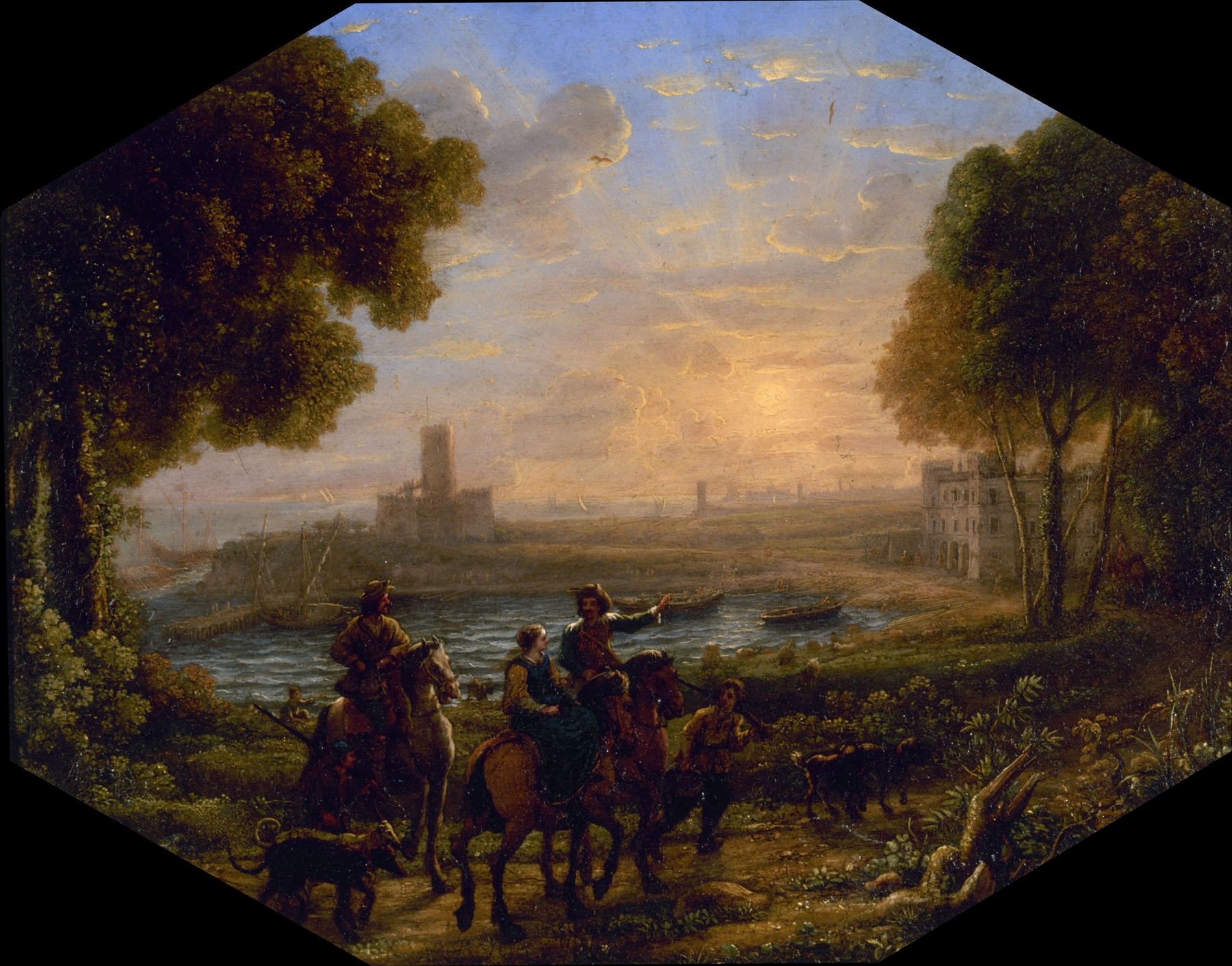
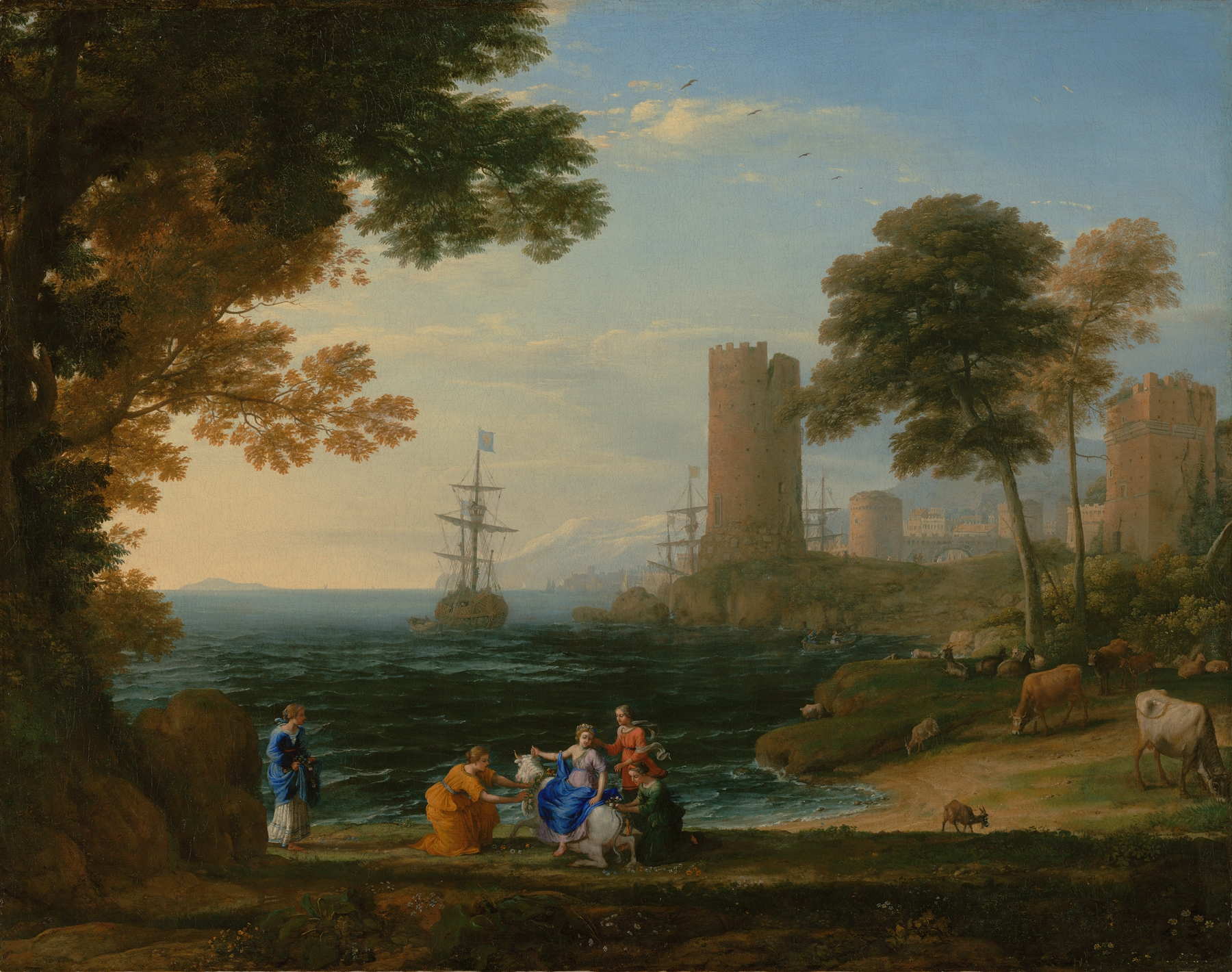
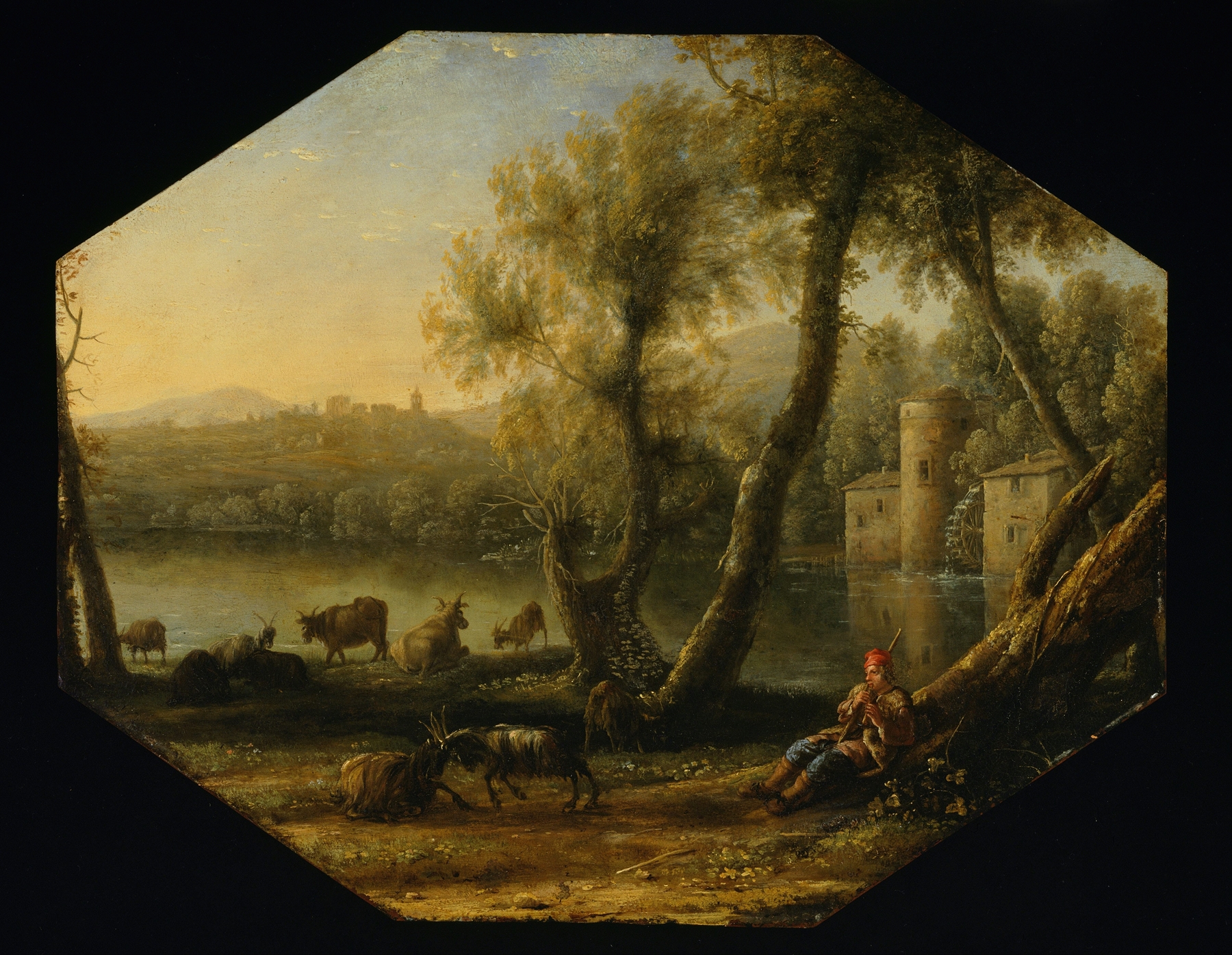
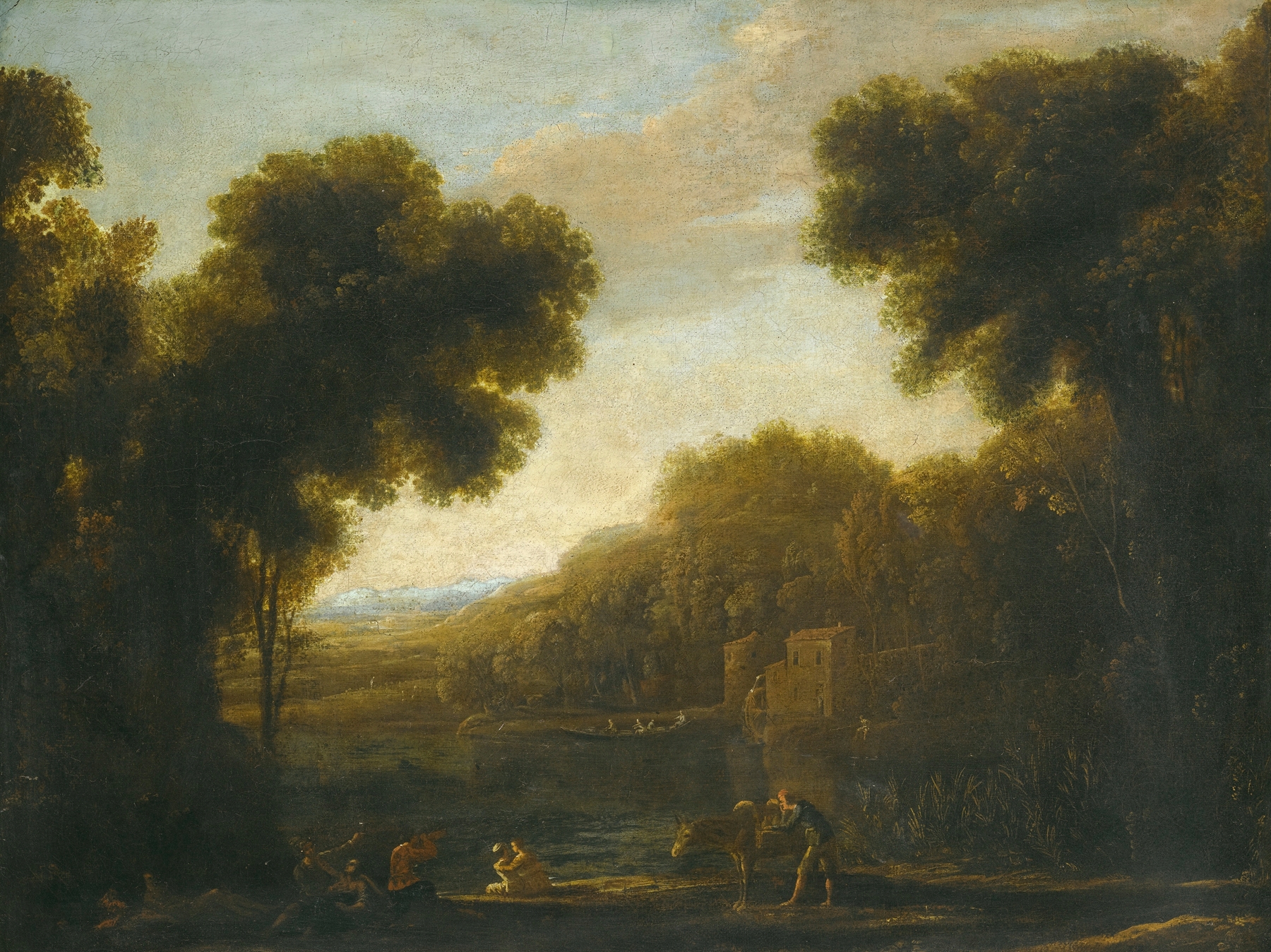
“Between color and silence, truth hides.” In this serene expanse, tranquility whispers through verdant hills and gentle skies, inviting the soul to pause and breathe deeply. Look to the left at the sweeping curve of the river, its mirror-like surface reflecting the soft hues of twilight. Notice how the light dances upon the landscape, illuminating the lush greenery and the meticulously rendered trees, while the golden glow of the setting sun bathes the entire scene in an ethereal warmth. The composition radiates harmony, with the horizon line expertly drawn to cradle the viewer’s gaze, guiding it through a seamless blend of earth and sky.
In this pastoral scene, hidden tensions emerge between the natural and the cultivated. The distant figures, tiny and almost insignificant, tend to their labors, contrasting with the grand scale of nature that surrounds them. Here, the artist captures the interdependence of humanity and the idyllic landscape, evoking a sense of peace alongside the underlying struggle of existence. The idyllic setting invites contemplation, yet hints at the fragility of this harmony in an ever-changing world.
In 1648, Lorrain created this work during a time when the Baroque movement was flourishing in Europe, emphasizing the grandeur of both nature and humanity. Living in Rome, he was surrounded by the classical ruins that influenced his appreciation for landscape, helping shape his signature style. This period marked a transition toward a greater focus on light and atmosphere, elements that would come to define his legacy in the realm of landscape painting.