
Paysage — History & Facts
This sentiment echoes through the delicate layers of color and light captured in the artwork, whispering the fragility of existence beneath its serene surface. Look to the center of the canvas, where vibrant greens and soft blues swirl together, creating a lush landscape that draws you in. Notice how the sunlight breaks through the foliage, dappling the ground with golden patches that seem to shimmer with life. The brushstrokes are both fluid and intentional, a dance of impressionistic technique that invites the viewer to feel the warmth of the day, while grounding them in the stillness of nature's embrace. Delve deeper into the painting’s subtle contrasts: the vivid hues of the flowers juxtaposed against the muted tones of the earth reflect nature’s ephemeral beauty.
This landscape, seemingly tranquil, hints at the underlying tension of fragility — a reminder that such beauty is fleeting and often vulnerable. The gentle undulation of the hills suggests a heartbeat, urging us to reflect on the transient moments that shape our lives. Created between 1890 and 1900, this piece emerged during a transformative period for the artist, who was exploring the interplay of light and color in his later works. Renoir, a central figure of Impressionism, was navigating both personal challenges and the evolving art world, marked by a growing acceptance of modernity.
Paysage captures not just a scene, but an essence — a poignant reminder of beauty interlaced with the weight of vulnerability.
More Artworks by Pierre-Auguste Renoir
Browse all →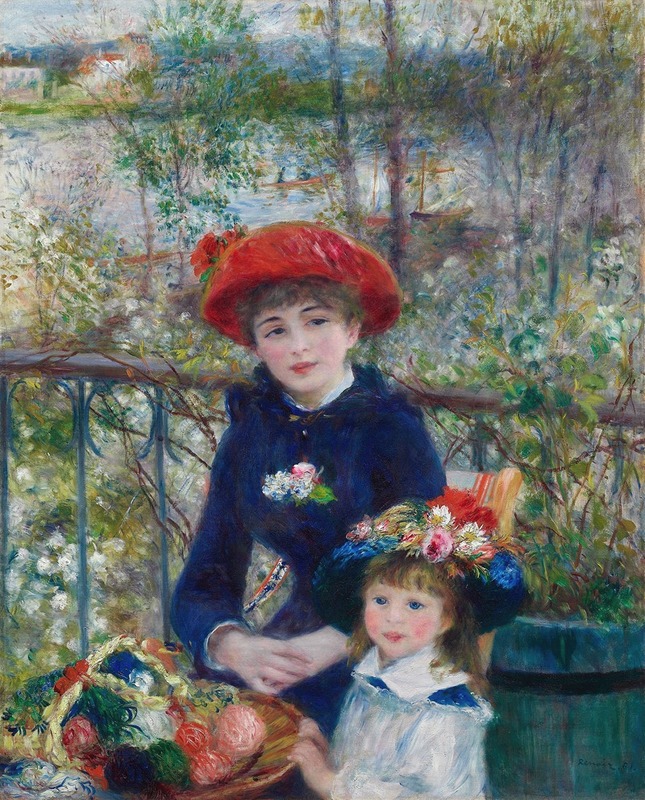
Two Sisters (On the Terrace)
Pierre-Auguste Renoir
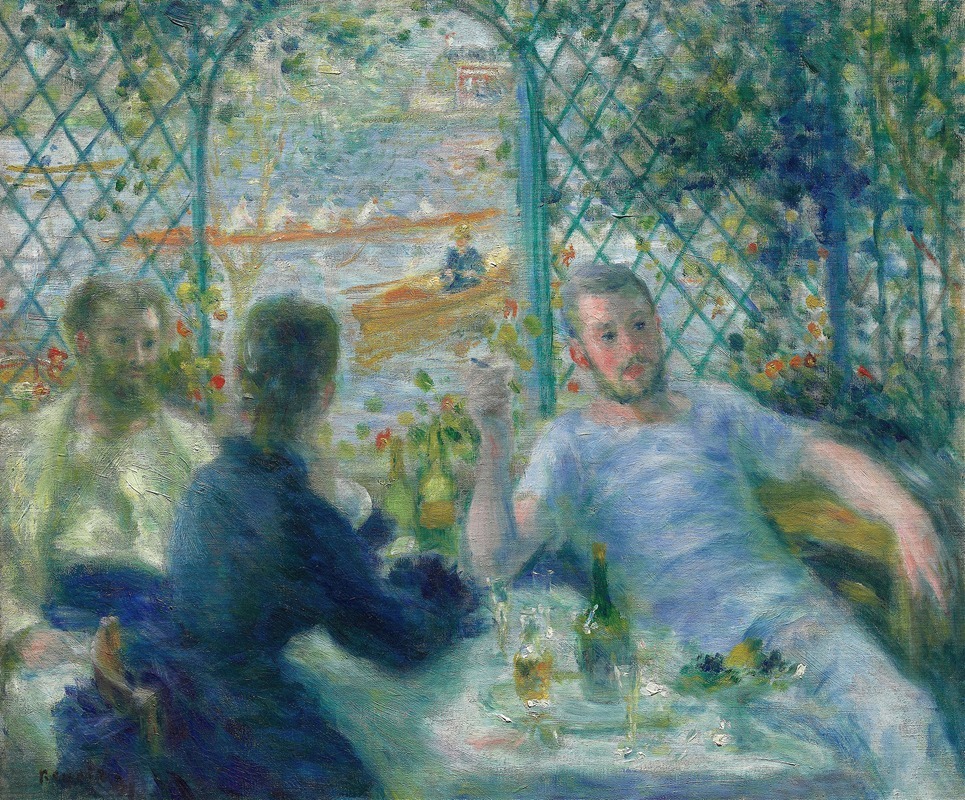
Lunch at the Restaurant Fournaise (The Rowers' Lunch)
Pierre-Auguste Renoir
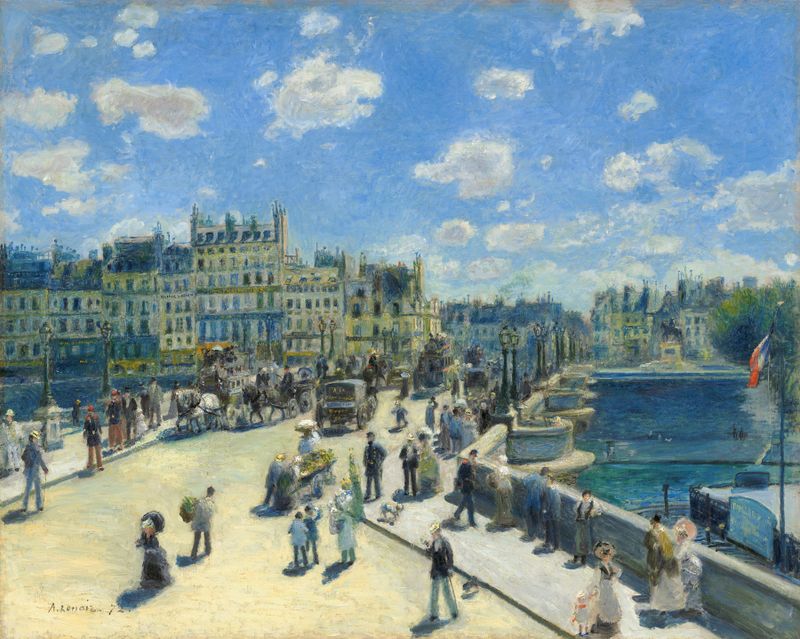
Pont Neuf, Paris
Pierre-Auguste Renoir
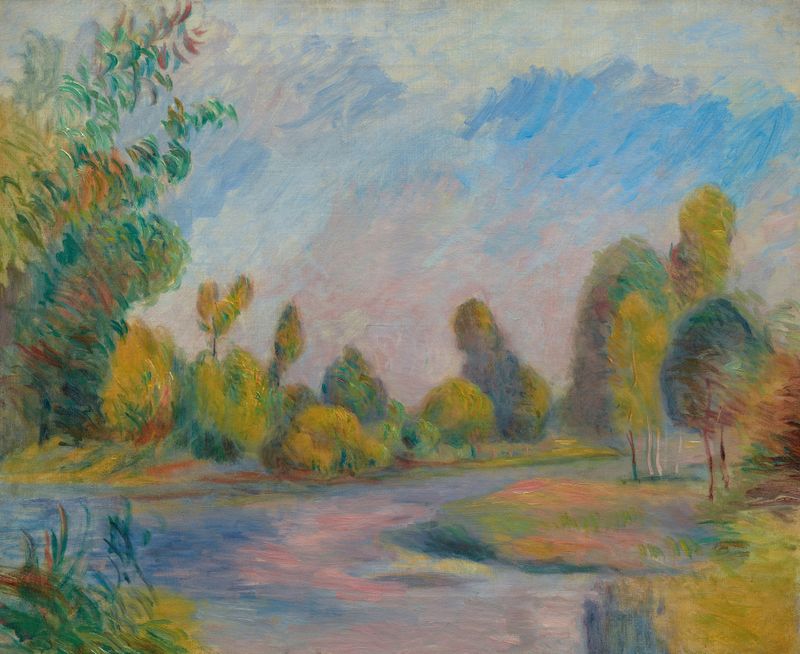
Au bord de la rivière
Pierre-Auguste Renoir

Near the Lake
Pierre-Auguste Renoir
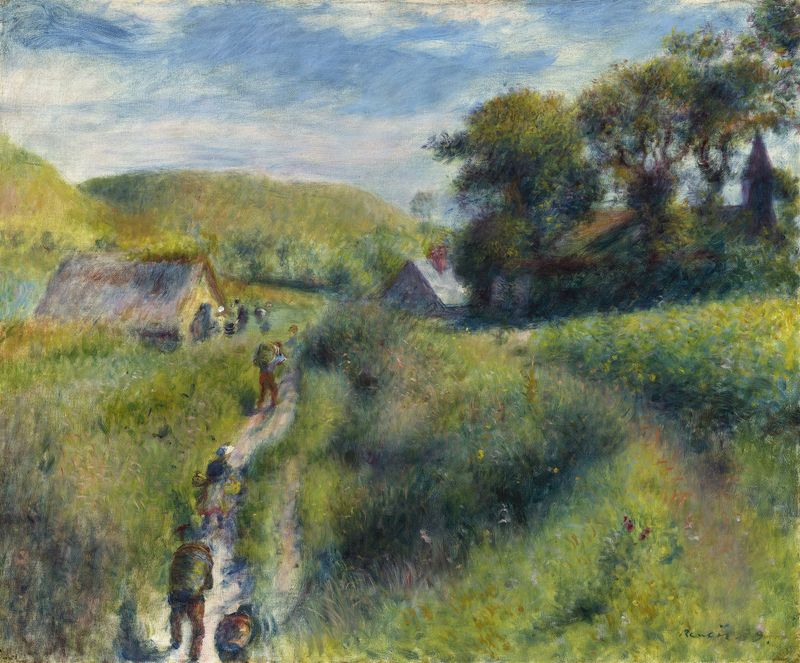
The Mussel Harvest
Pierre-Auguste Renoir

The Seine at Chatou
Pierre-Auguste Renoir
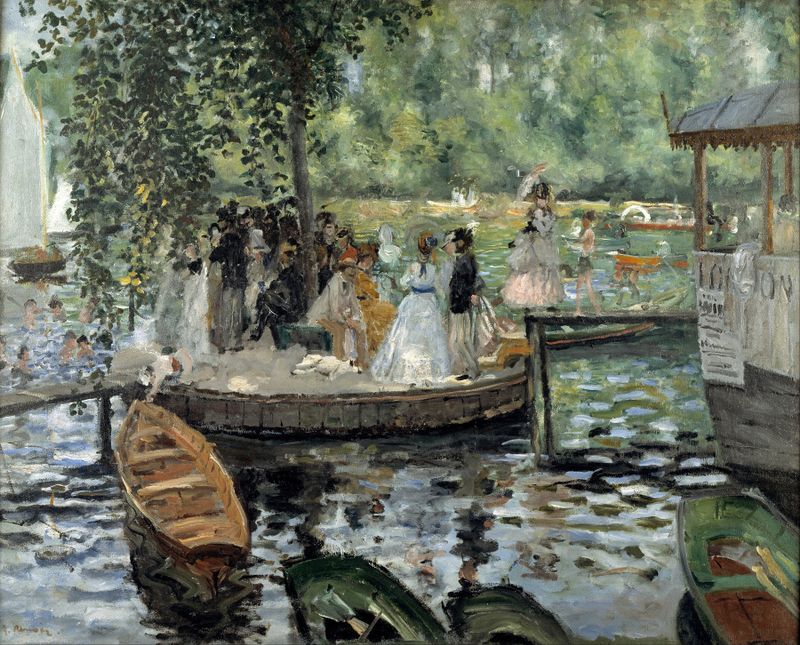
La Grenouillère
Pierre-Auguste Renoir
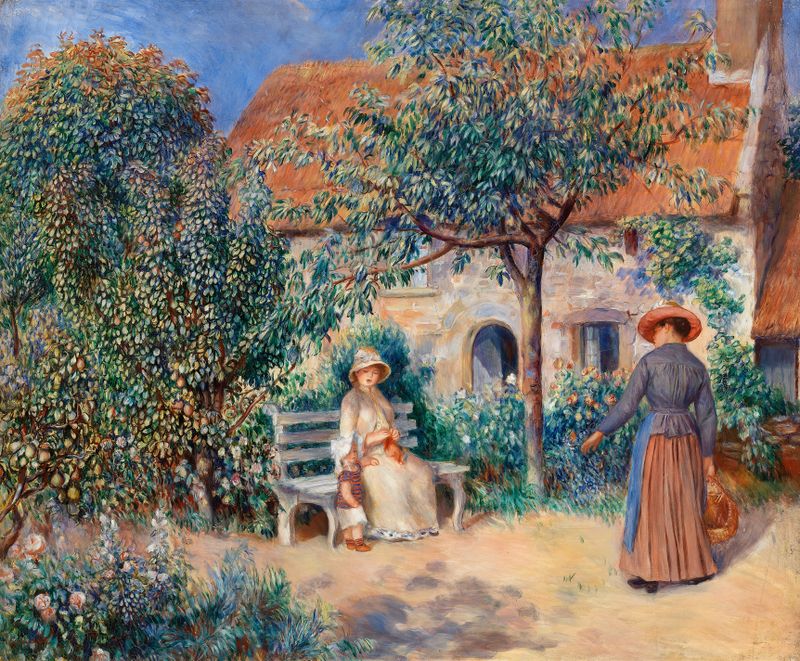
In Brittany (En Bretagne)
Pierre-Auguste Renoir
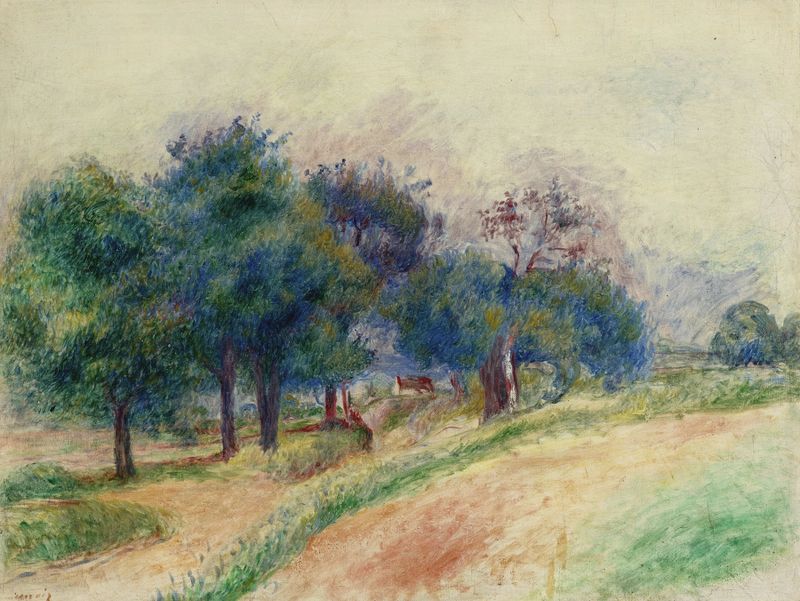
Paysage d’Essoyes
Pierre-Auguste Renoir





