
Paysage — History & Facts
Can paint confess what words never could? In the swirling strokes and vibrant hues of Paysage, there's a hint of madness, a chaotic beauty that dances on the edge of comprehension. Look to the left at the cascade of greens, where the trees echo the fervor of a restless mind. The brushwork is loose, almost spontaneous, inviting the viewer to immerse themselves in the unrestrained rhythm of nature. Notice how the dappled sunlight filters through the foliage, creating a symphony of light and shadow that teeters between order and disarray, pulling you into an emotional vortex. This landscape is not merely a representation of nature; it embodies the tension between tranquility and turmoil.
The brush strokes pulse with life, revealing an artist's struggle with his own inner chaos. The flowers, wild and unkempt, speak of beauty found in disorder, while the overarching sky hints at an impending storm, mirroring the unpredictability of existence itself. Renoir painted Paysage during a period rich with transition in the art world, a time often characterized by the rise of Impressionism in the late 19th century. Working amidst his peers in France, he experienced both personal and professional upheaval, striving to balance his burgeoning reputation with the pressures of artistic innovation.
The painting captures not only a landscape but also the artist’s complex emotional landscape as he navigated through the heights and depths of creativity.
More Artworks by Pierre-Auguste Renoir
Browse all →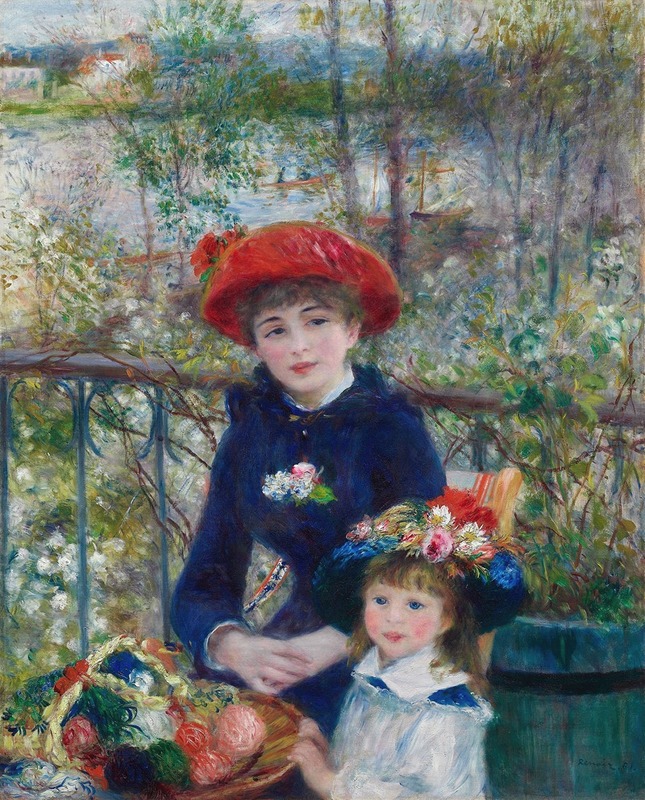
Two Sisters (On the Terrace)
Pierre-Auguste Renoir
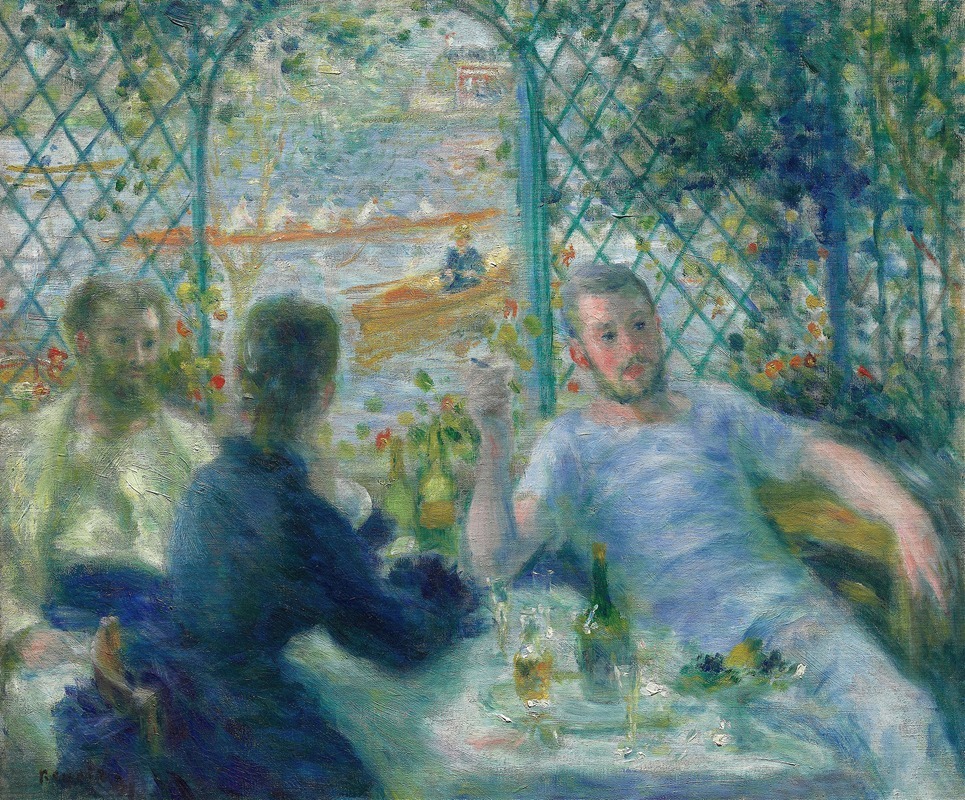
Lunch at the Restaurant Fournaise (The Rowers' Lunch)
Pierre-Auguste Renoir
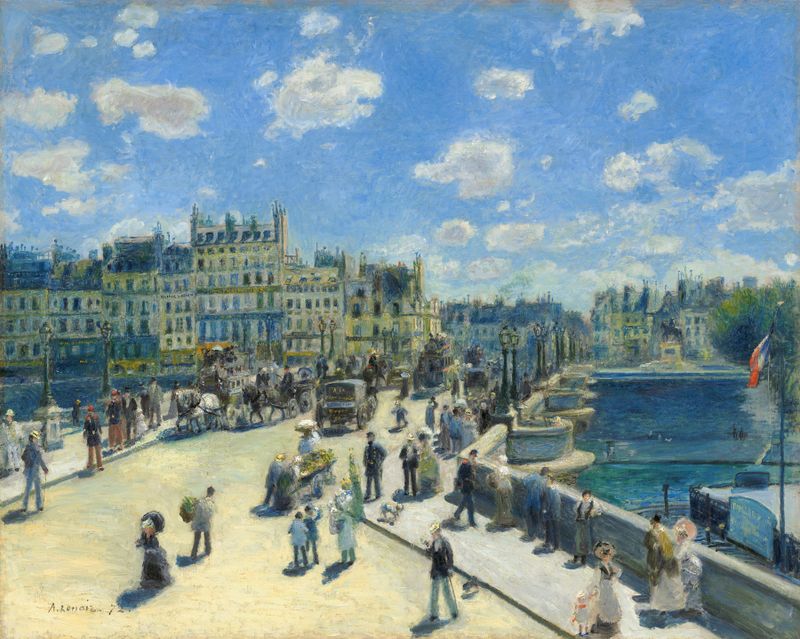
Pont Neuf, Paris
Pierre-Auguste Renoir
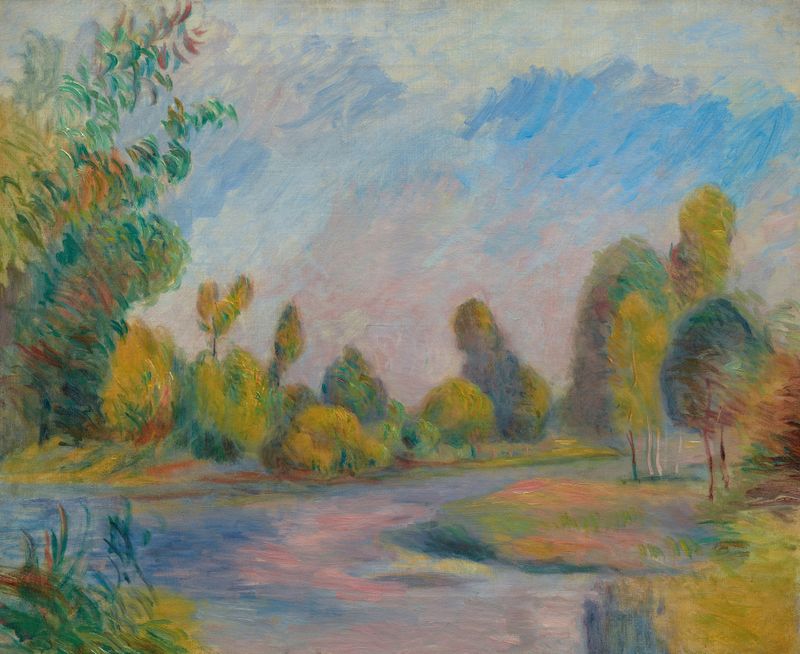
Au bord de la rivière
Pierre-Auguste Renoir

Near the Lake
Pierre-Auguste Renoir
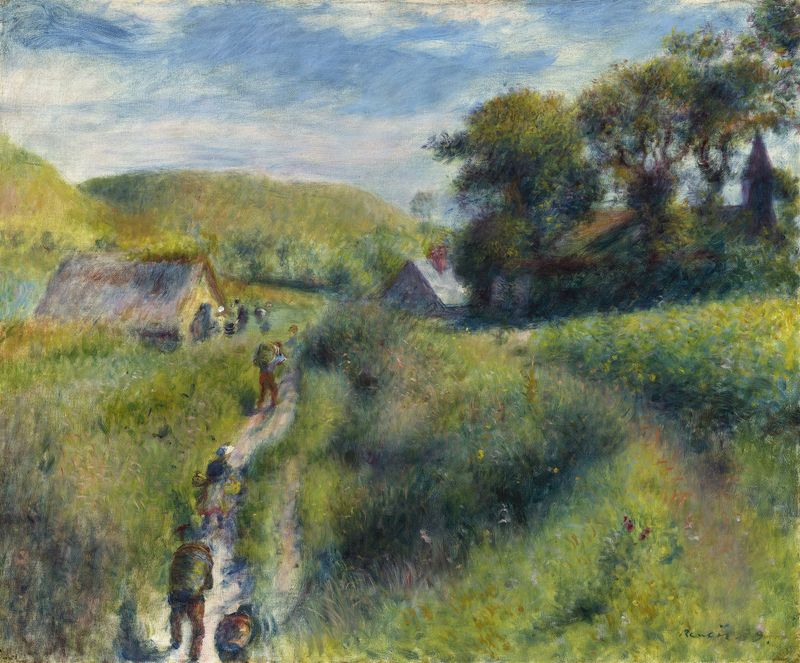
The Mussel Harvest
Pierre-Auguste Renoir

The Seine at Chatou
Pierre-Auguste Renoir
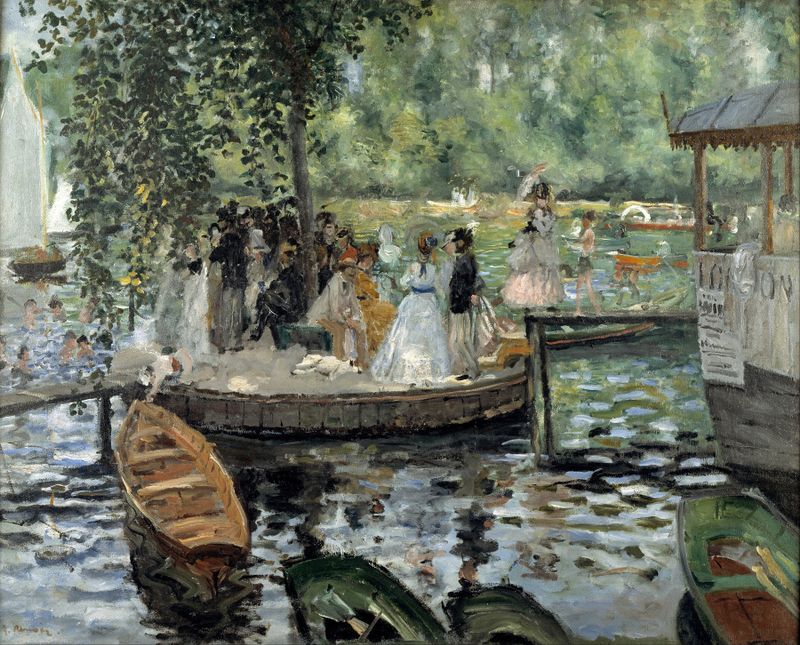
La Grenouillère
Pierre-Auguste Renoir
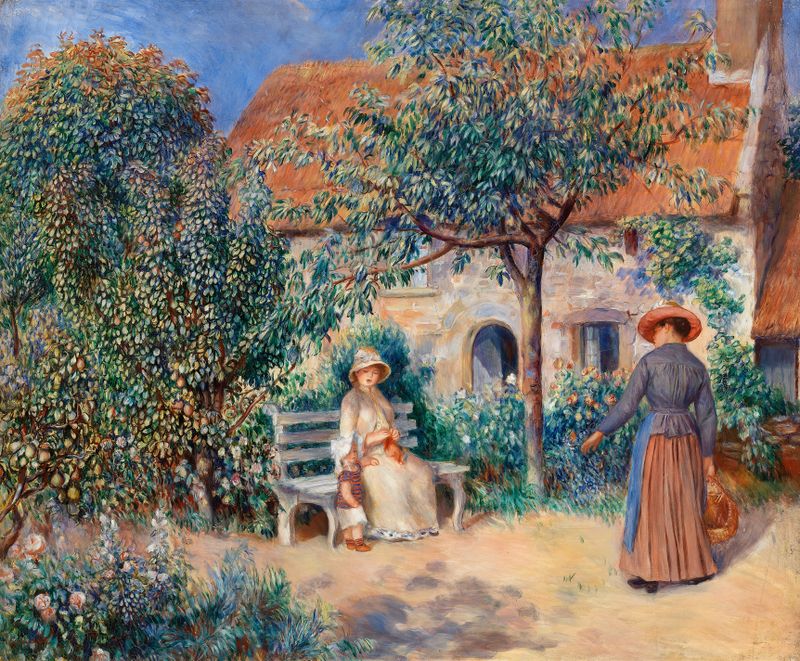
In Brittany (En Bretagne)
Pierre-Auguste Renoir
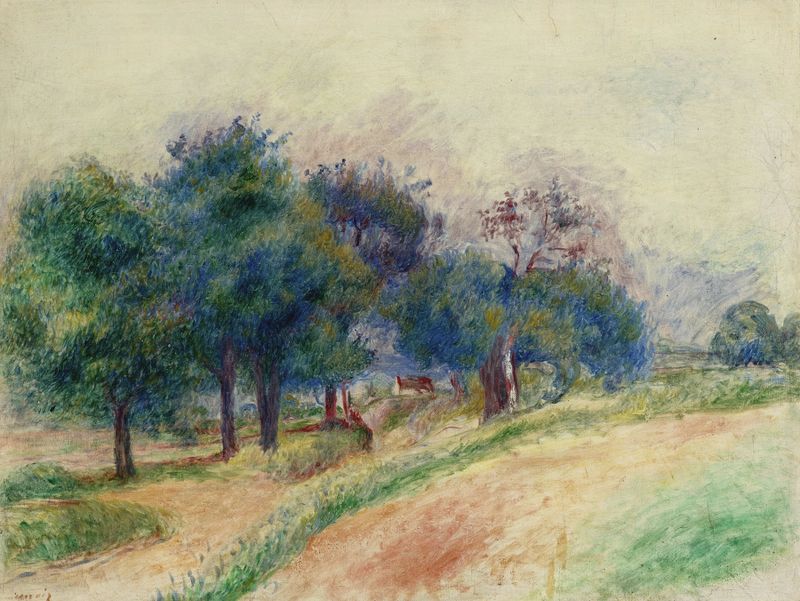
Paysage d’Essoyes
Pierre-Auguste Renoir





