
Paysage — History & Facts
What secret hides in the quiet of the canvas? In the stillness of Paysage, a profound yearning emerges, inviting the soul to linger in contemplation. Look to the left at the gentle undulations of the hills, their soft contours whispering of nature's serene embrace. The muted greens and browns create a harmonious palette that evokes a sense of peace, while the crisp whites of the clouds starkly contrast, drawing your gaze upward. Notice how the light plays delicately across the landscape, illuminating patches of earth and orchestrating an interplay of shadow and brightness that breathes life into the scene. Amidst this tranquil vista, a tension simmers beneath the surface, reflecting the complexity of longing.
The distant horizon suggests unattainable dreams, while the winding path may symbolize the journey of life itself, filled with both beauty and uncertainty. Each detail, from the scattered trees to the gently rolling fields, speaks to the dichotomy of simplicity and depth, inviting viewers to explore their own feelings of desire and nostalgia. Created in an undefined period, Armand Apol captured Paysage during a time when artistic movements were grappling with the boundaries of realism and impressionism. Emerging in the late 19th century, Apol found himself influenced by a world eager to break free from convention, seeking beauty in both the ordinary and the extraordinary.
His works reflect a commitment to nature and emotion, resonating with viewers even as the art world evolved around him.
More Artworks by Armand Apol
Browse all →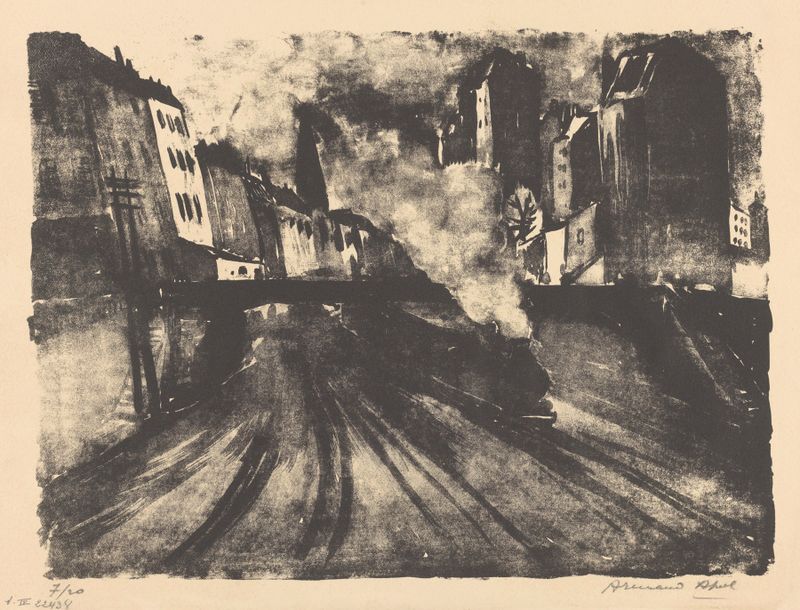
Chemin de fer de ceinture à Paris
Armand Apol
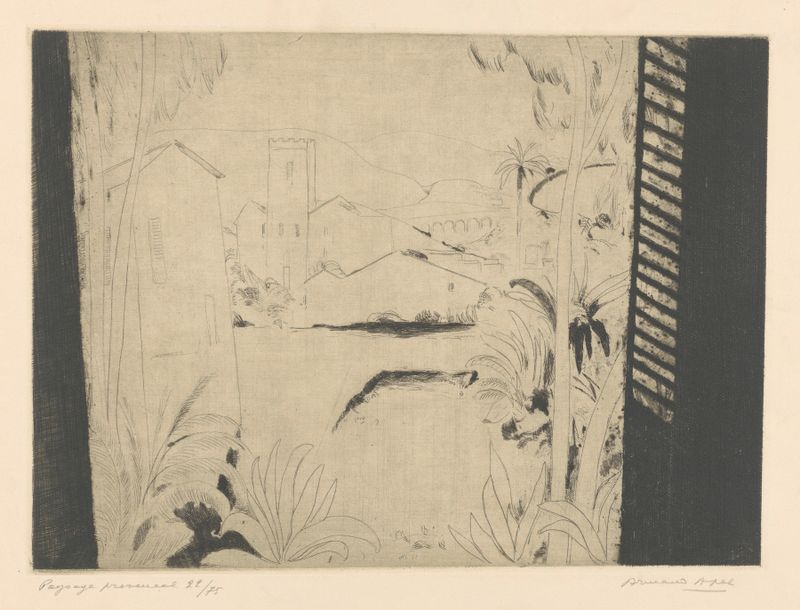
Paysage provençal
Armand Apol
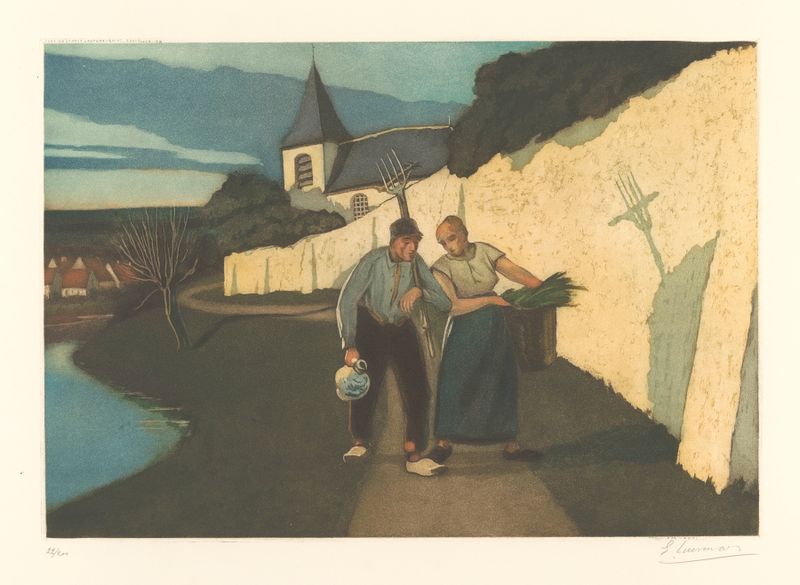
Retour des champs
Armand Apol
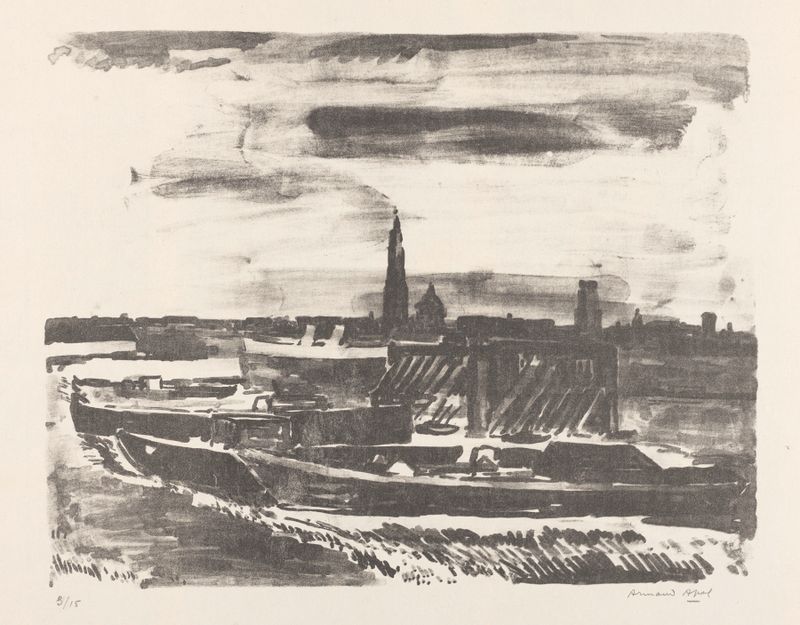
Bateaux à quai à Anvers
Armand Apol
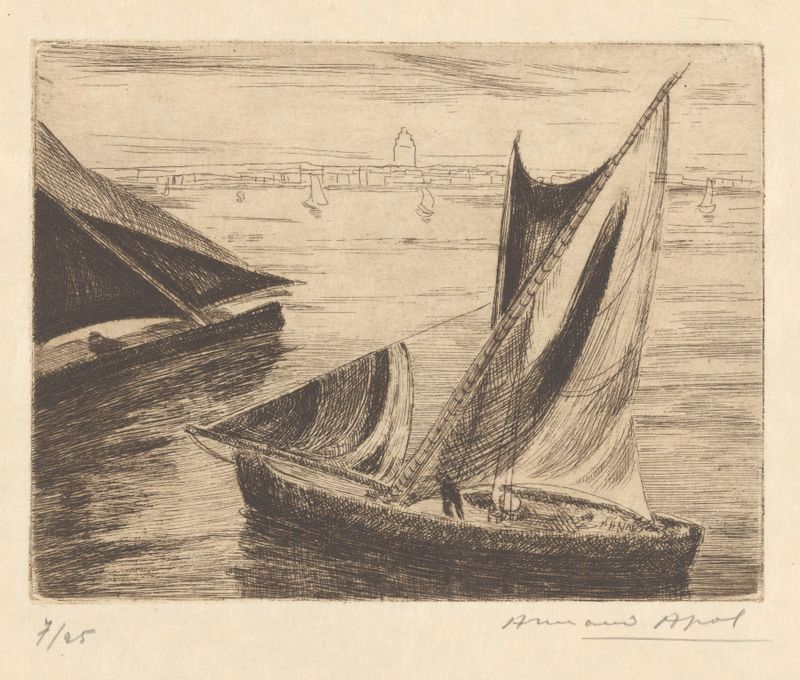
Marseille. Tartanes
Armand Apol
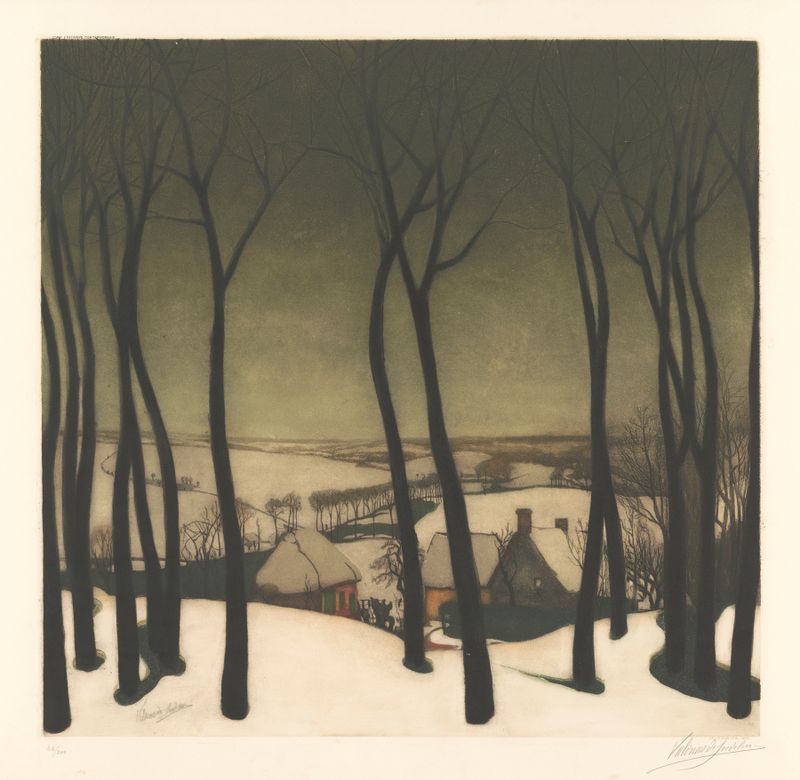
Paysage
Armand Apol
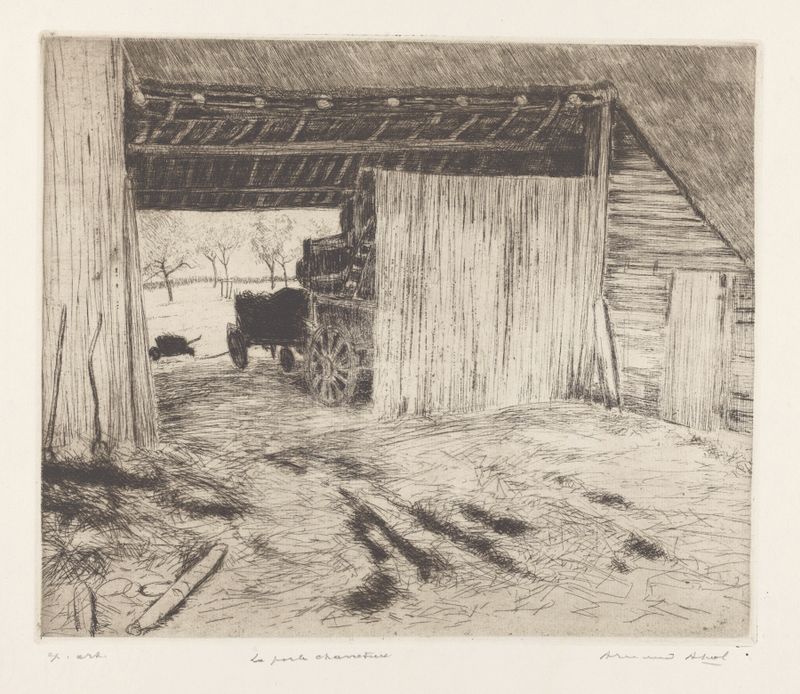
La porte charretière
Armand Apol
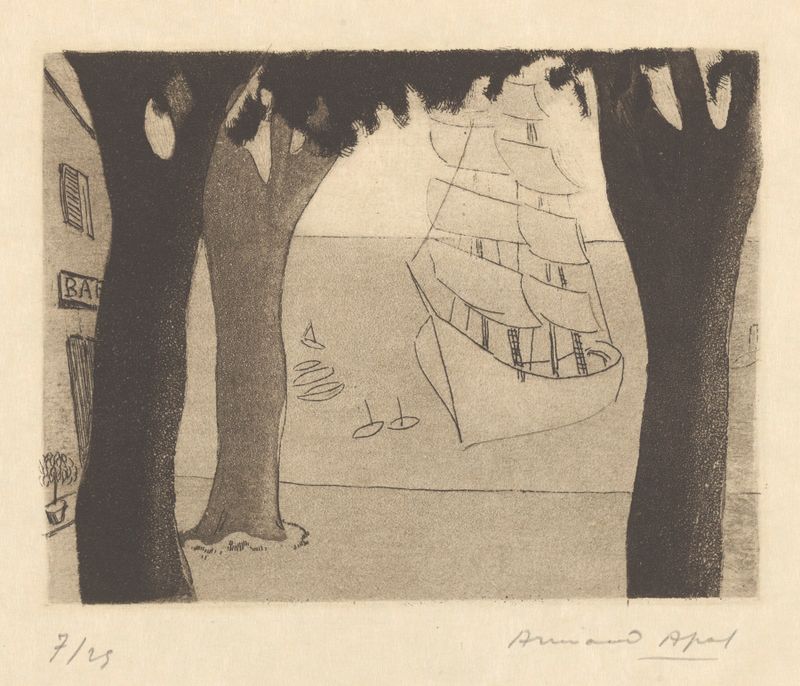
Cassis. Vue sur le port
Armand Apol
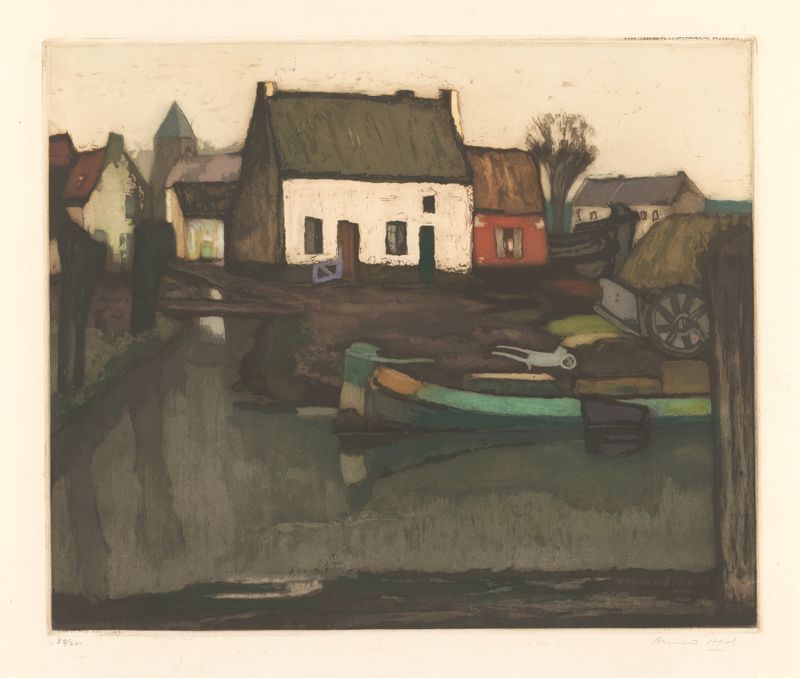
Bord du canal
Armand Apol
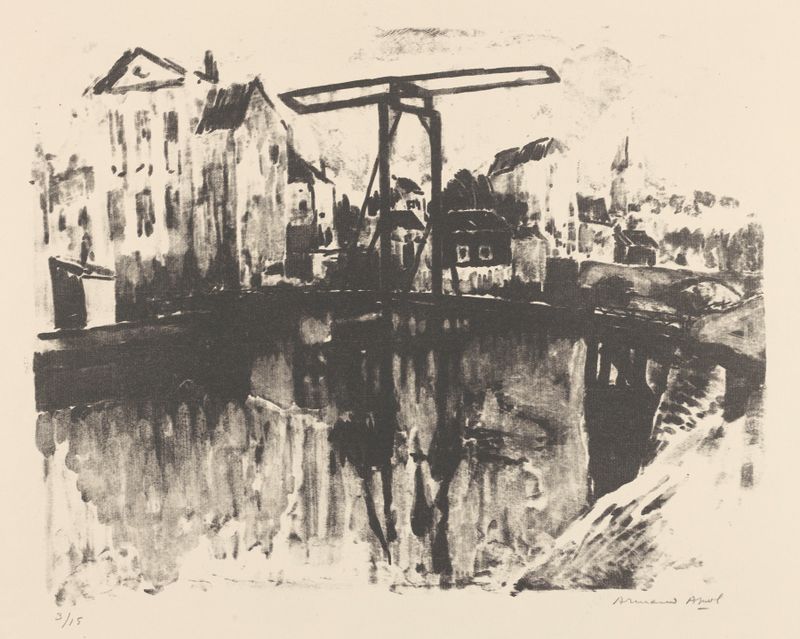
Pont basculant dans une ville
Armand Apol





