
Paysage — History & Facts
Where does light end, and longing begin? In Paysage, a whispered dialogue between nature and emotion unfolds, inviting viewers to ponder the delicate balance between obsession and serenity. Look to the left at the gentle slope of the hills, where verdant greens unfurl beneath the soft caress of sunlight. Notice how the artist orchestrates the scene with a palette that dances between warm yellows and deep emeralds, evoking both harmony and tension. The brushstrokes are loose yet deliberate, creating a vibrant texture that seems to pulse with life, drawing the eye deeper into the tranquil landscape. Within this idyllic setting lies a juxtaposition of stillness and yearning.
The open sky, awash in soft blues, conveys a sense of vastness, while the encroaching trees hint at both shelter and confinement. The interplay of light filtering through the foliage reflects a longing for connection—a theme that resonates throughout the work. Each element, from the winding path to the distant horizon, suggests a journey that is both physical and emotional, steeped in the allure of the unattainable. In 1905, Renoir, residing in the south of France, painted Paysage amidst a pivotal moment in his life.
He had transitioned from the Impressionist movement to a more personal, expressive style, seeking solace in the natural world as he grappled with health issues. The artwork emerges from this period of introspection, reflecting his ongoing quest for beauty and meaning in an ever-changing landscape, both external and internal.
More Artworks by Pierre-Auguste Renoir
Browse all →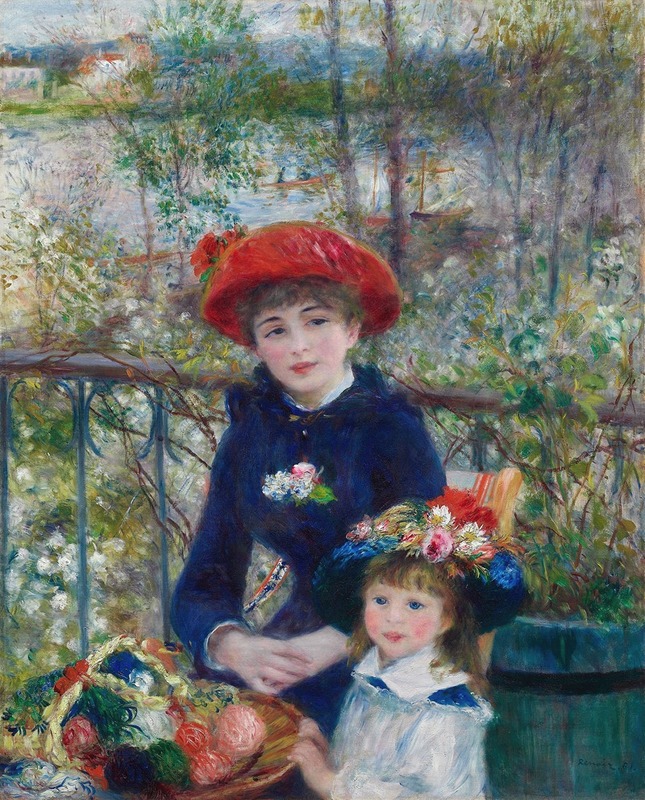
Two Sisters (On the Terrace)
Pierre-Auguste Renoir
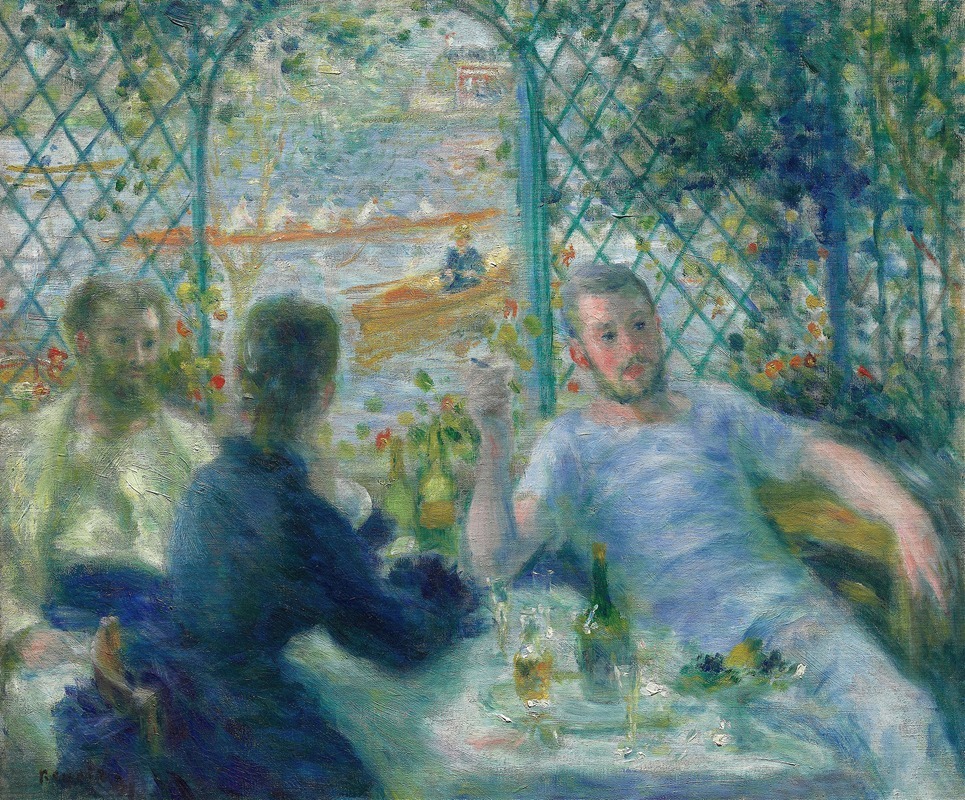
Lunch at the Restaurant Fournaise (The Rowers' Lunch)
Pierre-Auguste Renoir
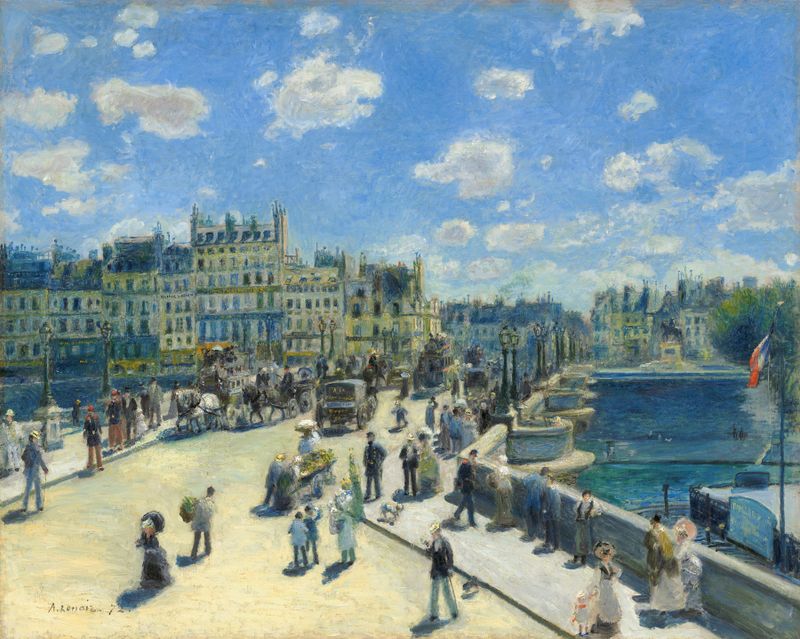
Pont Neuf, Paris
Pierre-Auguste Renoir
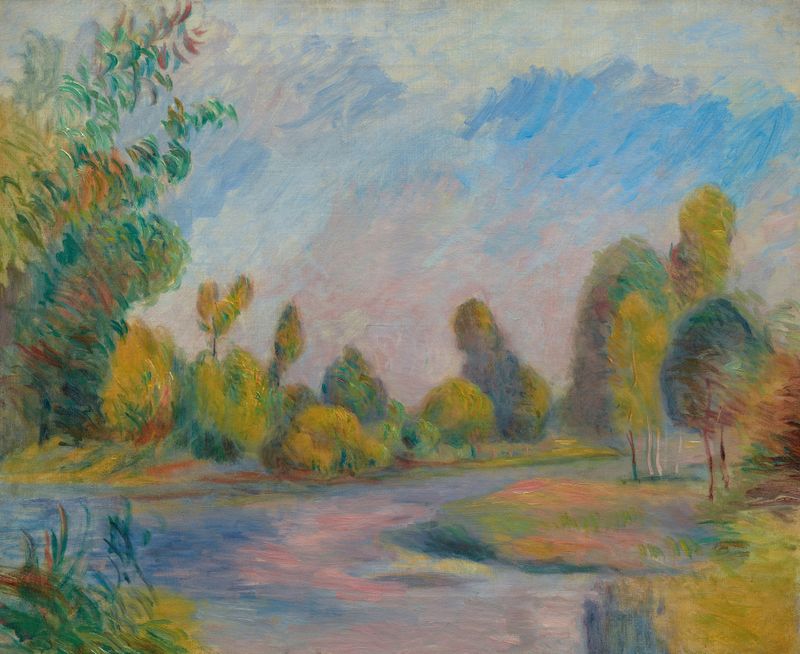
Au bord de la rivière
Pierre-Auguste Renoir

Near the Lake
Pierre-Auguste Renoir
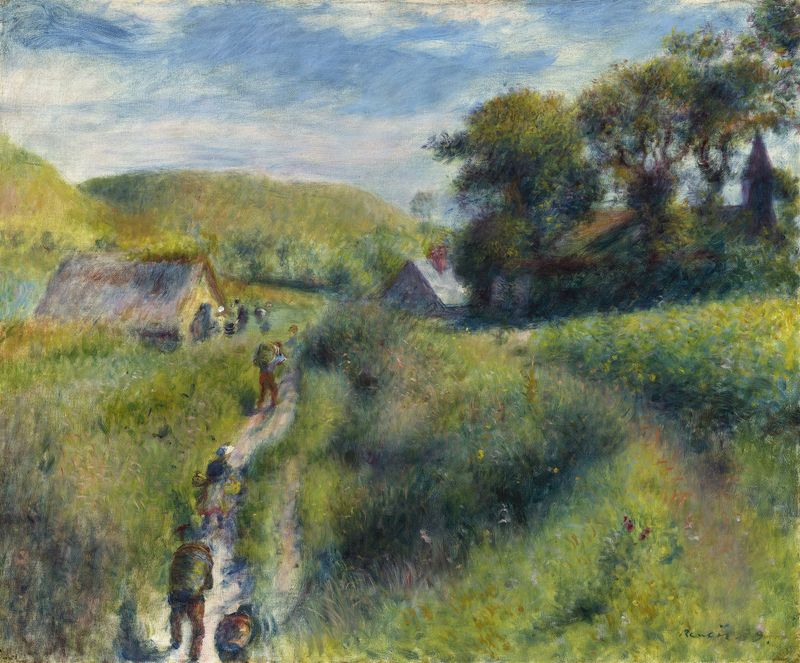
The Mussel Harvest
Pierre-Auguste Renoir

The Seine at Chatou
Pierre-Auguste Renoir
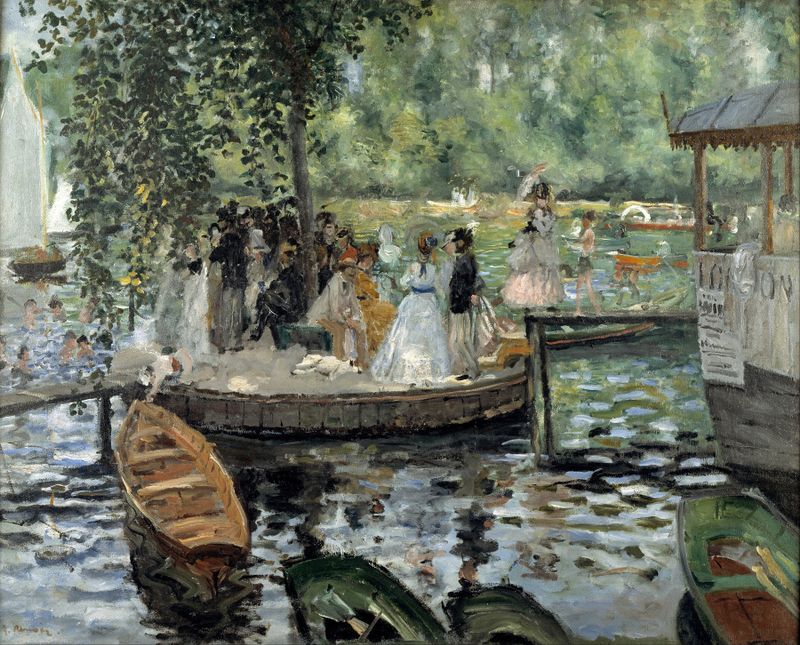
La Grenouillère
Pierre-Auguste Renoir
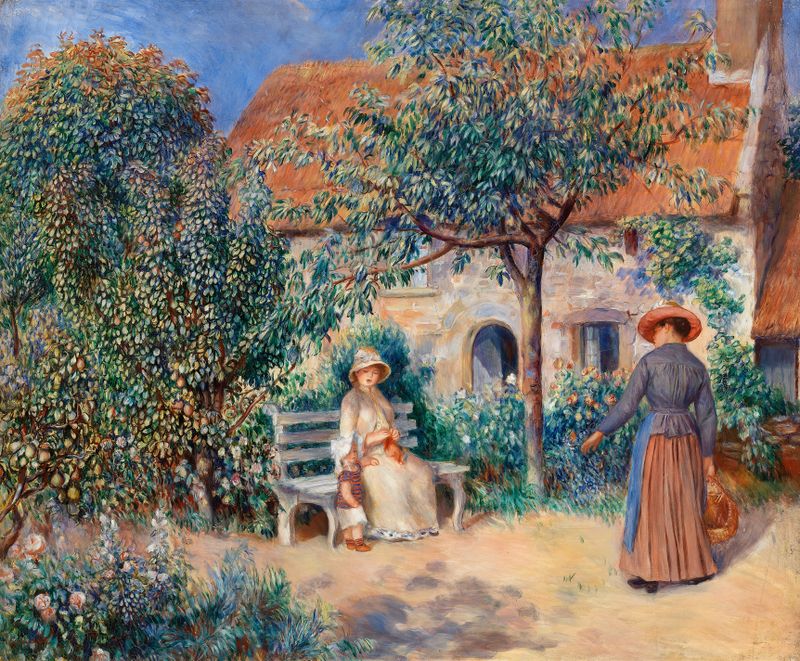
In Brittany (En Bretagne)
Pierre-Auguste Renoir
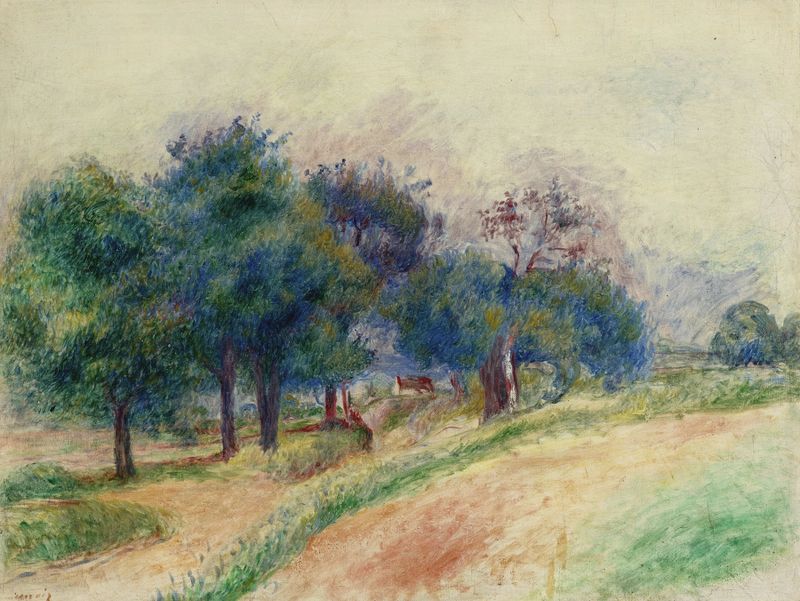
Paysage d’Essoyes
Pierre-Auguste Renoir





