
Paysage — History & Facts
What secret hides in the quiet of the canvas? In Paysage, a serene landscape unfolds, whispering tales of time, transience, and the gentle pulse of nature's cycles. Focus on the vibrant greens and warm earth tones that breathe life into the scene. Look to the left, where a cluster of trees rises gracefully, their leaves kissed by dappled sunlight. Notice how the brushstrokes are loose yet deliberate, creating a sense of movement that evokes a gentle breeze.
The play of light and shadow draws your gaze, inviting you to lose yourself in the lush tranquility of the countryside. Yet, beneath this idyllic surface lies an undercurrent of mortality. The vibrant colors suggest the peak of life, but the subtle fading of hues at the edges hints at the inevitable passage of time. The juxtaposition of youthful vitality and the encroaching stillness of the background evokes a bittersweet recognition of life’s fleeting moments.
This landscape, while full of splendor, carries an echo of what will inevitably fade. In 1895, Renoir was living in France, influenced by Impressionism’s evolving dialogues. At this point in his career, he faced physical challenges and reflected deeply on beauty and existence. The world around him was changing rapidly, yet he chose to capture the tranquility of nature, reminding viewers of its ephemeral beauty against the backdrop of human struggle and impermanence.
More Artworks by Pierre-Auguste Renoir
Browse all →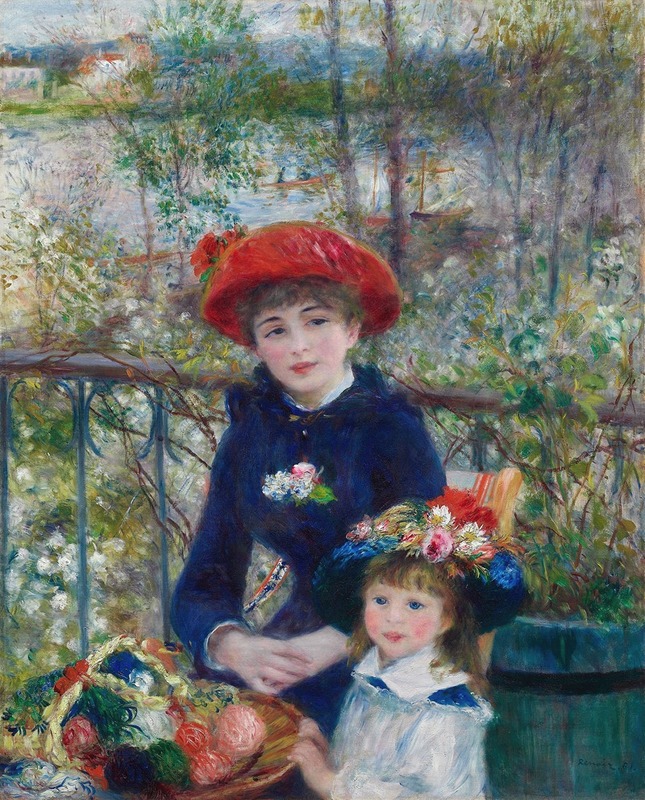
Two Sisters (On the Terrace)
Pierre-Auguste Renoir
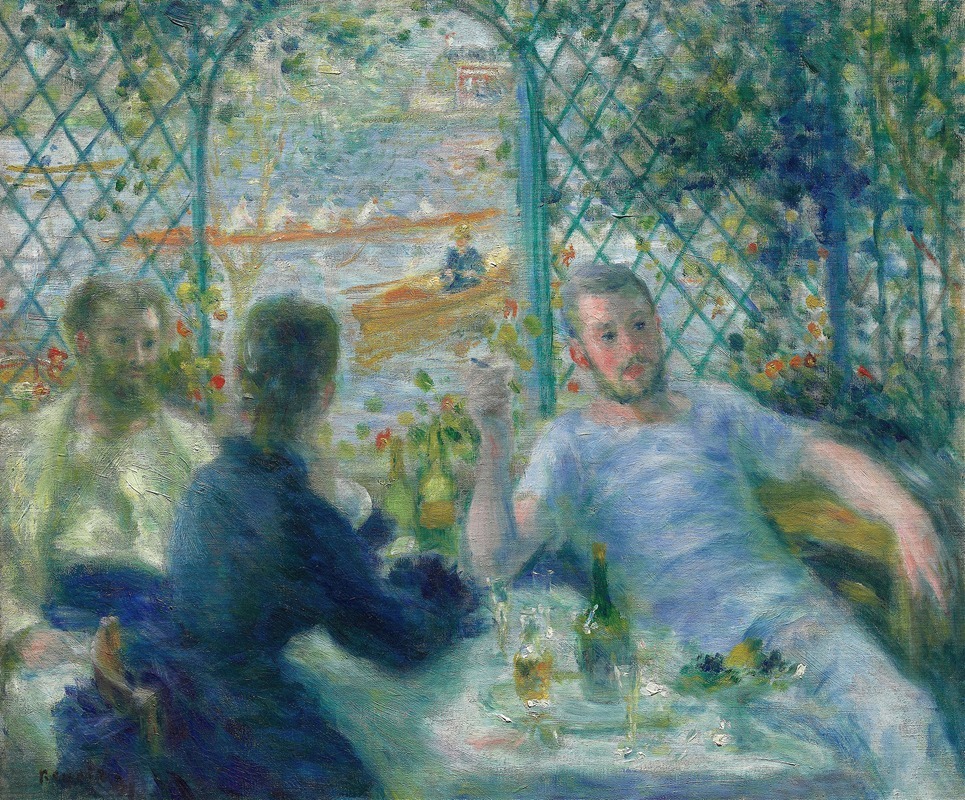
Lunch at the Restaurant Fournaise (The Rowers' Lunch)
Pierre-Auguste Renoir
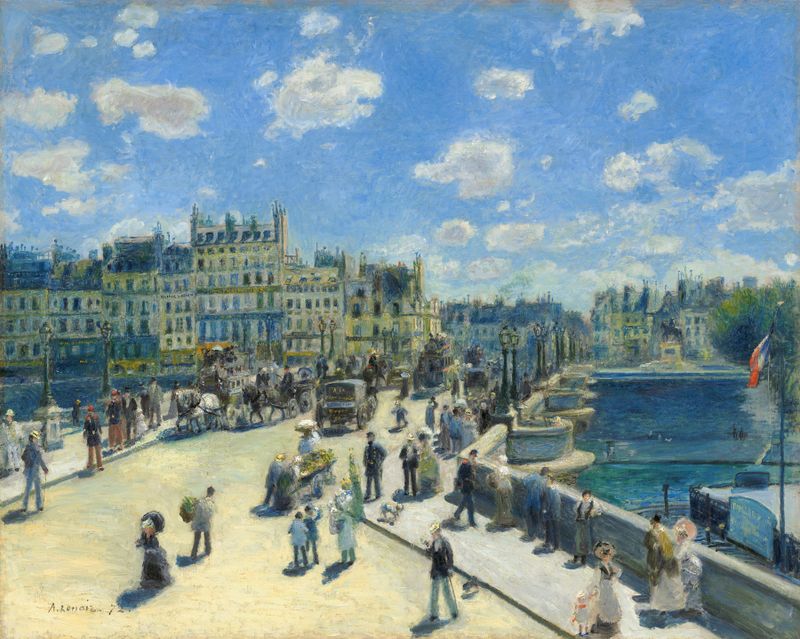
Pont Neuf, Paris
Pierre-Auguste Renoir
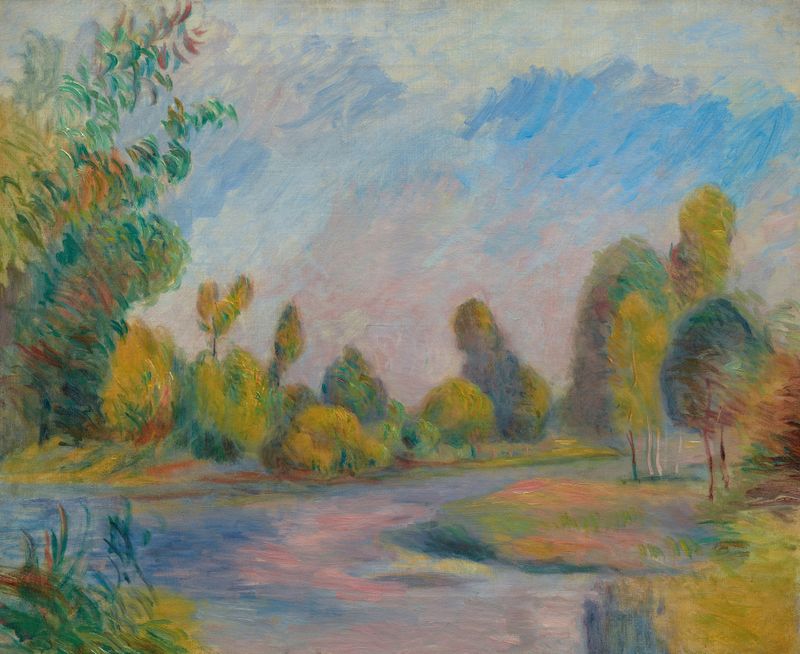
Au bord de la rivière
Pierre-Auguste Renoir

Near the Lake
Pierre-Auguste Renoir
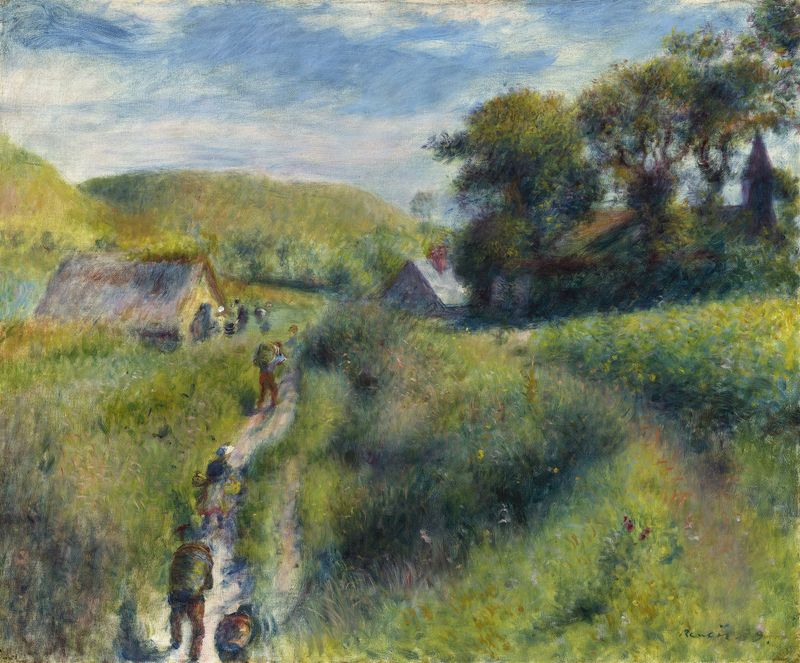
The Mussel Harvest
Pierre-Auguste Renoir

The Seine at Chatou
Pierre-Auguste Renoir
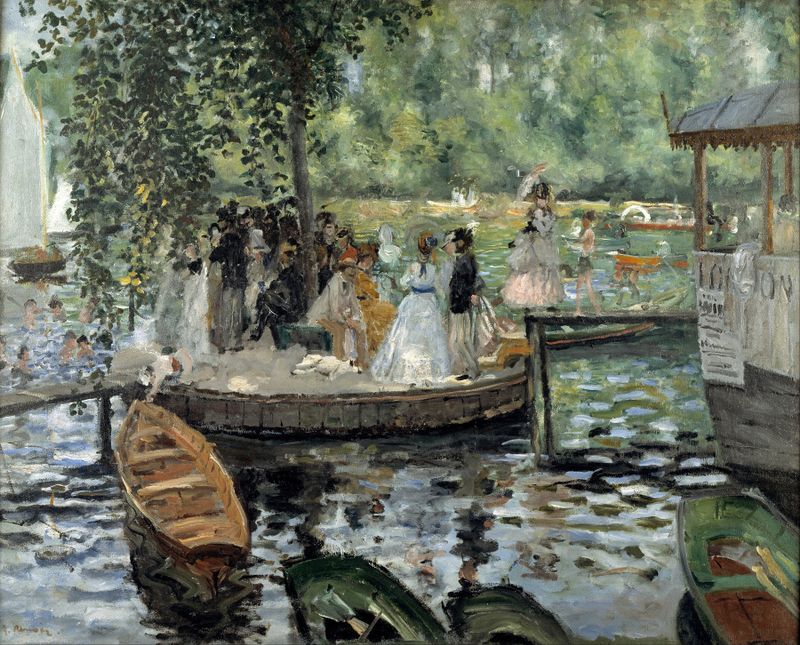
La Grenouillère
Pierre-Auguste Renoir
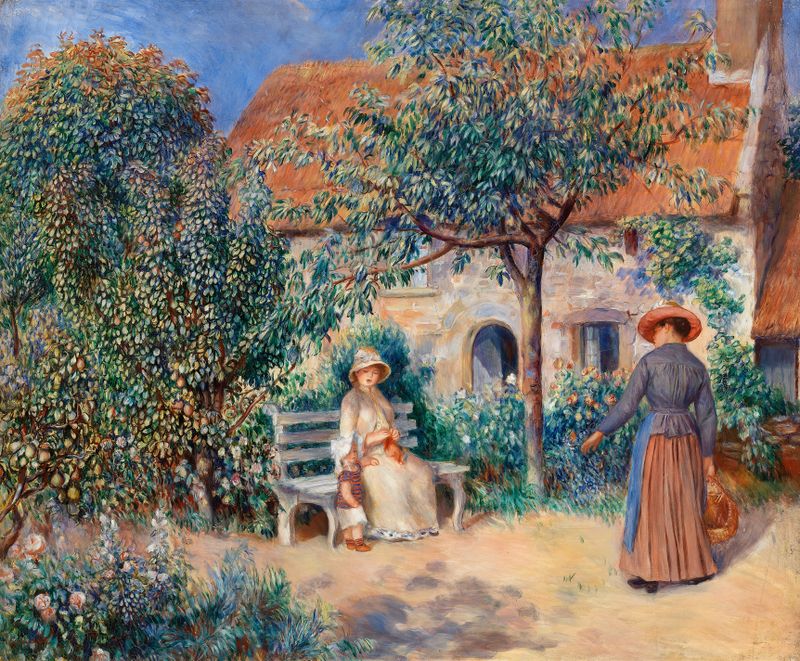
In Brittany (En Bretagne)
Pierre-Auguste Renoir
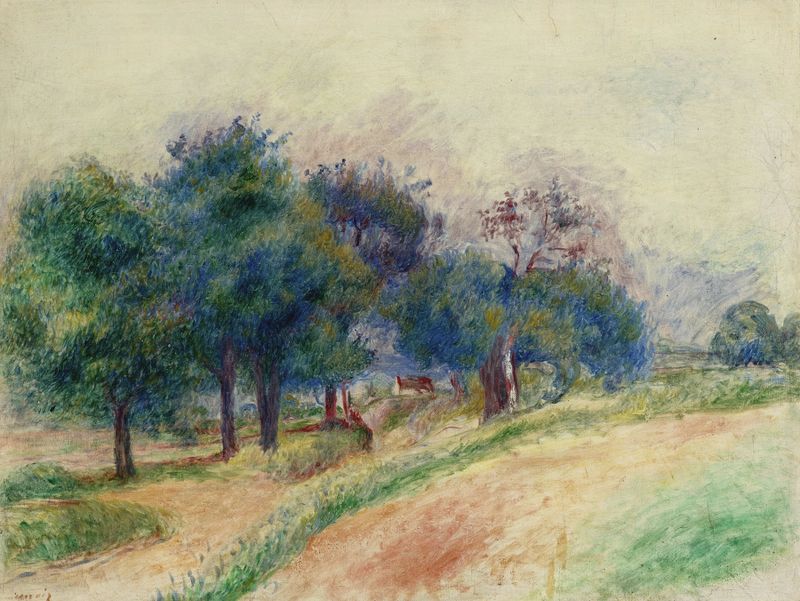
Paysage d’Essoyes
Pierre-Auguste Renoir





