
Paysage — History & Facts
Could beauty survive in a century of chaos? In Paysage, the answer unfurls like a delicate petal amidst the tumult of modernity, offering solace to a restless soul. Look to the foreground where vibrant strokes of green and gold invite you into a lush, sun-drenched meadow. The interplay of light and shadow creates a dance, highlighting the subtle textures of the grass and leaves. Notice how the brushwork pulses with life, each stroke revealing the artist's commitment to capturing the fleeting moments of nature.
The soft blues in the background contrast beautifully with the warmer tones, establishing a harmonious balance that draws the viewer’s eye deeper into the tranquil landscape. Yet, beneath the serene surface lies a tension that echoes the uncertainty of the era. The fluidity of the brushstrokes suggests both movement and impermanence, hinting at the encroaching chaos of the 20th century. The absence of human figures amplifies this sense of solitude, evoking feelings of loss and nostalgia for a simpler time.
In this peaceful setting, one might sense an unvoiced lament for the beauty that might soon be overshadowed by the storm brewing on the horizon. Created in 1900, during a period when Renoir was settling into a comfortable life in the south of France, Paysage reflects both his personal evolution and the shifting tides of Impressionism. At this time, the art world was grappling with new movements and ideas, making his return to nature a poignant statement against the backdrop of urbanization and change. The gentle landscapes of this period serve as both refuge and reminder of the beauty worth preserving in an increasingly chaotic world.
More Artworks by Pierre-Auguste Renoir
Browse all →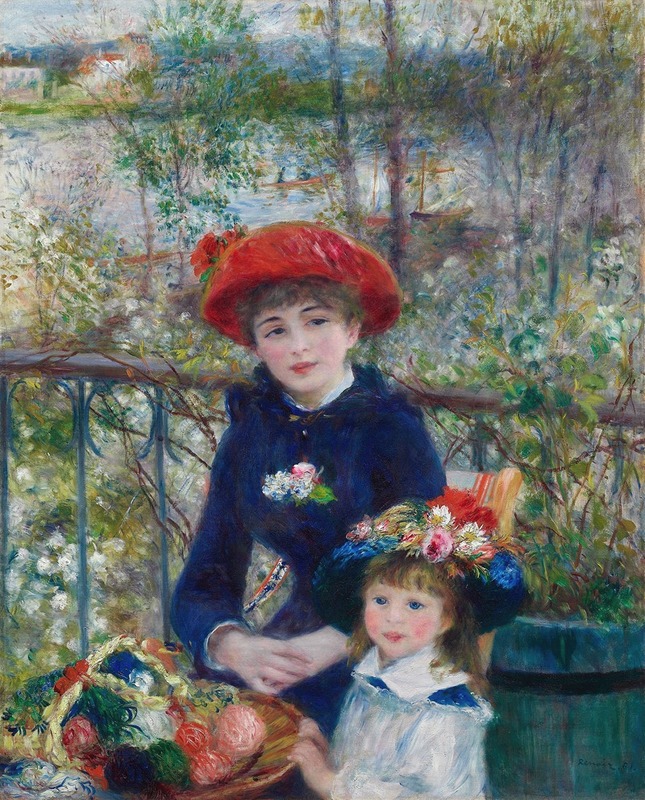
Two Sisters (On the Terrace)
Pierre-Auguste Renoir
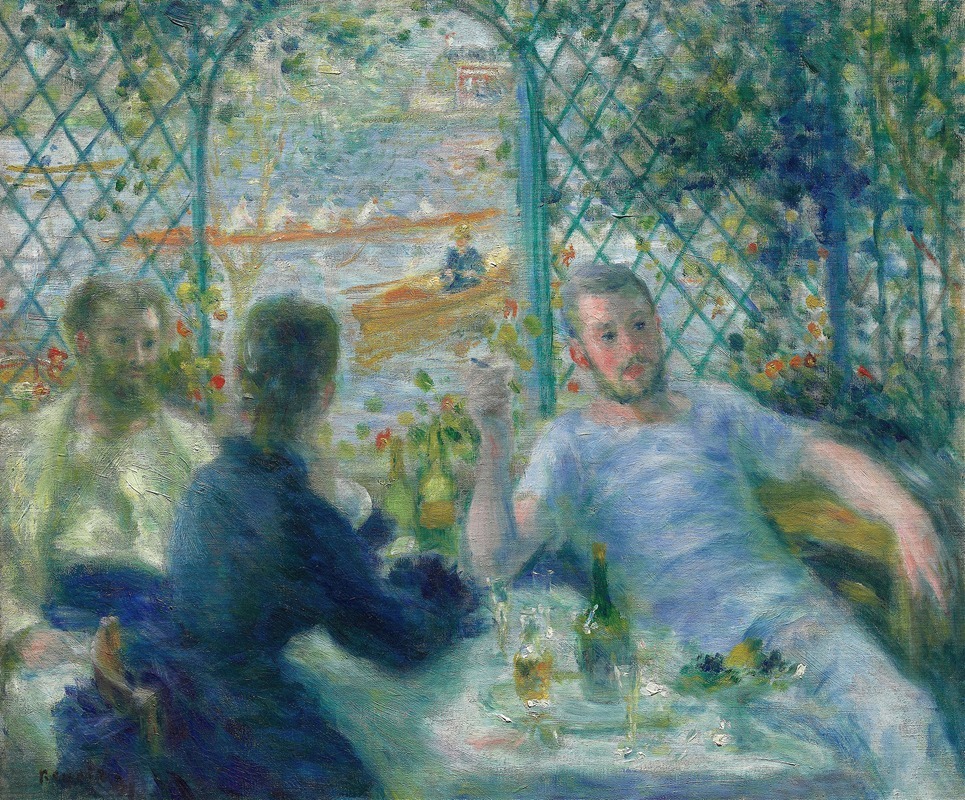
Lunch at the Restaurant Fournaise (The Rowers' Lunch)
Pierre-Auguste Renoir
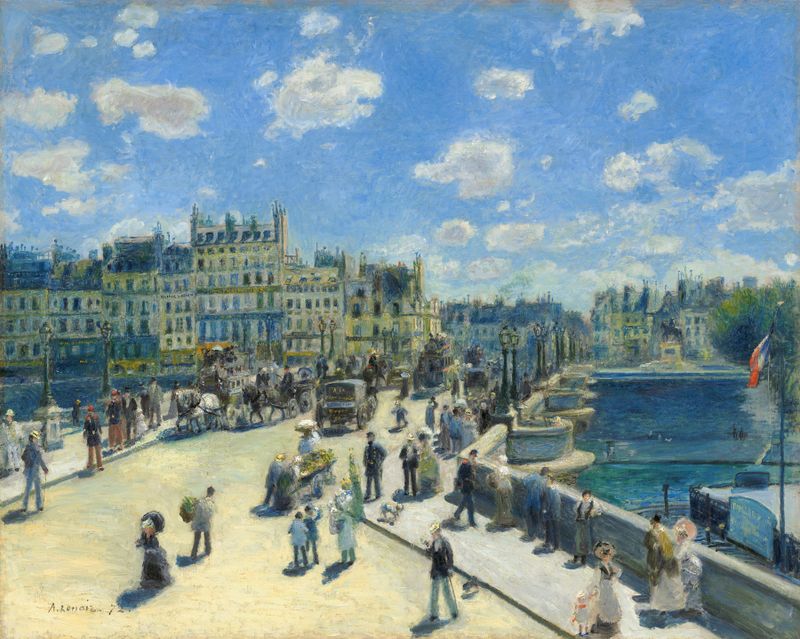
Pont Neuf, Paris
Pierre-Auguste Renoir
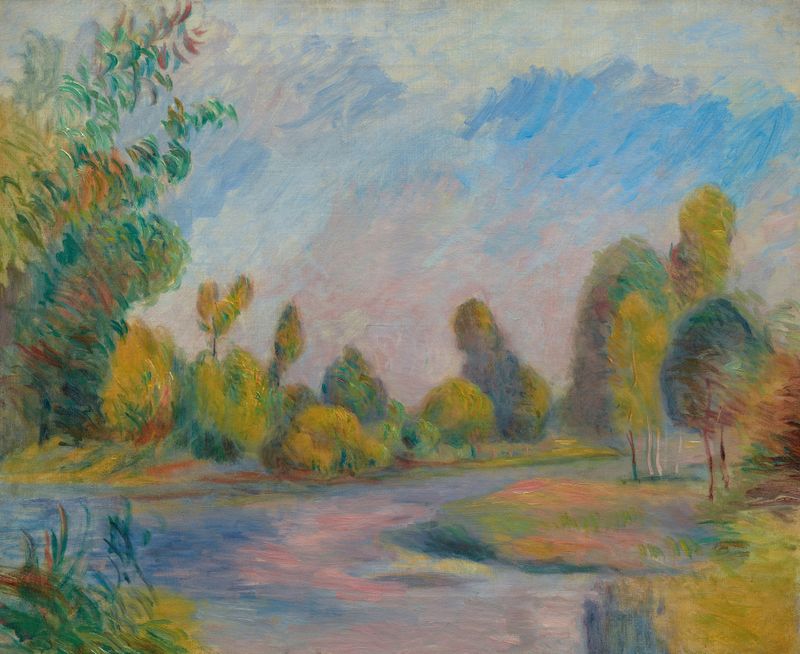
Au bord de la rivière
Pierre-Auguste Renoir

Near the Lake
Pierre-Auguste Renoir
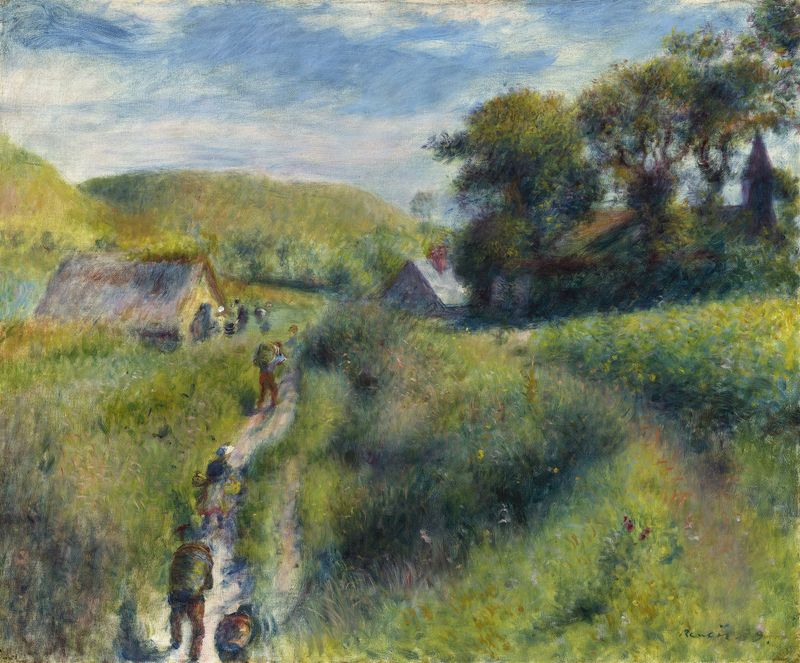
The Mussel Harvest
Pierre-Auguste Renoir

The Seine at Chatou
Pierre-Auguste Renoir
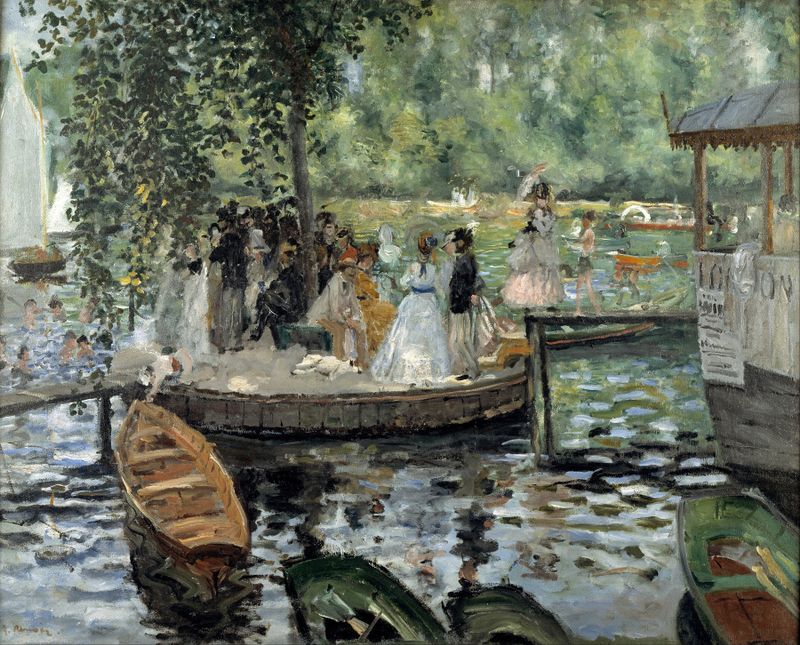
La Grenouillère
Pierre-Auguste Renoir
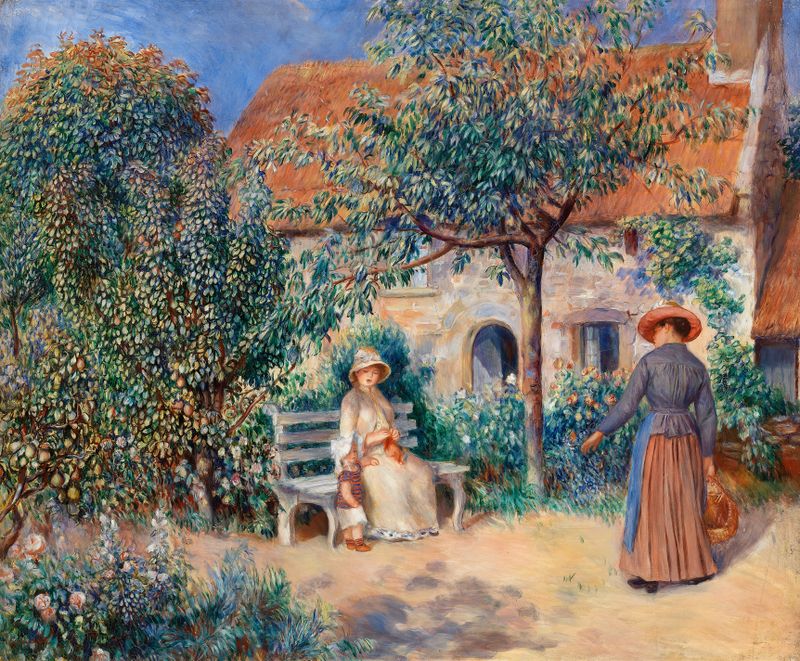
In Brittany (En Bretagne)
Pierre-Auguste Renoir
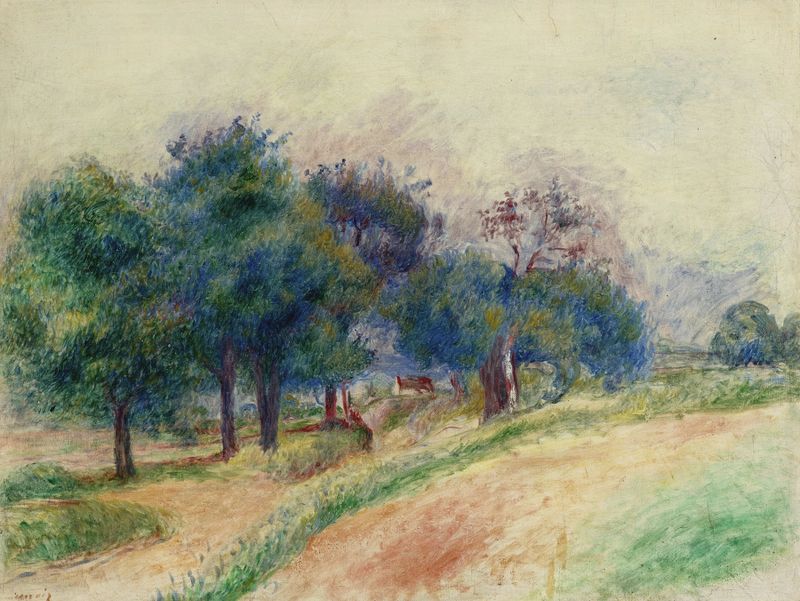
Paysage d’Essoyes
Pierre-Auguste Renoir





