
Paysage — History & Facts
Can beauty exist without sorrow? In Paysage, a serene landscape invites contemplation, merging tranquility with a sense of deep reflection that lingers long after the first glance. Look to the foreground where soft, brushstrokes of greens and yellows form a lush meadow, inviting the viewer's gaze to wander. Notice how the light dances upon the blades of grass, illuminating their vibrancy against a backdrop of tranquil blues and whites. The composition, balanced yet dynamic, draws the eye toward a distant horizon, where the sky seamlessly melds into the earth, symbolizing both connection and distance. As you delve deeper into the canvas, subtle contrasts emerge: the lively colors of nature juxtaposed against the stillness of the scene evoke a bittersweet nostalgia.
Hidden within the layers of paint are fleeting moments of life – a hint of shadow suggesting the passage of time and the inevitability of change. Each stroke carries with it a whisper of the beauty that can only be appreciated in the face of impermanence, reflecting the artist's own journey through joy and melancholy. At the time Paysage was created in 1905, Renoir was in the later years of his life, grappling with health issues but still fervently dedicated to his craft. Living in the South of France, he was immersed in the vibrant art community, capturing the essence of the countryside with an unwavering passion.
This work embodies the culmination of a lifetime spent exploring the interplay of light, color, and emotion, showcasing his mastery in evoking beauty intertwined with the complexities of existence.
More Artworks by Pierre-Auguste Renoir
Browse all →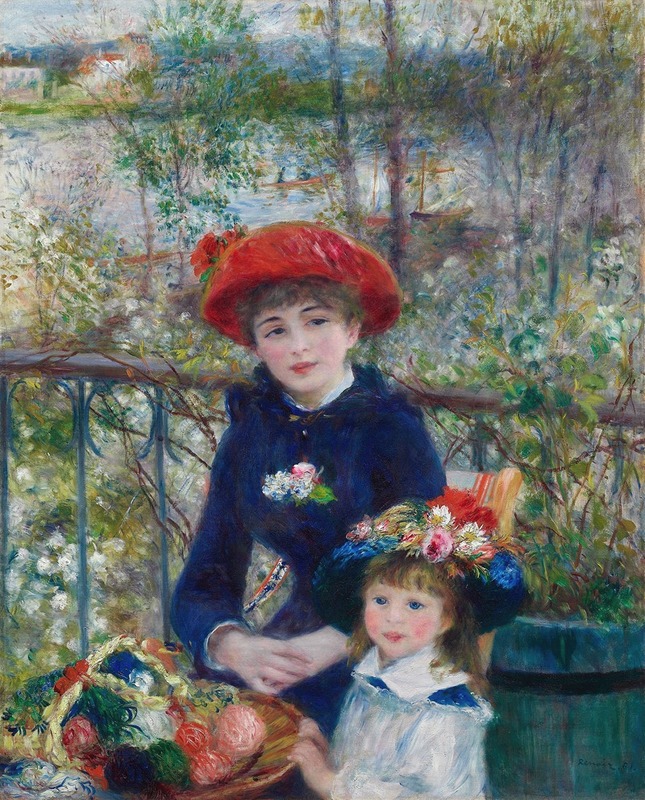
Two Sisters (On the Terrace)
Pierre-Auguste Renoir
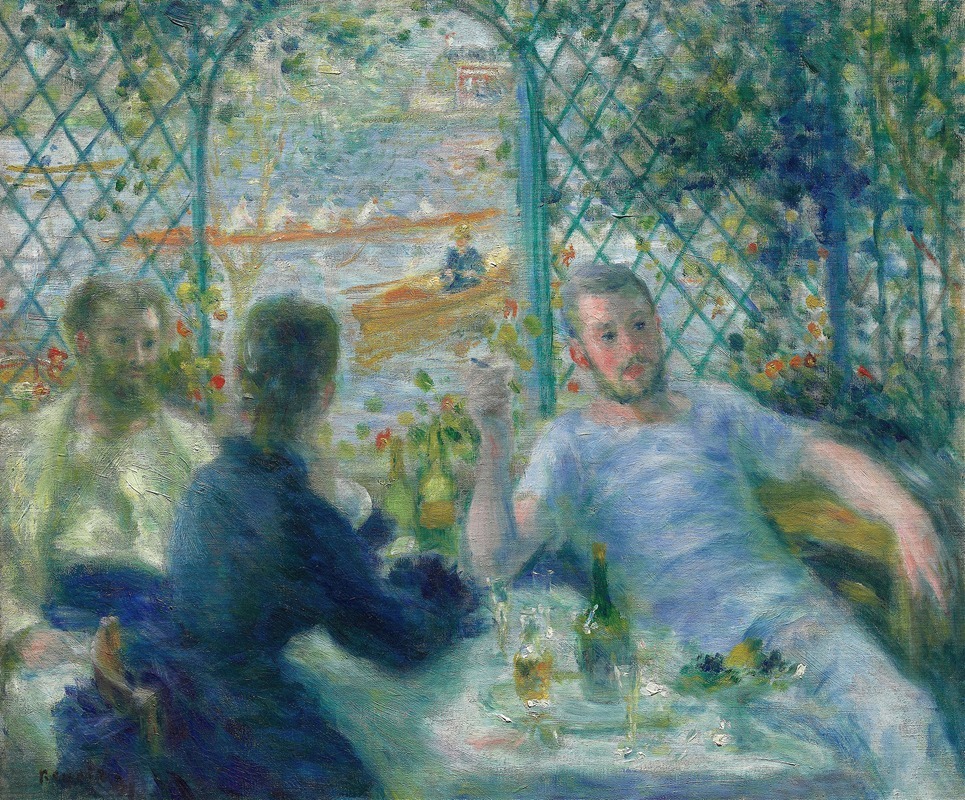
Lunch at the Restaurant Fournaise (The Rowers' Lunch)
Pierre-Auguste Renoir
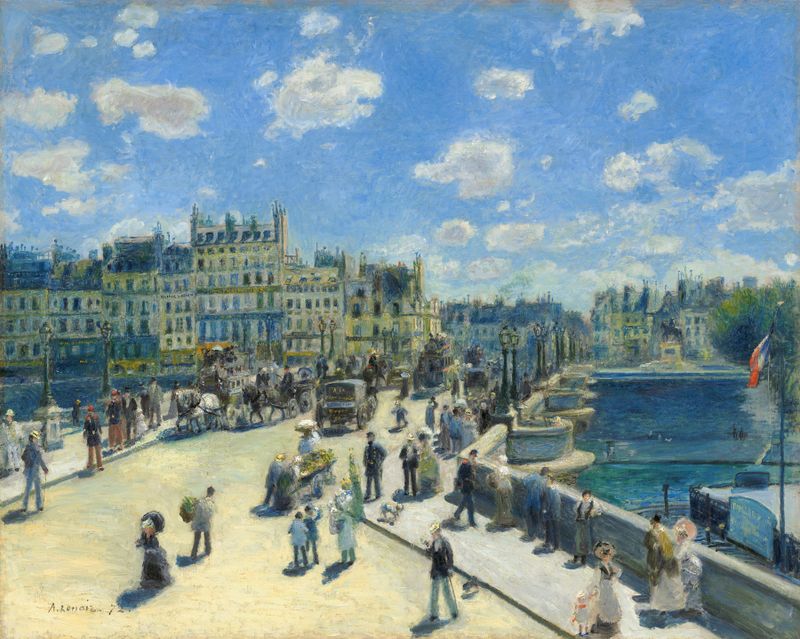
Pont Neuf, Paris
Pierre-Auguste Renoir
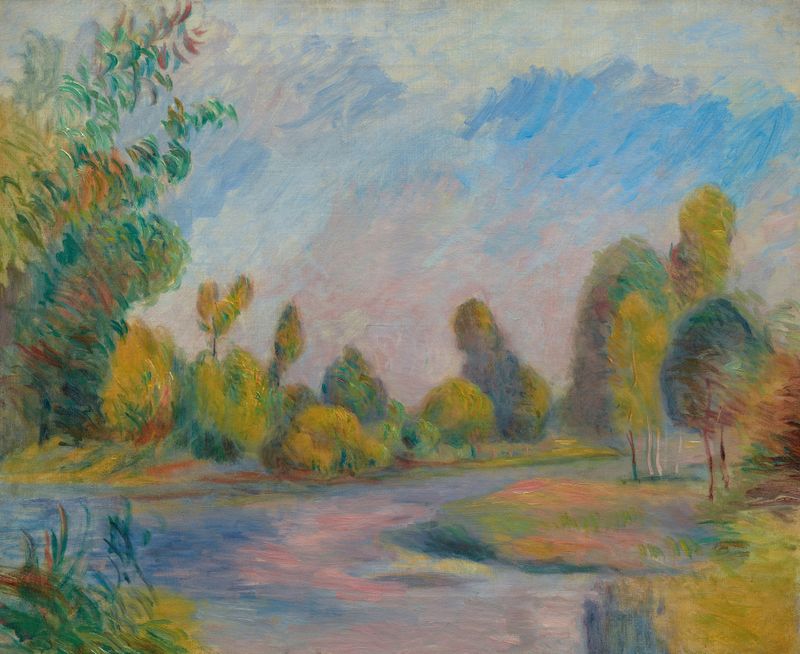
Au bord de la rivière
Pierre-Auguste Renoir

Near the Lake
Pierre-Auguste Renoir
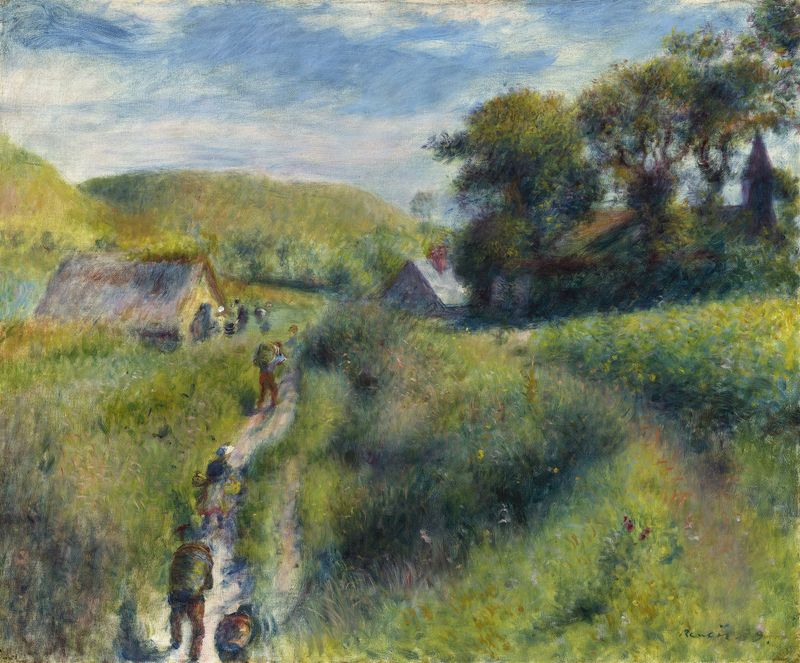
The Mussel Harvest
Pierre-Auguste Renoir

The Seine at Chatou
Pierre-Auguste Renoir
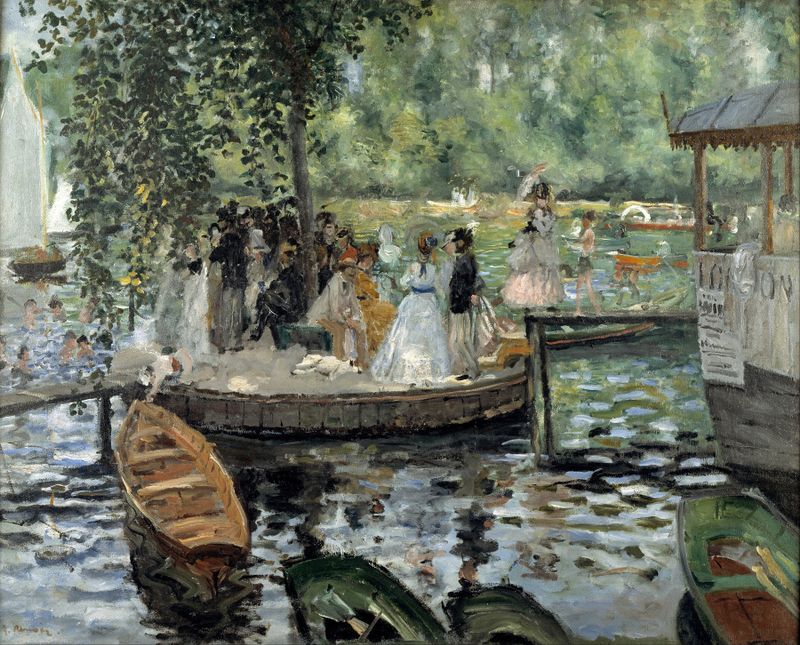
La Grenouillère
Pierre-Auguste Renoir
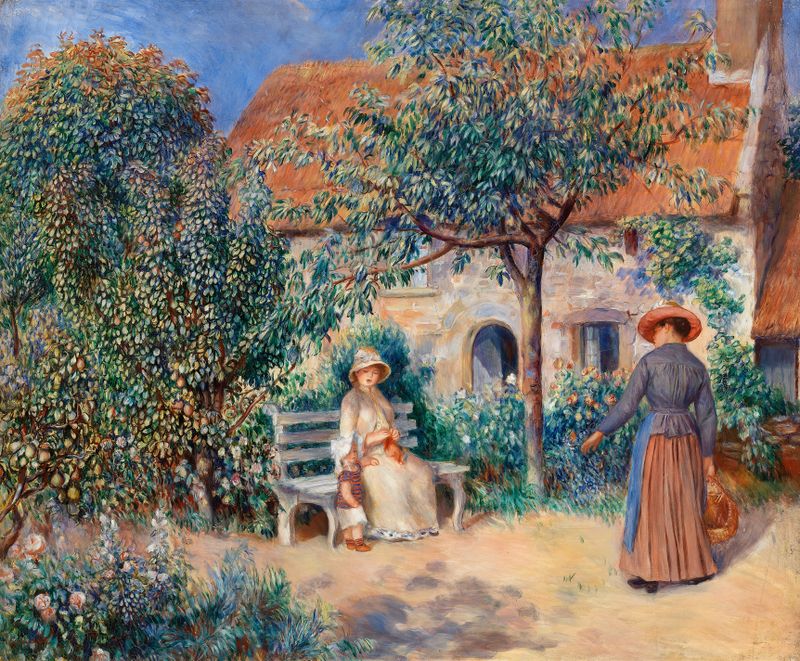
In Brittany (En Bretagne)
Pierre-Auguste Renoir
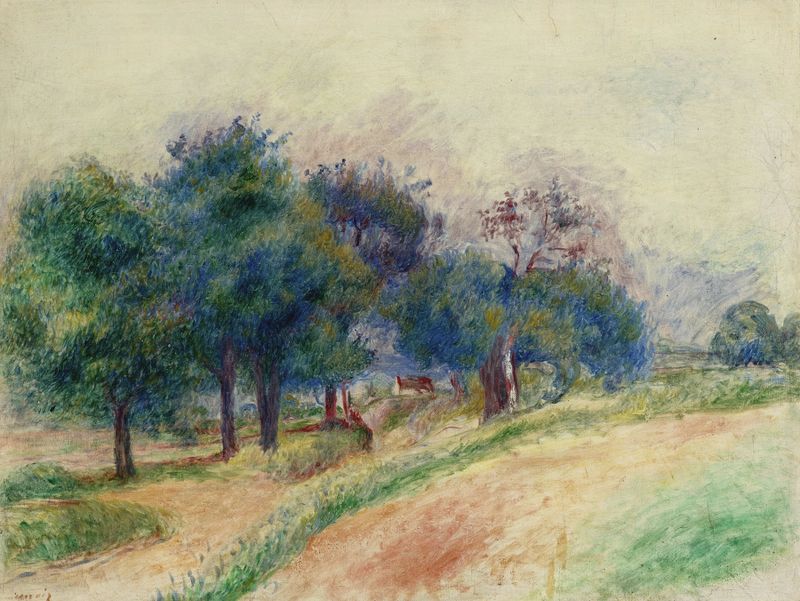
Paysage d’Essoyes
Pierre-Auguste Renoir





