
Paysage — History & Facts
Can beauty exist without sorrow? In Paysage, the lush landscape whispers secrets of tranquility, yet hints at an underlying ache that threads through nature’s vibrancy. Look to the left at the gentle undulations of the hills, painted in soft greens and yellows that beckon warmth. The brushstrokes, a cascade of lively dabs and flicks, create a rhythmic pattern that draws the eye across the canvas. Notice how the light filters through the leaves, casting dappled shadows on the ground below, contrasting the vivid hues of the foliage with the muted earth tones.
This interplay of light and color invites viewers into a serene yet complex embrace. Beneath the serene surface lies an emotional resonance; the idyllic scene serves as a poignant reminder of loss and absence. The lushness around evokes the fleeting nature of beauty, suggesting that every vibrant bloom must eventually fade. The haze of the distant horizon hints at things unsaid, a reminder of moments passed and the sorrow entwined with appreciation.
This duality reflects the artist's understanding of life—a celebration and a mourning interwoven, echoing the transient joys that define human experience. In 1900, Renoir painted Paysage while living in a period of transition in his life, both personally and within the art world. He had recently settled in a new home in the south of France, where he found renewed inspiration in the natural surroundings. Amidst the flourishing Impressionist movement, he faced personal trials, particularly with his health, leading to a rich exploration of beauty tinged with melancholy, evident in this evocative work.
More Artworks by Pierre-Auguste Renoir
Browse all →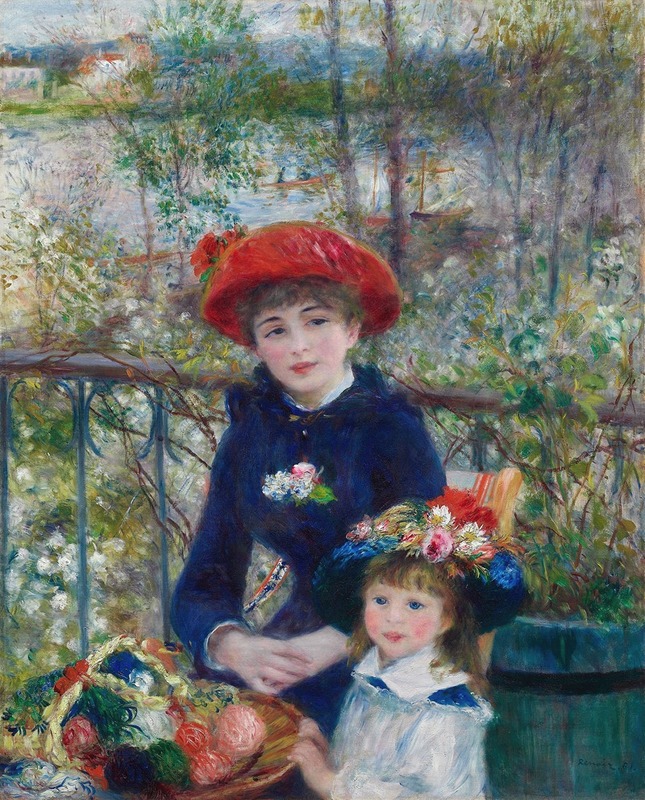
Two Sisters (On the Terrace)
Pierre-Auguste Renoir
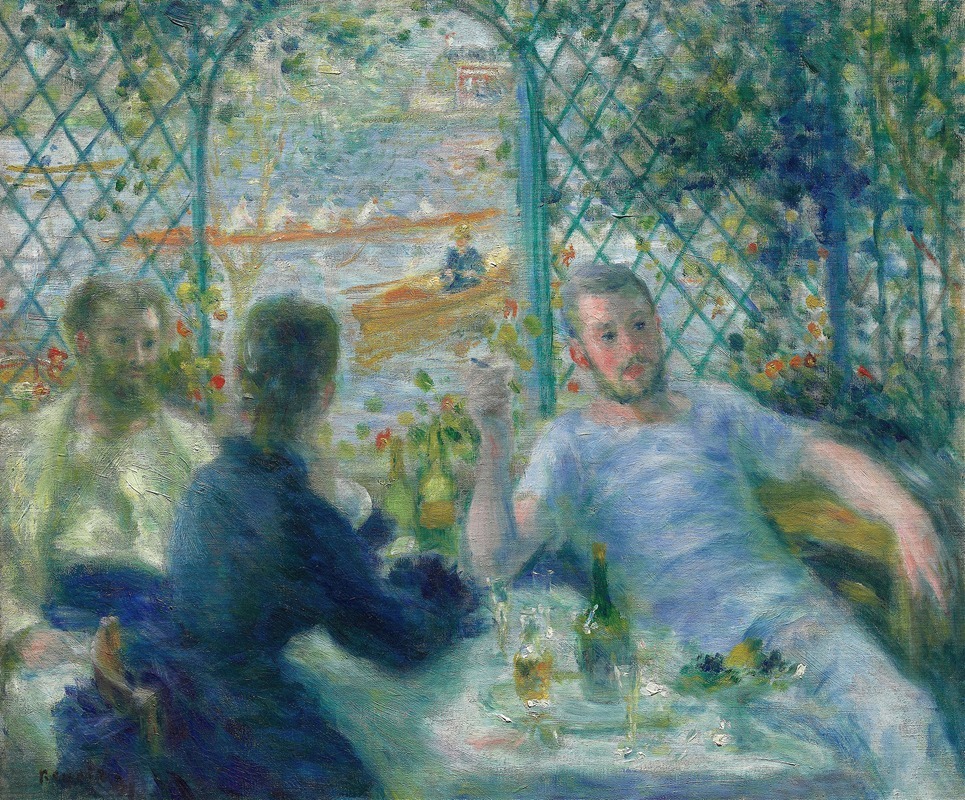
Lunch at the Restaurant Fournaise (The Rowers' Lunch)
Pierre-Auguste Renoir
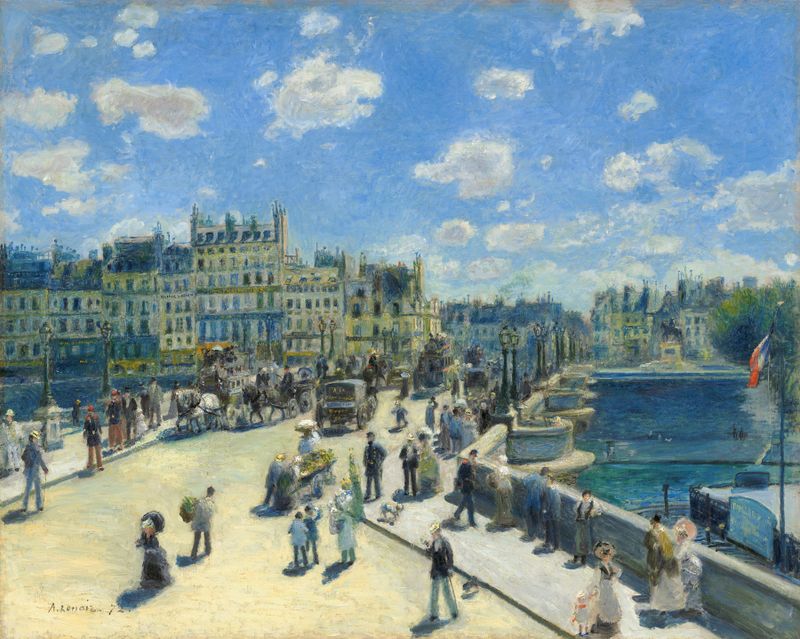
Pont Neuf, Paris
Pierre-Auguste Renoir
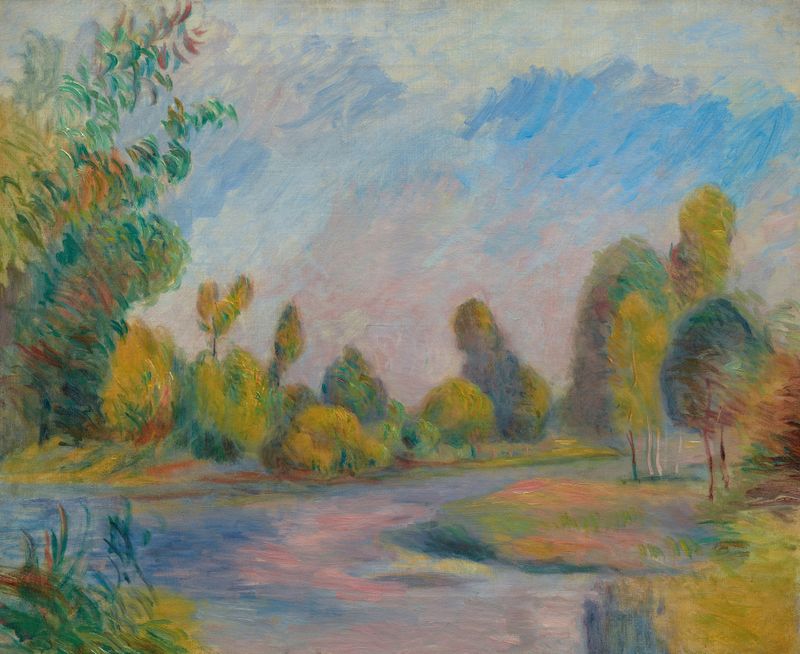
Au bord de la rivière
Pierre-Auguste Renoir

Near the Lake
Pierre-Auguste Renoir
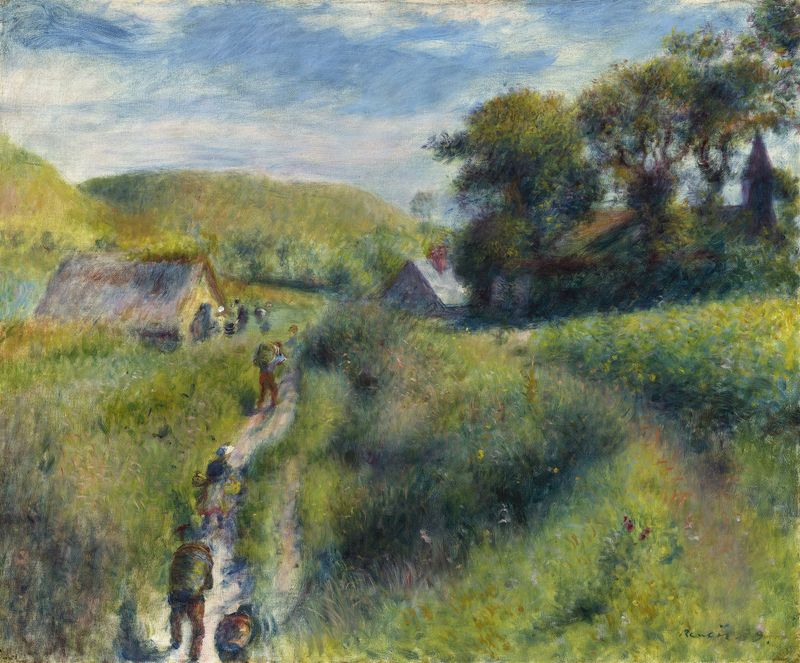
The Mussel Harvest
Pierre-Auguste Renoir

The Seine at Chatou
Pierre-Auguste Renoir
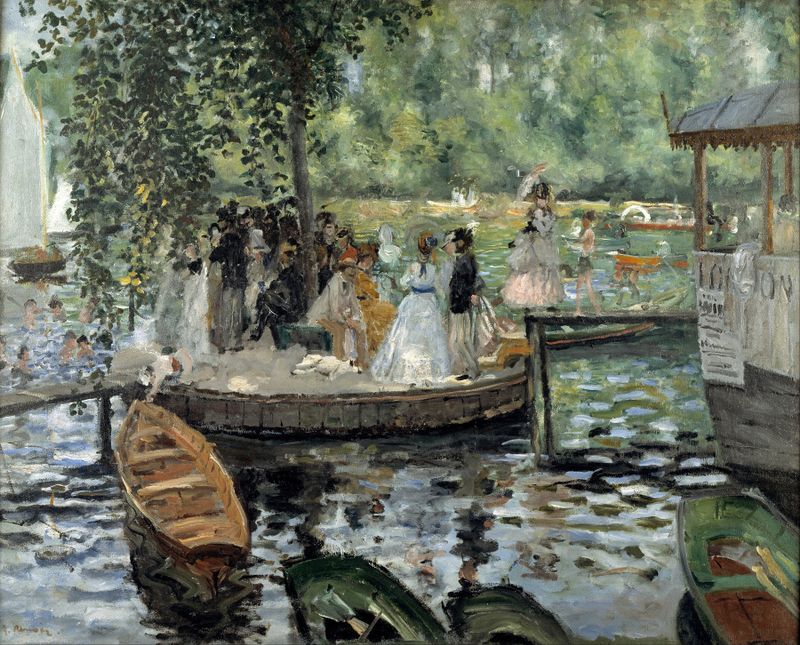
La Grenouillère
Pierre-Auguste Renoir
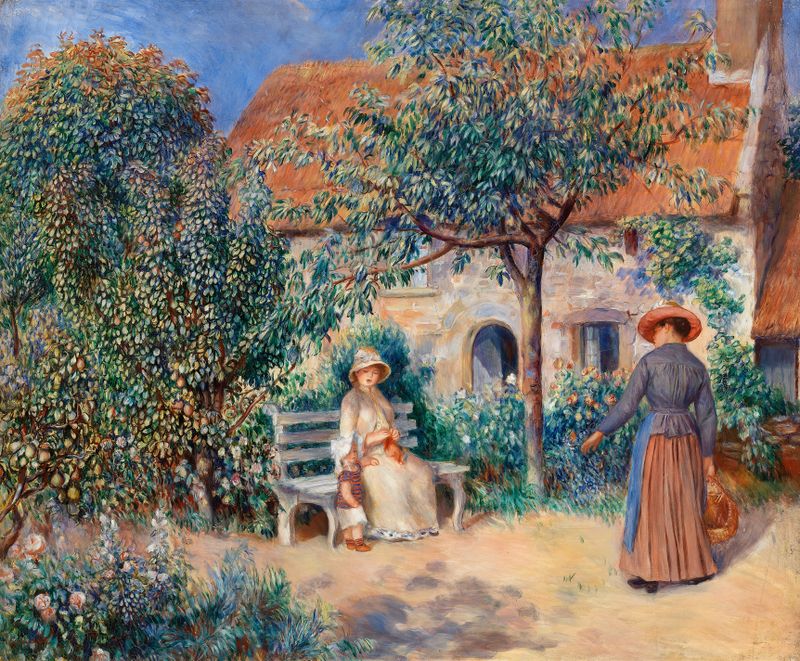
In Brittany (En Bretagne)
Pierre-Auguste Renoir
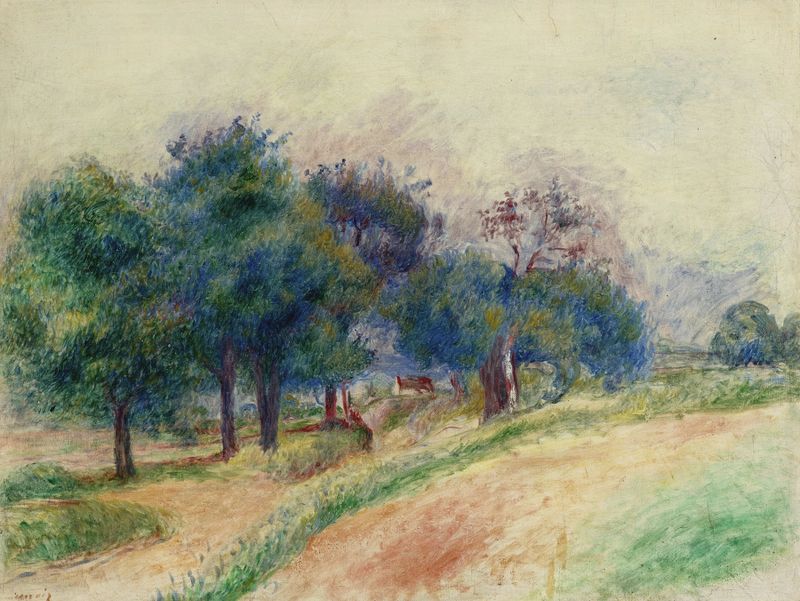
Paysage d’Essoyes
Pierre-Auguste Renoir





