
Paysage — History & Facts
This thought lingers as one contemplates the delicate balance between nature’s allure and the fragility of existence in the 20th century. It reveals layers of revelation hidden beneath the surface of tranquility. Focus on the rich, sweeping strokes that define the landscape. Look to the horizon where the warm hues blend seamlessly into the sky, suggesting both dawn and dusk.
Notice how the vibrant greens of the foliage contrast sharply with the muted browns of the earth, reflecting the duality of life’s vitality and decay. The gentle curves of the hills draw the eye, guiding the viewer into a serene yet silent narrative, inviting introspection. Delve deeper, and one uncovers the emotional tensions present in the simplicity of the scene. The interplay between light and shadow creates an almost melancholic atmosphere, hinting at the passage of time.
A solitary tree stands tall, its gnarled branches telling stories of resilience amidst the inevitable cycle of nature’s beauty and its transient nature. Here, the artist masterfully captures a sense of revelation, urging the viewer to confront the ephemeral quality of life. In this period of the 20th century, Armand Apol was exploring the contrasts of reality and idealism within his art. Working in relative obscurity, he sought to encapsulate the essence of human emotion and nature's splendor.
As the world around him faced upheaval, his secluded landscapes served as a refuge — a testament to the enduring power of beauty, even amidst chaos.
More Artworks by Armand Apol
Browse all →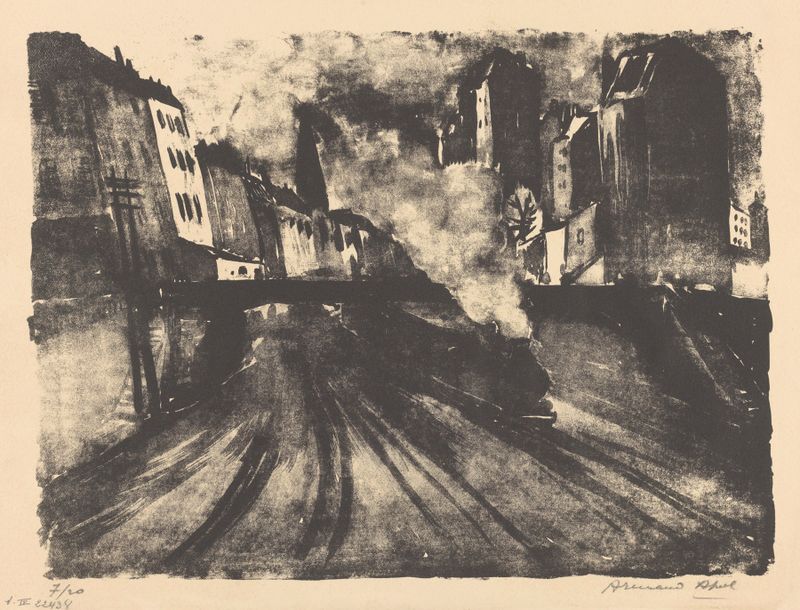
Chemin de fer de ceinture à Paris
Armand Apol
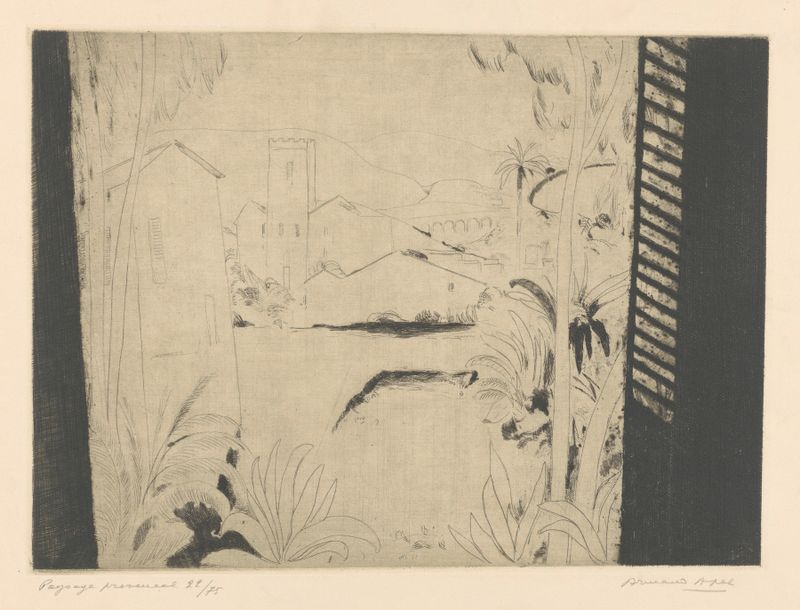
Paysage provençal
Armand Apol
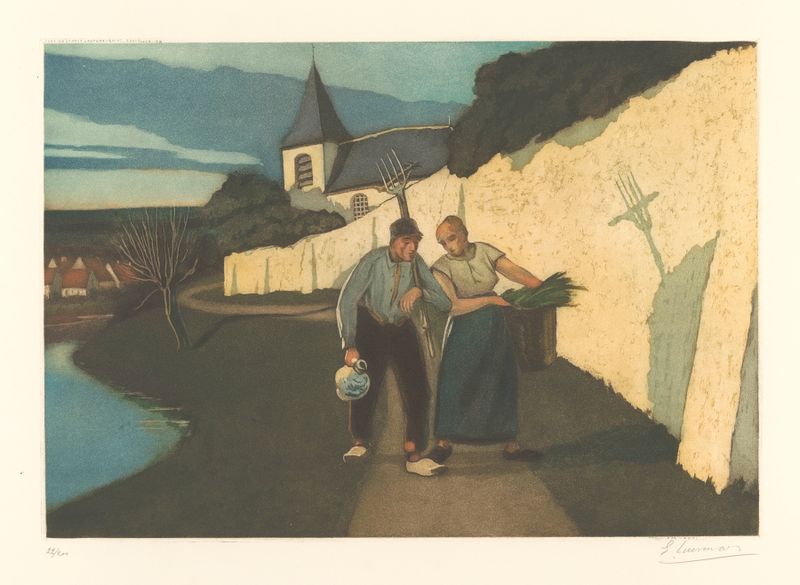
Retour des champs
Armand Apol
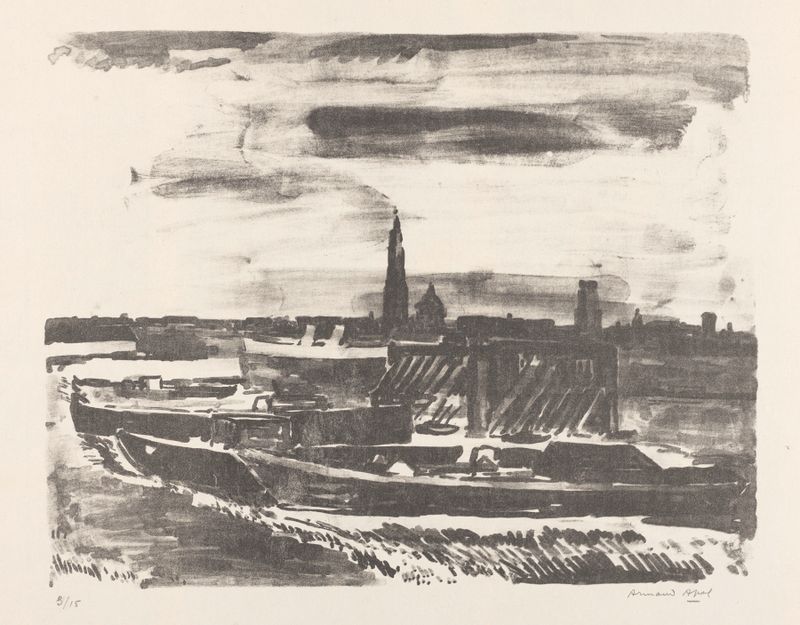
Bateaux à quai à Anvers
Armand Apol
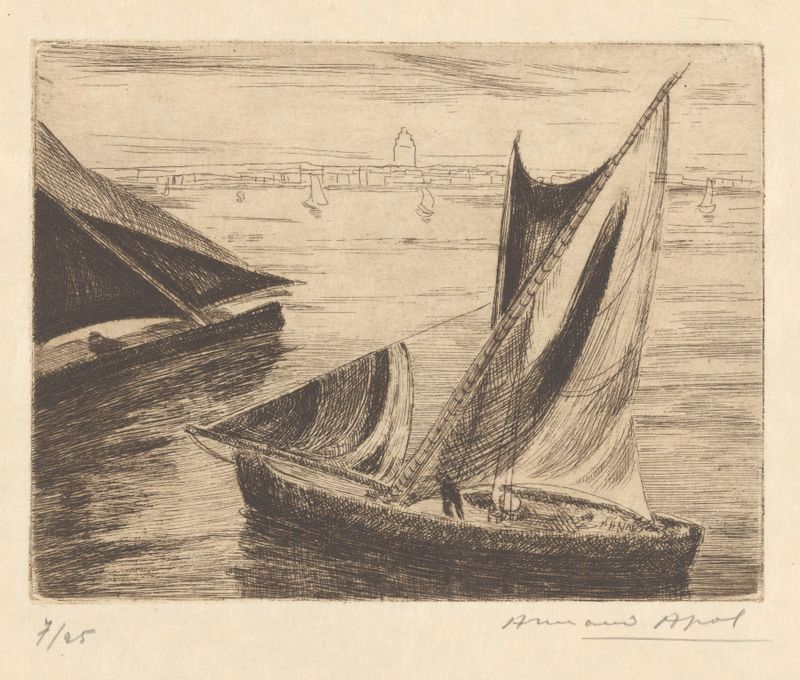
Marseille. Tartanes
Armand Apol
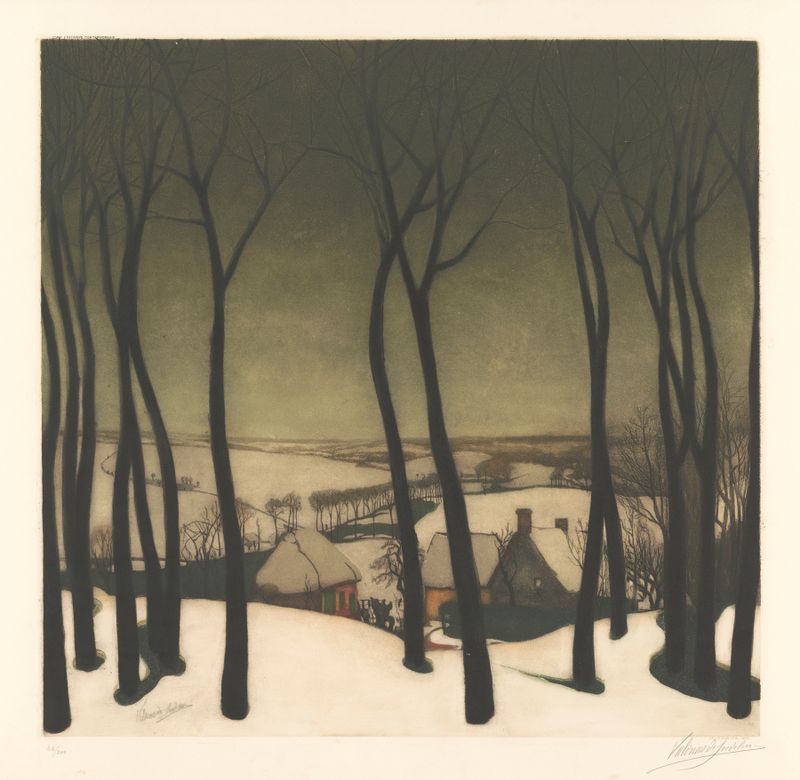
Paysage
Armand Apol
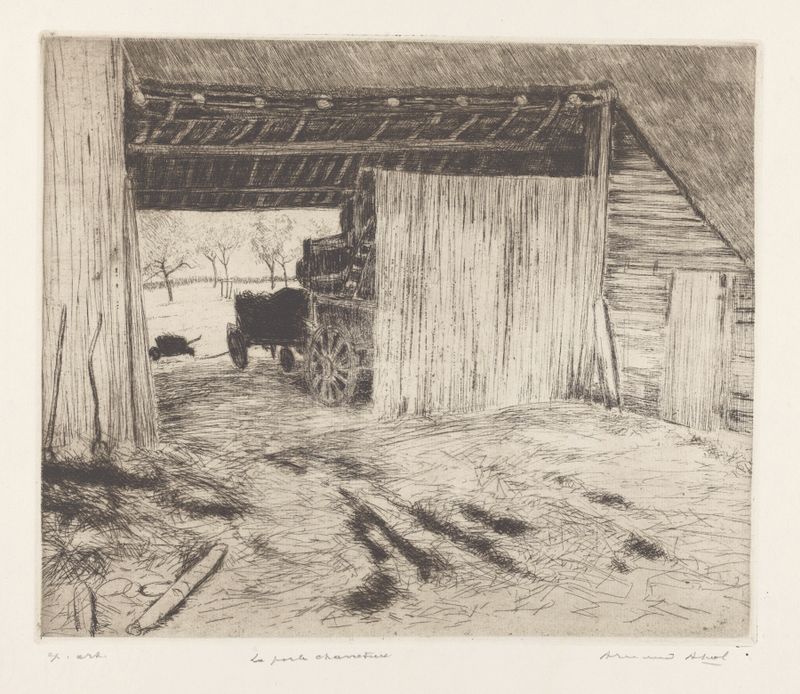
La porte charretière
Armand Apol
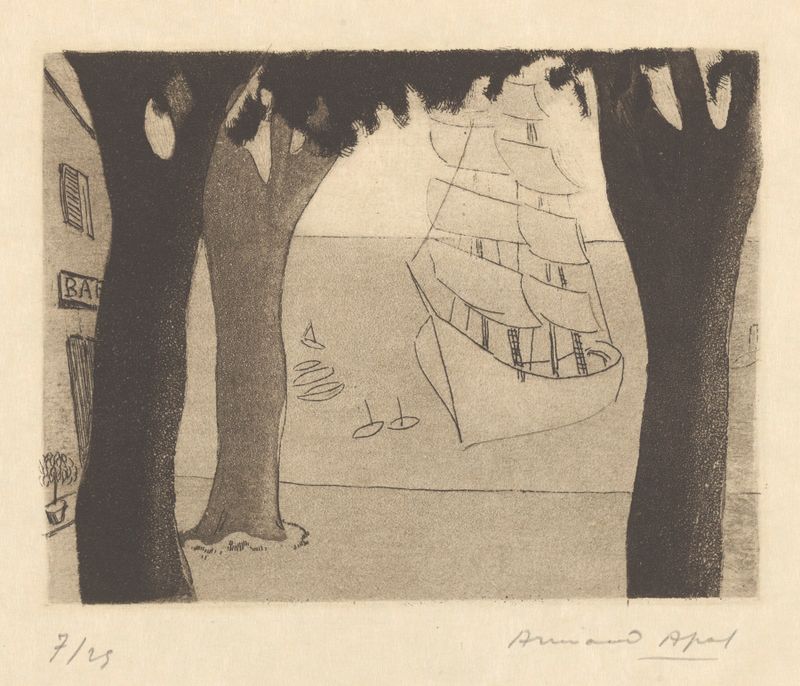
Cassis. Vue sur le port
Armand Apol
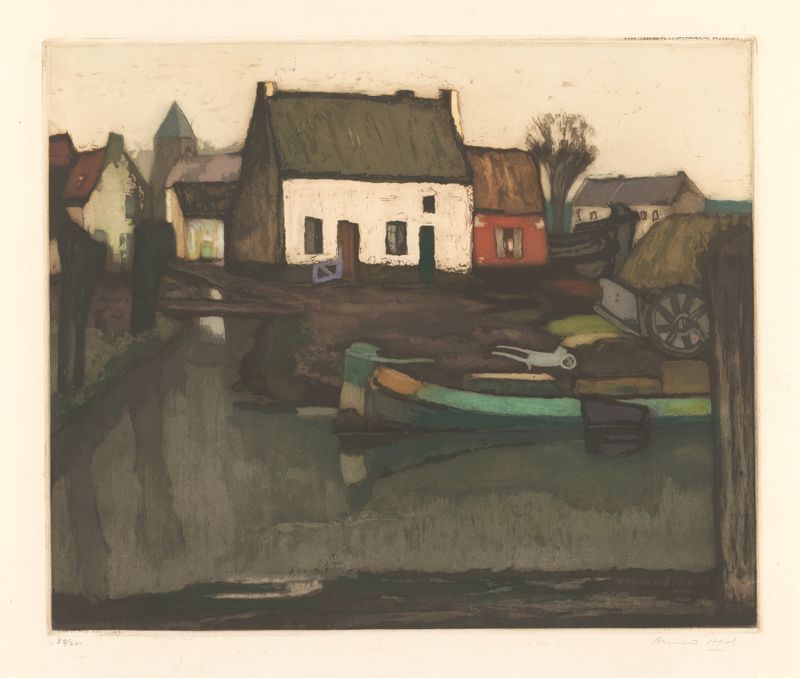
Bord du canal
Armand Apol
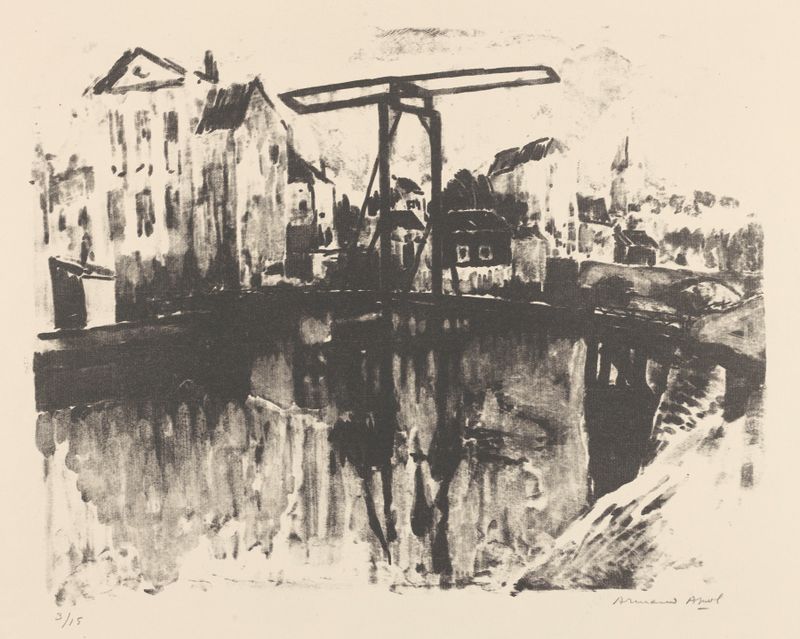
Pont basculant dans une ville
Armand Apol





