
Paysage Aux Deux Rochers — History & Facts
In a world often shrouded in the haze of fleeting moments, art emerges as a timeless whisper, inviting us to awaken to the beauty and solitude surrounding us. Look to the left at the billowing clouds, their soft, muted grays and blues blending seamlessly into the sky, creating a serene backdrop. The two rocks stand resolute against this ethereal canvas, their earthy tones exuding a weighty permanence. The gentle brushwork captures the dappling light as it dances over the textured surfaces, suggesting movement and life within the stillness of nature. Amidst the tranquil scenery lies a profound contrast—the steadfastness of the rocks against the transitory nature of the clouds.
This juxtaposition speaks to the duality of existence, where permanence and impermanence coexist. Shadows stretch long across the ground, hinting at the passage of time, while the vibrant colors evoke a sense of awakening, as if the landscape breathes anew with each glance. In 1901, the artist painted this piece during a period of exploration within the art world, navigating through post-impressionism. Living in France, Brokman was influenced by the evolving styles around him while reflecting a personal journey toward deeper emotional engagement with his subjects.
This work captures not only a moment in nature but also a significant shift in his artistic voice, as he sought to balance tranquility with the rush of modern life.
More Artworks by Henry Brokman

Côte De Sorrente, Bleu Et Argent
Henry Brokman
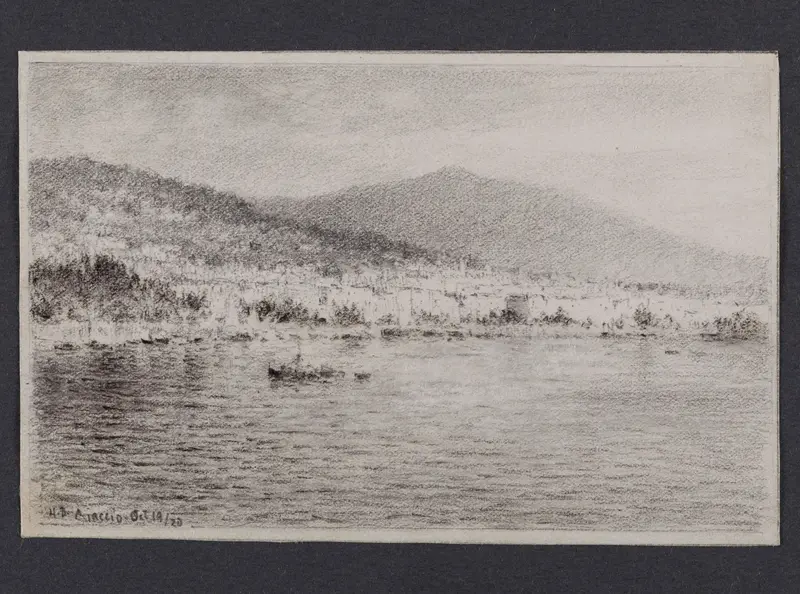
Ajaccio
Henry Brokman
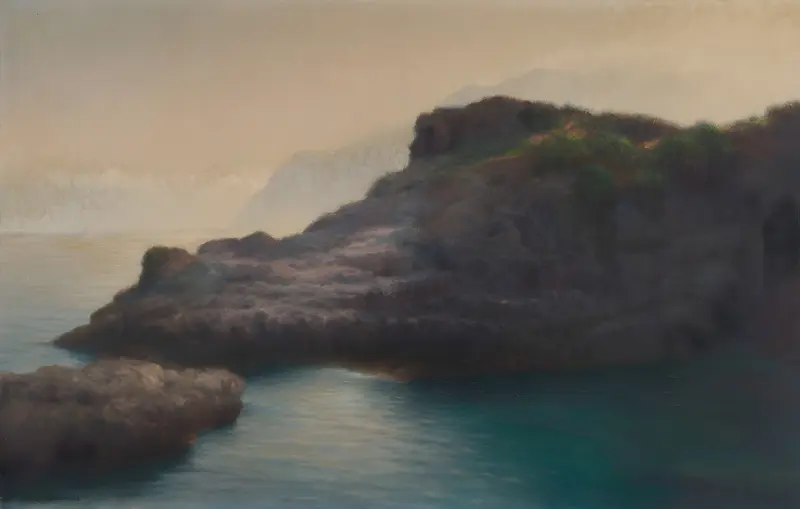
Cap de Sorrente
Henry Brokman
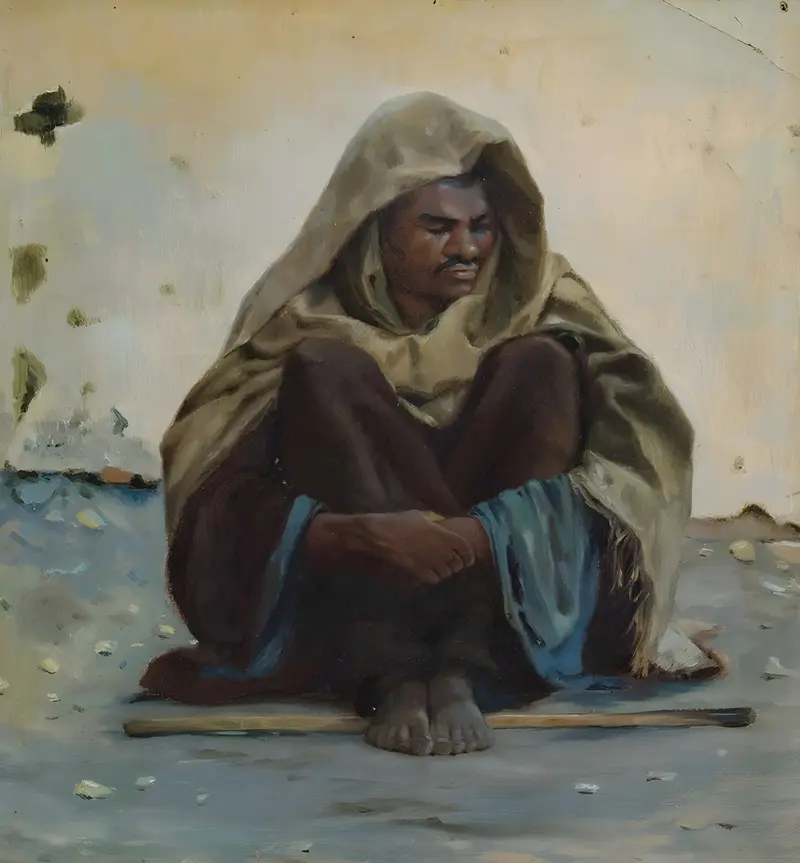
Arabe assis de face
Henry Brokman
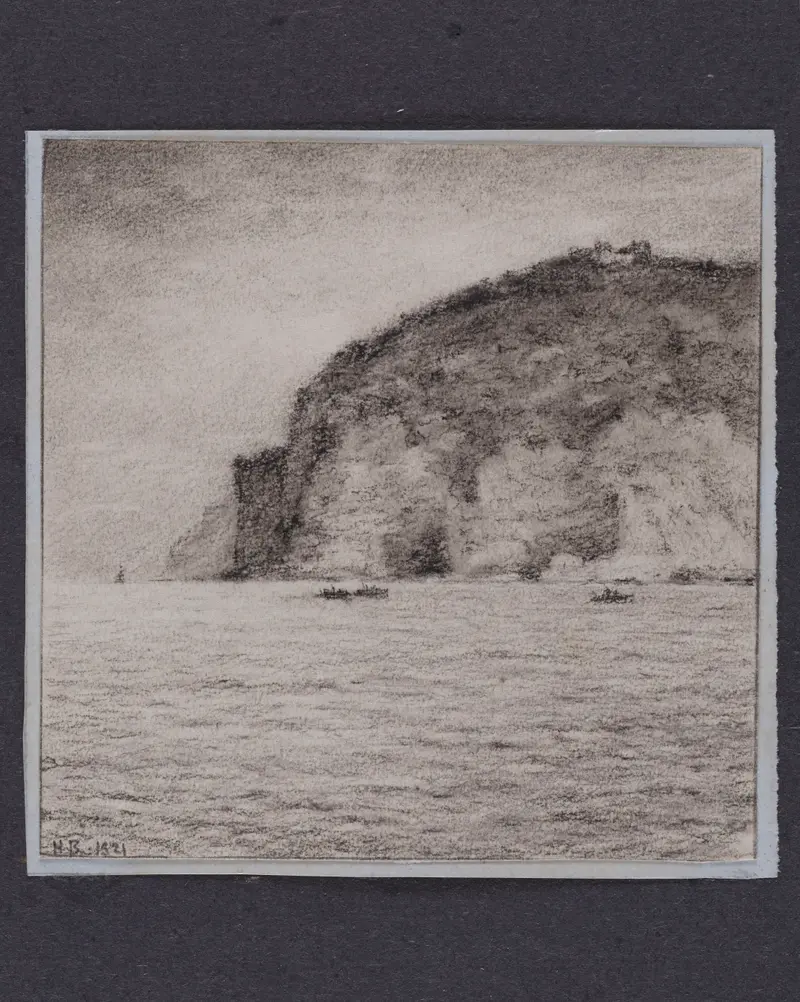
Scutolo l’après-midi
Henry Brokman
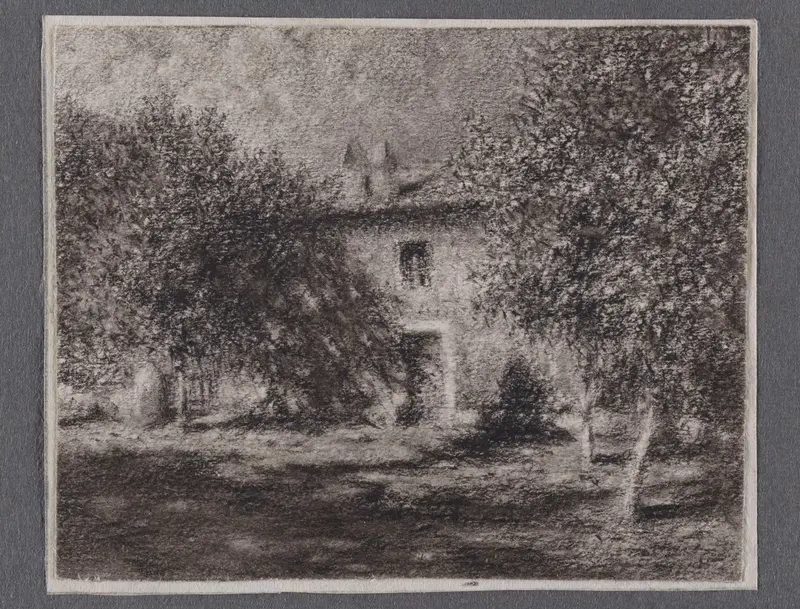
Maison à travers les arbres, dit aussi Maison à Piana (Corse)
Henry Brokman
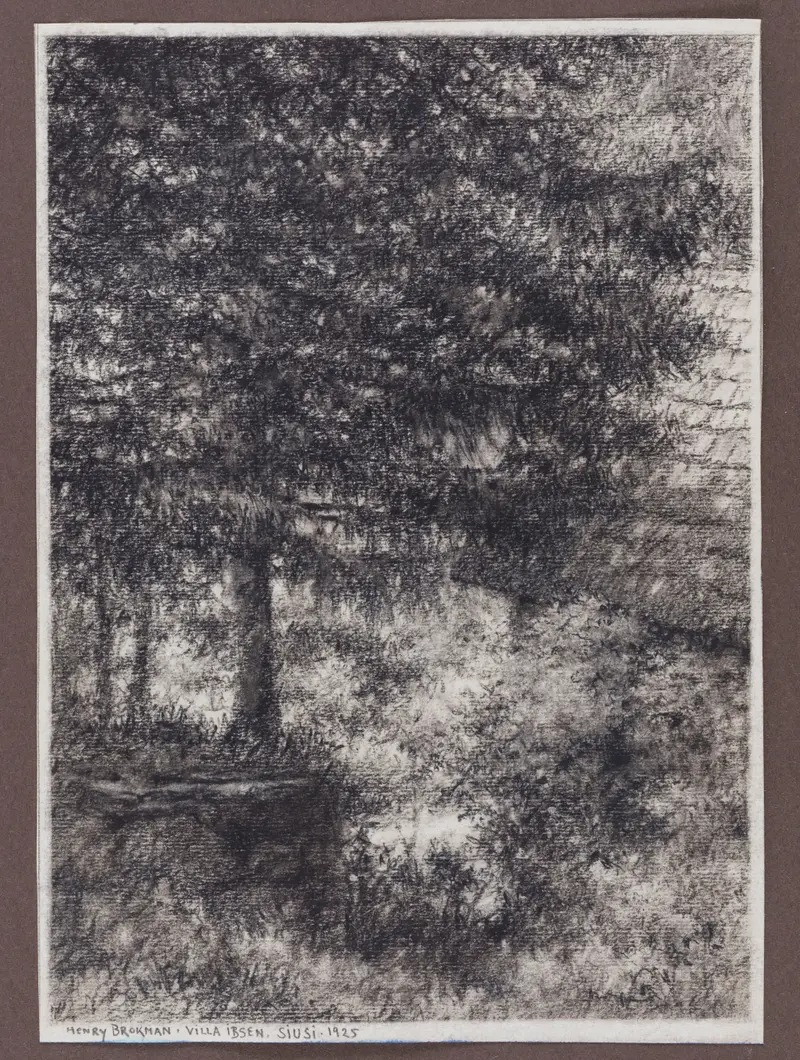
Villa Ibsen, Siusi
Henry Brokman
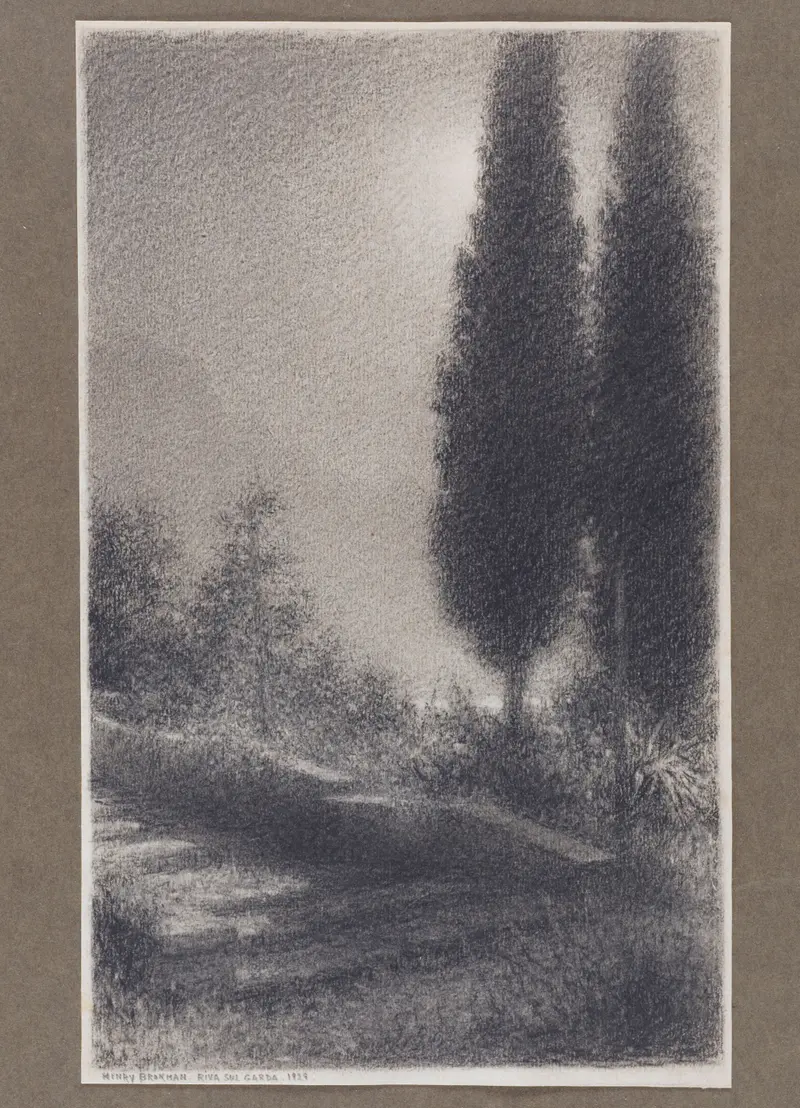
Rive du lac Garde
Henry Brokman
Cap de Sorrente
Henry Brokman
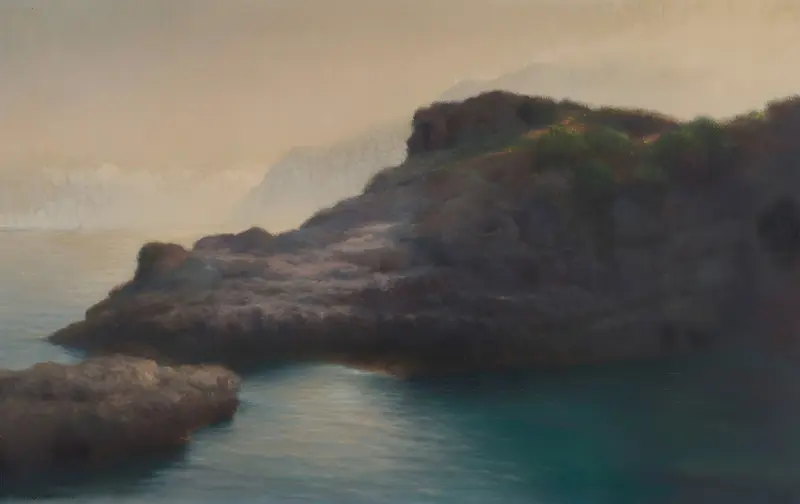
Cap De Sorrente
Henry Brokman
More Landscape Art

Starry Night
Vincent van Gogh

View of Delft
Johannes Vermeer

Water Lilies
Claude Monet

The Grand Canal, Venice, looking north-west from the Ca' Corner to the Ca' Contarini degli Scrigni, with the campanile of Santa Maria della Carità
Canaletto

Windsor Castle
Canaletto

The Grand Canal looking North-East from the Palazzo Dolfin-Manin to the Rialto Bridge
Canaletto