
Paysage Breton — History & Facts
Where does light end, and longing begin? In the quiet folds of Paysage Breton, a transformation unfolds — a gentle interplay between land and sky that invites contemplation and nostalgia. Look to the horizon, where a soft blend of blues and grays creates a serene backdrop, pulling the eye toward the distant coastline. The brushwork is loose yet deliberate, suggesting movement in the clouds and the undulating sea. The foreground, rich with earthy greens and browns, provides a grounding contrast to the ethereal expanse above.
Notice how the light dances across the surface of the water, reflecting the sky's palette while simultaneously beckoning us to wander deeper into this idyllic landscape. Within the simplicity of the scene lies a profound emotional tension. The juxtaposition of the bright, illuminated clouds against the darker shoreline evokes a sense of longing, a yearning for connection with the transcendent beauty of nature. The scattered patches of light seem to transform the landscape, hinting at the fleeting moments of joy amid shadows of solitude.
Each detail, from the gentle rise of the grass to the distant sails on the horizon, contributes to the painting's overarching theme of transformation — both of the land and the viewer's emotional state. During the years 1867 to 1870, Eugène Boudin painted Paysage Breton in the coastal regions of Brittany, a time when he was deeply influenced by the evolving Impressionist movement. He sought to capture the atmospheric effects of light and the transient beauty of nature, breaking away from the rigid constraints of traditional landscape painting. This period marked a significant shift in his artistic journey, as he began to embrace the spontaneity that would later define the works of his contemporaries.
More Artworks by Eugène Boudin
Browse all →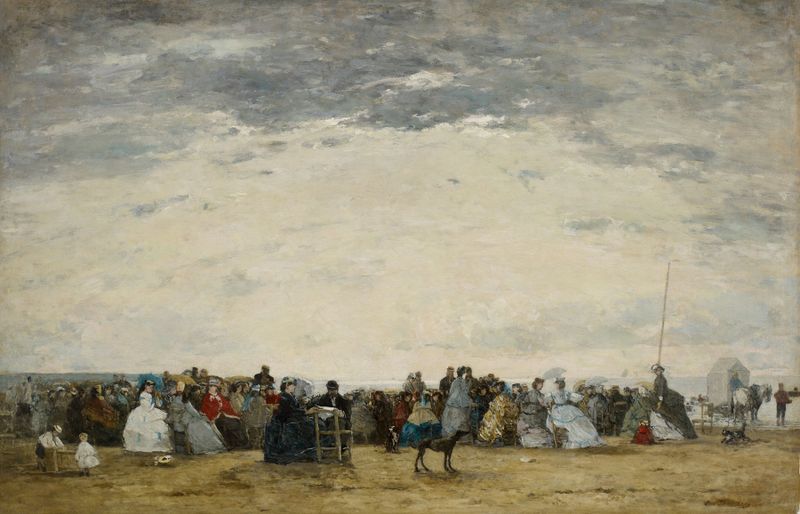
Vacationers on the Beach at Trouville
Eugène Boudin

Washerwoman near Trouville
Eugène Boudin
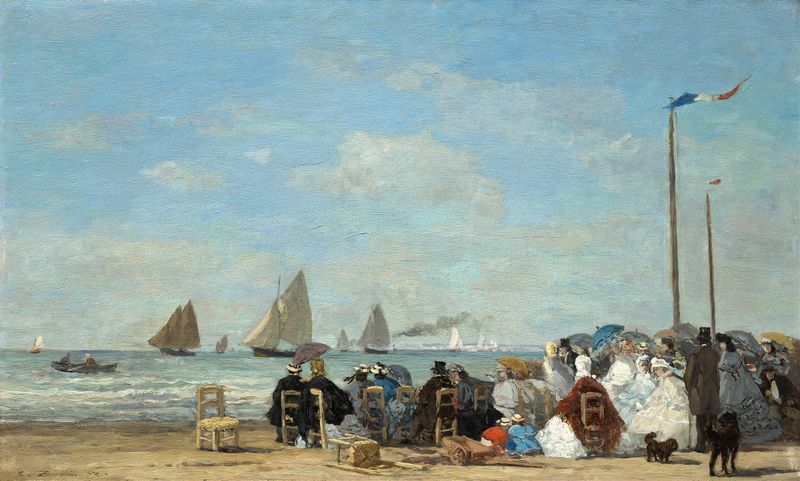
Beach Scene at Trouville
Eugène Boudin

Port aux environs d’Honfleur
Eugène Boudin

Le Faou, un coin du village
Eugène Boudin
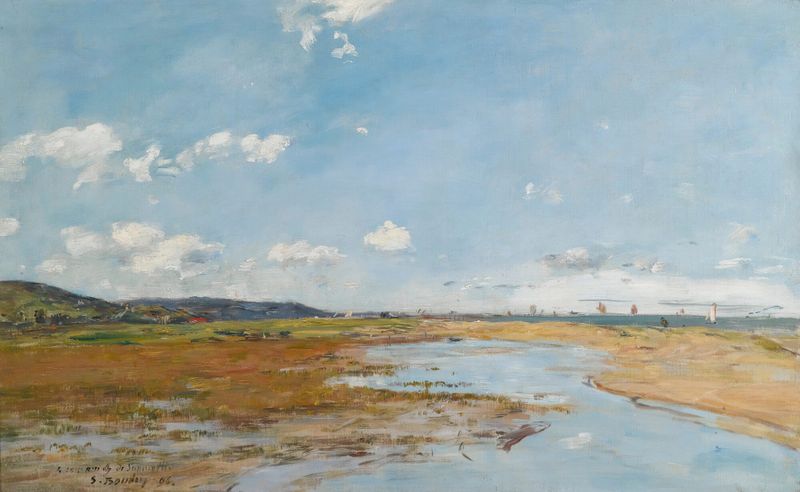
Deauville. Le Rivage
Eugène Boudin
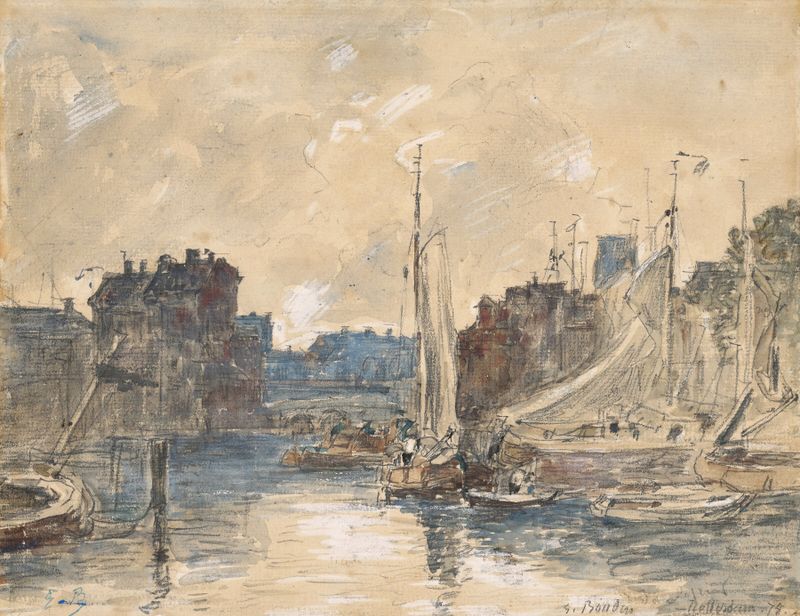
Port de Rotterdam
Eugène Boudin

View of Bordeaux, from the Quai des Chartrons
Eugène Boudin

Trouville, Scène De Plage
Eugène Boudin

Trouville, Le Port
Eugène Boudin





