
Paysage De Montmartre — History & Facts
What if beauty was never meant to be finished? In Paysage De Montmartre, the essence of fleeting moments is captured, whispering secrets of a past both cherished and lost. Look to the left at the soft strokes of verdant foliage that frame the canvas, creating a lush embrace around the scene. Notice how the sunlight filters through the trees, casting playful dapples of light upon the cobblestone path, which winds invitingly toward the horizon. The palette of greens and muted earth tones speaks to the serenity of nature, while subtle hints of lilac and gold breathe warmth into the composition, inviting viewers into a tranquil reverie. As you explore further, consider the harmonious juxtaposition of movement and stillness.
The gentle brushwork evokes a sense of nostalgia, as if the viewer is peering into a cherished memory. The play of shadows and light hints at the passage of time, suggesting that the beauty of this landscape is both ephemeral and eternal. Each element, from the distant rooftops to the lively greenery, resonates with the emotional weight of longing and remembrance. During the late 19th century, Renoir painted this piece amidst the vibrancy of Montmartre, a hub of artistic fervor.
This was a time when Impressionism was gaining momentum, and Renoir was deeply immersed in capturing the essence of everyday life and nature. His exploration of light and color reflected both his personal growth as an artist and the transformative spirit of an era that celebrated beauty in the ordinary.
More Artworks by Pierre-Auguste Renoir
Browse all →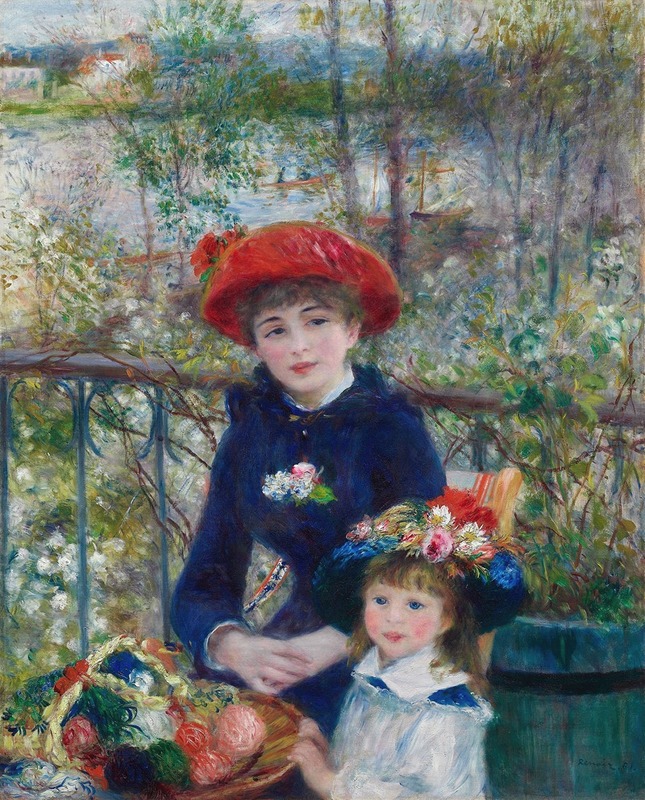
Two Sisters (On the Terrace)
Pierre-Auguste Renoir
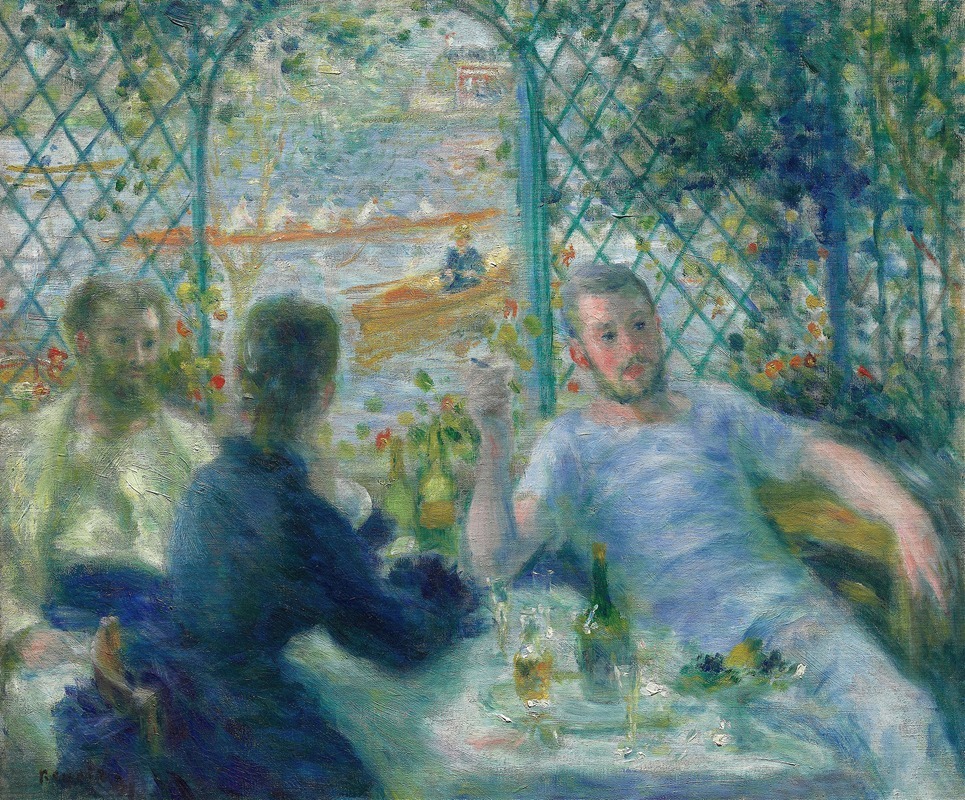
Lunch at the Restaurant Fournaise (The Rowers' Lunch)
Pierre-Auguste Renoir
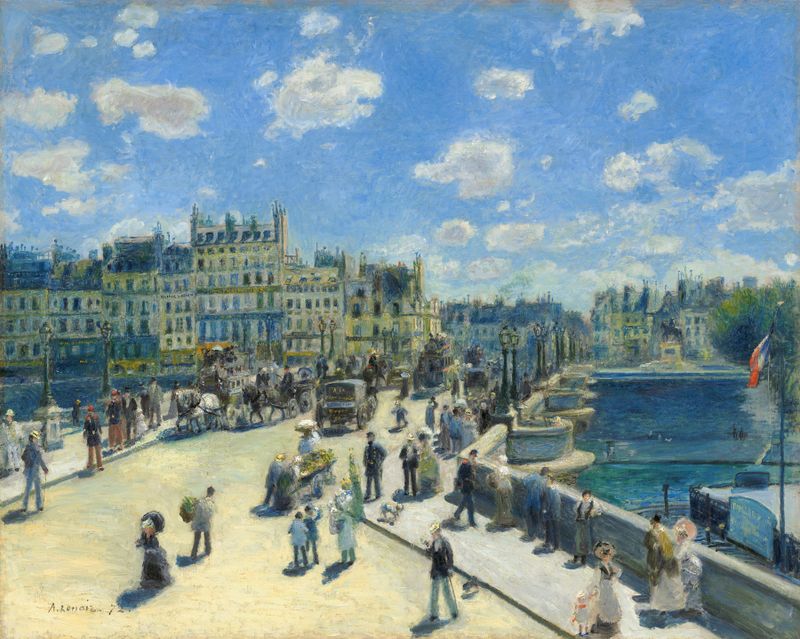
Pont Neuf, Paris
Pierre-Auguste Renoir
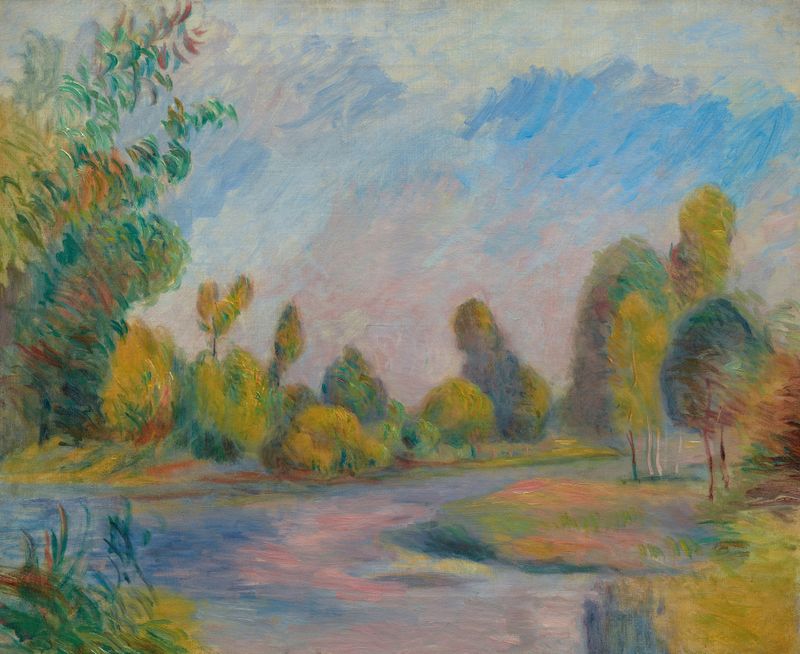
Au bord de la rivière
Pierre-Auguste Renoir

Near the Lake
Pierre-Auguste Renoir
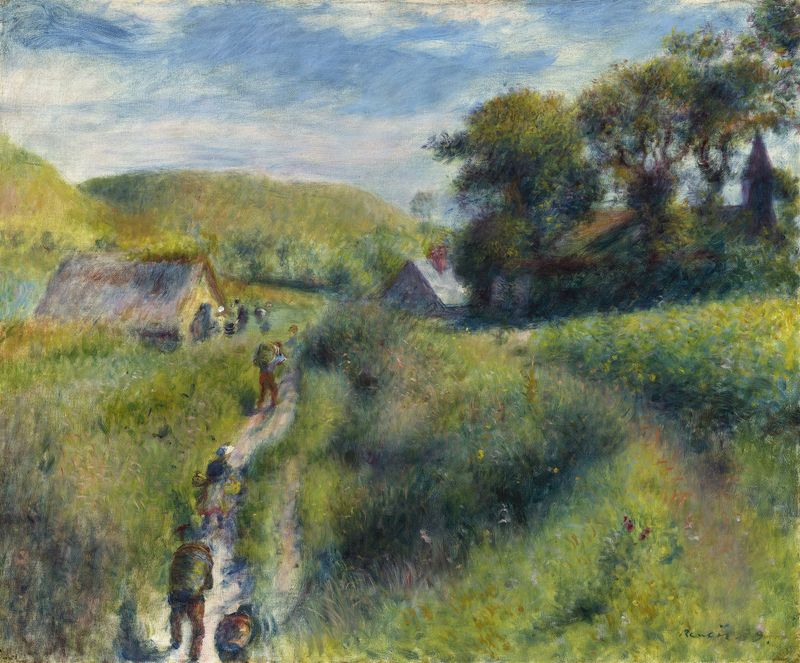
The Mussel Harvest
Pierre-Auguste Renoir

The Seine at Chatou
Pierre-Auguste Renoir
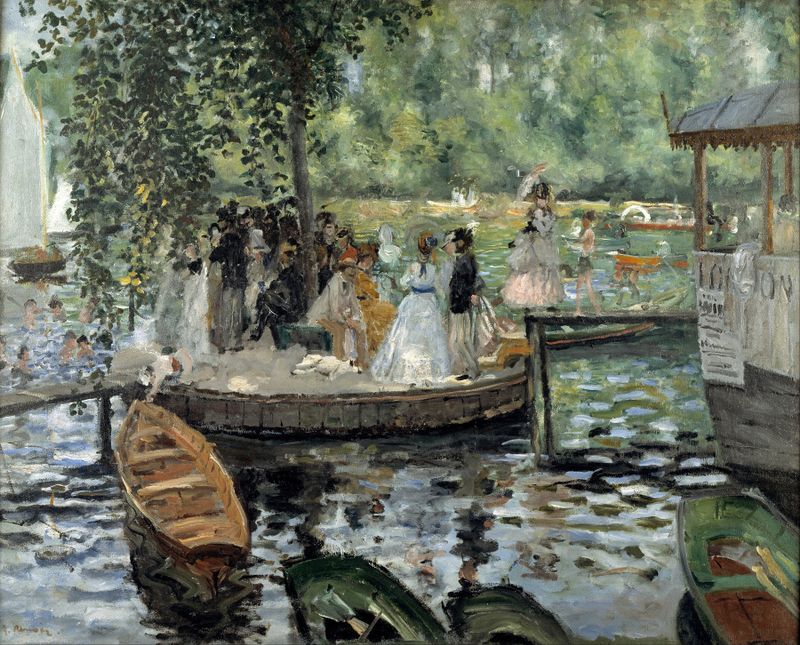
La Grenouillère
Pierre-Auguste Renoir
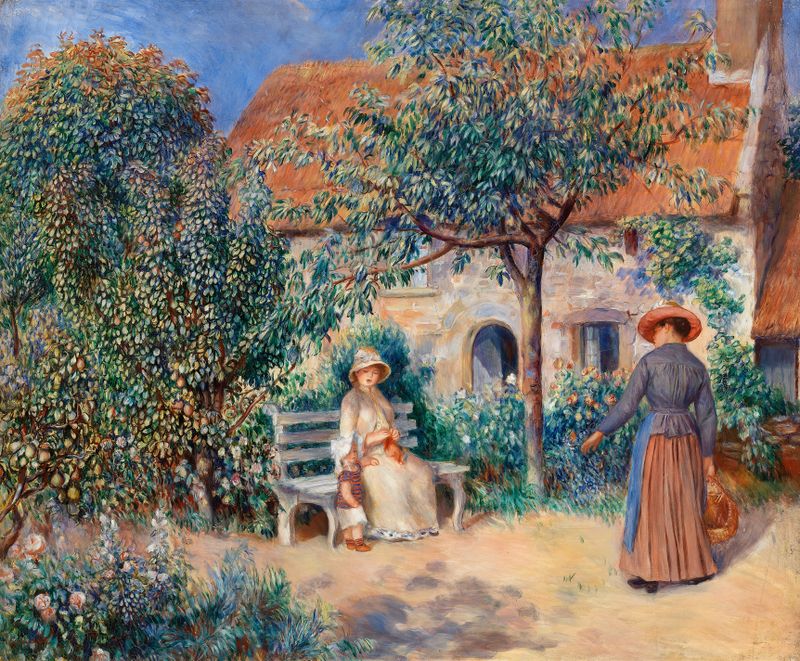
In Brittany (En Bretagne)
Pierre-Auguste Renoir
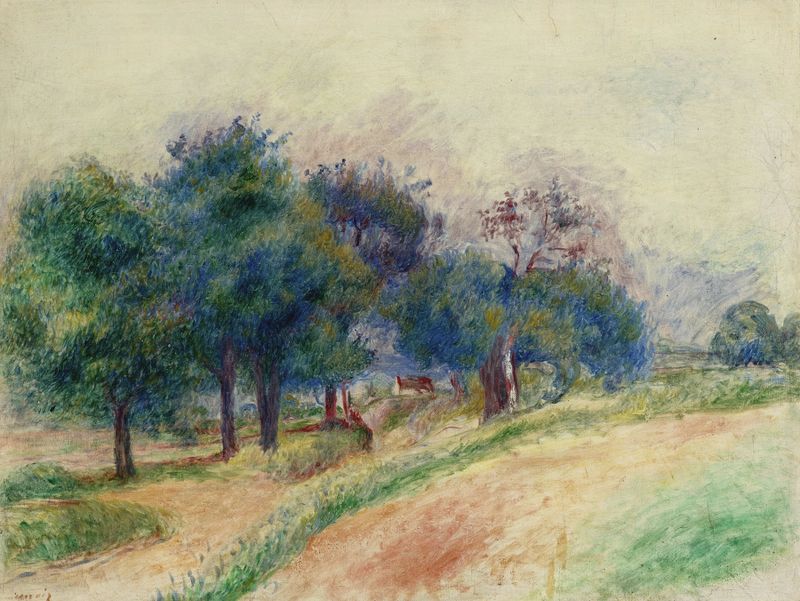
Paysage d’Essoyes
Pierre-Auguste Renoir





