
Paysage d’Essoyes (Paysage avec une maison) — History & Facts
The quietude of the landscape whispers untold stories, inviting each viewer to share in a moment of awakening—a gentle reminder of the serene beauty that surrounds us. Look to the left at the vibrant greens of the meadow, where tufts of grass sway softly in the breeze, kissed by the sun's warm embrace. The house, nestled comfortably in the center, boasts a façade painted in warm hues that complement the surrounding nature. Notice how the light dances across the canvas, illuminating the rich texture of the brushstrokes—each stroke a loving caress that draws the eye deeper into the tranquil scene. Beneath the idyllic surface lies a duality of emotion; the house stands as both a refuge and an echo of solitude.
The lush landscape, while alive and vibrant, seems to cradle the structure, suggesting a harmony that belies the isolation often felt in rural life. The subtle play of light and shadow evokes a complex interplay of warmth and distance, urging us to contemplate the connections between nature, home, and the human experience. Created between 1900 and 1903, this work emerged during a transformative period for the artist, who settled in the idyllic village of Essoyes. Amidst shifting artistic movements and a burgeoning emphasis on impressionism, Renoir sought solace and inspiration from the pastoral beauty of his surroundings, reflecting both personal awakening and artistic evolution in this serene landscape.
More Artworks by Pierre-Auguste Renoir
Browse all →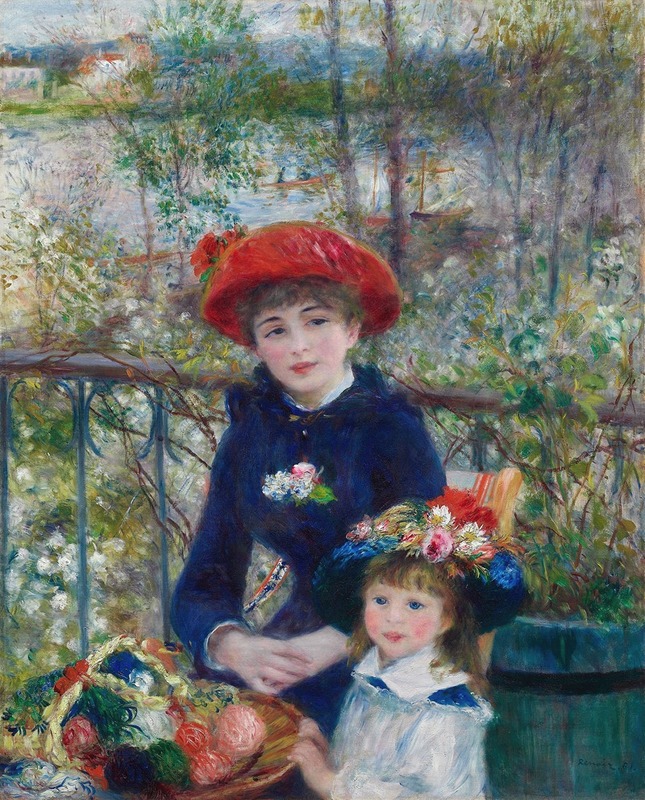
Two Sisters (On the Terrace)
Pierre-Auguste Renoir
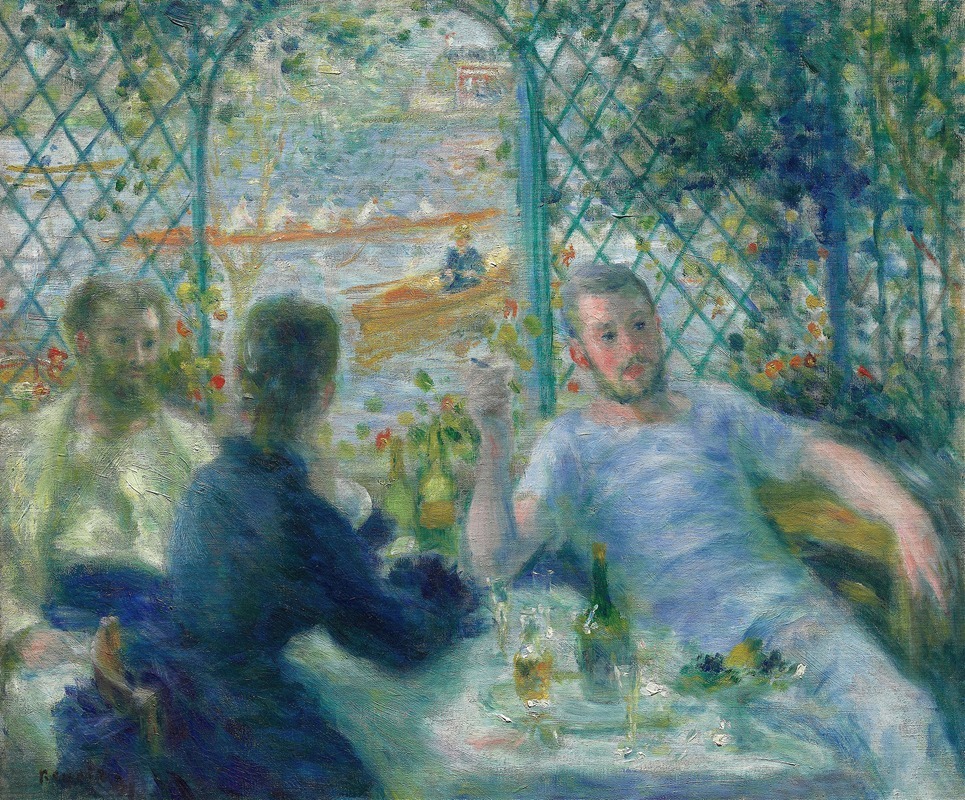
Lunch at the Restaurant Fournaise (The Rowers' Lunch)
Pierre-Auguste Renoir
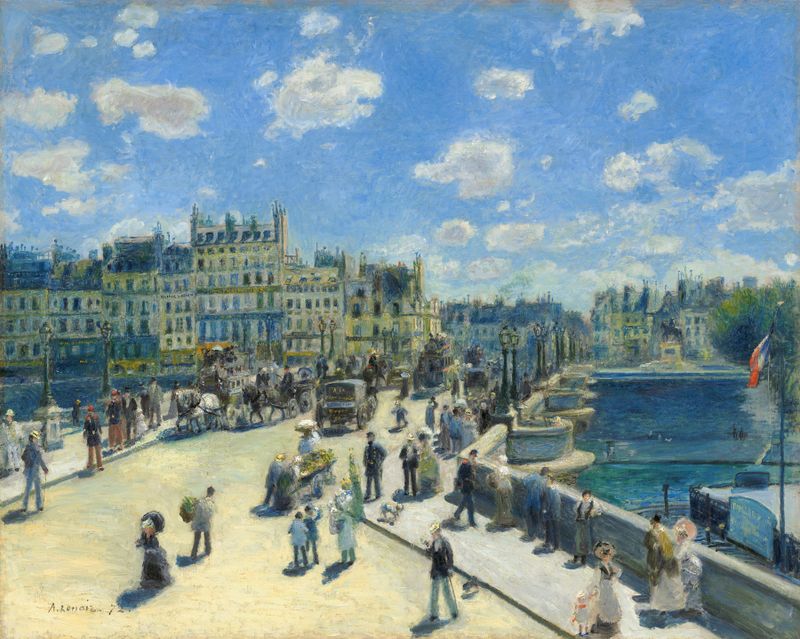
Pont Neuf, Paris
Pierre-Auguste Renoir
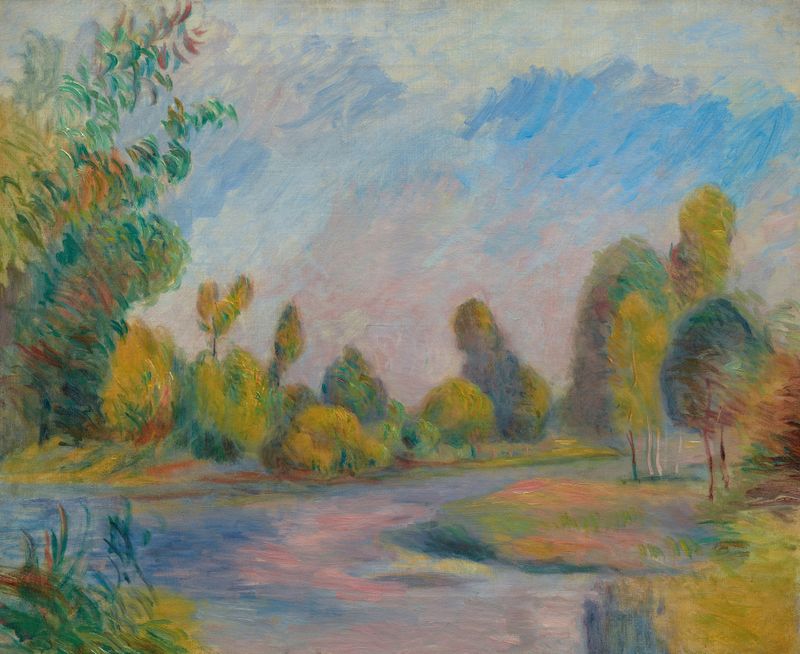
Au bord de la rivière
Pierre-Auguste Renoir

Near the Lake
Pierre-Auguste Renoir
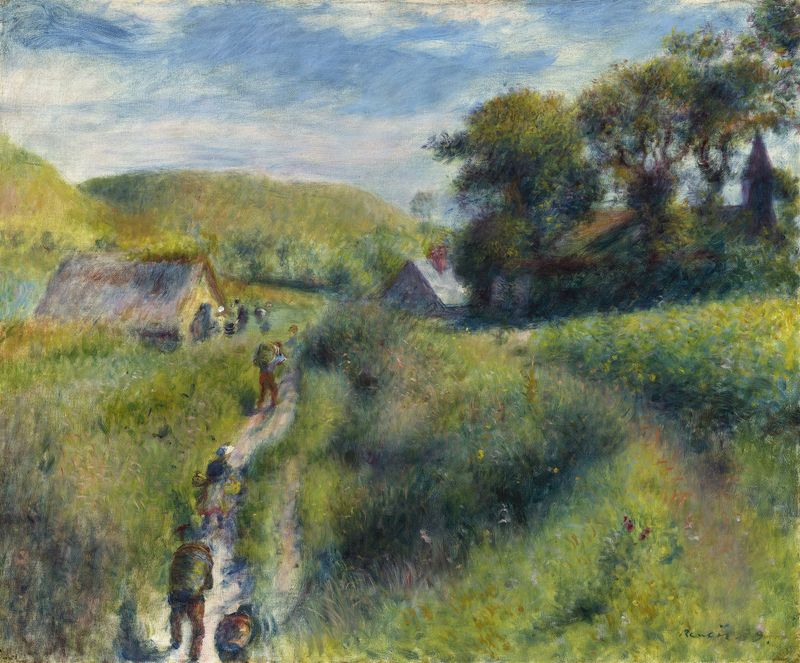
The Mussel Harvest
Pierre-Auguste Renoir

The Seine at Chatou
Pierre-Auguste Renoir
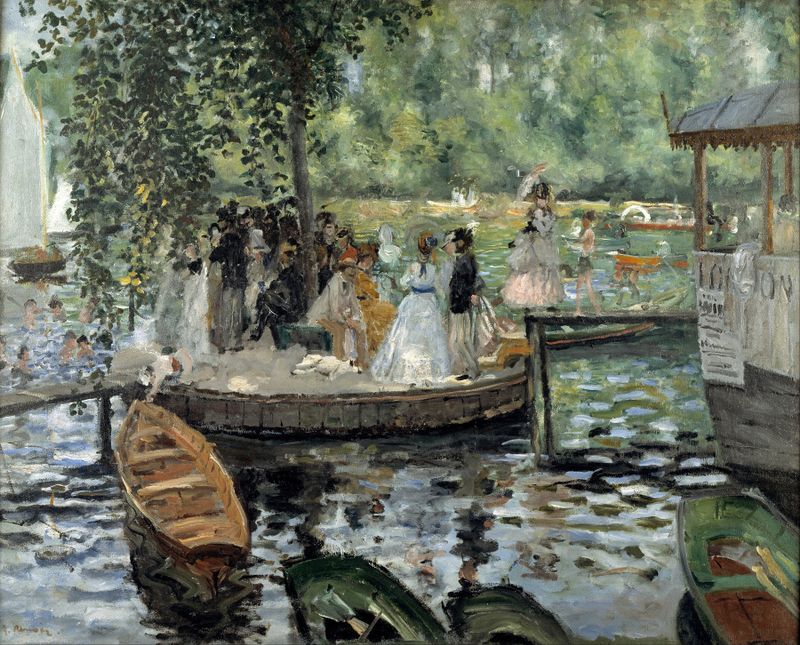
La Grenouillère
Pierre-Auguste Renoir
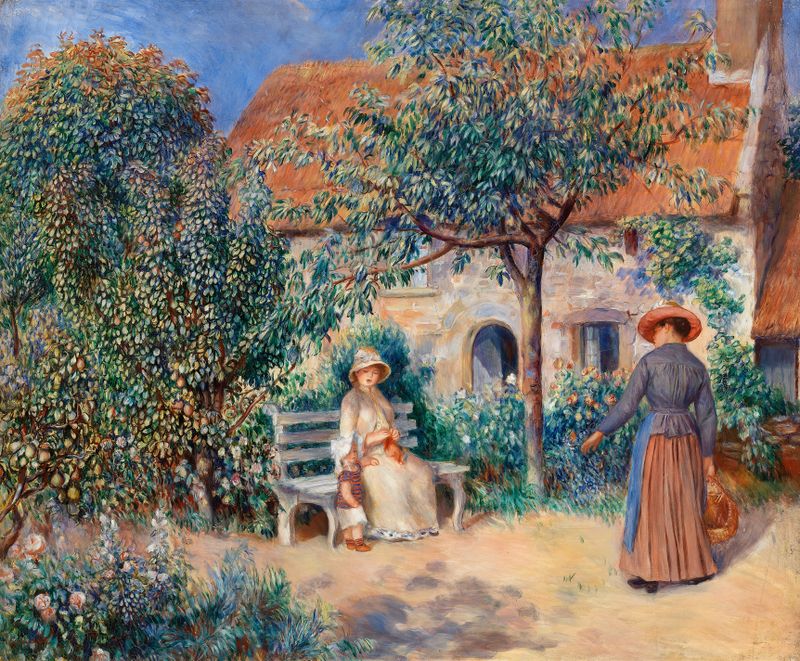
In Brittany (En Bretagne)
Pierre-Auguste Renoir
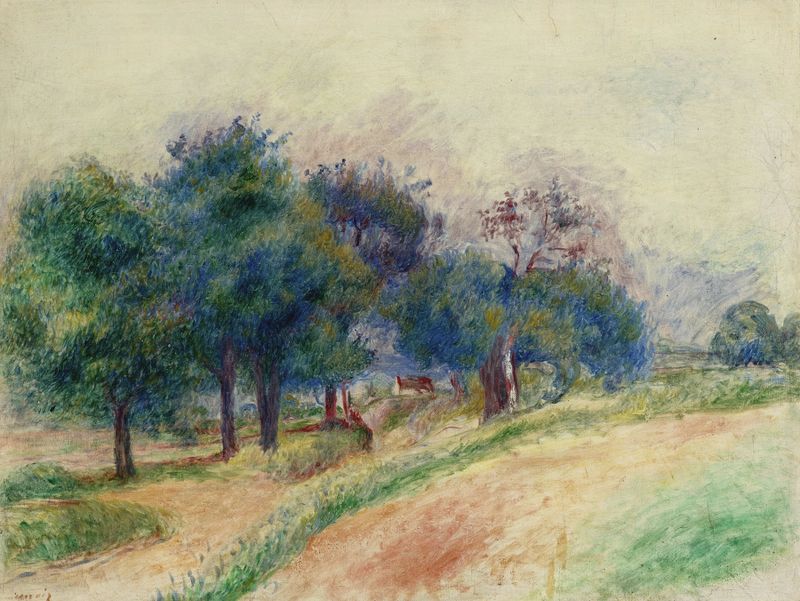
Paysage d’Essoyes
Pierre-Auguste Renoir





