Paysage d’hiver avec un moulin à vent — History & Analysis
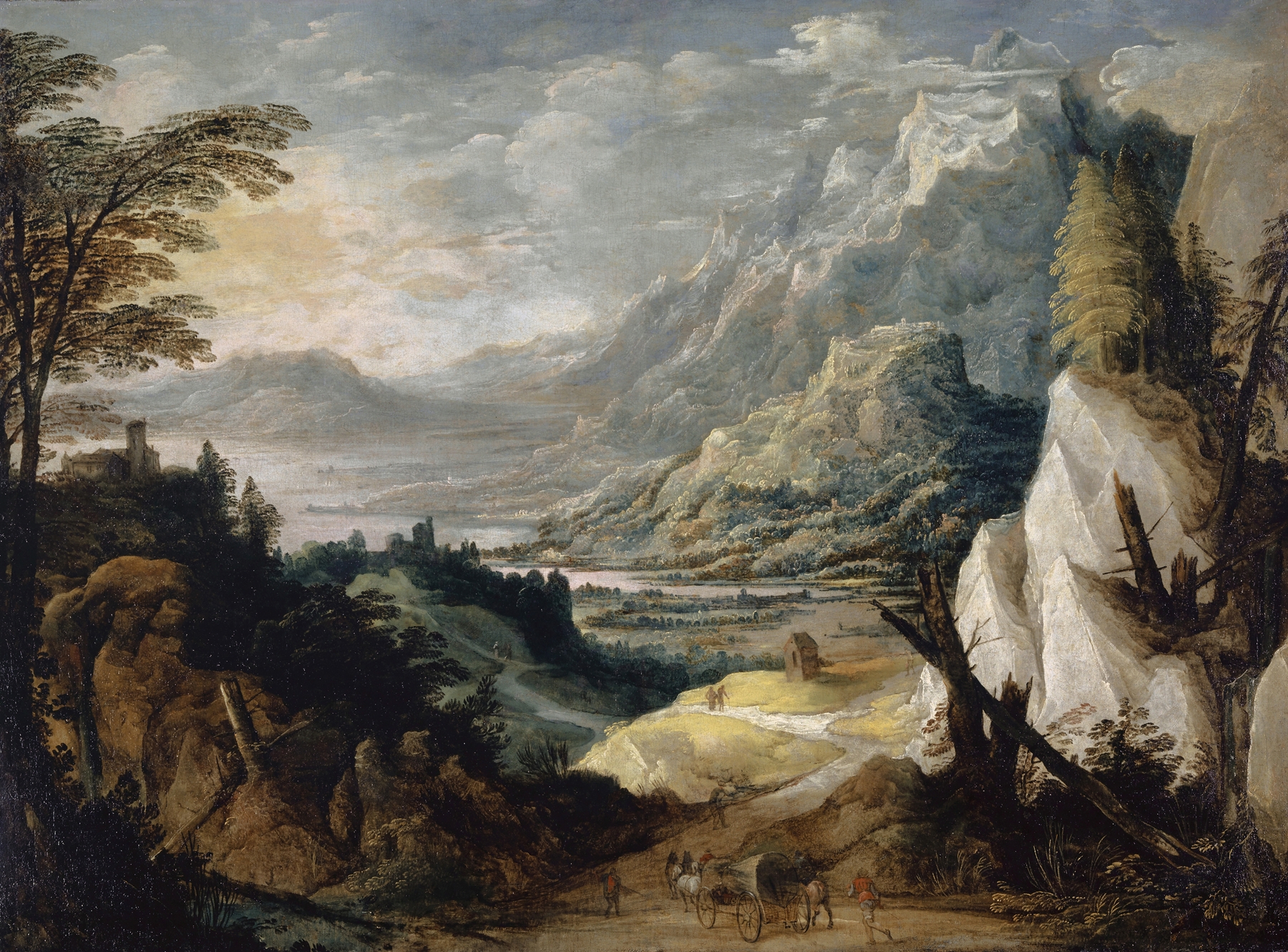
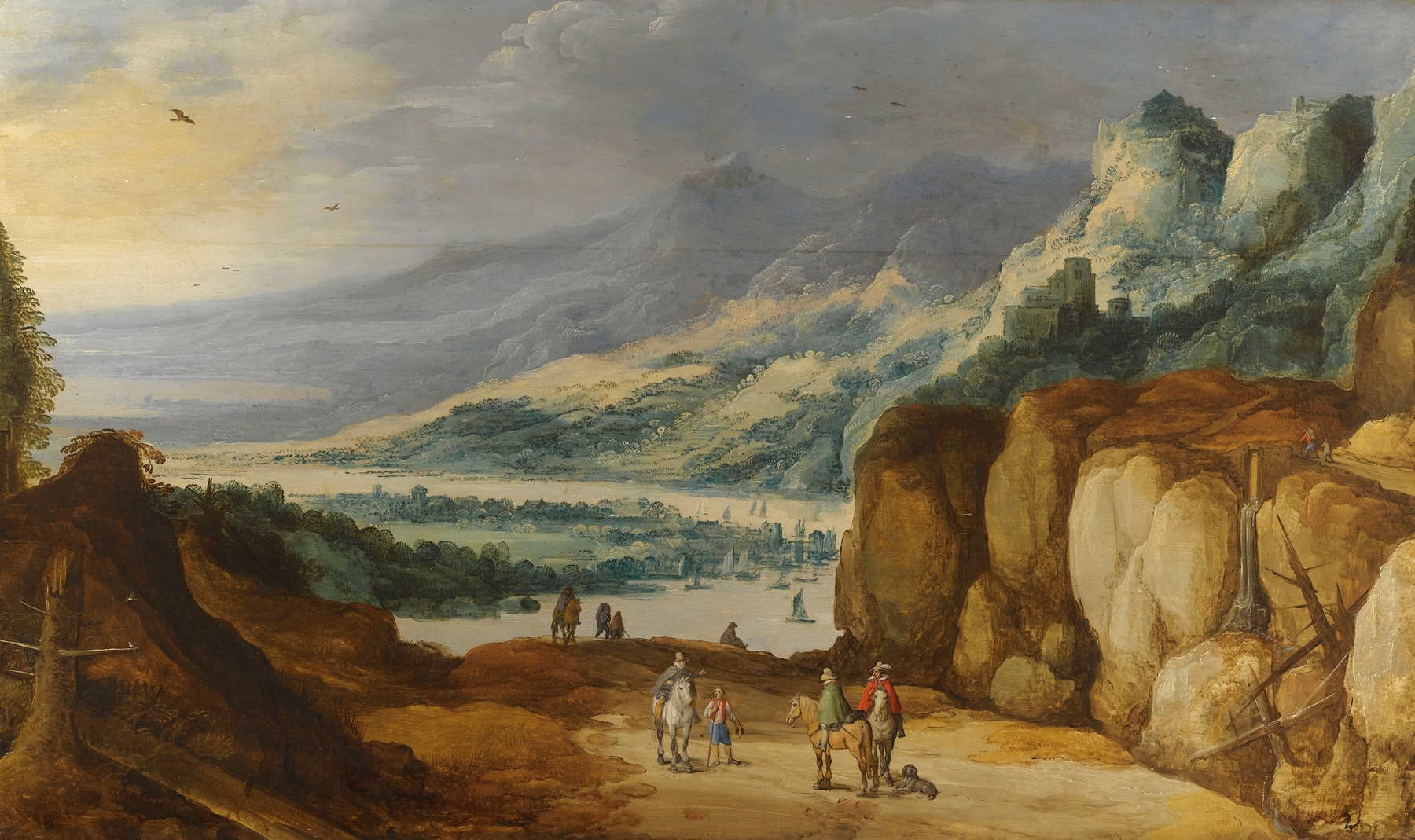
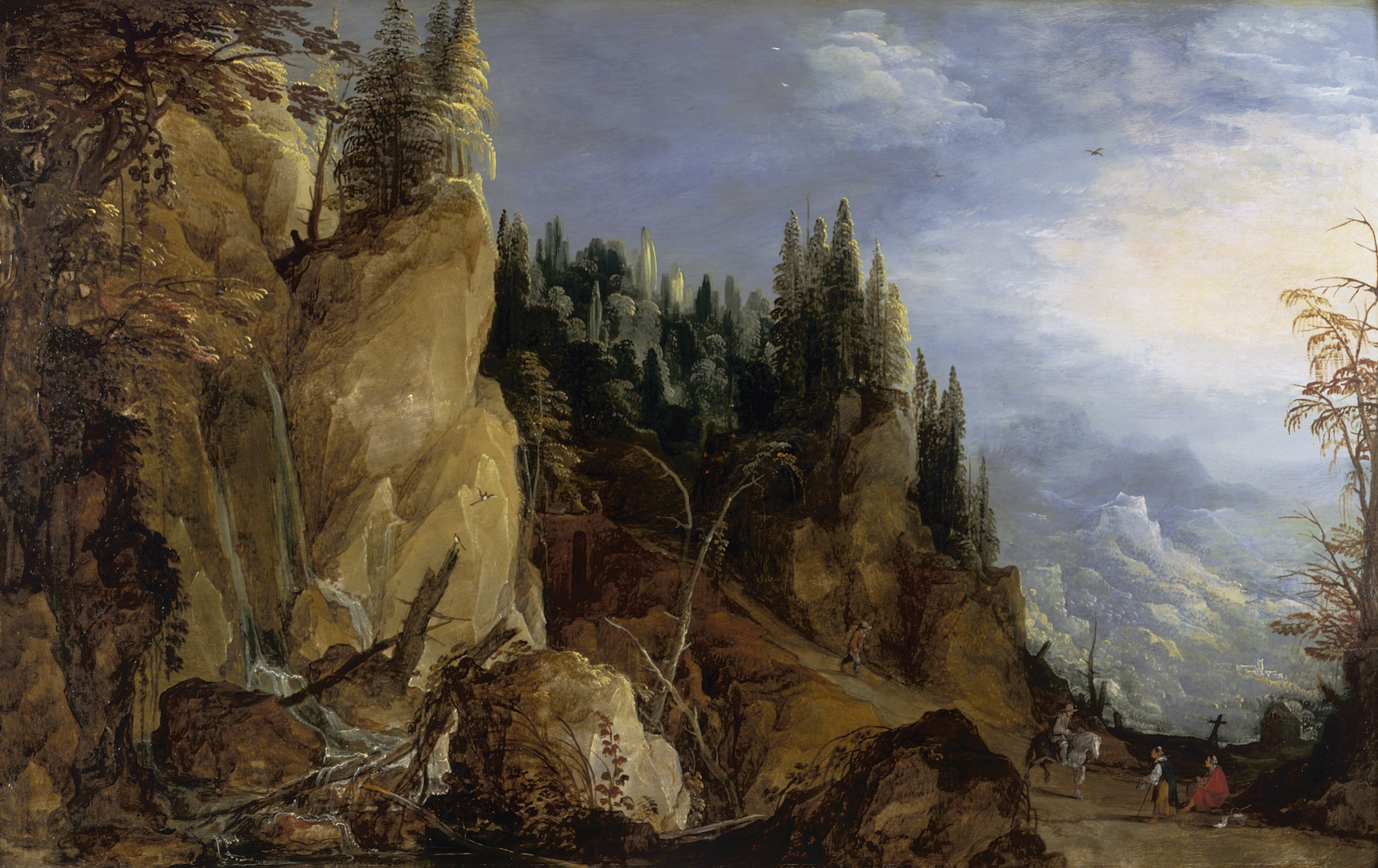
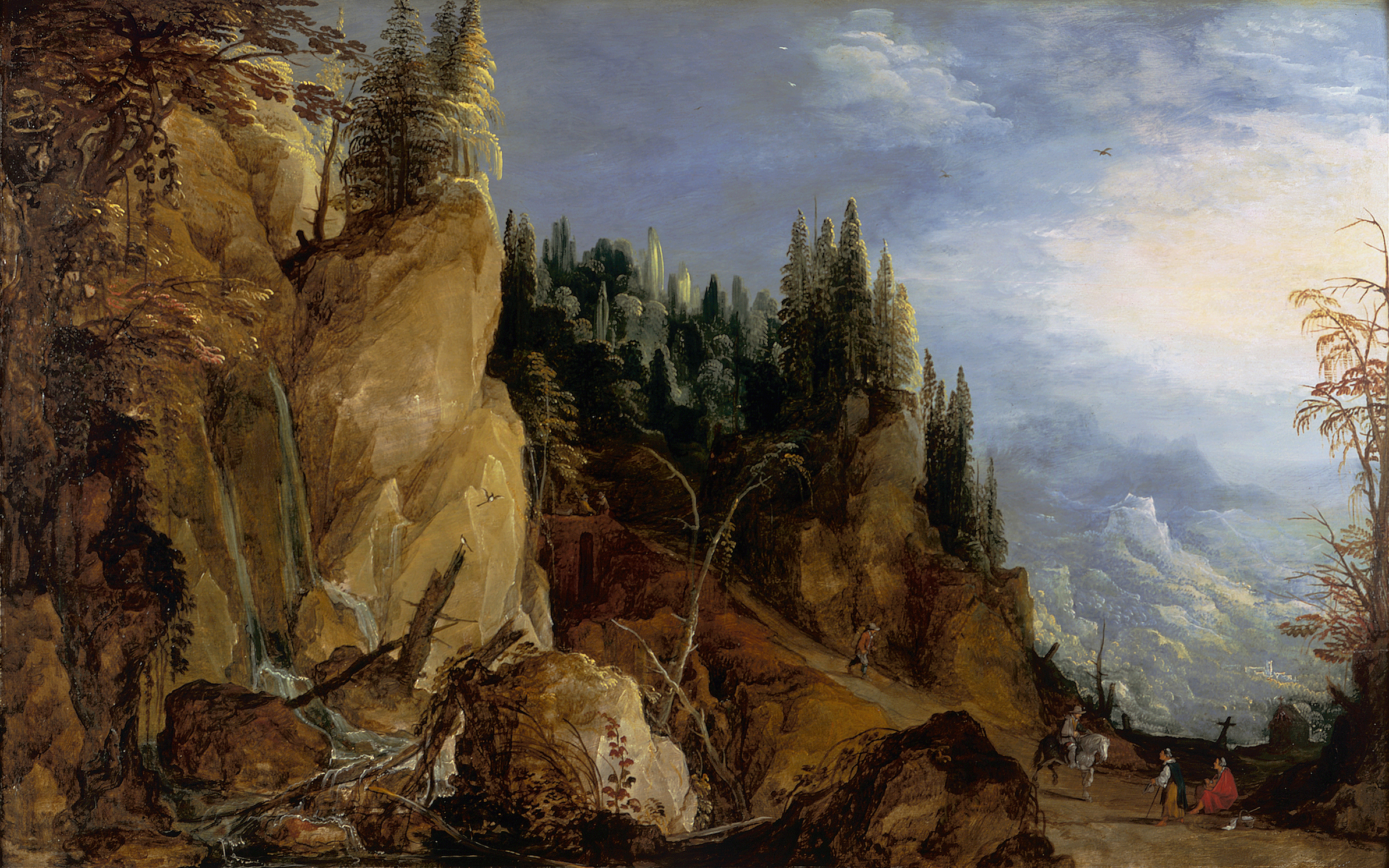
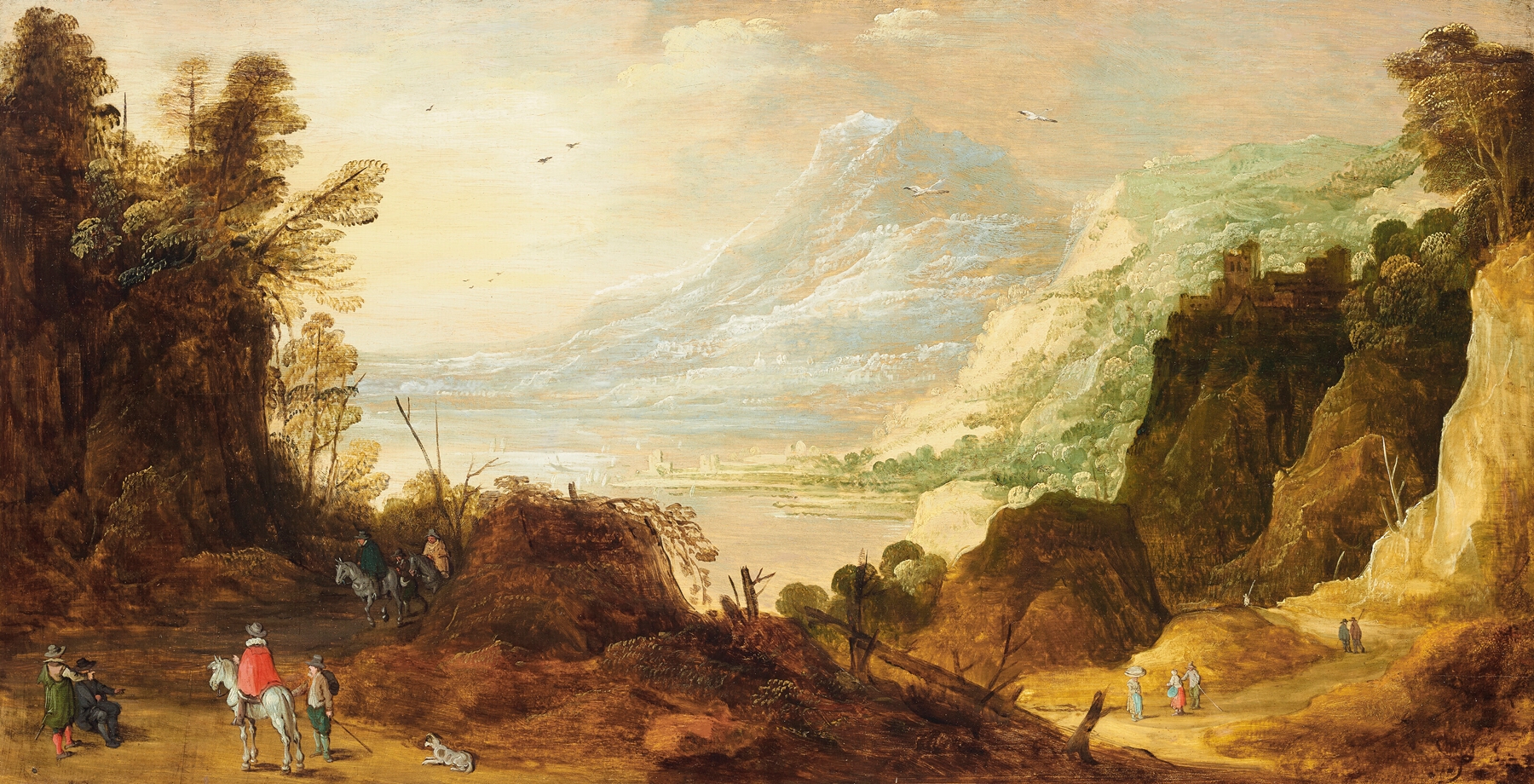
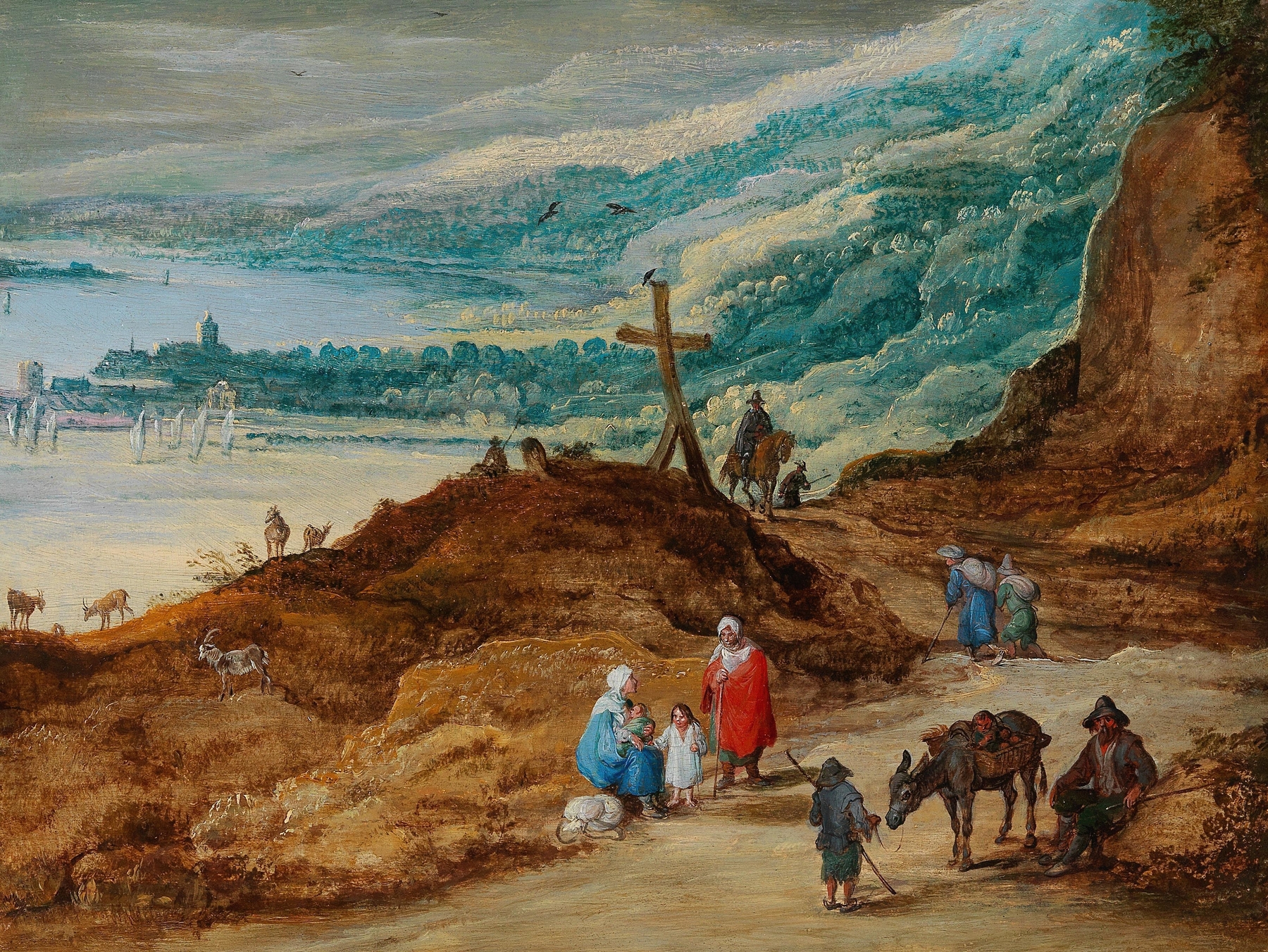
Can beauty exist without sorrow? In the bleak embrace of winter, where nature seems to hold its breath, one may question the delicate balance between life and decay. Focus on the expansive landscape, where a windmill stands resolute against a pale, wintry sky. Notice how the soft blues and grays meld into one another, the frosty air depicted through the delicate brushstrokes that blur the boundaries between earth and sky.
The muted colors evoke a sense of stillness, inviting the viewer to linger on the intricate details of the barren trees and distant hills, which serve as silent witnesses to the passing of time. Yet beneath this serene exterior lies an undercurrent of melancholy. The windmill, a symbol of human endeavor, contrasts with the frost-covered ground, reflecting the tension between human achievement and the inevitable cycle of life and death. The faint traces of footprints in the snow hint at fleeting existence, suggesting that even in beauty, one cannot escape the shadows of mortality.
It captures the moment where nature's beauty is tinged with the knowledge of loss, an intimate reminder of life's transience. Joos de Momper painted this piece during an era when Northern European artists were beginning to explore landscapes as independent subjects. Active in the early 17th century, he found inspiration in the natural world and the interplay of light and atmosphere. The period was marked by a growing interest in realism and the sublime, reflecting the complexities of human experience amidst the backdrop of a changing society.