
Paysage, la route — History & Facts
Could a single brushstroke hold eternity? In Paysage, la route, the beauty of a quiet landscape teems with the promise of awakening. Start by focusing on the winding road that invites the viewer's gaze to meander through the lush greenery. Notice how swathes of verdant hues intermingle with patches of sunlight, giving the impression of a gentle breeze flowing through the trees. The soft, dappled light dances upon the canvas, illuminating the path ahead, while the strokes convey an effortless fluidity that captures the essence of nature's harmony. As you explore further, observe the juxtaposition between the vibrant foliage and the muted tones of the road, symbolizing the tension between movement and stillness.
The interplay of light and shadow evokes a sense of time suspended, while hints of pastel colors weave a narrative of tranquility. This tension breathes life into the scene, suggesting that every journey, no matter how serene, carries the weight of anticipation and potential. Renoir painted Paysage, la route during a transformative period in his artistic journey between 1885 and 1898, primarily in France. At this time, he was refining his style, moving towards a more expressive technique that embraced the beauty of everyday life.
The Impressionist movement was gaining momentum, and Renoir, a central figure, sought to capture the ephemeral quality of light and its fleeting effects on nature, reflecting a world awakening to color and emotion.
More Artworks by Pierre-Auguste Renoir
Browse all →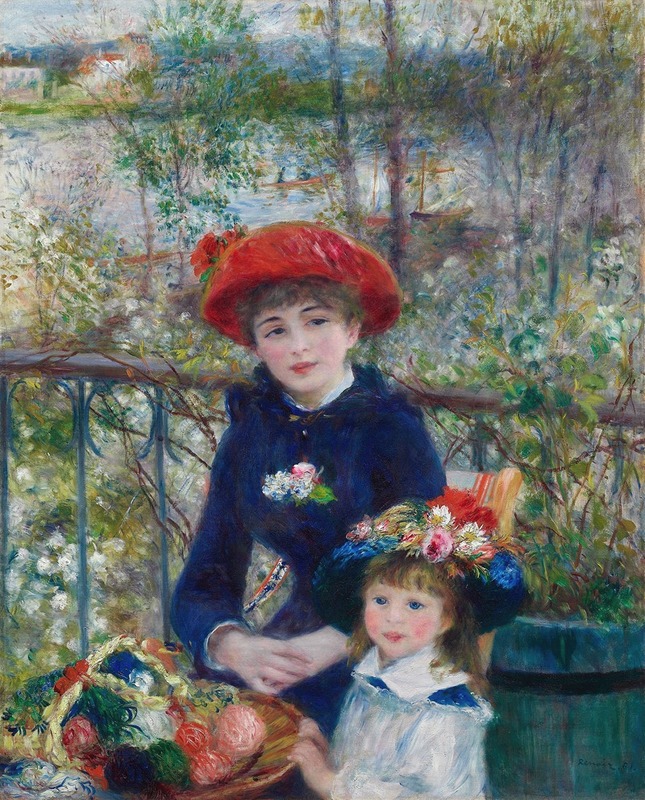
Two Sisters (On the Terrace)
Pierre-Auguste Renoir
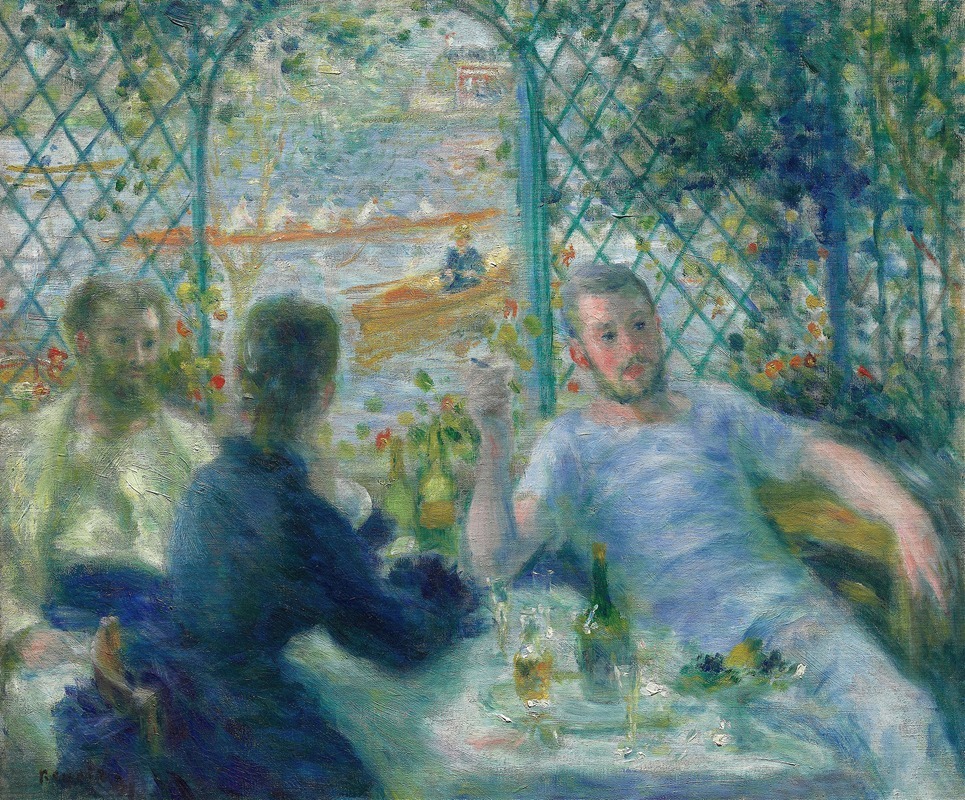
Lunch at the Restaurant Fournaise (The Rowers' Lunch)
Pierre-Auguste Renoir
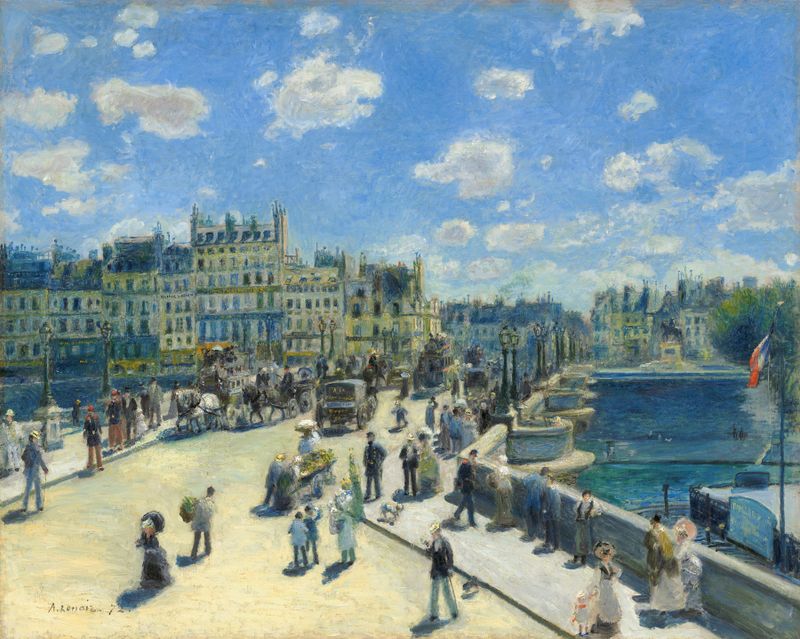
Pont Neuf, Paris
Pierre-Auguste Renoir
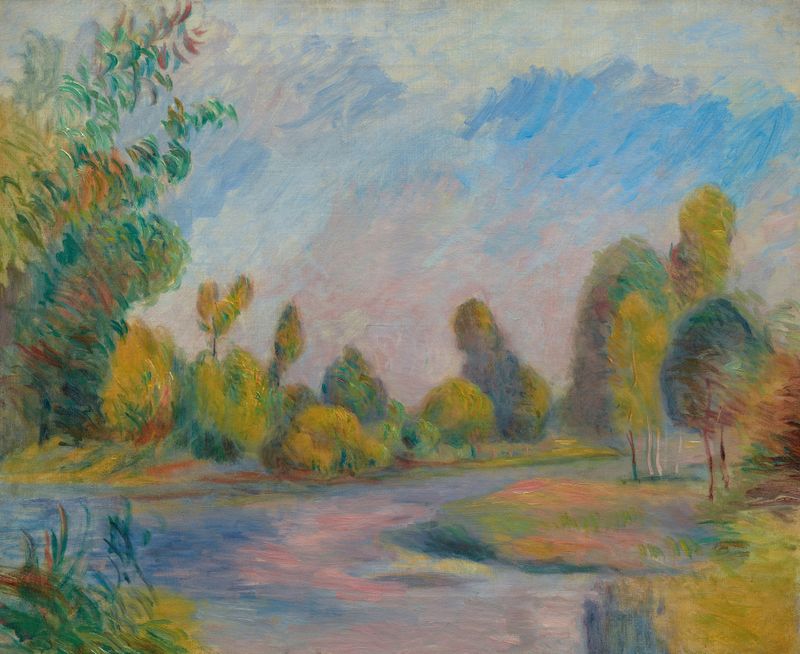
Au bord de la rivière
Pierre-Auguste Renoir

Near the Lake
Pierre-Auguste Renoir
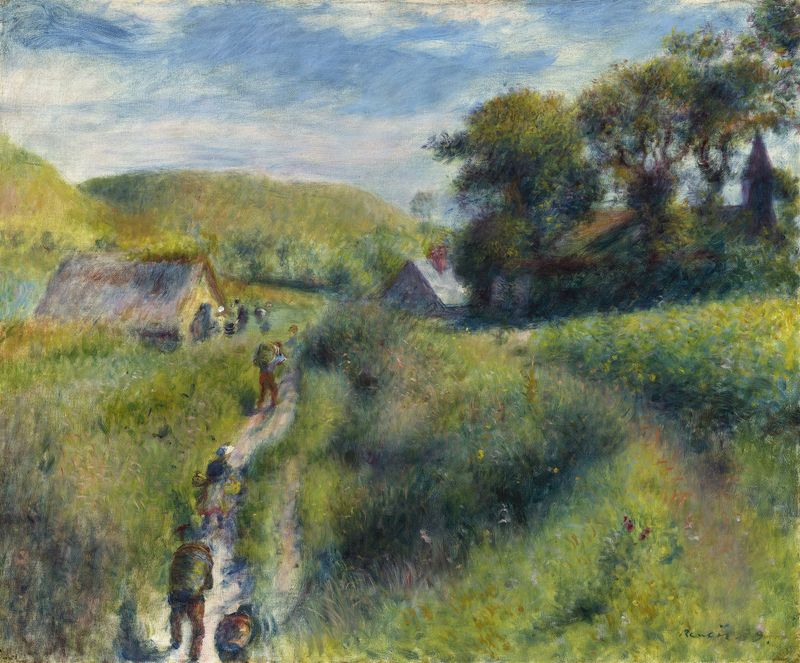
The Mussel Harvest
Pierre-Auguste Renoir

The Seine at Chatou
Pierre-Auguste Renoir
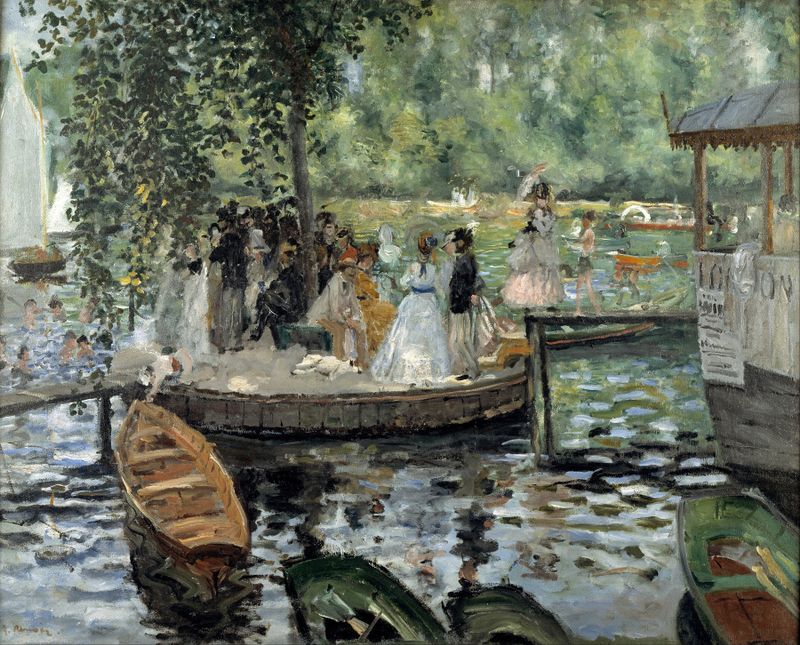
La Grenouillère
Pierre-Auguste Renoir
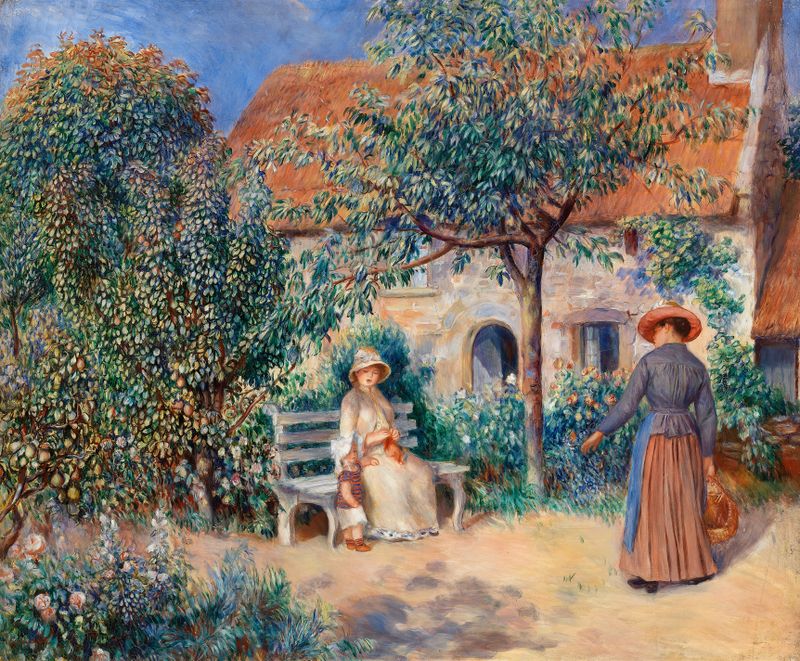
In Brittany (En Bretagne)
Pierre-Auguste Renoir
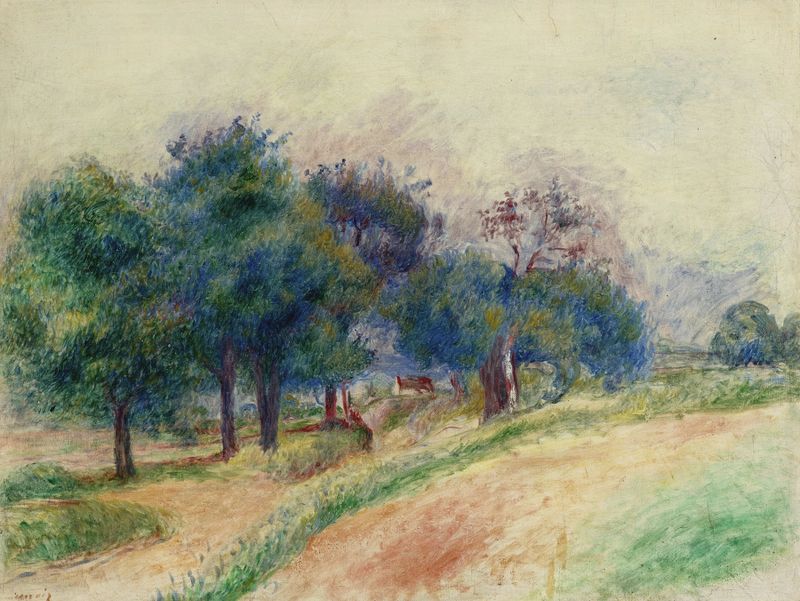
Paysage d’Essoyes
Pierre-Auguste Renoir





