
Paysage à Saint-Chamas — History & Facts
In Paysage à Saint-Chamas, movement dances on the canvas, inviting viewers to lose themselves in its lively beauty. Look to the middle of the painting, where a vibrant interplay of greens and blues creates a harmonious landscape. The sweeping strokes evoke gentle hills that rise and fall like the rhythm of a soft breeze. Notice how the sunlight filters through the trees, illuminating patches of color, while shadows stretch languidly across the scene.
Renoir’s characteristic brushwork breathes life into every corner, inviting you to feel the warmth of an idyllic day. As you delve deeper, consider the juxtaposition of the vibrant colors against the serene, almost dreamy quality of the landscape. The fluid movement of the brush strokes suggests the passage of time and change, embodying a fleeting moment captured forever. There is an emotional tension between the wildness of nature and the calmness of the setting, a reminder of the delicate balance between chaos and serenity that characterizes life itself. Created in 1895 during a pivotal period for the artist in France, this work reflects Renoir's ongoing exploration of light and color, as well as his shift towards a more impressionistic style.
At the time, the art world was evolving, with the Impressionist movement gaining recognition and challenging traditional depictions of reality. Renoir’s choice of this landscape speaks to his desire to convey the beauty in everyday scenes, celebrating the ordinary through extraordinary brushwork.
More Artworks by Pierre-Auguste Renoir
Browse all →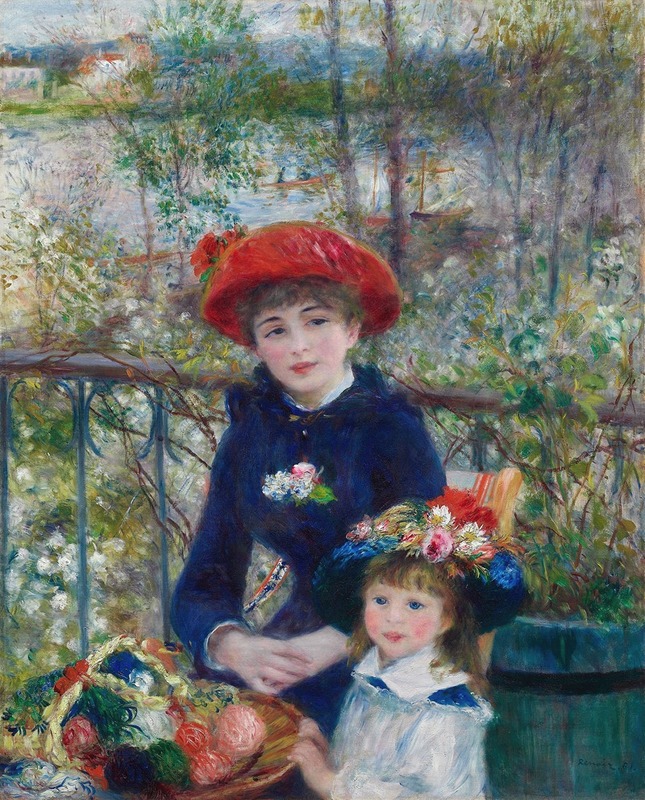
Two Sisters (On the Terrace)
Pierre-Auguste Renoir
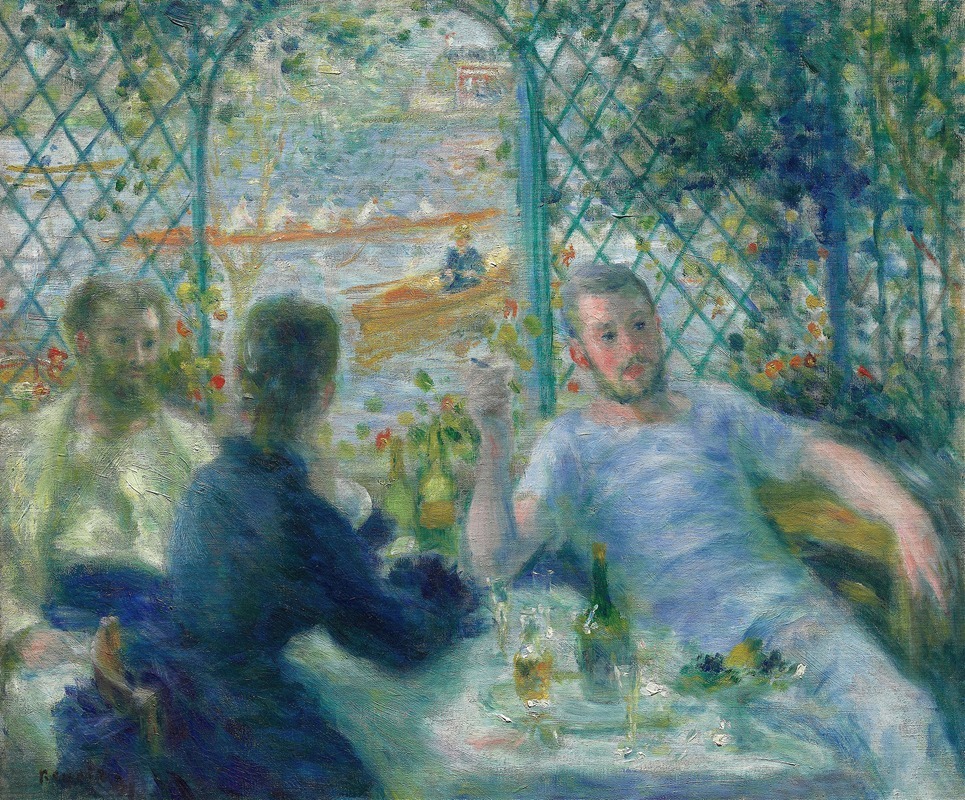
Lunch at the Restaurant Fournaise (The Rowers' Lunch)
Pierre-Auguste Renoir
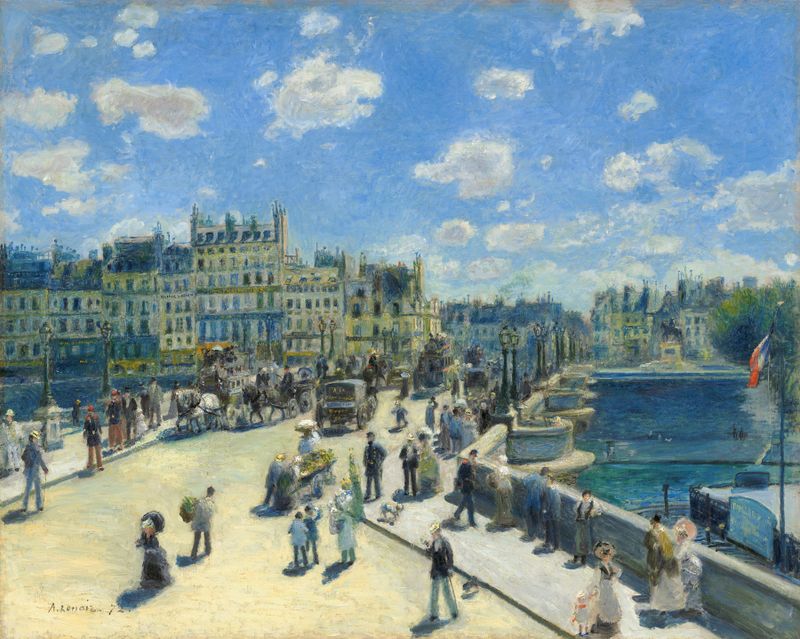
Pont Neuf, Paris
Pierre-Auguste Renoir
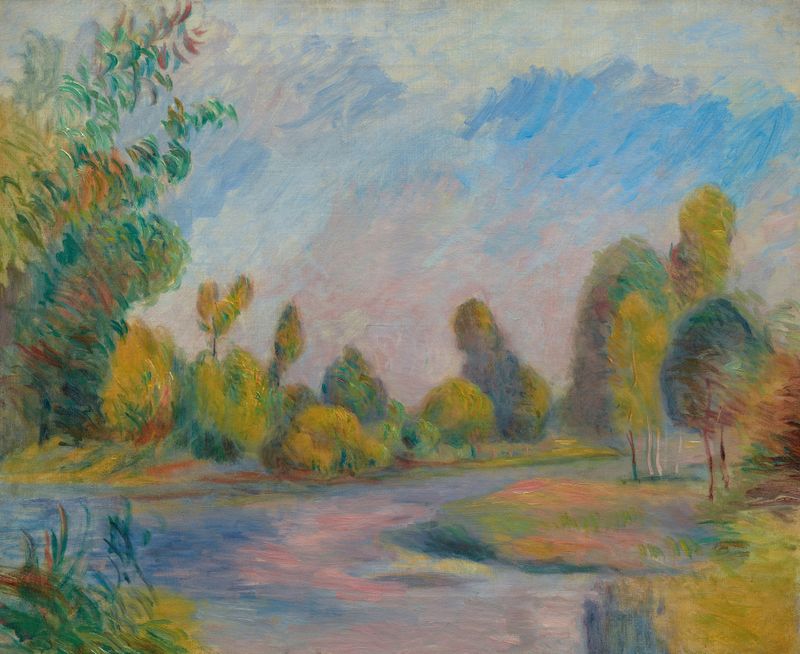
Au bord de la rivière
Pierre-Auguste Renoir

Near the Lake
Pierre-Auguste Renoir
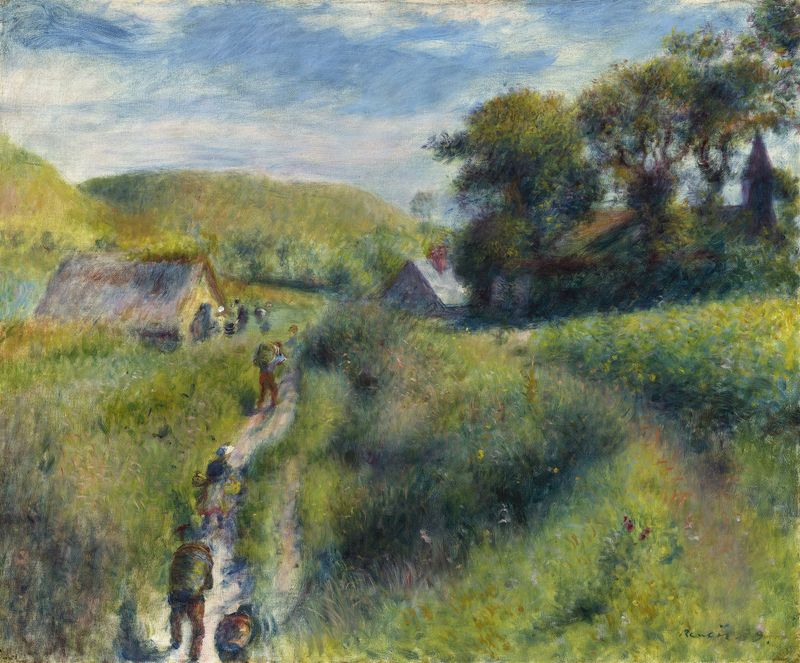
The Mussel Harvest
Pierre-Auguste Renoir

The Seine at Chatou
Pierre-Auguste Renoir
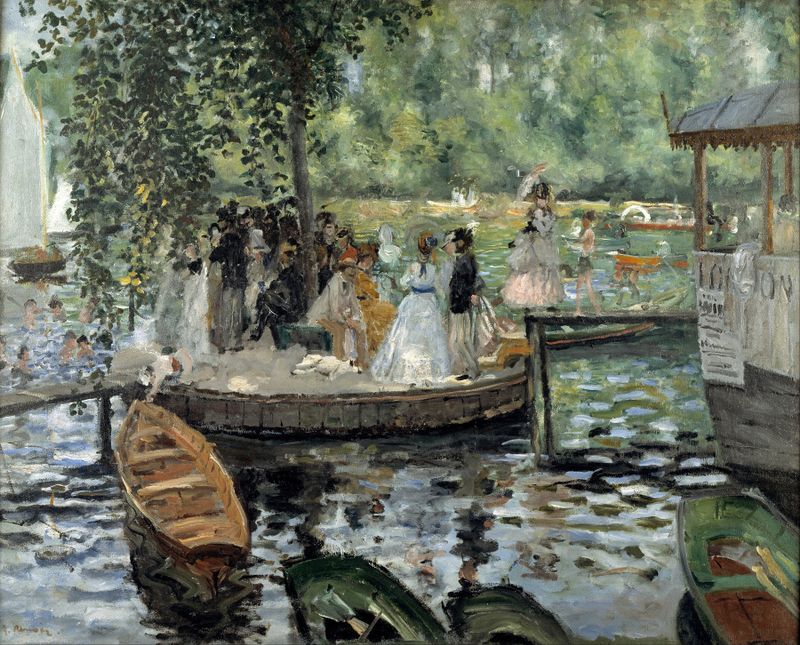
La Grenouillère
Pierre-Auguste Renoir
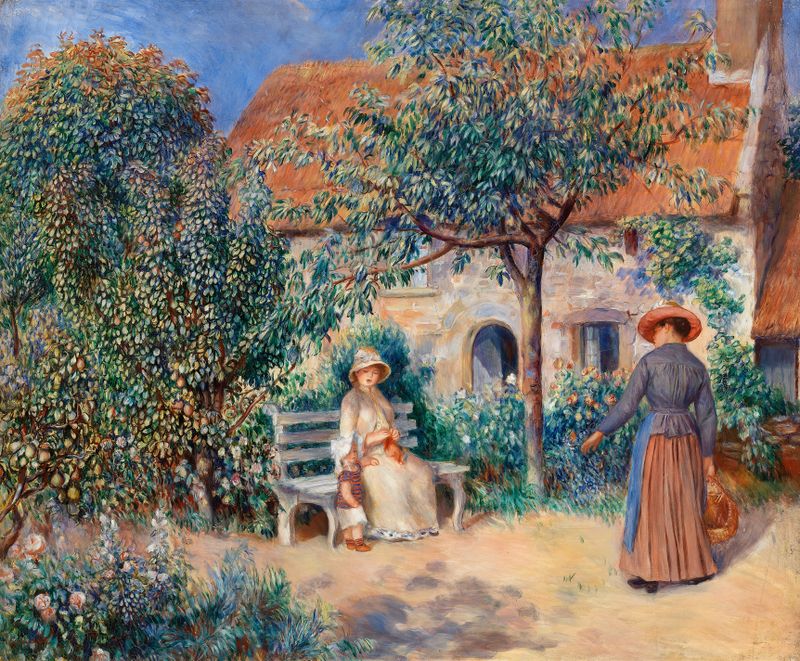
In Brittany (En Bretagne)
Pierre-Auguste Renoir
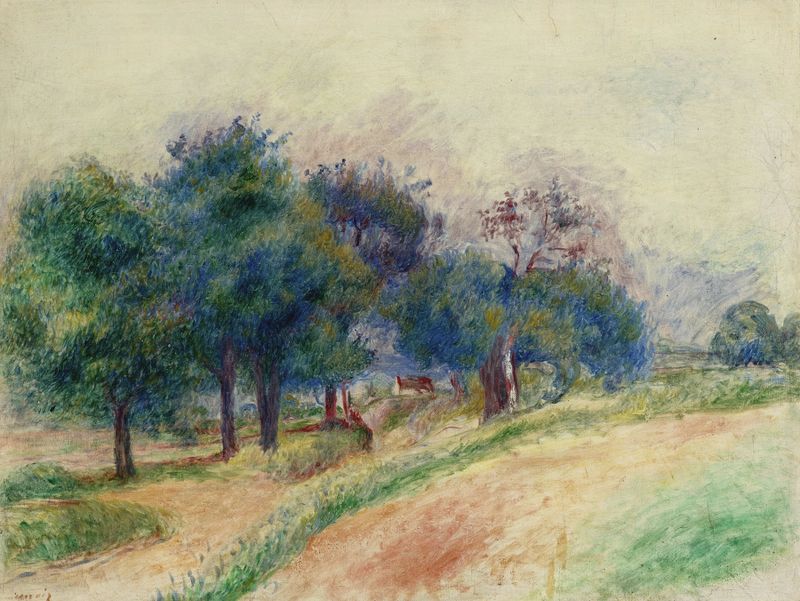
Paysage d’Essoyes
Pierre-Auguste Renoir





