
Paysage sans ciel — History & Facts
Within Paysage sans ciel, a haunting silence envelops the viewer, inviting a contemplation of the unseen and the unspoken. The landscape speaks volumes, yet it shields its emotional core beneath layers of texture and color, whispering secrets of existence and transcendence. Look to the left where the undulating hills rise, draped in deep greens and earthy browns, creating a stark contrast against the golden hues. The absence of the sky heightens the weight of the scene, as if the world is suspended in a moment of introspection.
Notice how the brushstrokes evoke movement, each stroke an echo of nature's breath, while the muted palette enhances the somber yet rich atmosphere that permeates the canvas. It is a landscape stripped of its celestial counterpart, compelling us to question what lies beyond the earthly realm. Delve deeper into the shadows that linger in the foreground; they hold an ambiguous tension that may represent melancholy or respite. The interplay of light and dark suggests a transition, a moment poised between despair and hope.
This duality evokes the complexity of human experience—a reminder that beauty often arises from struggle, revealing the artist's understanding of nature as a mirror of the soul. Courbet created this piece during a period of radical change in the art world, likely in the 1860s while establishing himself in Paris. Known for his commitment to realism, he sought to depict the world truthfully, often challenging artistic conventions. Amidst a backdrop of social upheaval and shifting artistic ideologies, Paysage sans ciel reflects a profound engagement with the essence of existence, capturing the raw beauty and pain that defines the human condition.
More Artworks by Gustave Courbet
Browse all →
Marine
Gustave Courbet
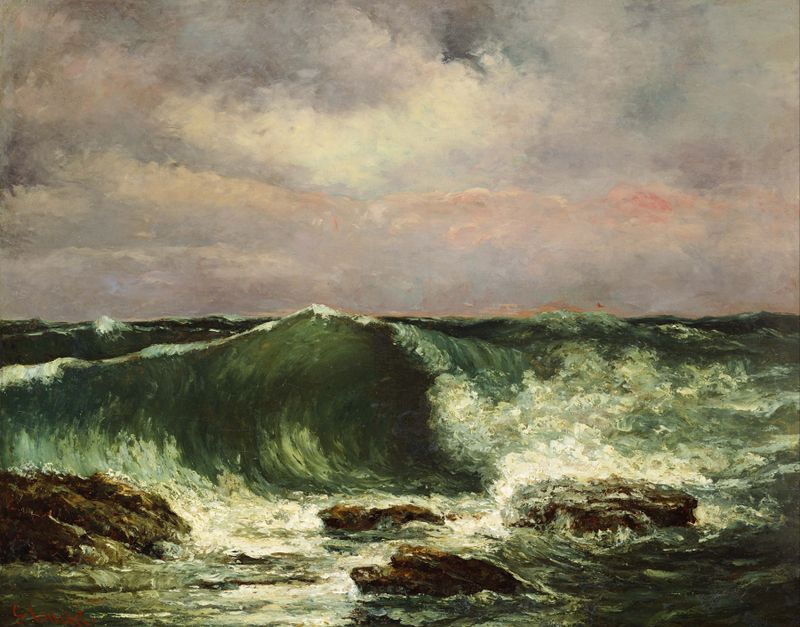
Waves
Gustave Courbet

Étretat; Les Falaises
Gustave Courbet
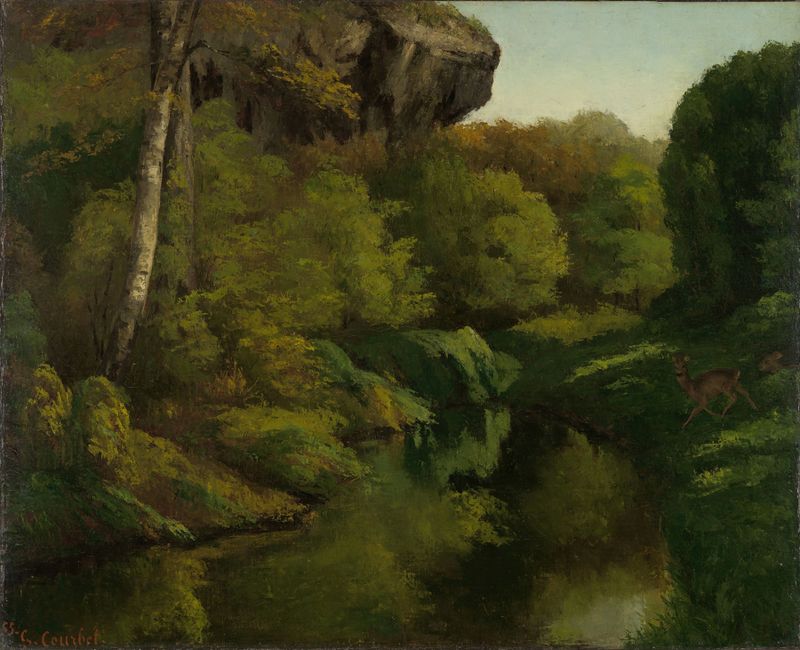
View in the Forest of Fontainebleau
Gustave Courbet
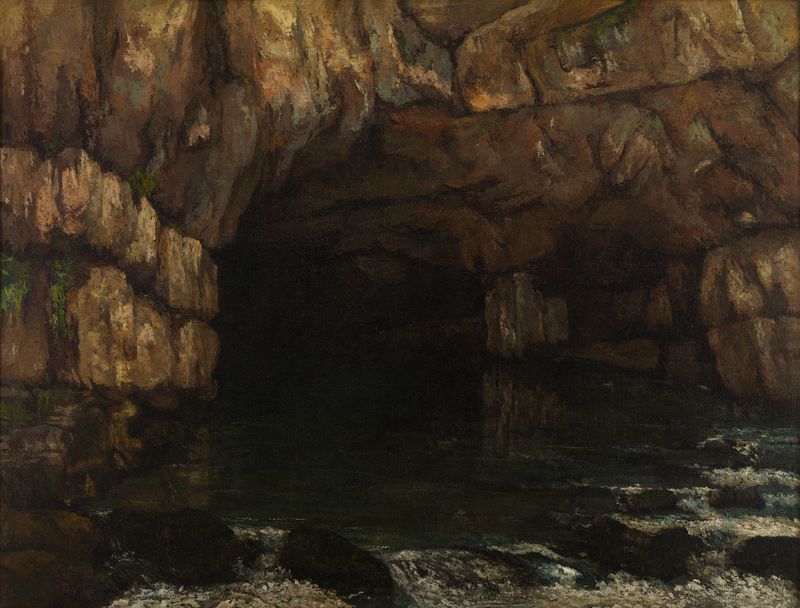
La source de la Loue (The Source of the Loue)
Gustave Courbet

Low Tide at Trouville
Gustave Courbet
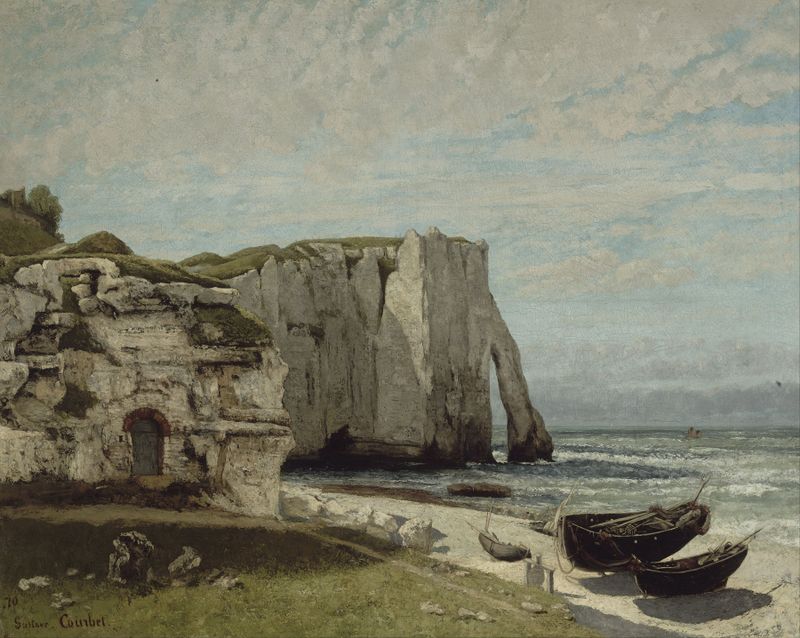
The Etretat Cliffs after the Storm
Gustave Courbet
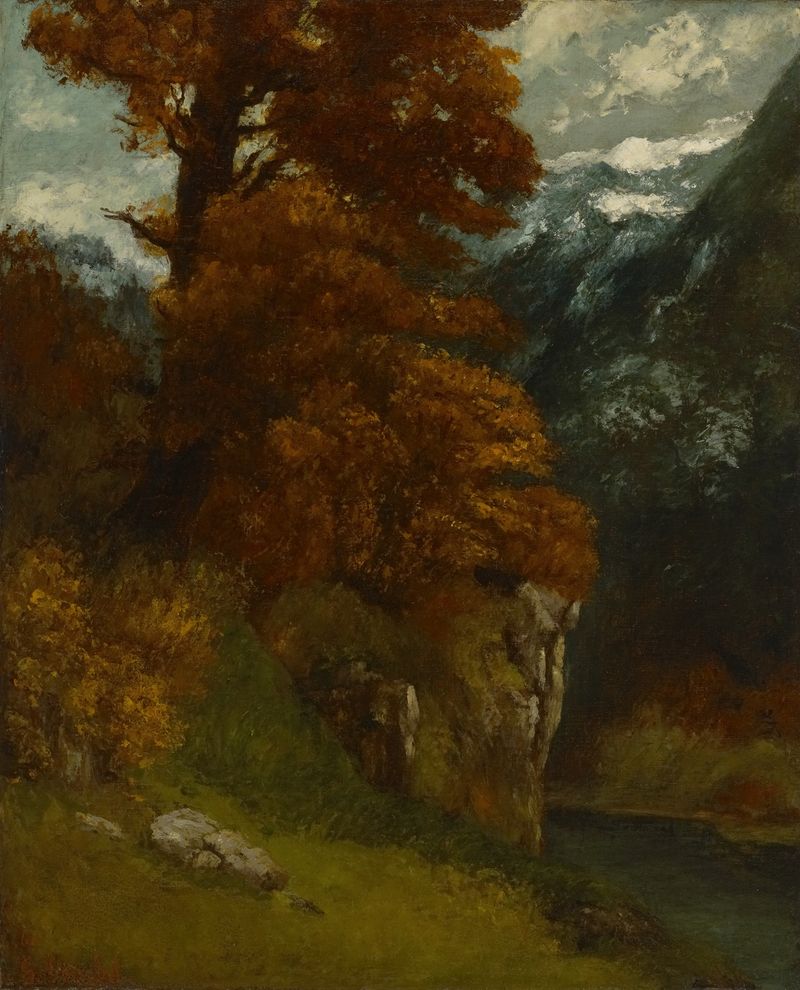
The Glen at Ornans (Bords du Doubs; Effet d’Automne)
Gustave Courbet
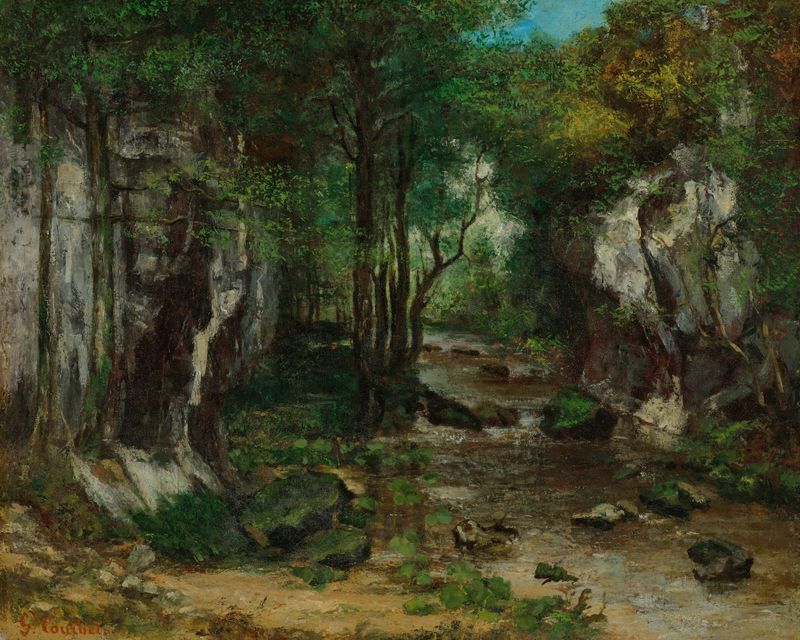
Le Ruisseau de Puits Noir
Gustave Courbet
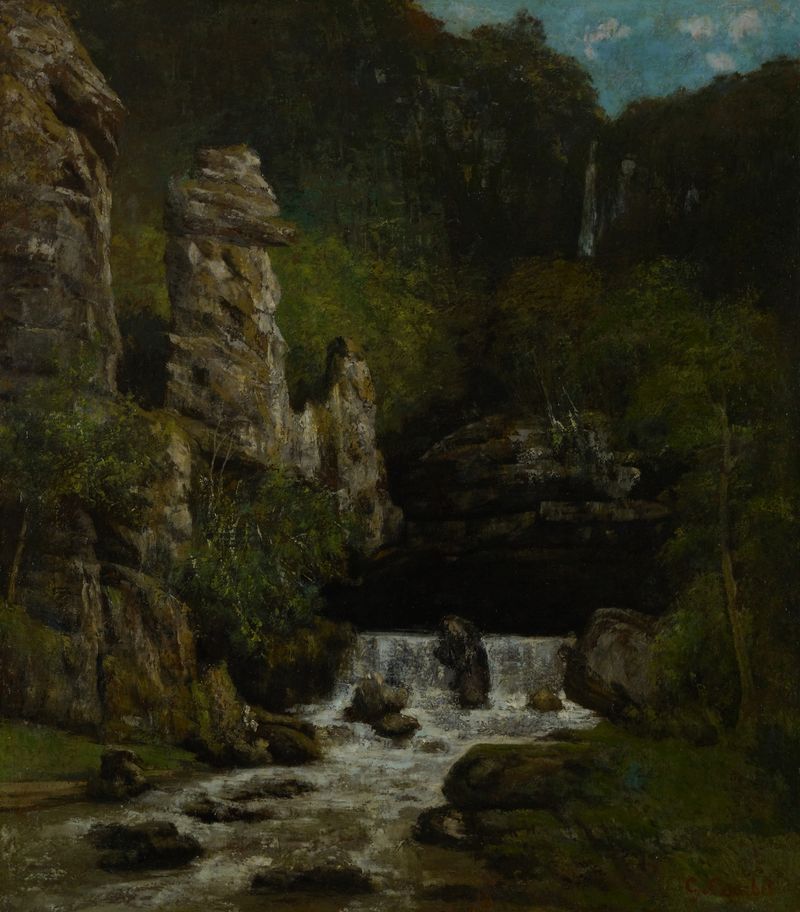
Landscape with a Waterfall
Gustave Courbet





