
Paysage, Étang Et Fond D’arbres — History & Facts
Did the painter know this moment would outlive them? In Paysage, Étang Et Fond D’arbres, the essence of faith in nature is captured, suggesting a harmony between existence and the ephemeral beauty of the world. Look to the center of the canvas, where the tranquil pond reflects the surrounding trees, their verdant hues blending seamlessly into the soft blues of the sky. Notice how the brushstrokes convey movement, the gentle ripples on the water hinting at a breeze that seems to whisper secrets of the landscape. The interplay of light filtering through leaves creates dappled patterns, inviting the viewer to linger in this serene moment, as if pausing time itself. The emotional tension lies in the contrast between the permanence of the trees and the fleeting quality of the water's surface.
This duality speaks to a deeper meditation on life — the stillness of the landscape juxtaposed with the ever-changing reflections that dance across it. Each element embodies a faith in nature's cyclical beauty, revealing the artist’s own reverence for the world around him, as well as the transient moments that define our existence. In 1913, Renoir was painting in the South of France, where the lush scenery inspired much of his late work. At this time, he was celebrated for his contributions to Impressionism but was also grappling with health issues.
Despite these personal challenges, he continued to explore themes of light and color, embracing a deep connection with nature that would ultimately leave a lasting impression on the art world.
More Artworks by Pierre-Auguste Renoir
Browse all →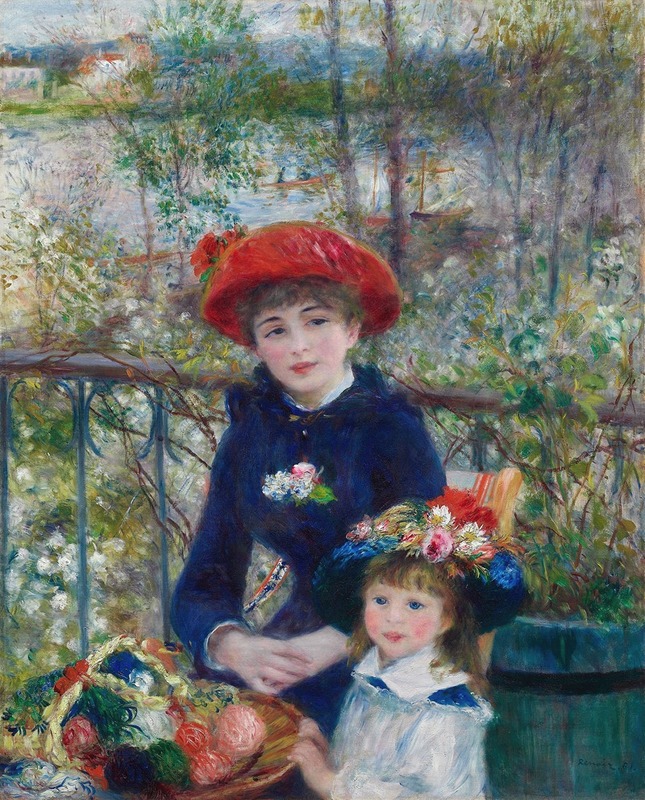
Two Sisters (On the Terrace)
Pierre-Auguste Renoir
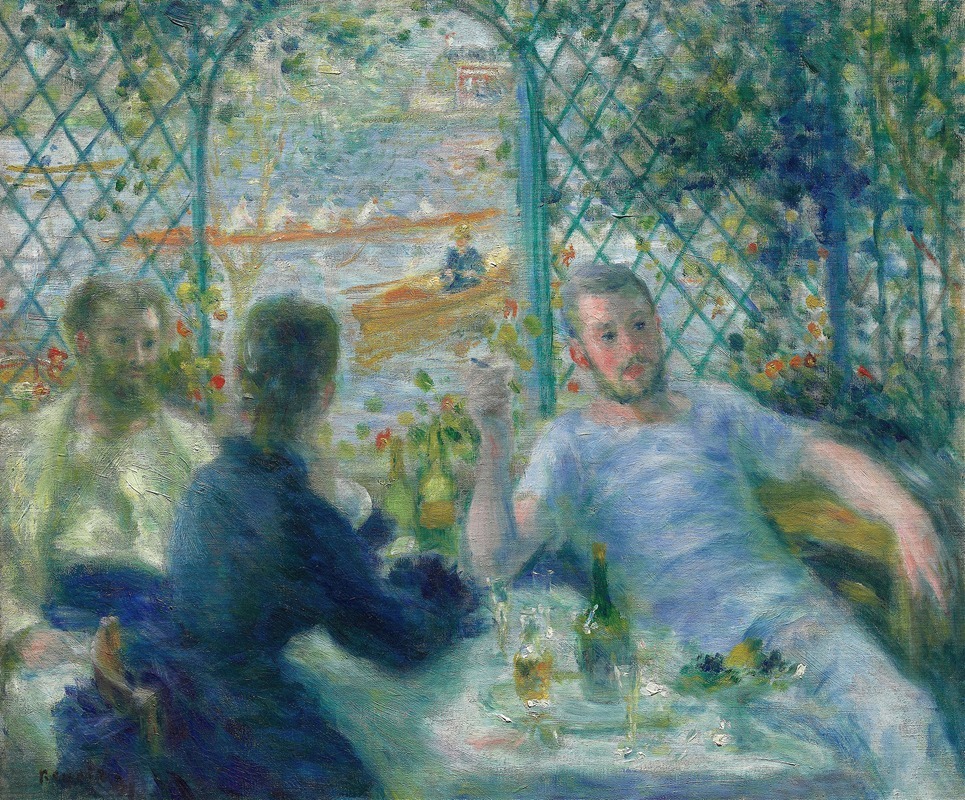
Lunch at the Restaurant Fournaise (The Rowers' Lunch)
Pierre-Auguste Renoir
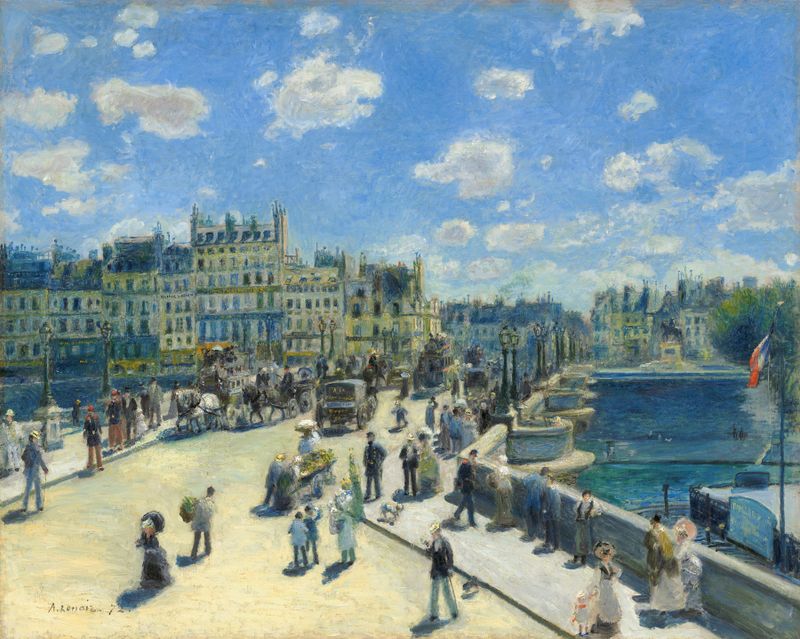
Pont Neuf, Paris
Pierre-Auguste Renoir
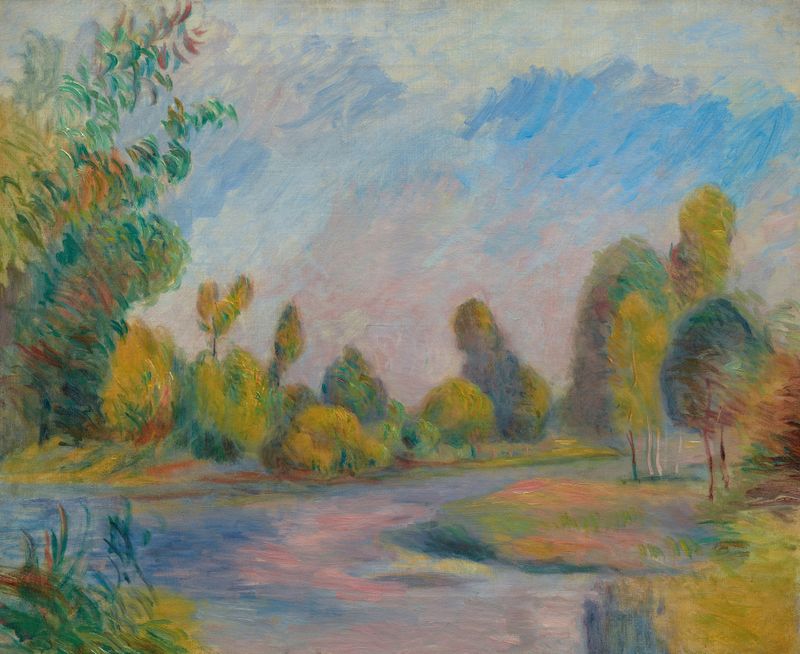
Au bord de la rivière
Pierre-Auguste Renoir

Near the Lake
Pierre-Auguste Renoir
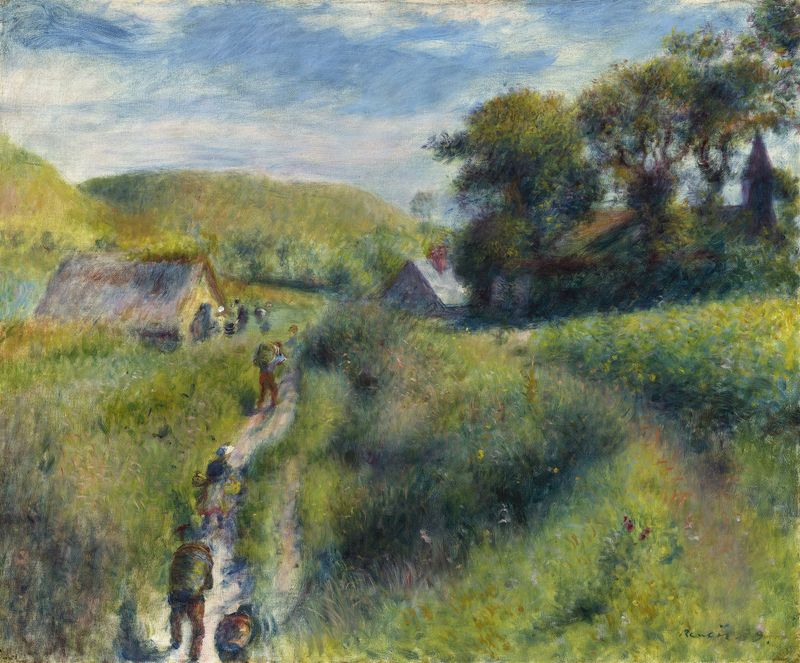
The Mussel Harvest
Pierre-Auguste Renoir

The Seine at Chatou
Pierre-Auguste Renoir
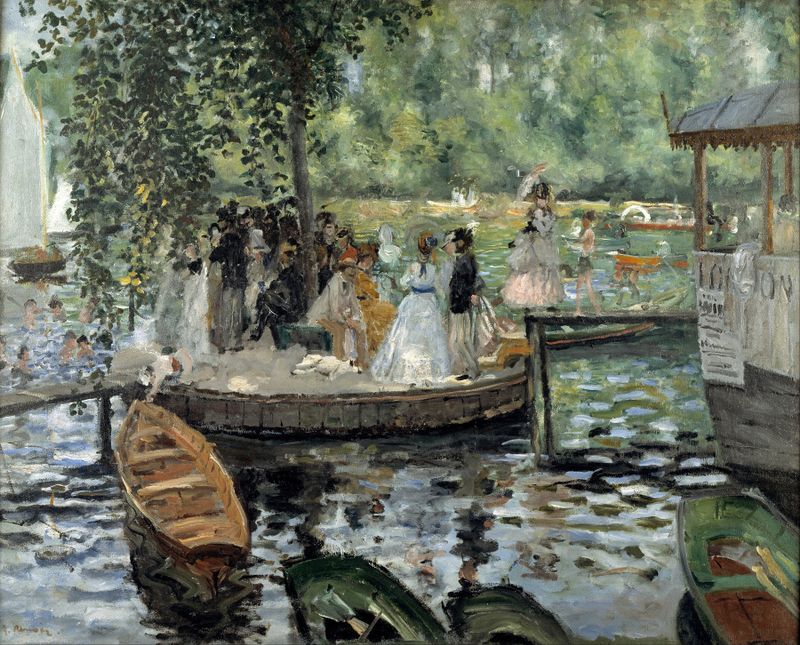
La Grenouillère
Pierre-Auguste Renoir
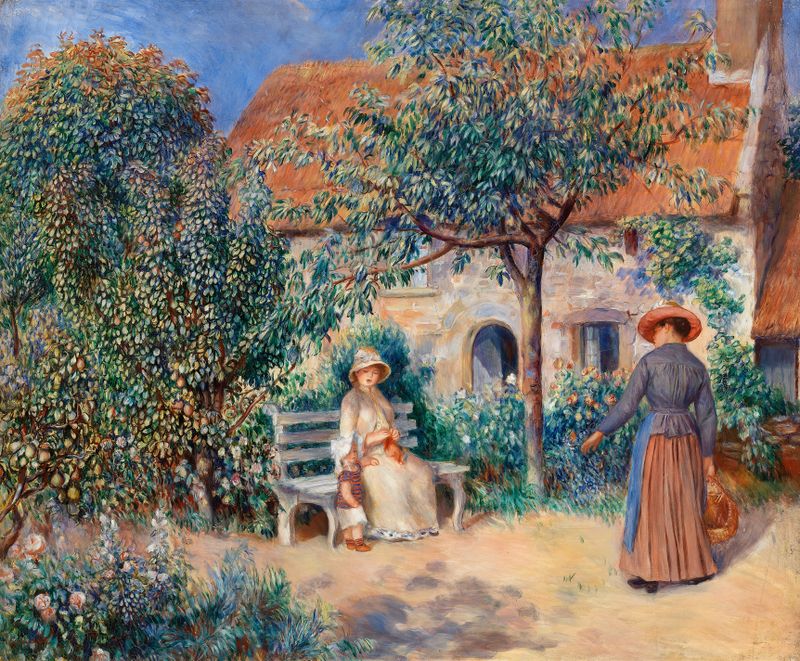
In Brittany (En Bretagne)
Pierre-Auguste Renoir
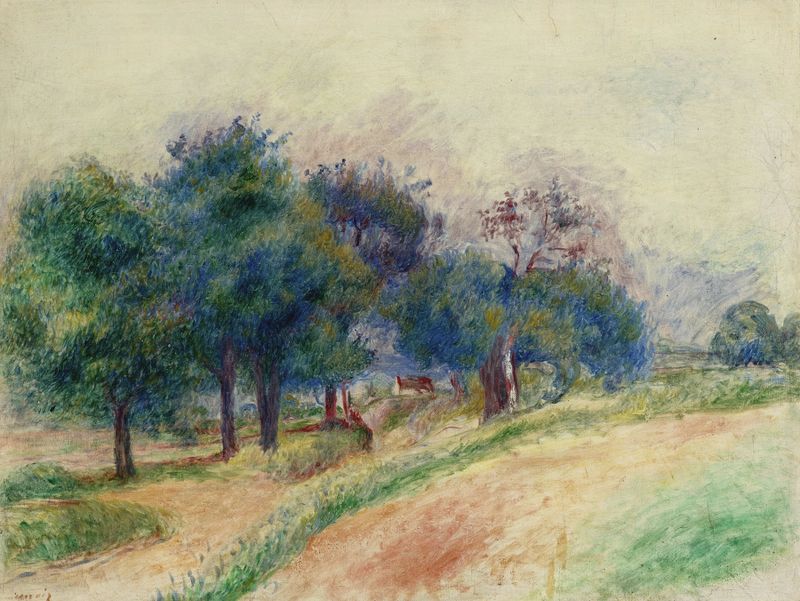
Paysage d’Essoyes
Pierre-Auguste Renoir





