
Peasant Woman from Vikøy — History & Facts
What draws the eye first in Peasant Woman from Vikøy is the quiet gravity of the woman’s concentration. Her hands, broad and weathered, are caught mid-motion as she works a length of fabric with careful precision. The light falls gently over her white headdress and the pale cloth, setting them aglow against the deep, earthy background, while her face remains shaded, her gaze cast downward in absorption.
Every fold in her cap and every shadow on her sleeve seems designed to lead us back to her task, suggesting not just the act of sewing or mending, but the dignity found in work done well and without spectacle. The palette is restrained, earthy browns and muted whites, lending the scene a sense of calm and timelessness, as if the world outside her small table has fallen away. Painted in 1873 by Adolph Tidemand, this work belongs to a period when artists across Northern Europe, especially in Norway, turned their attention to rural life and the rituals of everyday people. Such images were often created as quiet celebrations of national identity, capturing the customs and costumes that defined local communities in a rapidly changing world.
The piece now resides in the National Museum of Art, Architecture and Design, a fitting home for a painting that honors the quiet persistence of tradition. History has kept few traces of this particular sitter or her story, but the painting’s focus on her hands and her work invites us to linger, to imagine the rhythms of a life shaped by patience and skill.
More Artworks by Adolph Tidemand

Bridal Procession on the Hardangerfjord
Adolph Tidemand
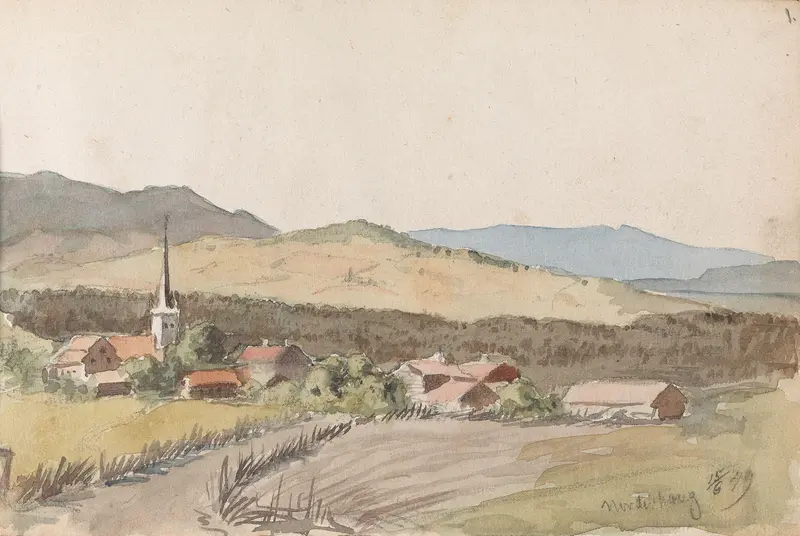
Fra Haugsbygd
Adolph Tidemand
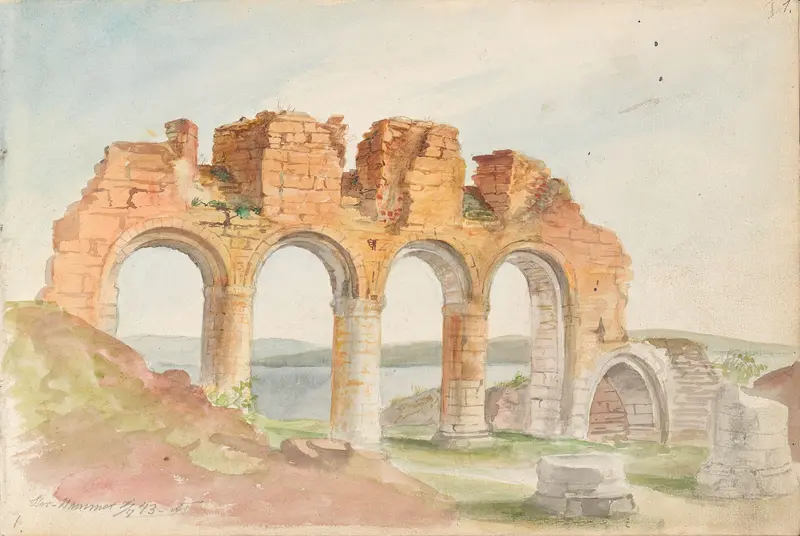
Domkirkeruinen, Hamar
Adolph Tidemand
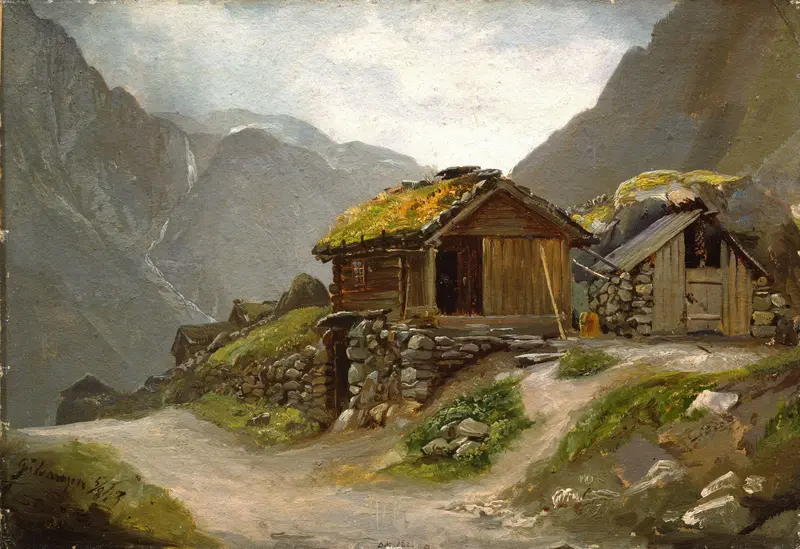
View from Gudvangen
Adolph Tidemand
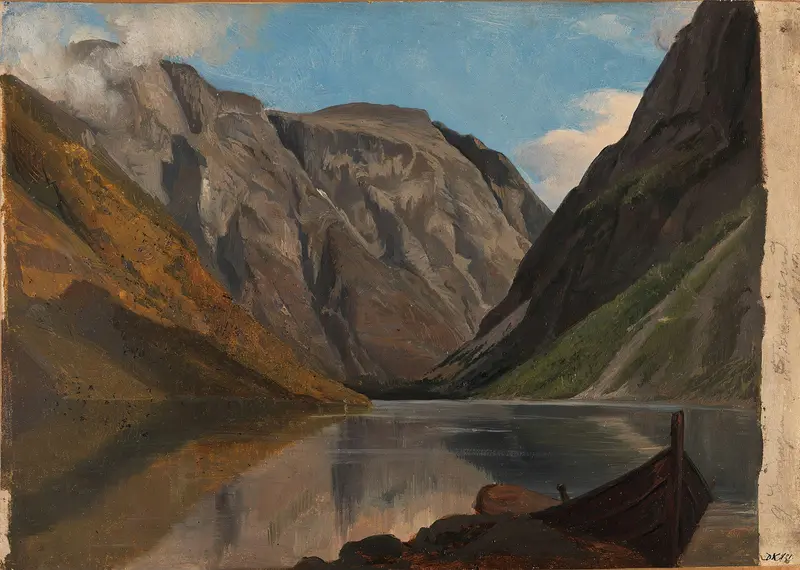
View of Gudvangen
Adolph Tidemand
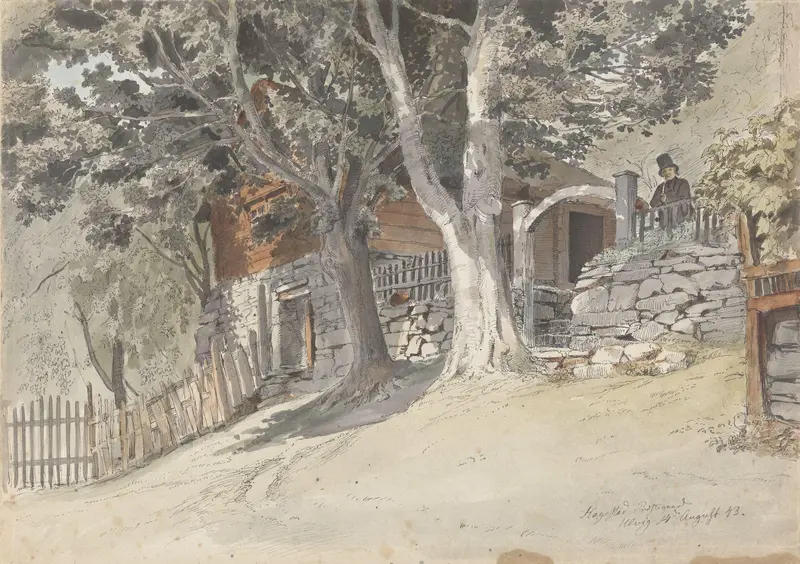
Hagestad prestegård, Ulvik i Hardanger
Adolph Tidemand
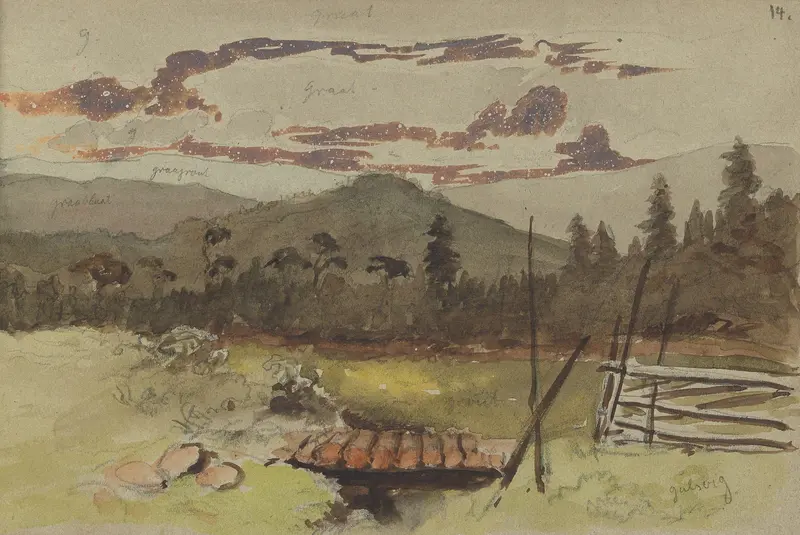
Fra Gulsvik
Adolph Tidemand
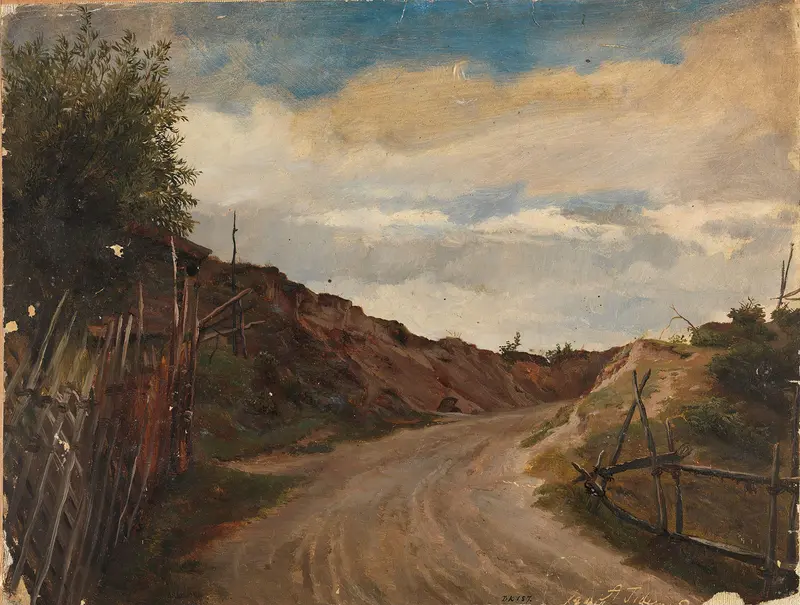
Country Road
Adolph Tidemand
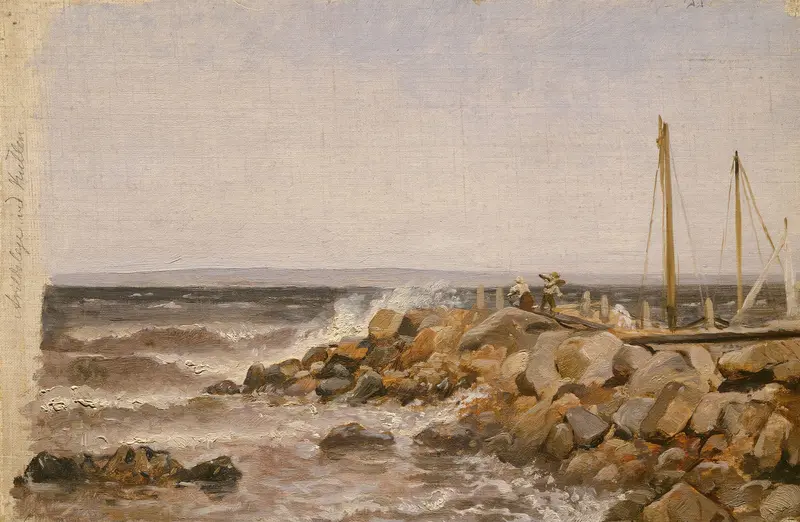
From Kullen in Sweden
Adolph Tidemand
Untitled
Adolph Tidemand
More Genre Scene Art

Banquet of the Officers of the St George Civic Guard
Frans Hals

Rembrandt and Saskia in the Scene of the Prodigal Son
Rembrandt van Rijn

Bal du moulin de la Galette
Pierre-Auguste Renoir

Quadrille at the Moulin Rouge
Henri de Toulouse-Lautrec

A Burial at Ornans
Gustave Courbet

When Will You Marry?
Paul Gauguin