
Pecquigny — History & Facts
What if silence could speak through light? In a delicate play of shadows and reflections, the essence of tranquility is captured in a moment that invites introspection. To fully appreciate the artwork, look to the gentle interplay of light and water that defines the central scene. Notice how the sun's warm rays dance upon the surface, painting a luminous path across the canvas. The palette is a symphony of blues and greens, with flecks of gold shimmering in the ripples.
Pay attention to the reflections of trees bending slightly at the water's edge, blending with their surroundings, creating an illusion of harmony and balance. Beneath the serene surface, an emotional tension simmers. The stillness of the landscape contrasts with the dynamic movement of the water, suggesting both peace and the ever-present passage of time. The absence of figures amplifies this sense of solitude, inviting the viewer to ponder their own place within the scene.
Each brushstroke seems to murmur secrets of nature, hinting at the unspoken stories that lie beneath the facade of calm. Created during the late 19th century, the artist worked amidst the rise of Impressionism, a movement that emphasized capturing fleeting moments in everyday life. As a member of this group, he sought to portray the beauty of everyday scenes, using vibrant colors and innovative techniques. His choice to depict a tranquil waterscape reflected both his personal affinity for nature and the broader artistic exploration of light that was redefining the art world of his time.
More Artworks by Maximilien Luce
Browse all →
Le Quai Montebello Et La Colline Sainte-Geneviève
Maximilien Luce

Le Pont-Neuf, La Seine, Petit Bras
Maximilien Luce
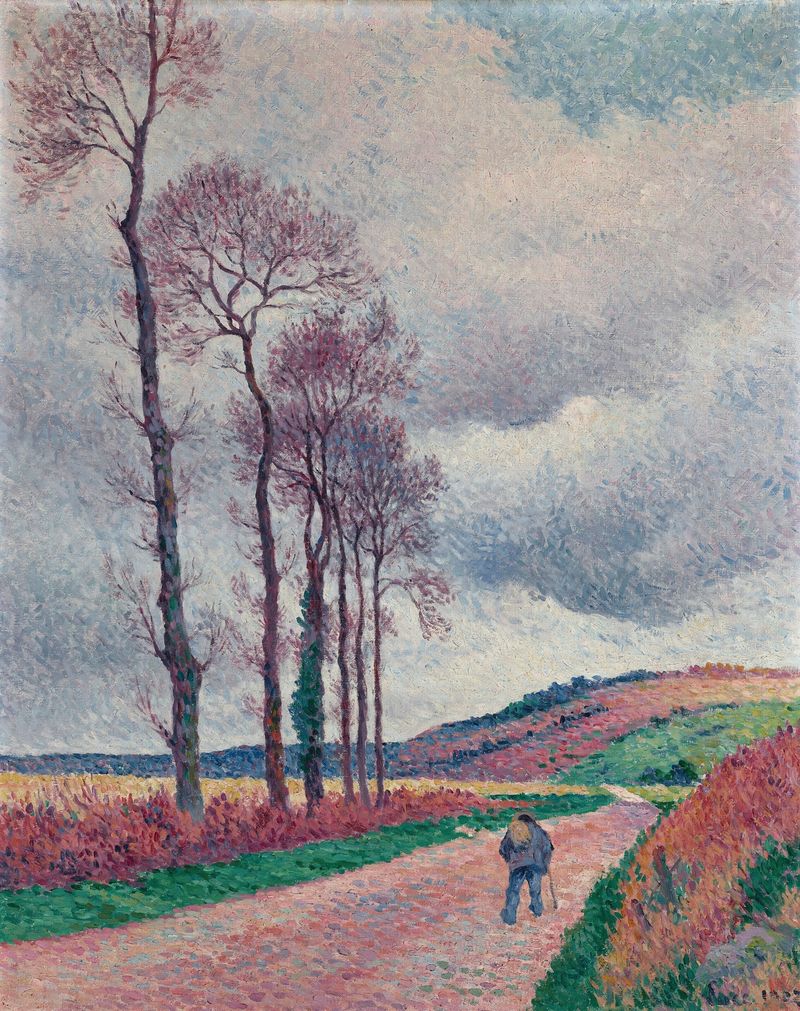
La route aux environs de Méréville
Maximilien Luce
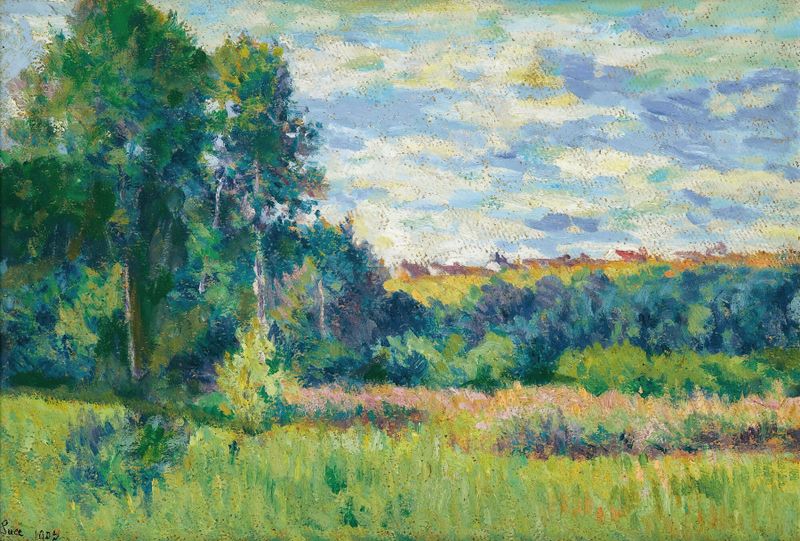
Paysage
Maximilien Luce
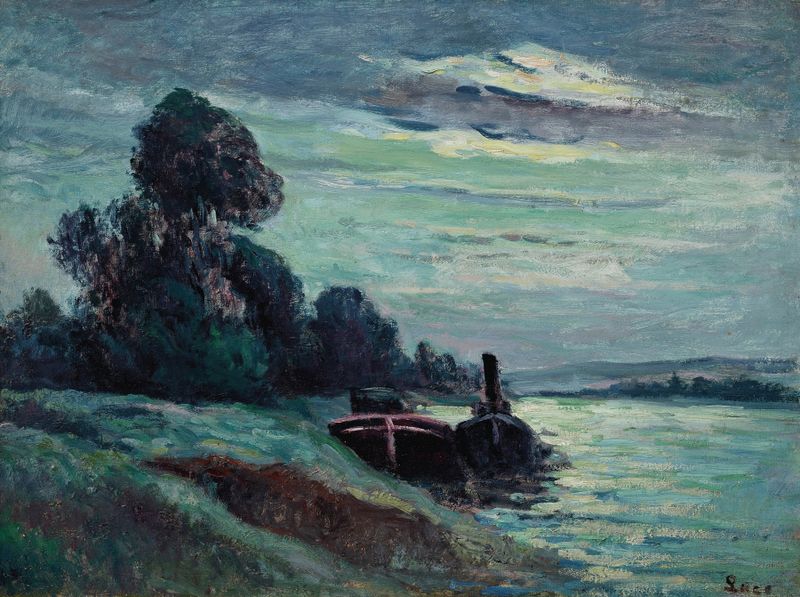
Péniches sur la Seine
Maximilien Luce

Notre Dame de Paris
Maximilien Luce
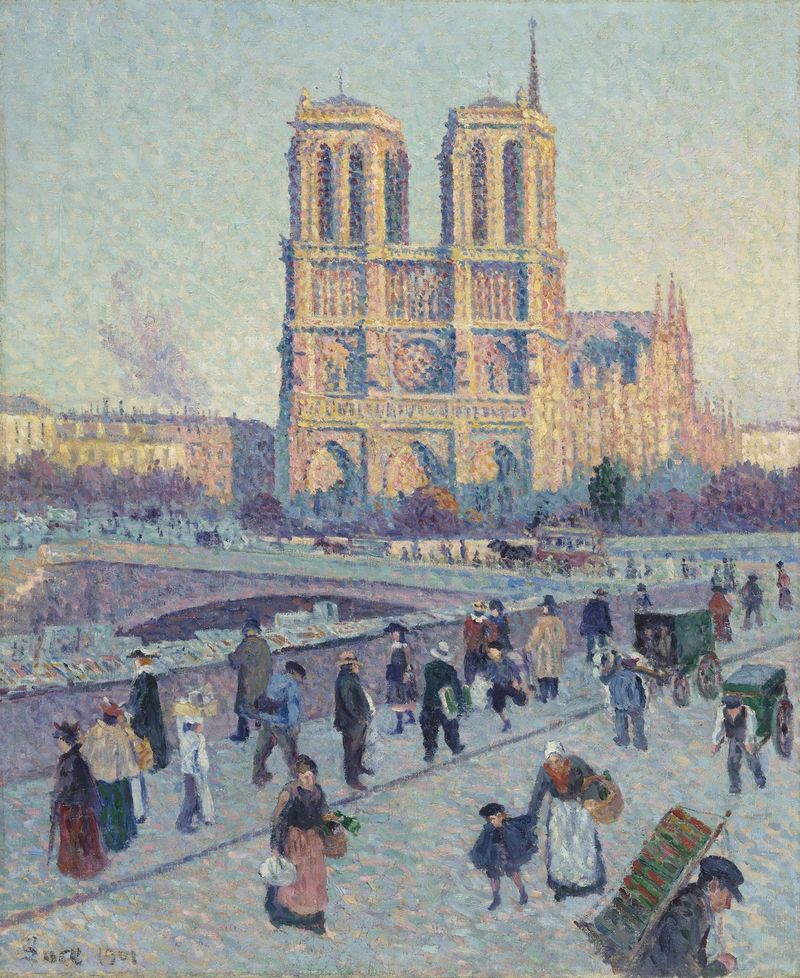
The Quai Saint-Michel and Notre-Dame
Maximilien Luce

La Seine au Pont Mirabeau
Maximilien Luce
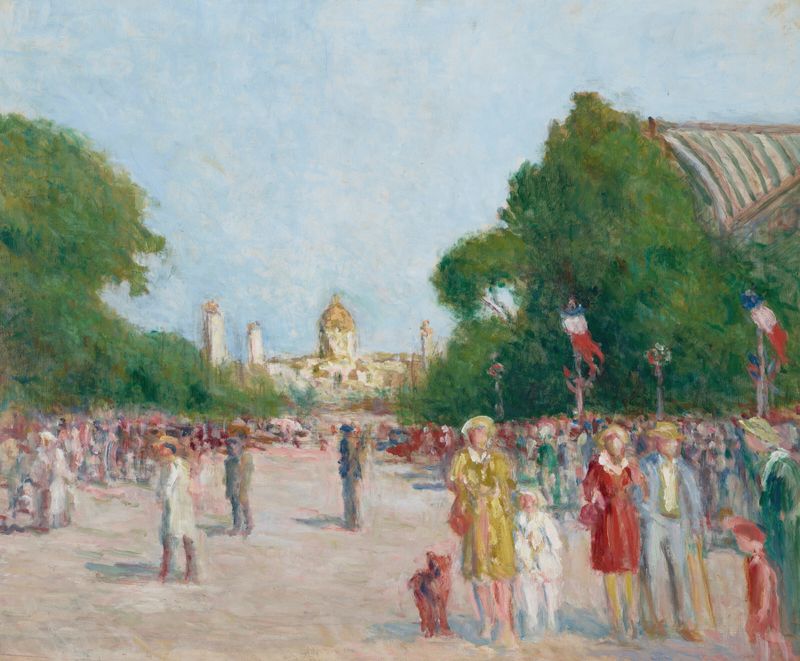
L’avenue Winston-Churchill, Paris
Maximilien Luce

Paris, Le Quartier De Vaugirard
Maximilien Luce





