
Penitent Magdalene — History & Facts
When Artemisia Gentileschi painted Penitent Magdalene in 1628, she was already renowned across Italy for her bold depictions of women, but this work stands out for its intimate, almost confessional mood. Unlike many artists of her era, Gentileschi returned to the figure of Mary Magdalene several times, each version reflecting a different chapter in her own life. The 1628 painting, created during her productive Neapolitan period, is often discussed for its striking blend of sensuality and remorse—a Magdalene who is neither saint nor sinner, but a woman caught between worlds.
Scholars have long debated whether this Magdalene is a self-portrait in disguise, a theory fueled by the lifelike immediacy of the figure’s face. At this moment, Magdalene is shown in the throes of repentance, her gaze lifted, eyes glistening with unshed tears. Her loose hair and the discarded jewels at her side speak of a past life of luxury, now renounced. The heavy, golden light falls across her bare shoulder, emphasizing both vulnerability and resolve.
A simple crucifix and a skull rest nearby, classic symbols of mortality and salvation. Unlike Caravaggio’s Magdalene, who sits slumped in despair, Gentileschi’s Magdalene is caught in the act of turning—her body tense, her expression searching for forgiveness, making the viewer a witness to her inner struggle. The precise journey of this painting is not fully documented, but it is believed to have been created for a private patron in Naples, where Gentileschi found both protection and artistic opportunity. Over the centuries, the work has passed through various hands, at times misattributed or overshadowed by male contemporaries.
Today, Penitent Magdalene is recognized as a key work from Gentileschi’s mature period, admired for its psychological depth and technical skill. Its survival and growing acclaim mirror the artist’s own story—long overlooked, now restored to her rightful place in the history of the Baroque.
More Artworks by Artemisia Gentileschi

Judith Beheading Holofernes
Artemisia Gentileschi
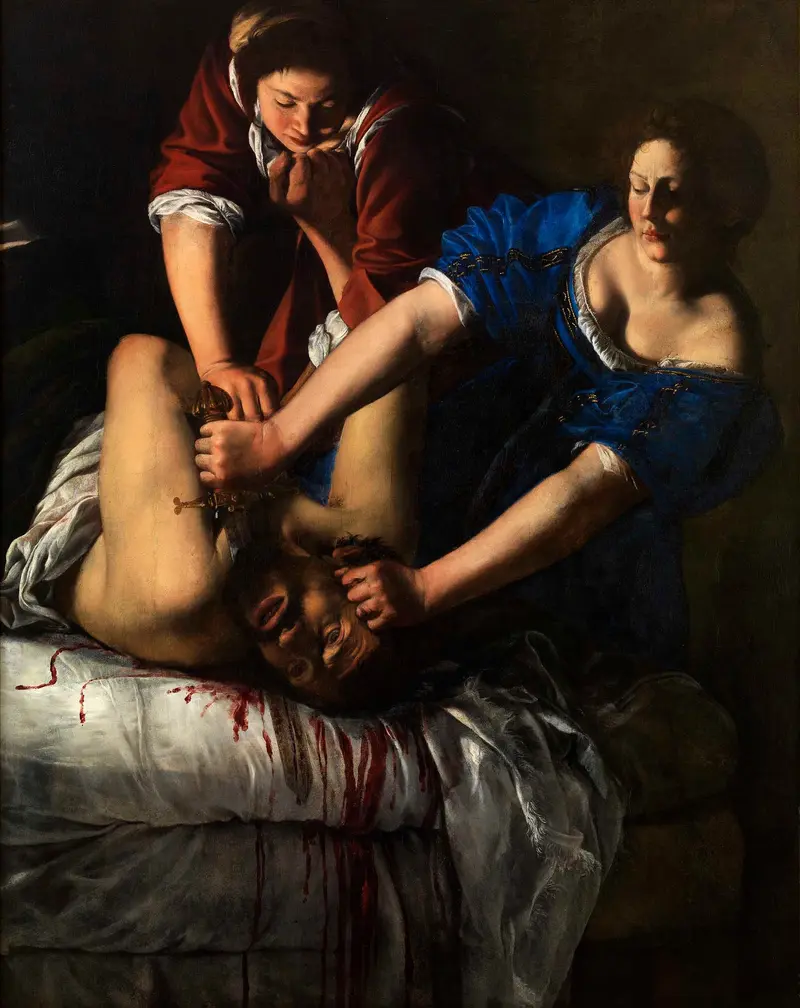
Judith Slaying Holofernes
Artemisia Gentileschi
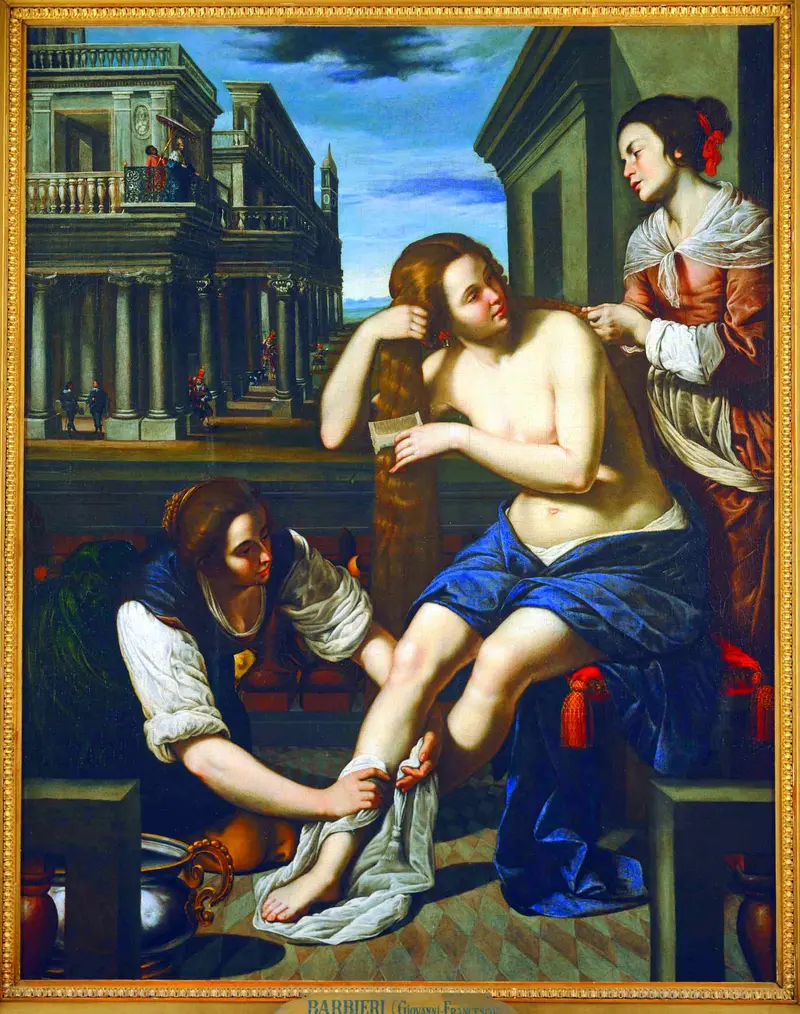
Bathsheba at Her Bath
Artemisia Gentileschi
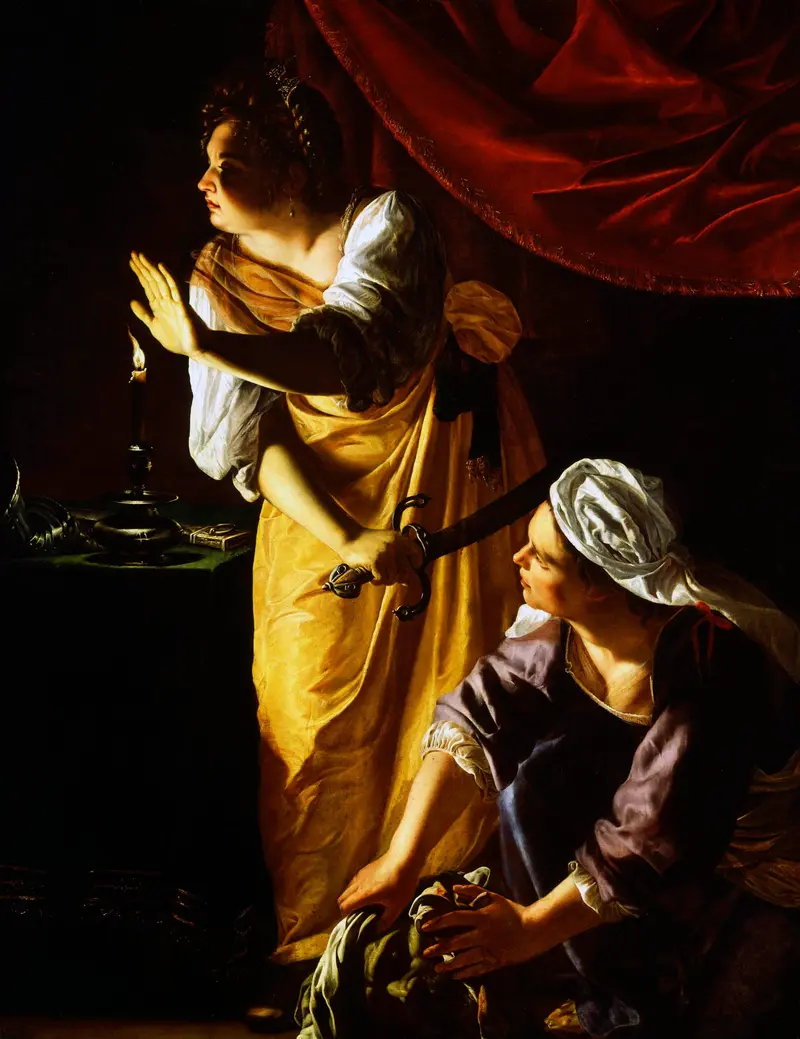
Judith and Maidservant with Head of Holofernes
Artemisia Gentileschi
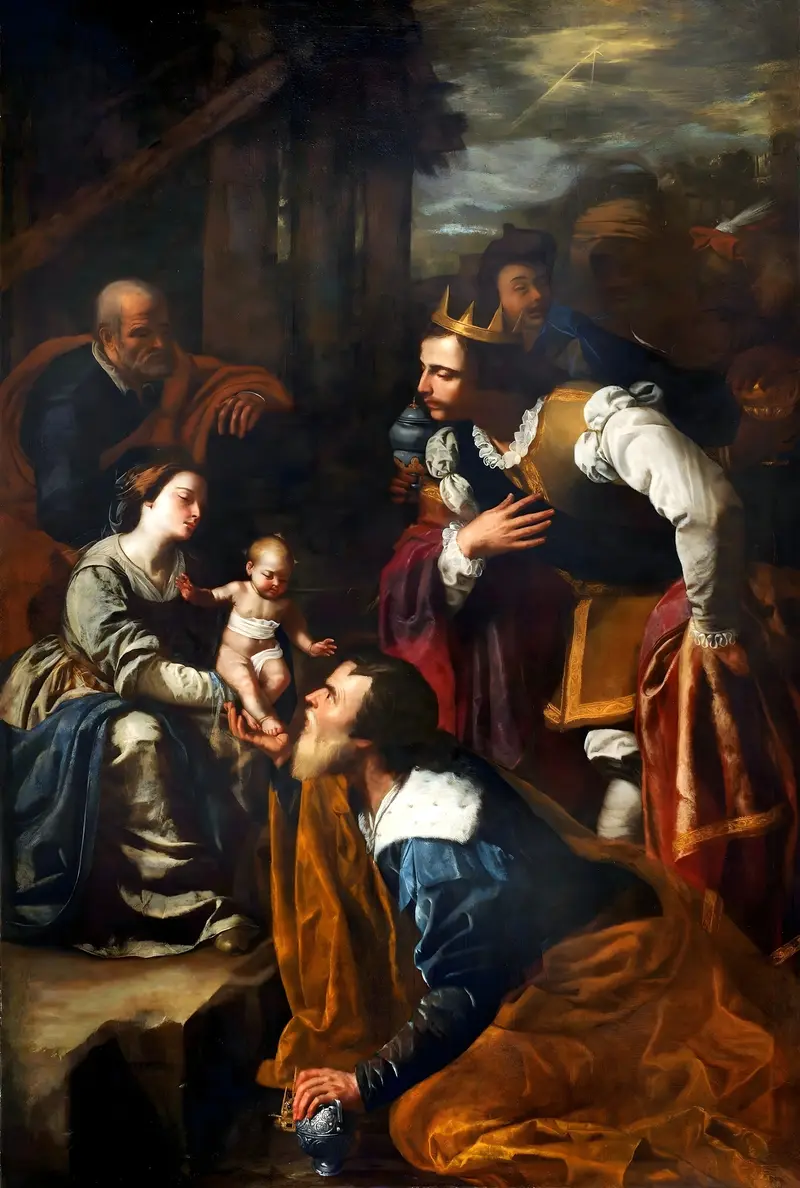
Adoration of the Magi
Artemisia Gentileschi
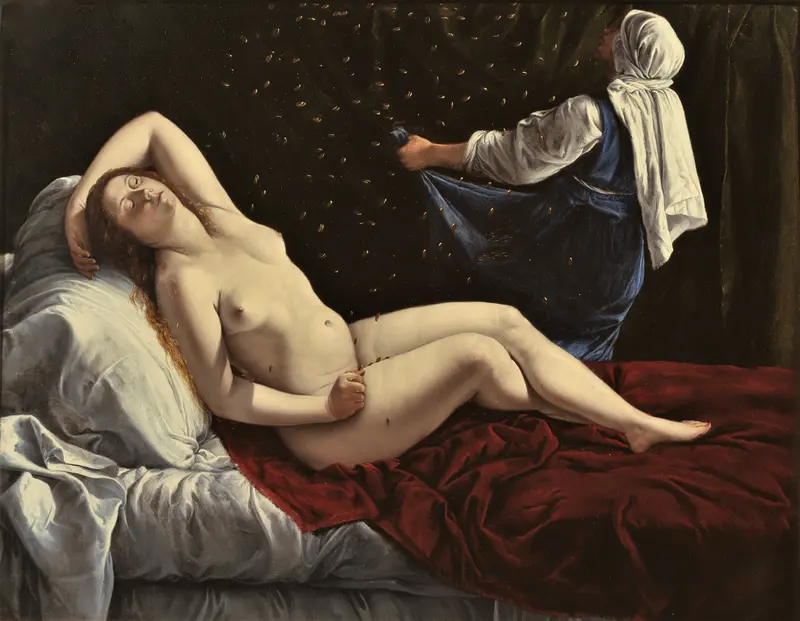
Danaë
Artemisia Gentileschi
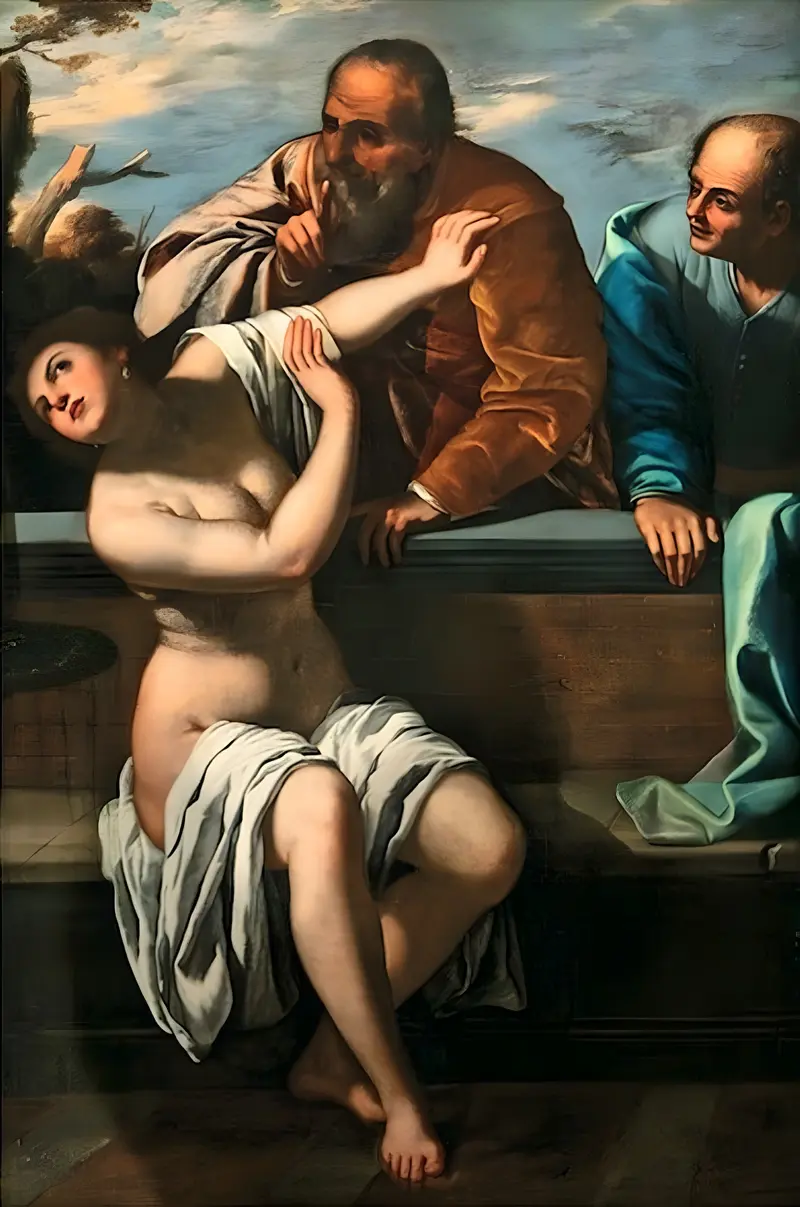
Susannah and the Elders
Artemisia Gentileschi

Judith and her Servant with the Head of Holofernes
Artemisia Gentileschi
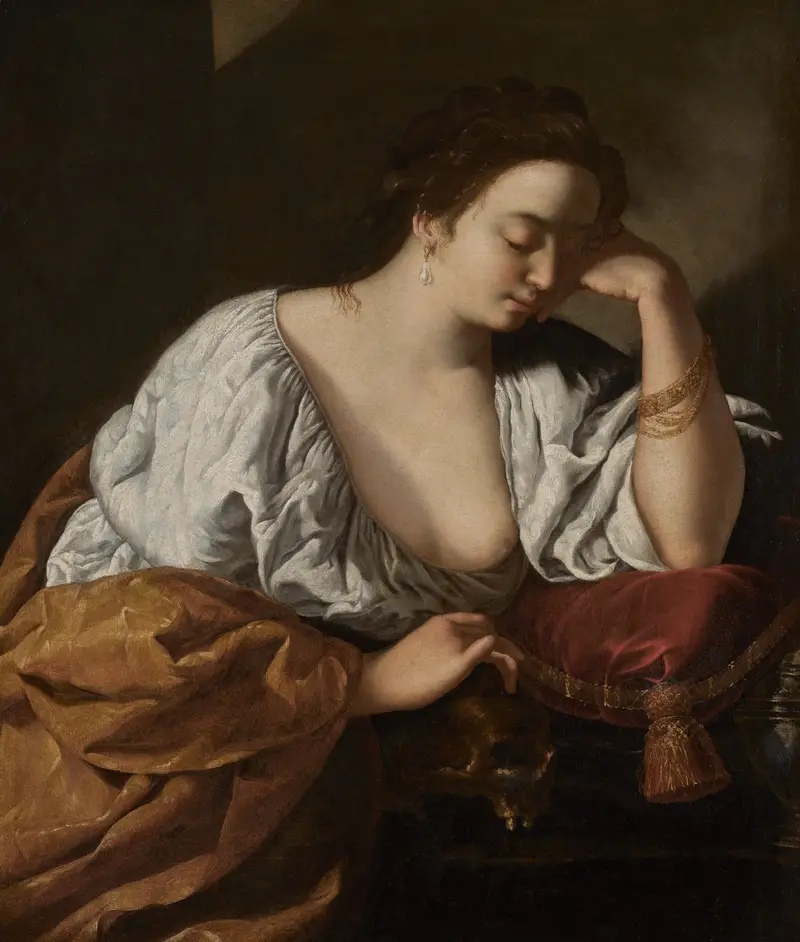
Madeleine pénitente, par
Artemisia Gentileschi
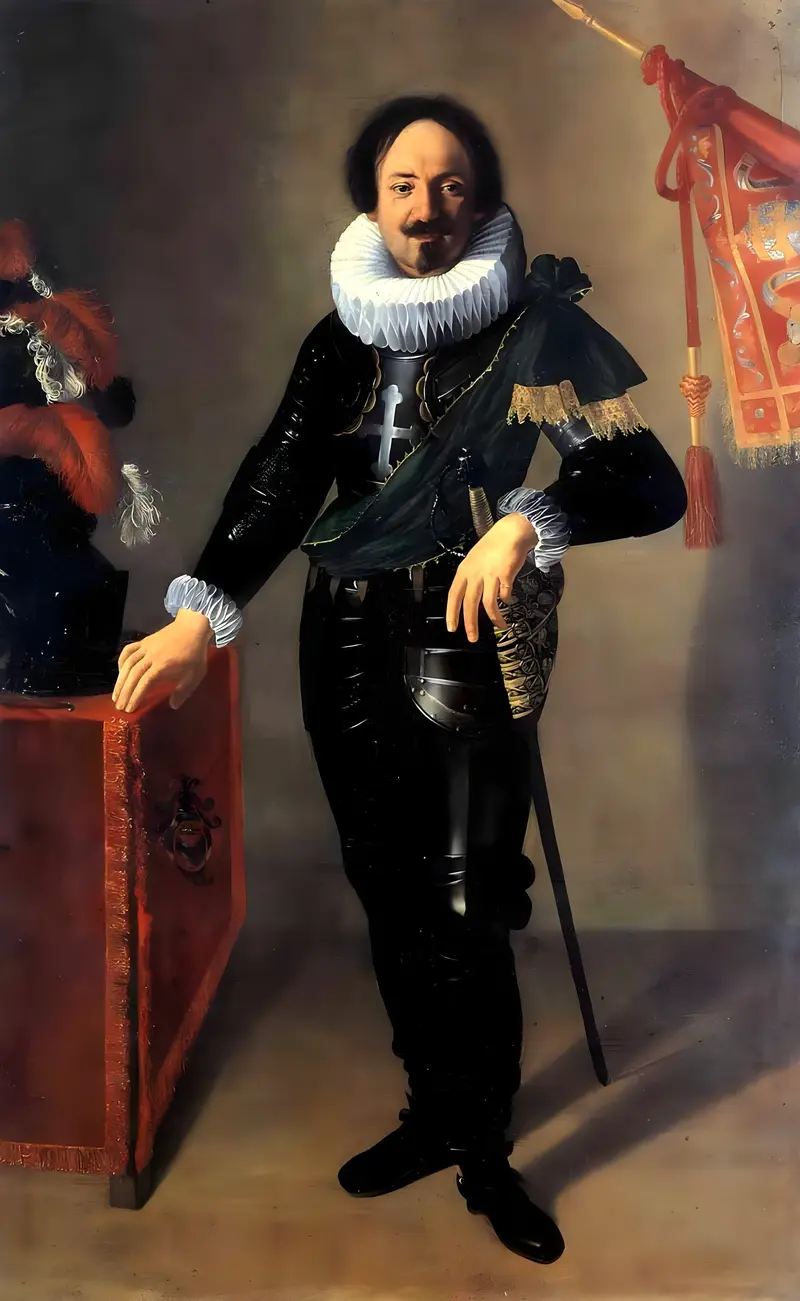
Portrait of a Gonfaloniere
Artemisia Gentileschi





