Pergola with Oranges — History & Facts
When did color learn to lie? In Pergola with Oranges, the vibrancy of oranges hangs suspended in a delicate dance, inviting viewers to ponder the complexities of nature's palette. Look to the center where a cascade of bright oranges spills from a bough, their warm hues contrasting sharply with the cooler tones of the surrounding foliage. The artist’s brushwork flows with a gentle fluidity, guiding our gaze through the play of light filtering beneath the pergola. Shadows intertwine with the sunlit spots, creating a harmonious balance that breathes life into the composition, beckoning the eye to explore every inch. Beneath this vibrant display lies a deeper narrative of contrast and balance.
The richness of the fruit symbolizes abundance, yet the muted greens and browns evoke a sense of calm and restraint. This duality expresses the tension between nature's exuberance and the peacefulness of the setting. The interplay between light and shadow captures a moment in time, suggesting both the fleeting beauty of the scene and the enduring presence of the earth itself. Created around 1834, this work emerged during a period when Fearnley was traveling through Italy, drawn by the enchanting landscapes and light of the Mediterranean.
This time was marked by a growing Romantic movement, where artists sought to express emotional depth and connection to the natural world. Fearnley’s exploration of color and atmosphere reflects not only his personal experiences but also the broader artistic currents of his time, melding realism with an emotional resonance that continues to captivate.
More Artworks by Thomas Fearnley
Browse all →
Norwegian Landscape, Marumfoss
Thomas Fearnley

View of the Oslofjord
Thomas Fearnley

Gudvangen
Thomas Fearnley

Stormy Landscape with a Rider
Thomas Fearnley
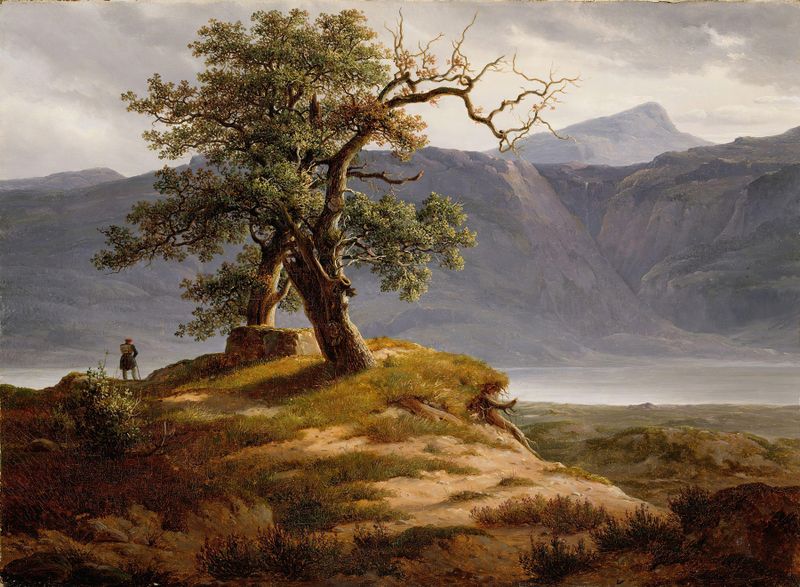
Landscape with a Wanderer
Thomas Fearnley
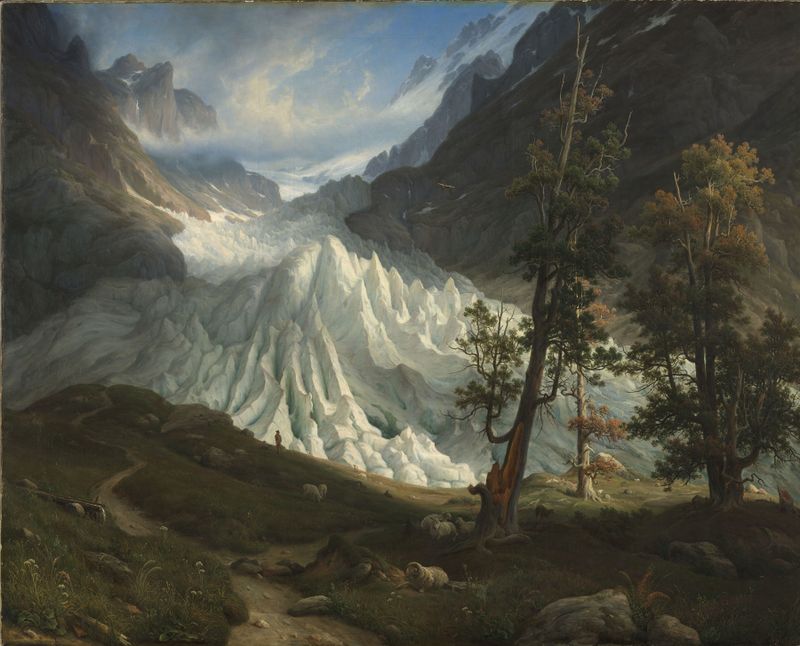
The Grindelwaldgletscher
Thomas Fearnley

Clouds over the Fjord
Thomas Fearnley
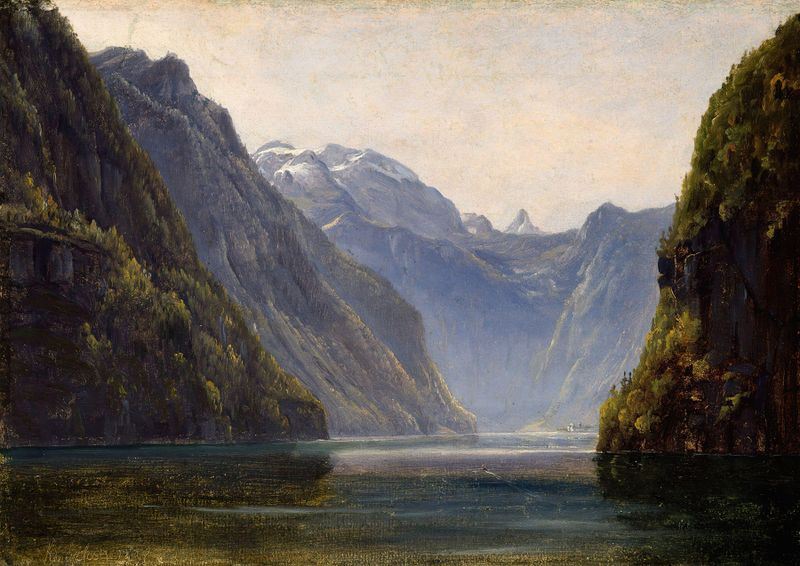
From Königssee
Thomas Fearnley

The Bridge of Hauge outside Arendal
Thomas Fearnley

King Vilhelm II’s ceremonial Processsion in Amsterdam in 1840
Thomas Fearnley