
Pieśń - Studium do obrazu Joanna d`Arc — History & Facts
Few artists have shaped a nation's historical imagination as powerfully as Jan Matejko, and in 1886, he turned his attention to the figure of Joan of Arc, the legendary French heroine. What makes Pieśń - Studium do obrazu Joanna d`Arc remarkable is that it is a preparatory study for a larger, never-completed composition—a rare glimpse into the artist’s working process, where we see Matejko wrestling with the visual language needed to capture both sanctity and rebellion. This study stands as one of the few known Polish interpretations of Joan’s story from the 19th century, reflecting Matejko’s fascination with figures who embody national and spiritual resistance. The scene Matejko selects is charged with anticipation: Joan, the peasant girl who would become a saint and a martyr, is caught in a moment of rapturous inspiration.
Her gaze is lifted, lips parted as if in song or prayer, while her hands clutch a simple banner—her legendary standard, symbolizing divine mission and national hope. The composition is intimate, stripped of battlefield or courtly spectacle, focusing instead on Joan’s inner conviction. The soft modeling of her features and the play of light across her upturned face recall the psychological depth found in Jean-Auguste-Dominique Ingres’s treatments of female saints, yet Matejko’s Joan is distinctly grounded, her peasant origins evident in the plainness of her dress and the earnestness of her expression. The precise fate of this study is not fully documented, but it is characteristic of Matejko’s late period, when he often explored themes of heroism and martyrdom in both Polish and broader European history.
Unlike his monumental canvases commissioned for public spaces, this work was likely intended for his own reference or as a demonstration for students at the Kraków Academy of Fine Arts, where he served as director. Today, Pieśń - Studium do obrazu Joanna d`Arc is preserved in the collection of the National Museum in Kraków, offering visitors a rare, unfinished window into the creative process of Poland’s foremost historical painter.
More Artworks by Jan Matejko
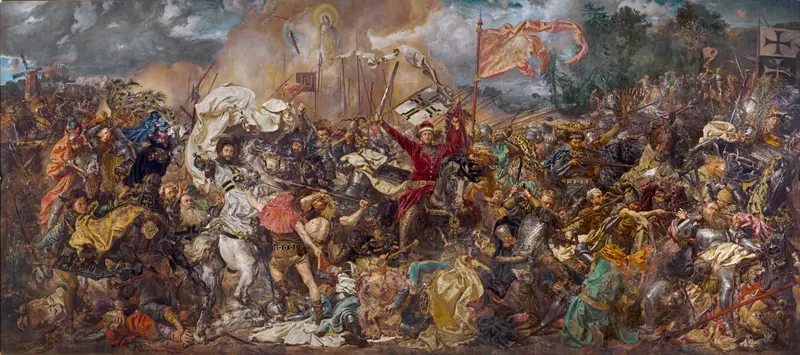
Battle of Grunwald
Jan Matejko

Stańczyk
Jan Matejko

Battle of Raclawice
Jan Matejko
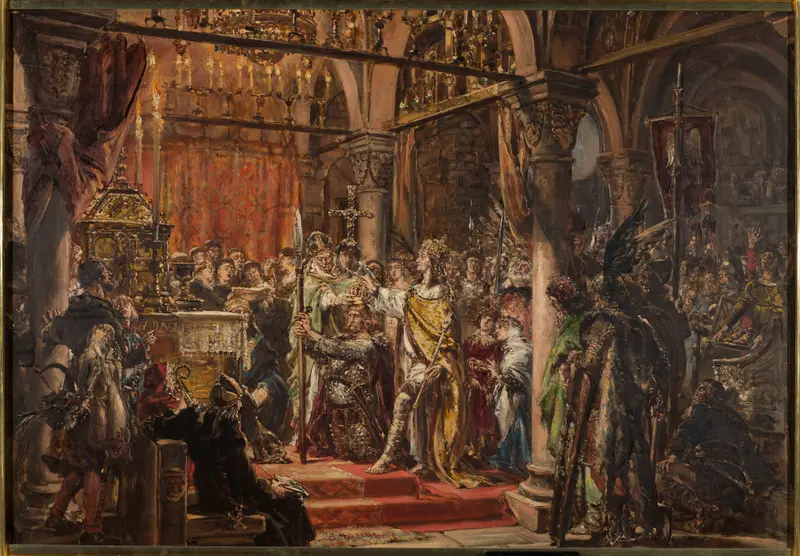
Coronation of the First King, 1001 AD, from the series “History of Civilization in Poland”
Jan Matejko
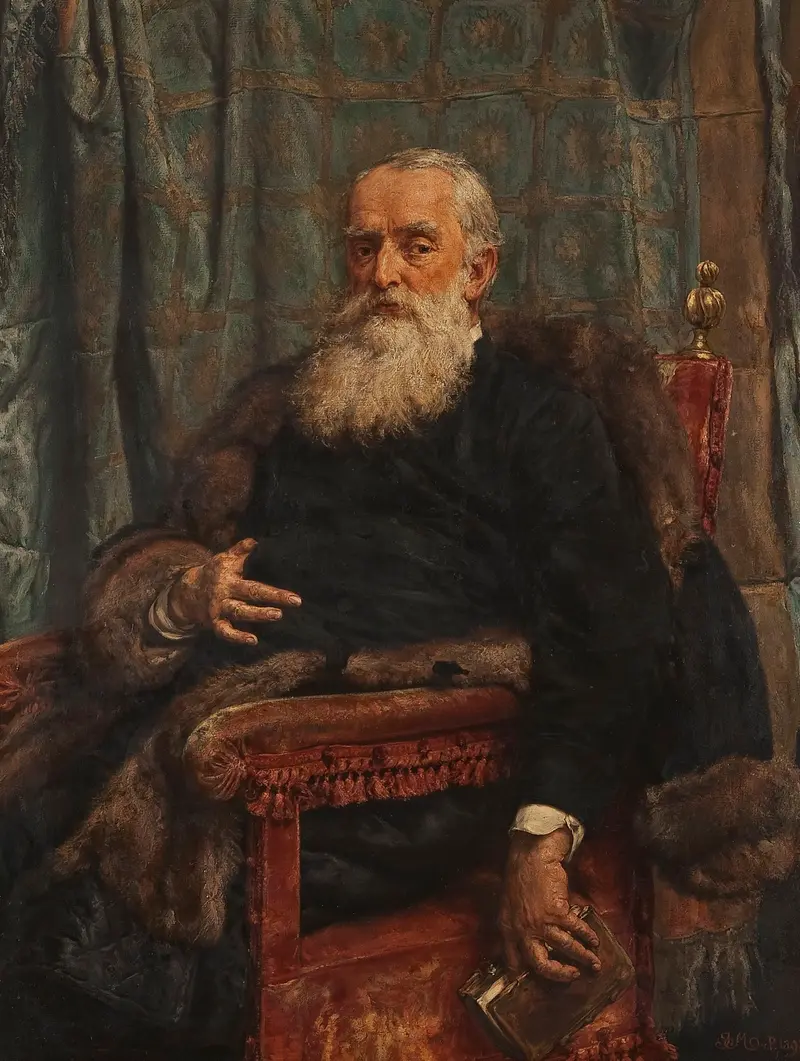
Portrait of Henryk Krajewski
Jan Matejko
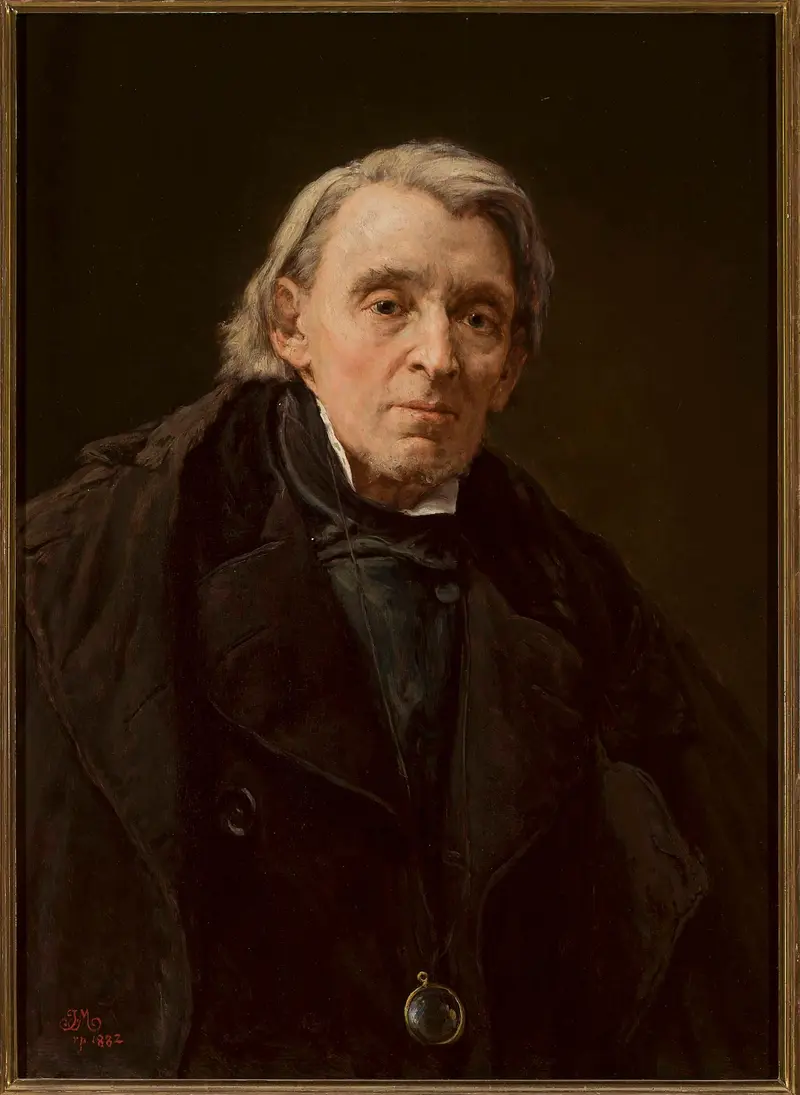
Portrait of Karol Podlewski
Jan Matejko
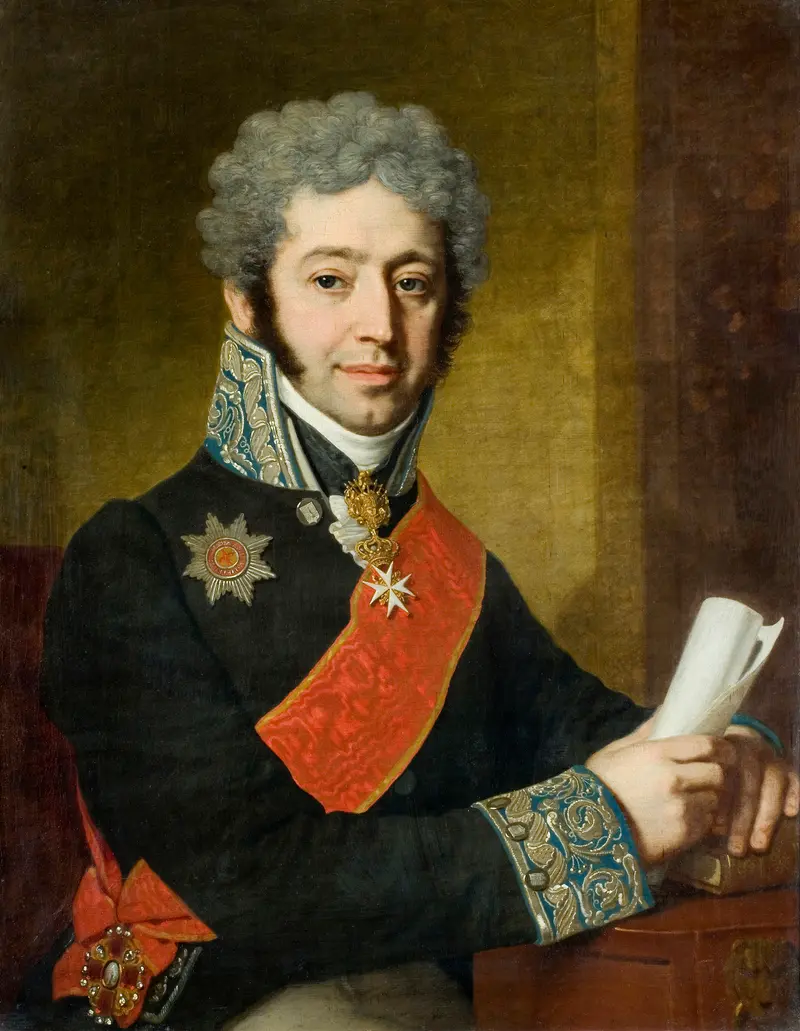
Portrait of Potocki and Poninski
Jan Matejko
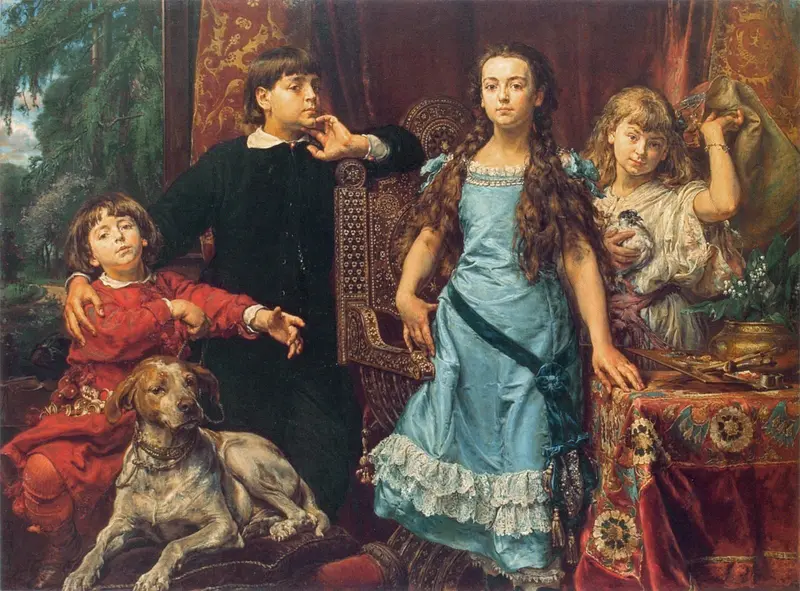
Portrait of the artist's four children
Jan Matejko
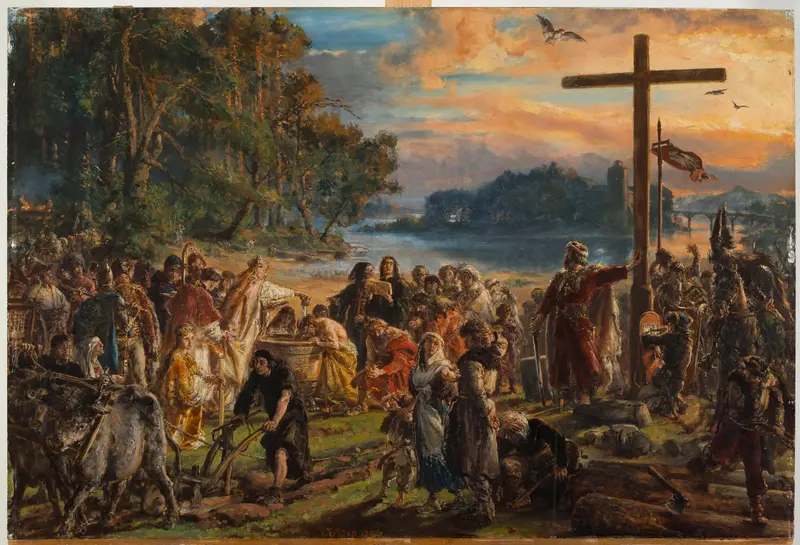
Introduction of Christianity in Poland
Jan Matejko
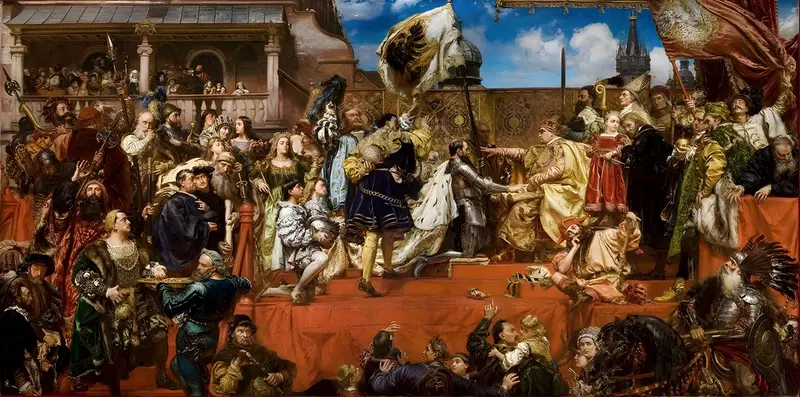
Prussian Homage
Jan Matejko





