
Pieter Schout on Horseback — History & Facts
What first commands attention in Pieter Schout on Horseback is the quiet authority of its rider, poised atop a glossy black steed against a landscape that swells with air and possibility. The eye is drawn upward from the horse’s taut, muscular form to the rider’s composed expression, framed by a cascade of curls and the sweep of a broad-brimmed hat. Every detail — the blue sash, the glint of metal on the saddle, the crisp folds of the rider’s attire — is rendered with a precision that signals both status and self-possession.
The landscape, with its rolling dunes and vast, cloud-filled sky, seems to pause in deference, lending the scene a sense of ceremony without spectacle. Light pools gently on the rider’s face and chest, setting him apart from the muted earth tones below, as if nature itself were acknowledging his rank. This painting belongs to the world of the Dutch Golden Age, when portraits of individuals on horseback were rare tokens of rank and accomplishment, often reserved for nobility or those who had rendered distinguished service. Created in 1660 by Adriaen van de Velde, the work’s date places it at a moment when the Dutch Republic was both asserting its power and celebrating its civic leaders.
The sitter, Pieter Schout, is identified as the drost of Hagestein — a title that speaks to local authority and responsibility. Such portraits were not mere likenesses but declarations: to be painted on horseback was to be immortalized as a figure of command, at ease in both nature and society. Today, the painting resides in the Rijksmuseum, a quiet testament to a time when the boundaries between landscape, portrait, and power were drawn with a painter’s hand.
Let your gaze return to the rider, and consider what it meant to be seen — and remembered — in this way.
More Artworks by Adriaen van de Velde

Staande stier
Adriaen van de Velde
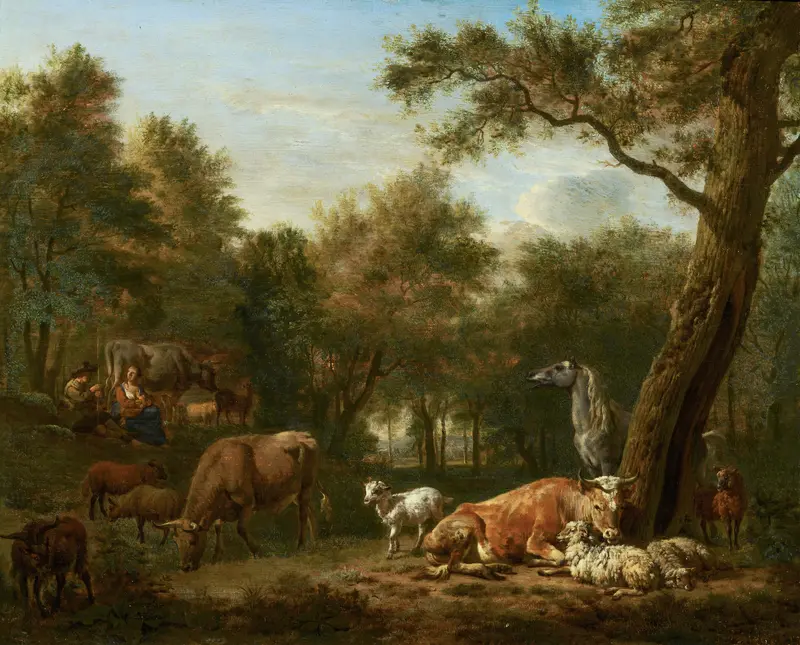
Wooded Landscape with Cattle
Adriaen van de Velde
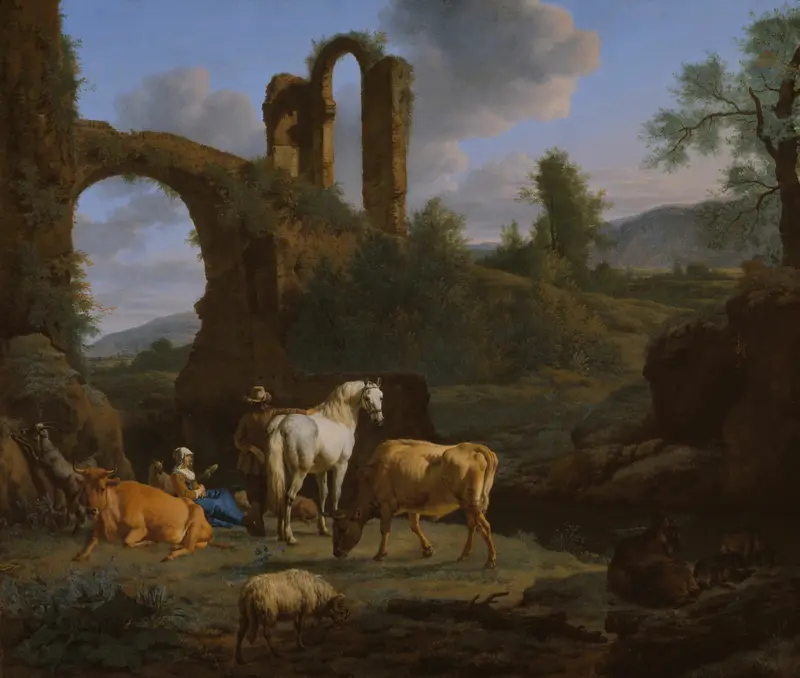
Pastoral Landscape with Ruins
Adriaen van de Velde
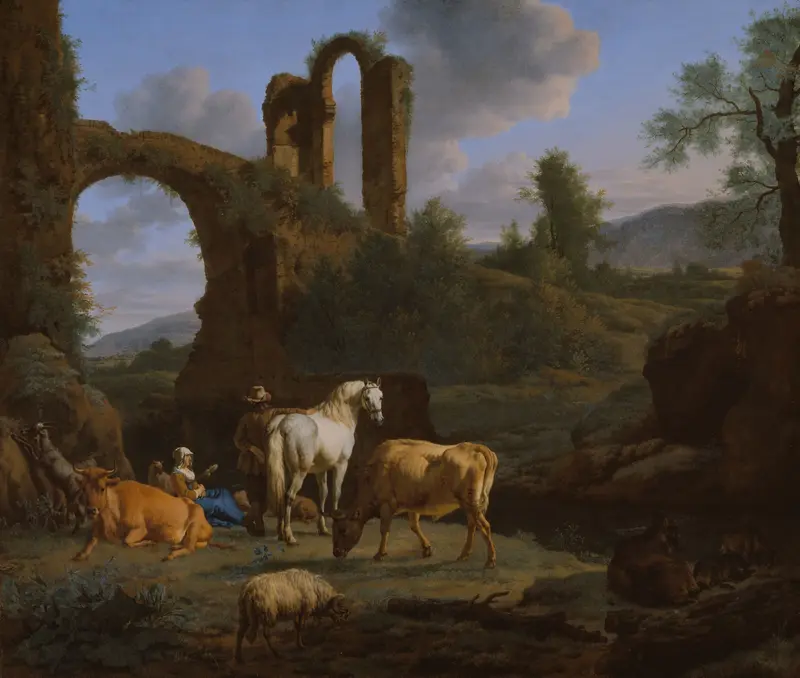
Pastoral Landscape with Ruins
Adriaen van de Velde
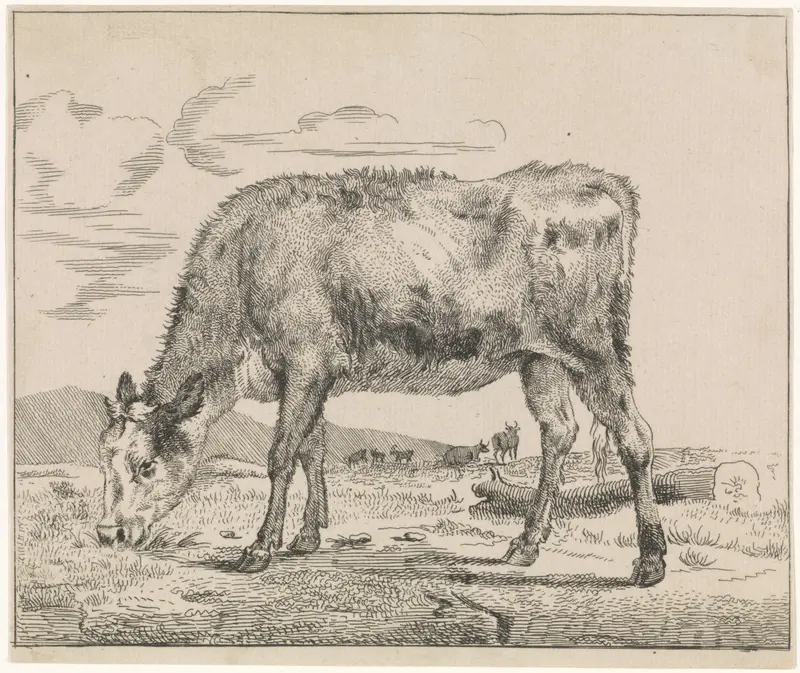
Grazend kalf
Adriaen van de Velde
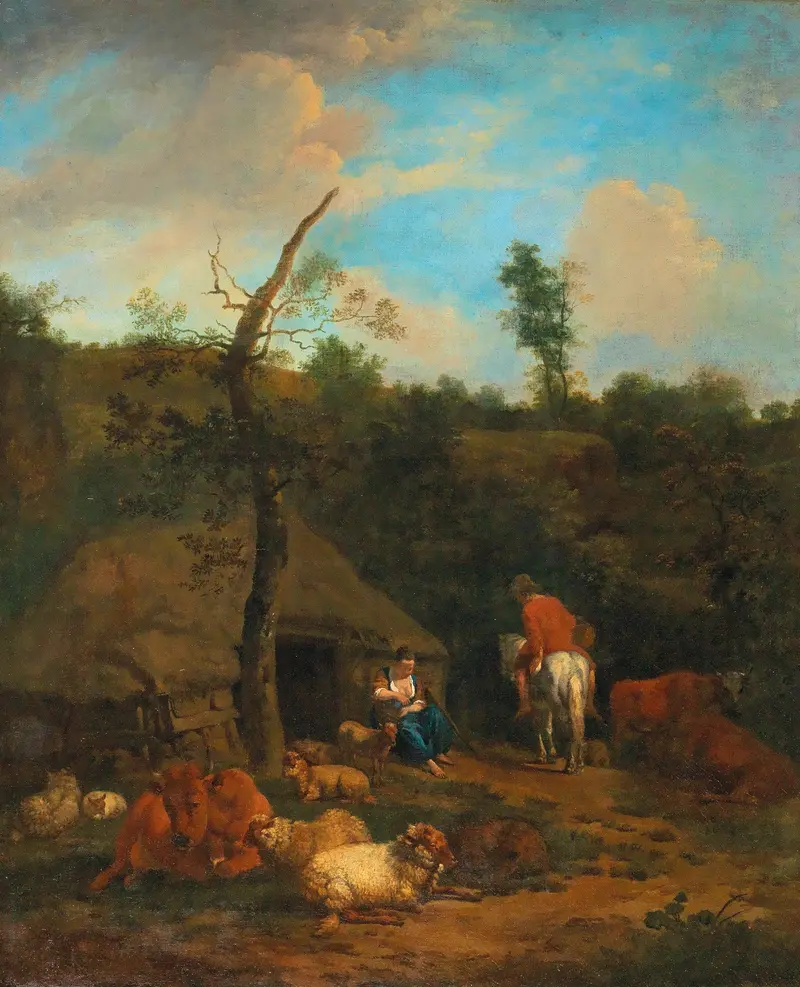
A herdsman and a shepherdess in front of a wooden farmhouse
Adriaen van de Velde
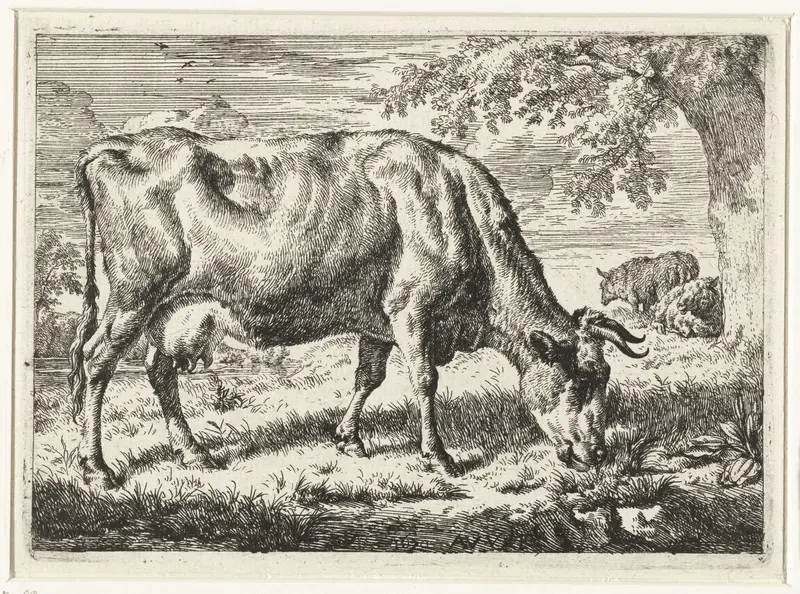
Grazende koe en twee schapen
Adriaen van de Velde
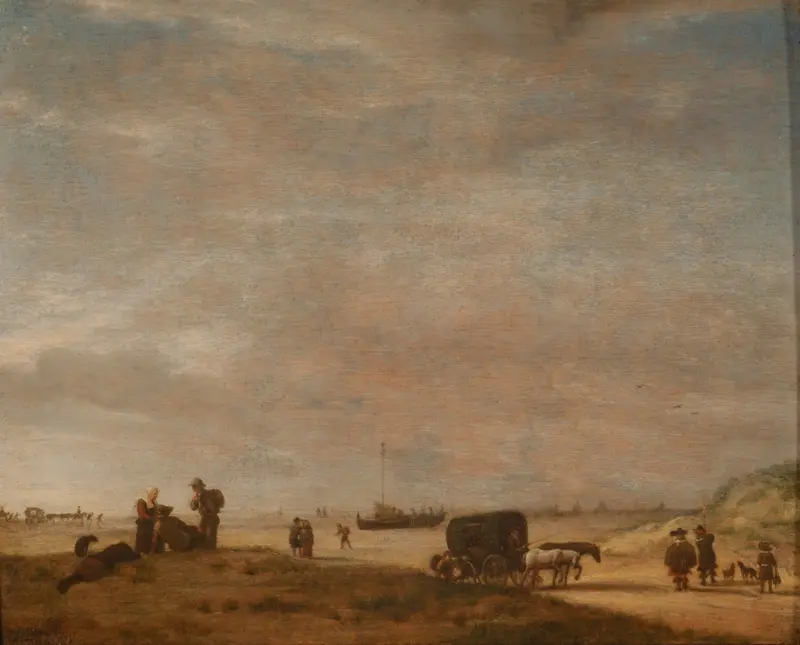
Scheveningen Beach
Adriaen van de Velde
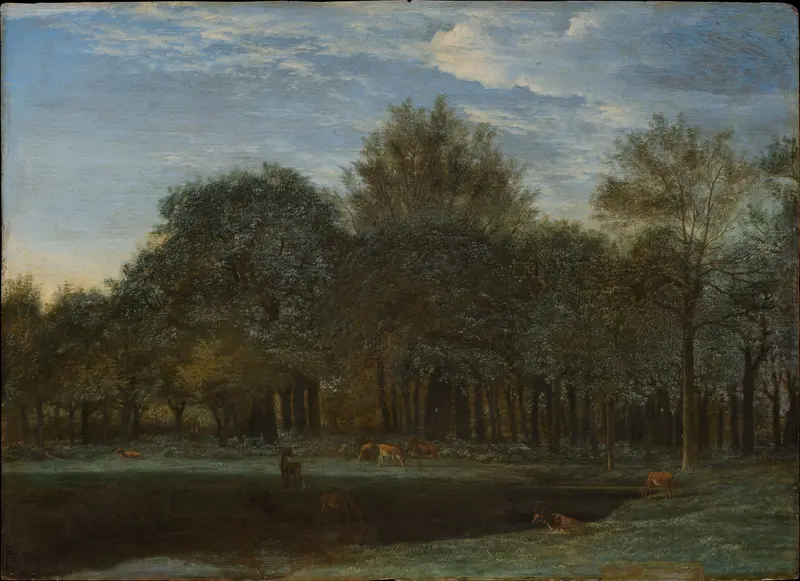
Forest Clearing with Grazing Deer
Adriaen van de Velde
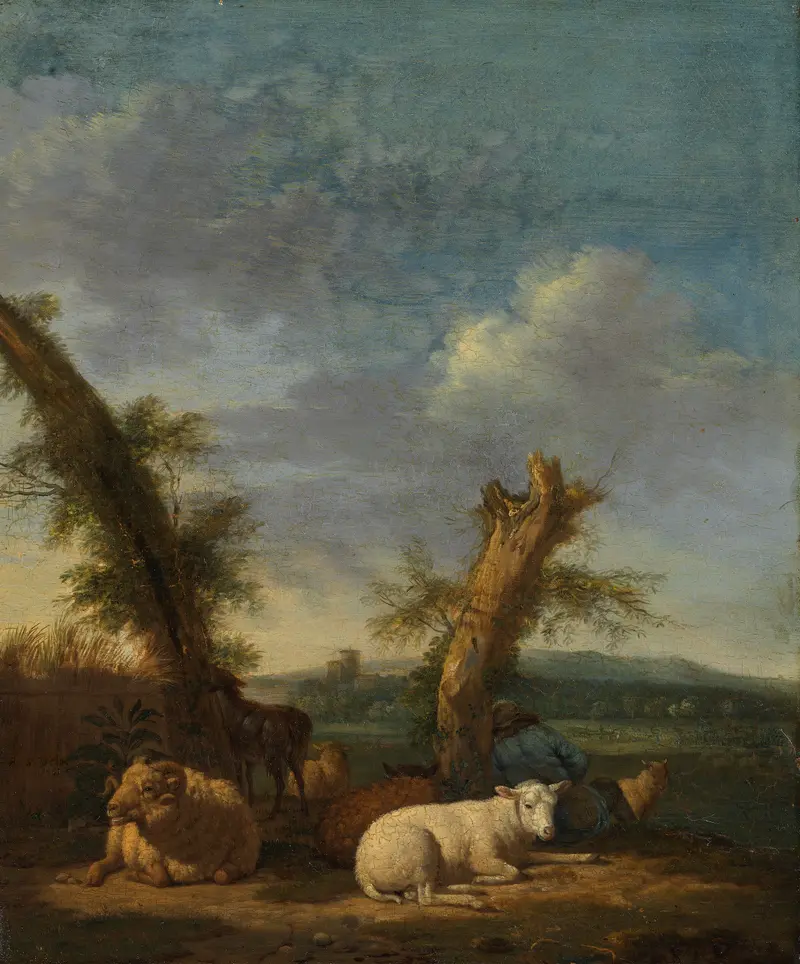
Landscape with Sheep and a Sleeping Shepherd
Adriaen van de Velde





