
Pine forest — History & Facts
Could beauty survive in a century of chaos? In the tranquil embrace of nature, memory whispers through the tall, stately trees that seem to breathe with life and history. Focus first on the deep greens that dominate the canvas, where the light filters through the dense canopy above, casting delicate shadows on the forest floor. Notice the intricate brushwork that brings each pine needle and trunk to life, revealing the artist's meticulous attention to detail. The composition draws your eye along a gentle path that meanders through the towering trees, inviting you to explore further into the serene depths of the forest. As you delve deeper into the scene, the interplay of light and dark invokes a sense of mystery and calm, contrasting the vibrant vitality of nature with the solitude of the viewer's experience.
Here, one might sense the weight of time, as the trees stand resilient against the winds of change, embodying continuity amid the chaos of the outside world. Each brushstroke serves as a reminder that beauty can thrive in even the most tumultuous of times, fostering a connection to memory, both personal and collective. In 1888, Julian Falat created this work while living in Poland, a time marked by political upheaval and social change in Europe. The late 19th century was a period of artistic exploration, as artists sought new ways to express their relationship with nature.
Falat, influenced by the Romantic movement, painted Pine forest during a time when he was embracing the natural landscapes of his homeland, reinforcing the idea that nature remains a sanctuary amidst turmoil.
More Artworks by Julian Falat
Browse all →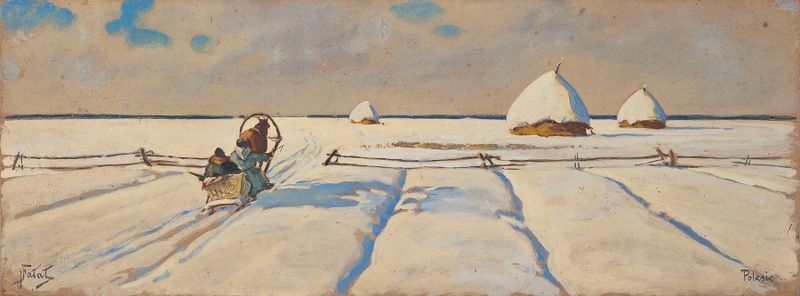
Sleigh in a snowy field – Polesia
Julian Falat
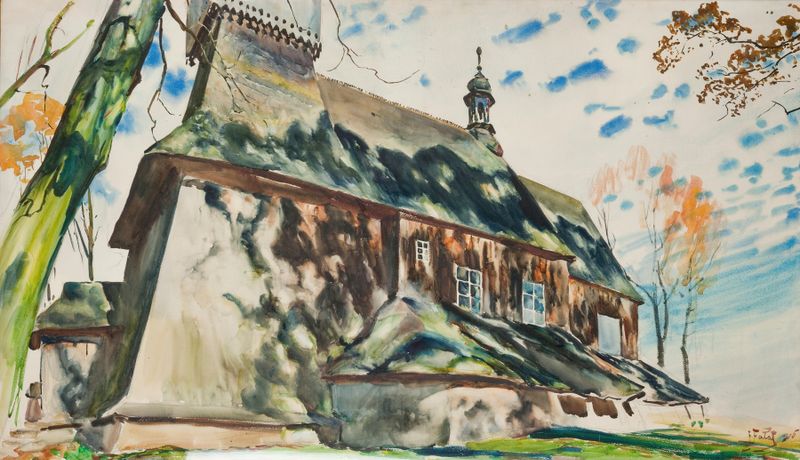
Church in Osiek
Julian Falat
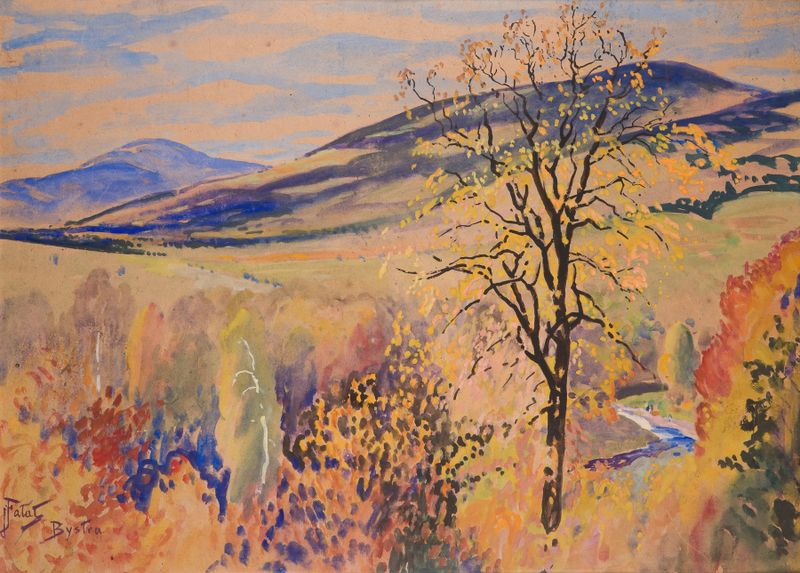
Pejzaż jesienny z Bystrej
Julian Falat
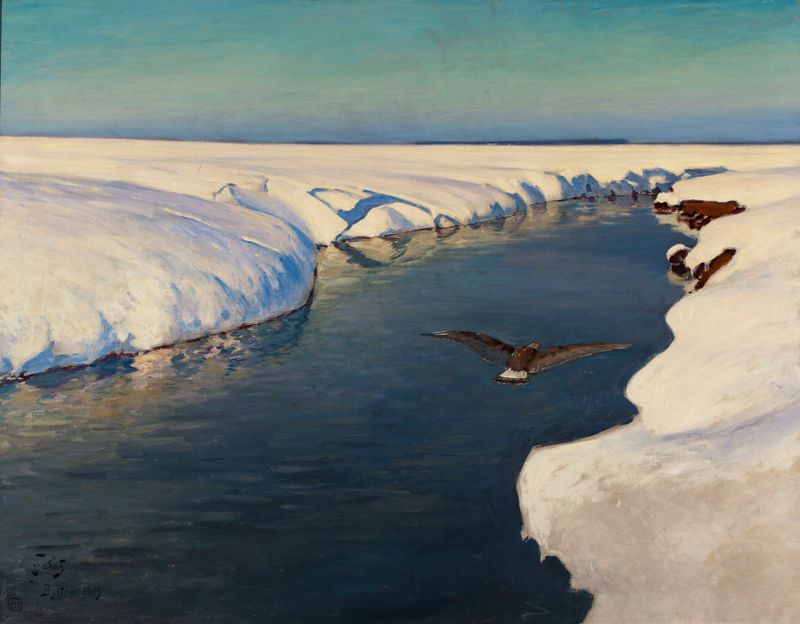
Winter landscape with a river and a bird
Julian Falat
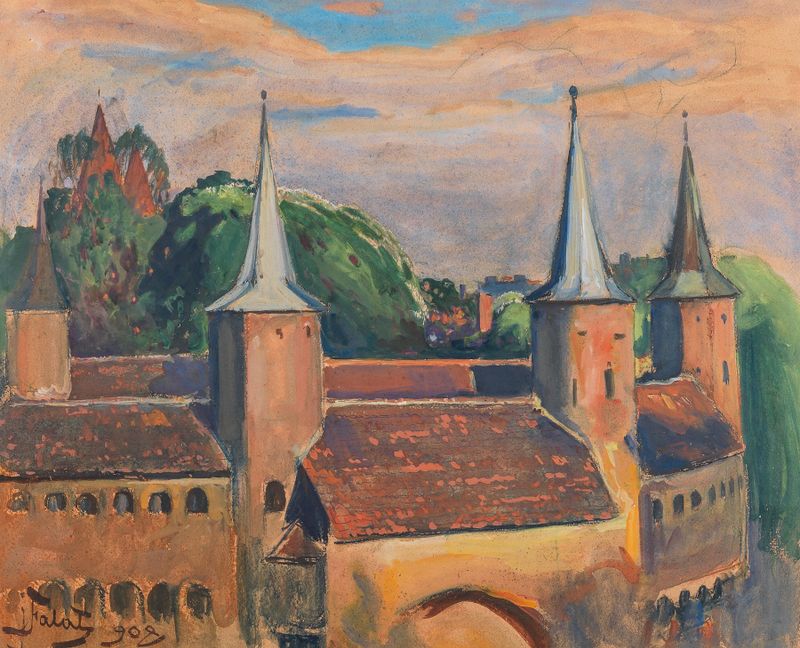
The Kraków Barbican
Julian Falat
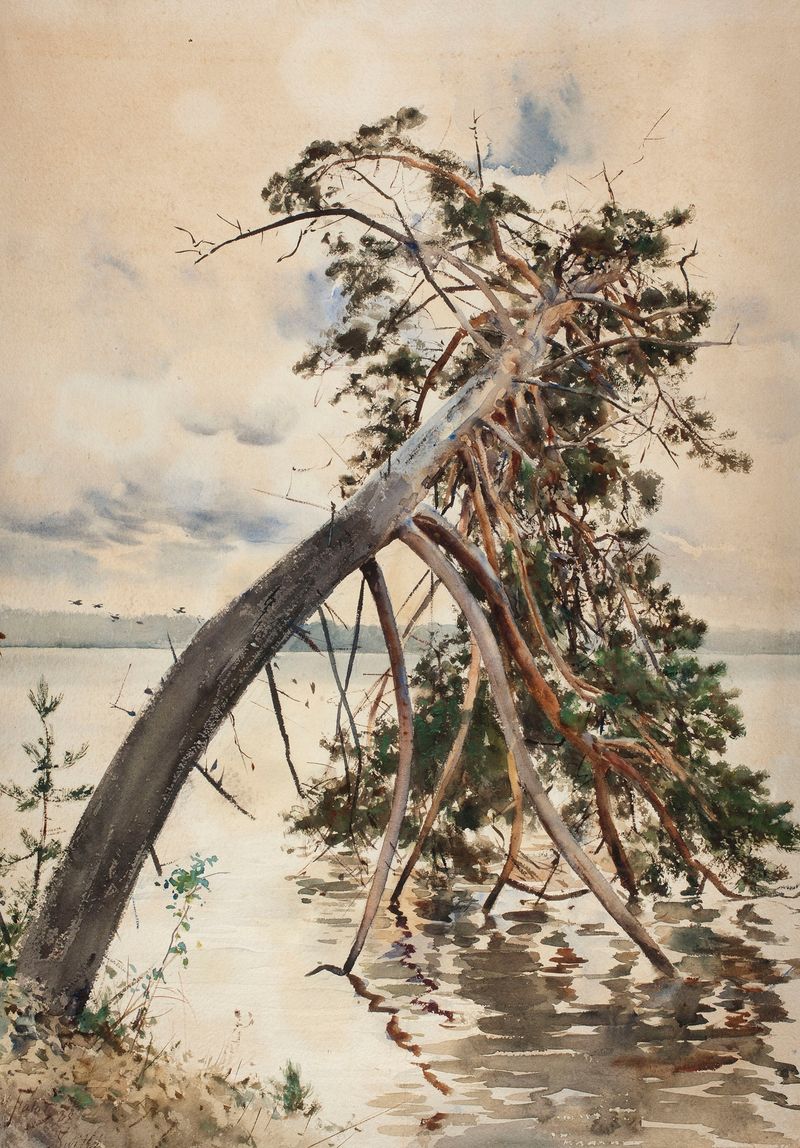
Świteź
Julian Falat
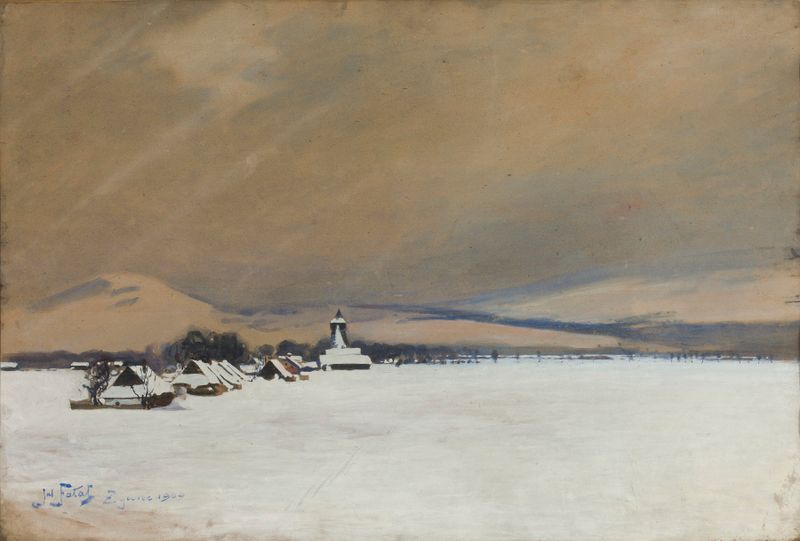
Winter landscape from Żywiec
Julian Falat
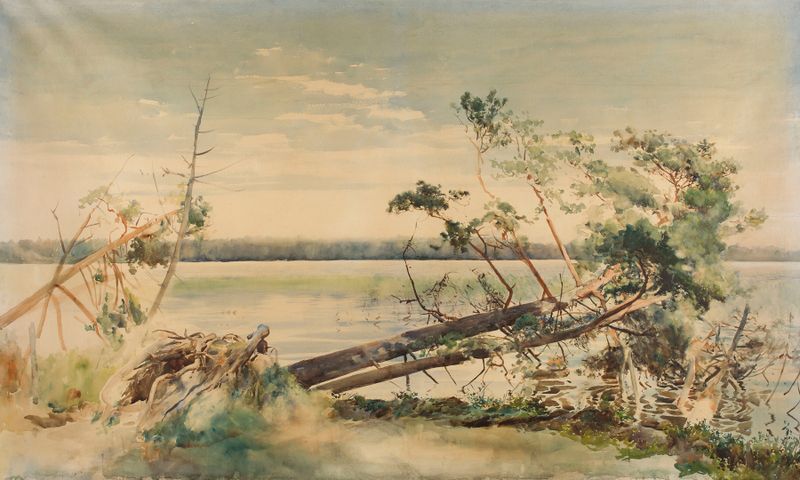
Świteź
Julian Falat
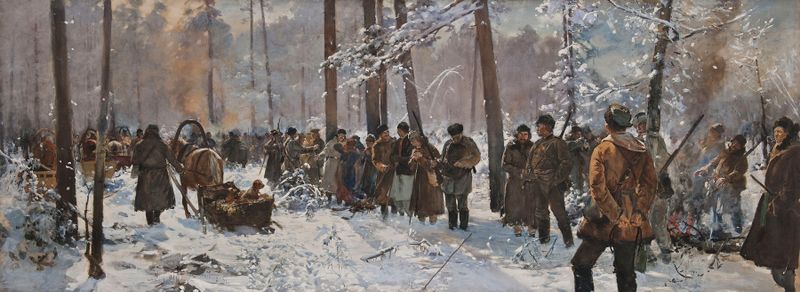
Battue at a hunt in Nieśwież
Julian Falat
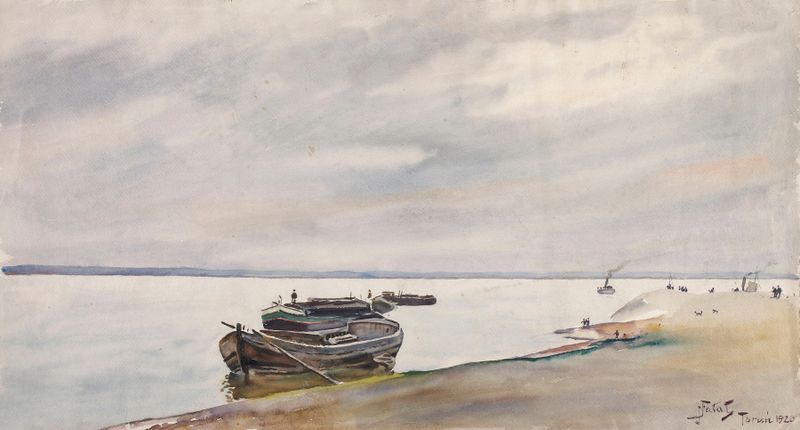
Boats and steamship on the Vistula near Toruń
Julian Falat





