
Pistachio Tree at Château Noir — History & Facts
In the stillness of Pistachio Tree at Château Noir, silence reigns—an invitation to reflect upon presence amidst nature’s embrace. Look to the left, where the gnarled branches of the pistachio tree twist and turn, their textured bark lively as they reach skyward. The vibrant greens burst forth, contrasting with the earthy tones of the landscape beneath—a canvas of both serenity and tension. Notice how the light dances through the leaves, casting delicate shadows that play upon the ground, revealing Cézanne’s masterful way of capturing the essence of the scene through his dappled brushstrokes.
Each stroke feels intentional, guiding the eye deeper into the heart of the composition. Beyond the surface, the work vibrates with emotional undertones. The solitary tree stands as a metaphor for resilience, a testament to the beauty found in isolation. The juxtaposition of robust greenery against the starkness of the surrounding terrain speaks to life’s contrasts—growth amidst desolation.
The composition breathes a sense of introspection, evoking a quiet dialogue between man and nature, inviting viewers to pause and engage with their own thoughts. Created around 1900 in the South of France, this painting reflects a pivotal moment in Cézanne's career. He was embracing new directions in modern art, stepping away from traditional perspectives to experiment with form and color. The world was witnessing an artistic revolution, and in this serene landscape, he carved out his unique voice, one brushstroke at a time, as he aimed to make sense of the world around him.
More Artworks by Paul Cezanne
Browse all →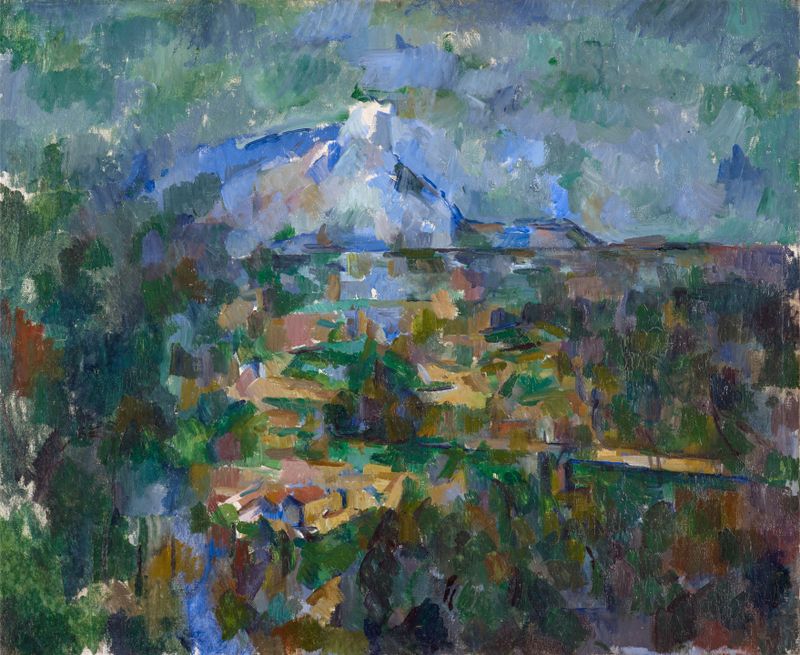
The Mont Sainte-Victoire Seen From Les Lauves
Paul Cezanne
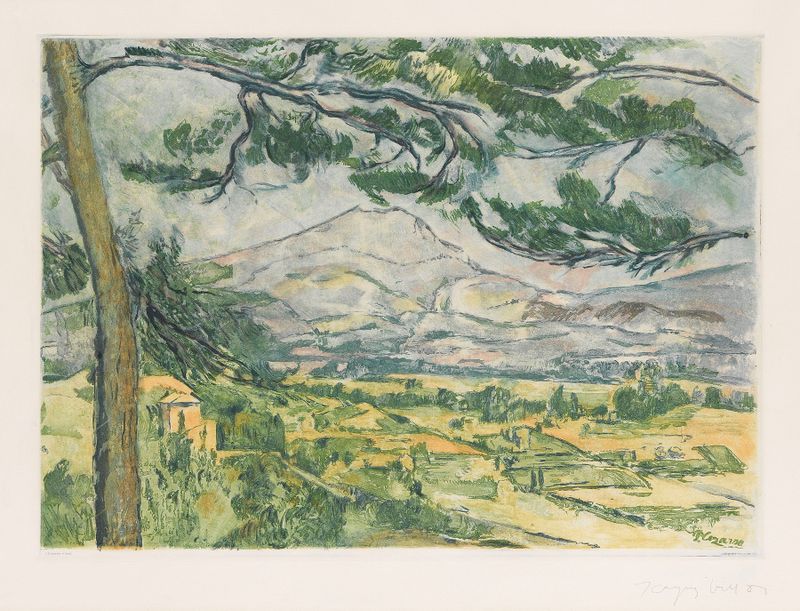
La Montagne Sainte-Victoire
Paul Cezanne
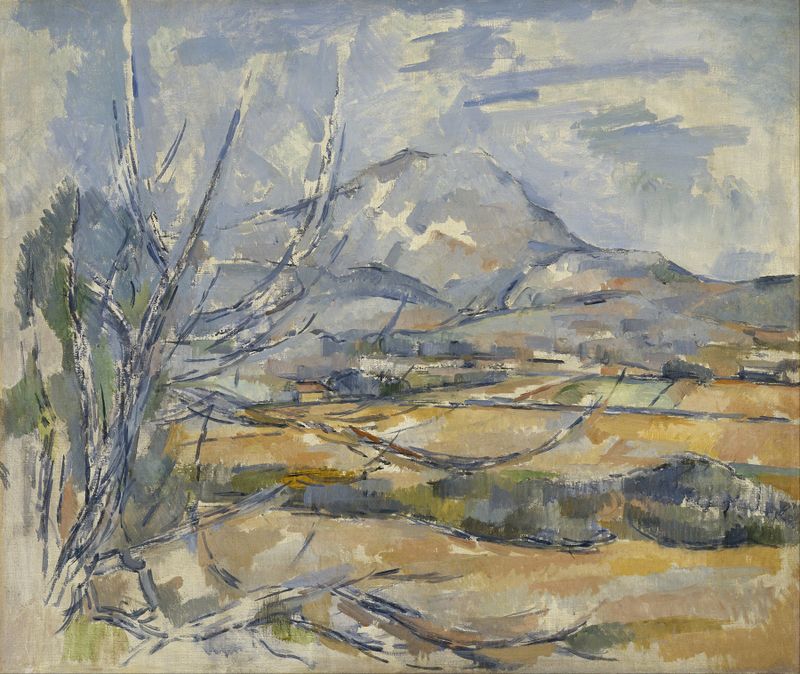
Montagne Sainte-Victoire
Paul Cezanne
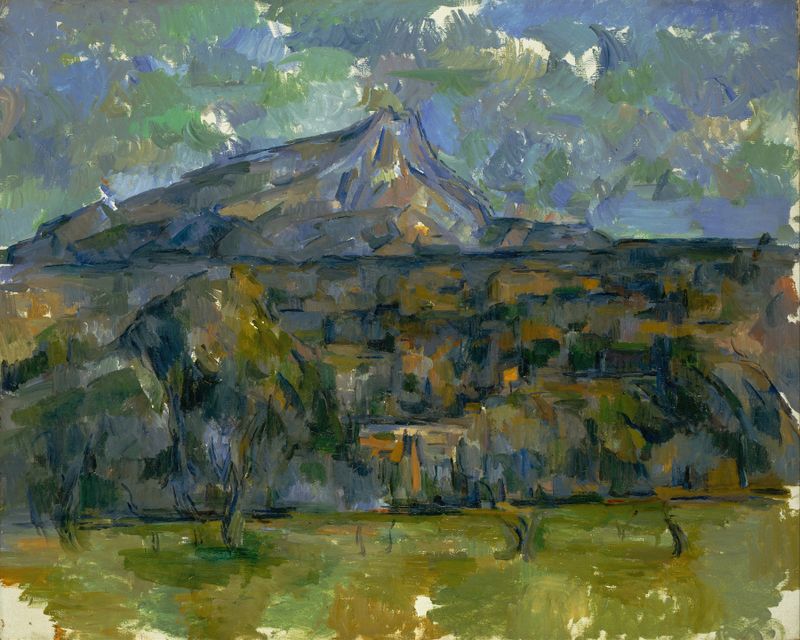
Mont Sainte-Victoire
Paul Cezanne
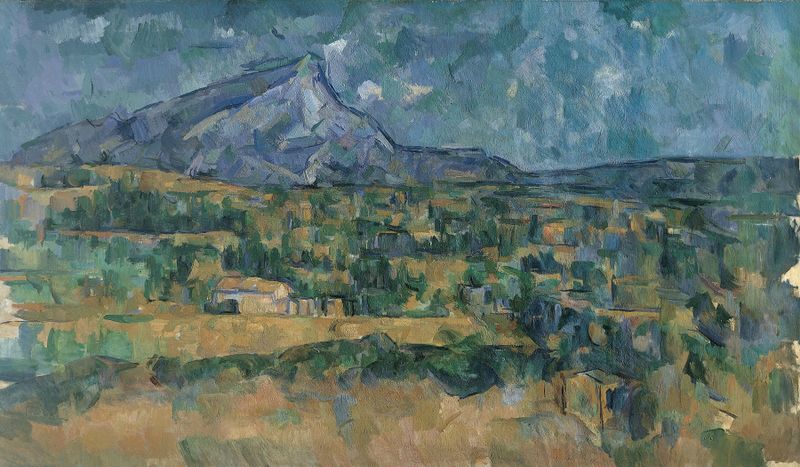
Mont Sainte-Victoire
Paul Cezanne
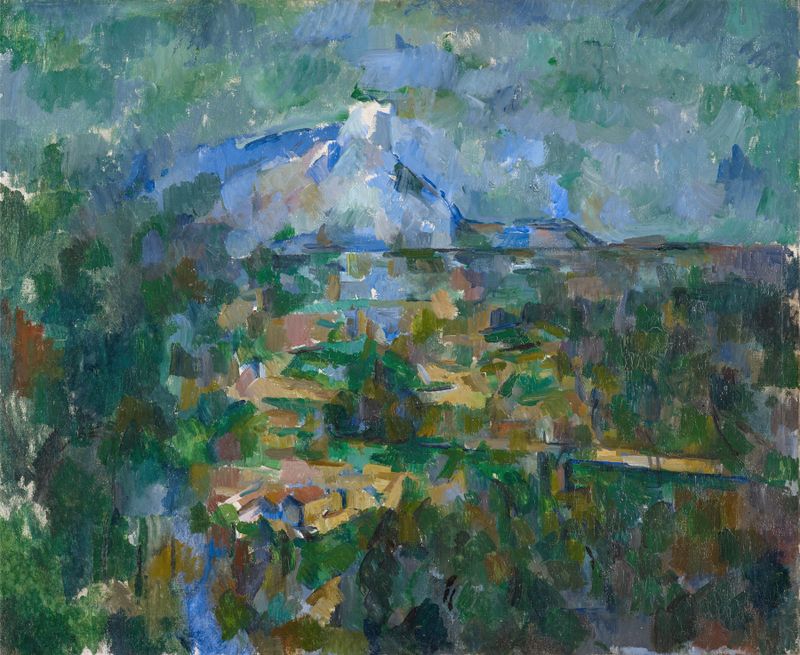
View of Mount Sainte-Victoire from Les Lauves
Paul Cezanne
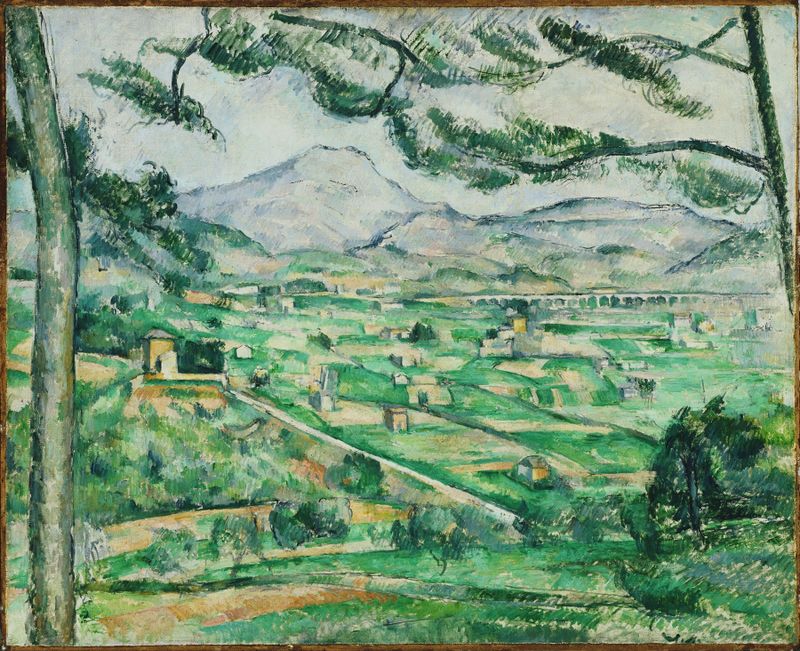
Mont Sainte-Victoire 2
Paul Cezanne

The Basket of Apples
Paul Cezanne

Mount Sainte-Victoire
Paul Cezanne
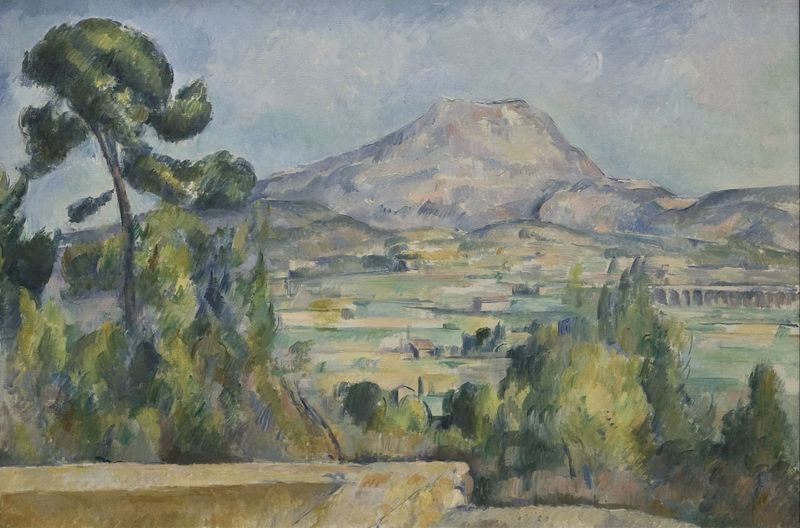
Montagne Saint-Victoire
Paul Cezanne





