
Place du Tertre — History & Facts
What draws the viewer in is the hush that seems to settle over the square, as if the city has paused for breath. The bare trees, rendered in a web of delicate lines, stand like silent witnesses to the daily rhythms of Place du Tertre. The eye is led gently from the rough cobbles in the foreground, past the trunks that slice the scene, to the quiet facades of the buildings beyond.
Each window and doorway hints at stories untold, while the angular shadows and the careful cross-hatching suggest a cool, clear light. The palette, limited to the warm sepia of the paper and the dark ink, gives the scene a sense of memory—something both immediate and already receding into the past. Works like this by Auguste Delâtre belong to a tradition of urban views that flourished in nineteenth-century Paris, when artists and printmakers turned their attention to the city’s changing face. Such images were often made for collectors eager to own a piece of the city’s character, or for publishers chronicling the transformation of old neighborhoods.
The Place du Tertre, perched atop Montmartre, was a favorite haunt for artists and bohemians, and its quiet corners and lively cafés became icons of Parisian life. The date and medium of this particular work remain unknown, and history has kept few traces of its journey before its donation to the National Gallery of Art and release under their Open Access Policy. Yet the image invites us to linger, to imagine the footsteps that have echoed through this square, and to see the city as Delâtre once did—alive with possibility, even in stillness.
More Artworks by Auguste Delâtre
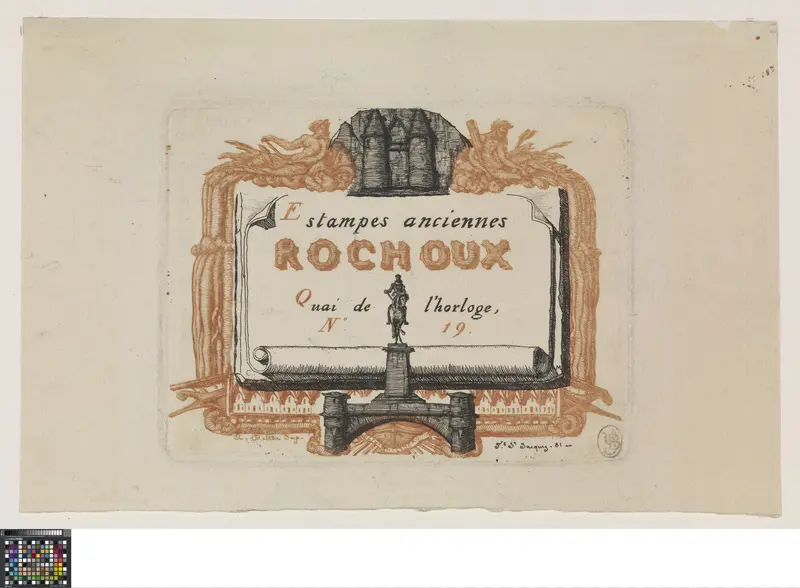
Old Rochoux prints
Auguste Delâtre
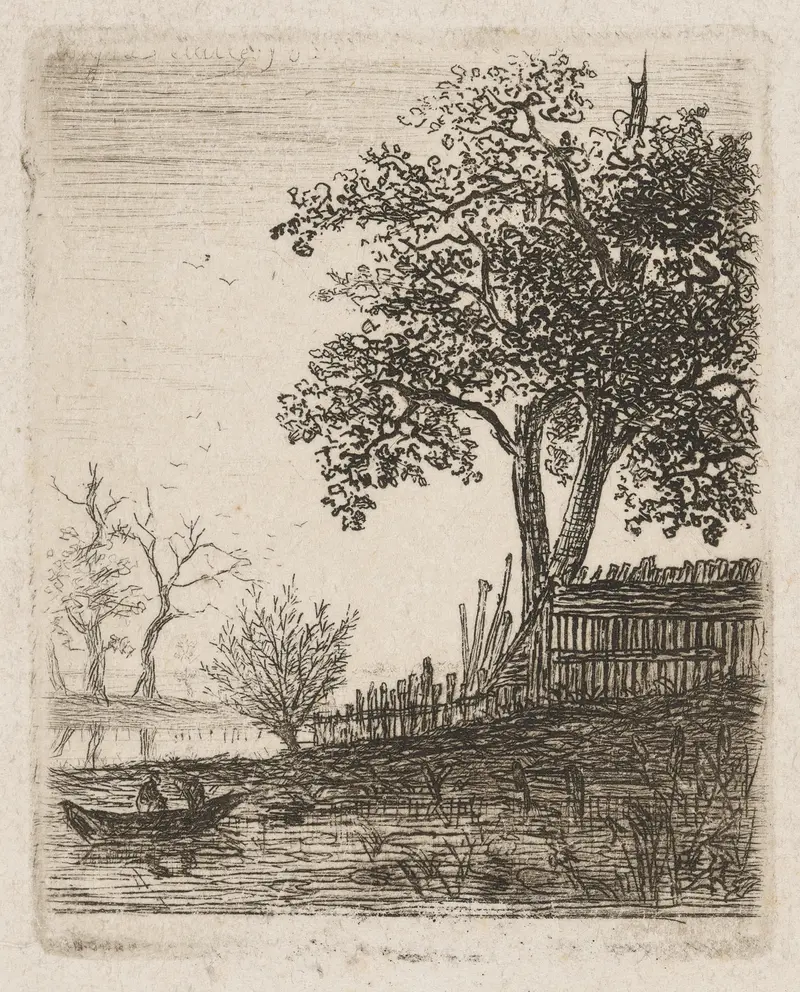
Rowboat
Auguste Delâtre
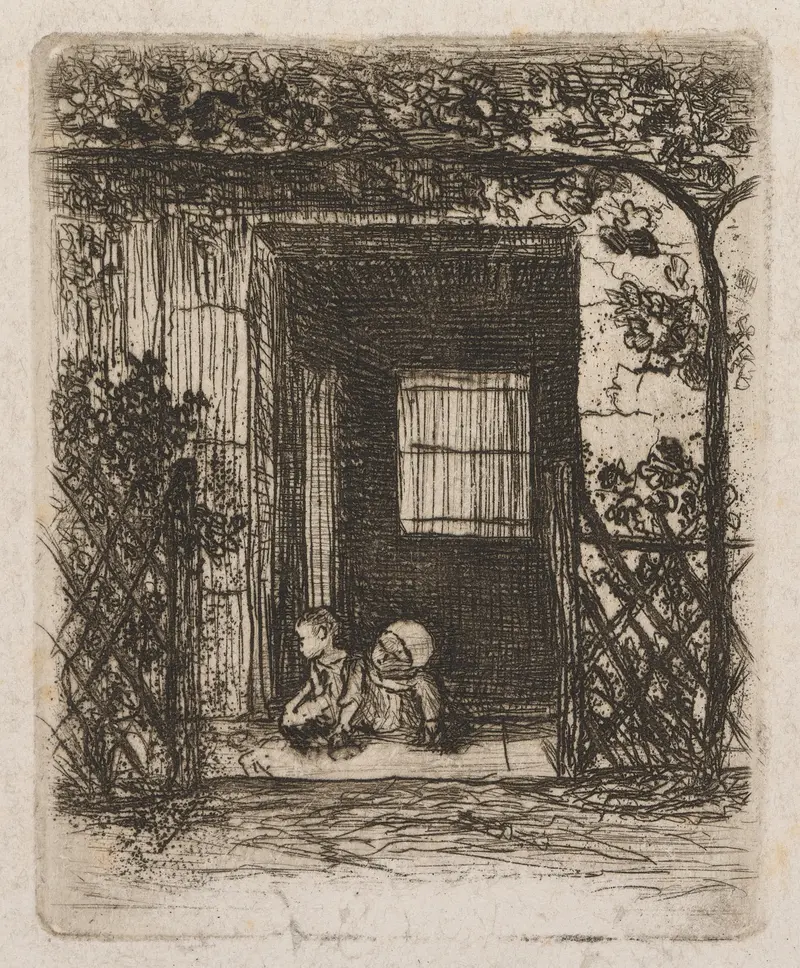
Children in doorway
Auguste Delâtre
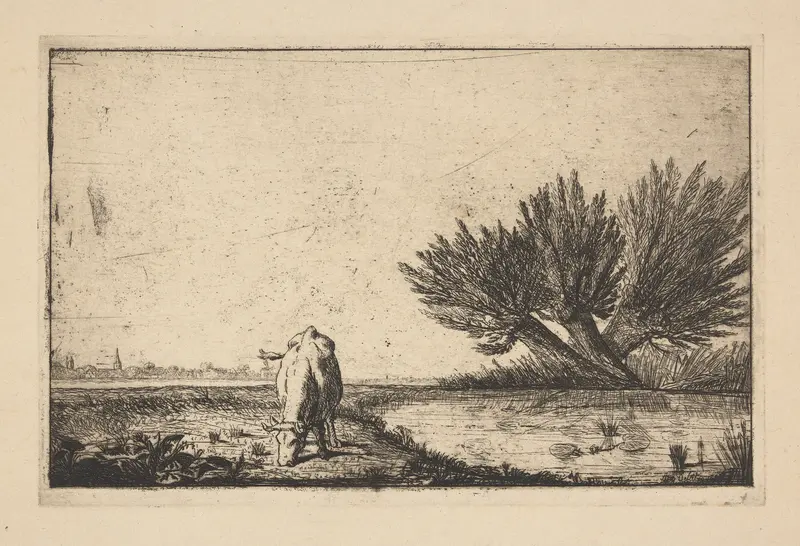
Cow grazing by pond
Auguste Delâtre
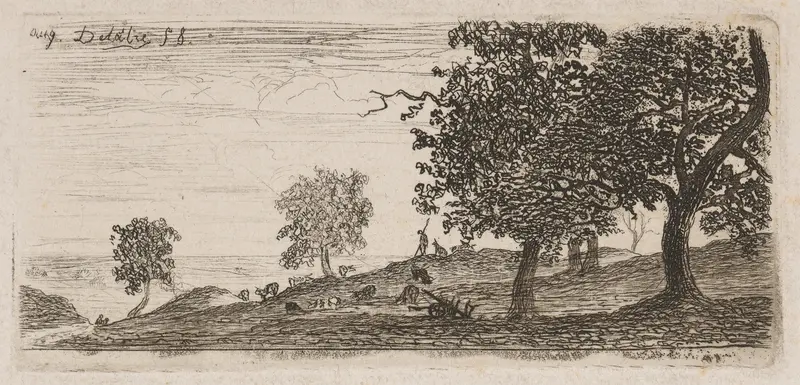
Cattle
Auguste Delâtre
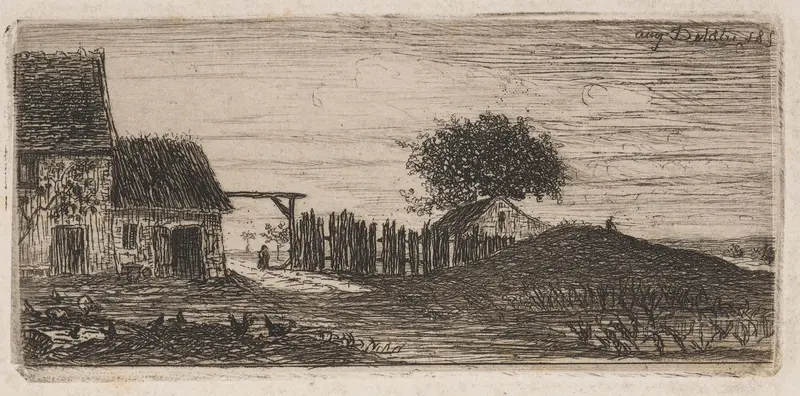
Farmyard
Auguste Delâtre
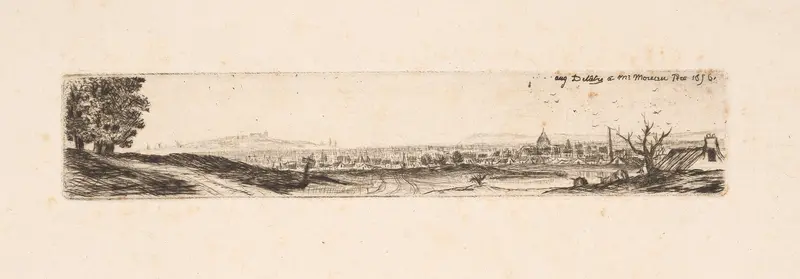
Distant view of city
Auguste Delâtre
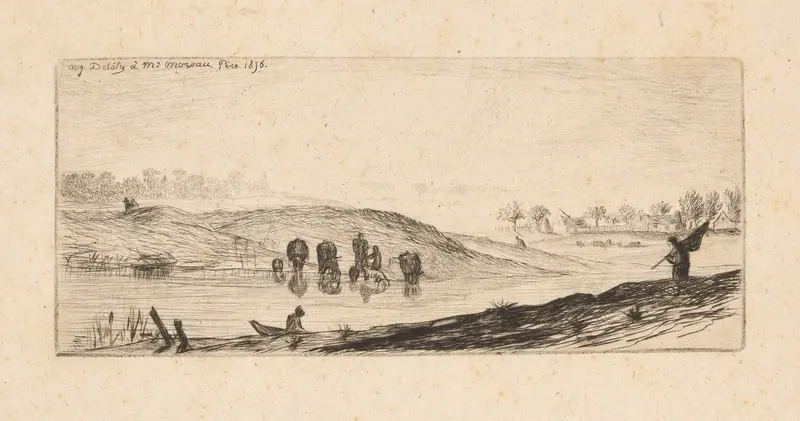
Landscape with cows near river
Auguste Delâtre
Country road
Auguste Delâtre
Children beside barn
Auguste Delâtre





