
Place Pigalle en 1878 — History & Facts
Time glimmers like a distant memory, forever shifting beneath the surface of our daily lives. In exploring the essence of nostalgia, we find a profound connection to the passage of moments. Look to the right at the vibrant hues of the rooftops, where the warm ochres and deep blues collide in a gentle embrace. A nuanced play of light dances upon the cobblestones, inviting the viewer to wander through the scene.
The meticulous brushwork creates a sense of movement, as if the streets themselves pulse with the residual energy of those who have traversed them before. Buhot’s delicate integration of color and shadow draws us into a world suspended in time, urging us to contemplate what might have unfolded in the past. As you delve deeper into the painting, notice the contrasting elements: the bustling life depicted in the foreground juxtaposed against the solemnity of the shadows cast by the architecture. Each figure appears caught in their own narrative, yet they are unified by their shared experience of a moment that will never return.
The integration of time into the composition speaks to our own relationship with memory—how the fleeting nature of existence is both beautiful and bittersweet. Félix Hilaire Buhot painted this scene in 1878 while living in Paris, a city undergoing rapid transformation during the height of the Impressionist movement. Emphasizing the everyday moments of urban life, he sought to capture the essence of contemporary experiences amidst the backdrop of an evolving society. In this transitional period, his work echoed the feelings of nostalgia and the complexities of modernity, resonating with audiences who were beginning to embrace the beauty of the mundane.
More Artworks by Félix Hilaire Buhot
Browse all →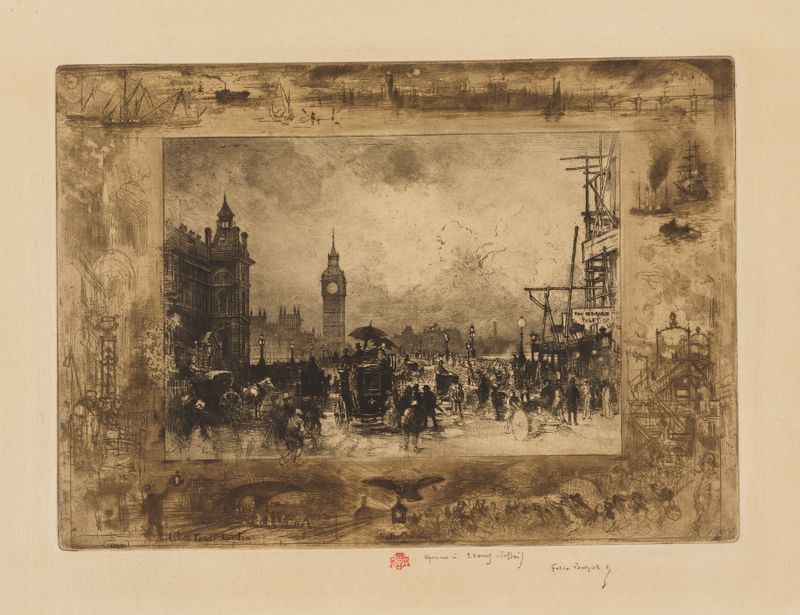
Westminster Bridge, or Westminster Clock Tower
Félix Hilaire Buhot
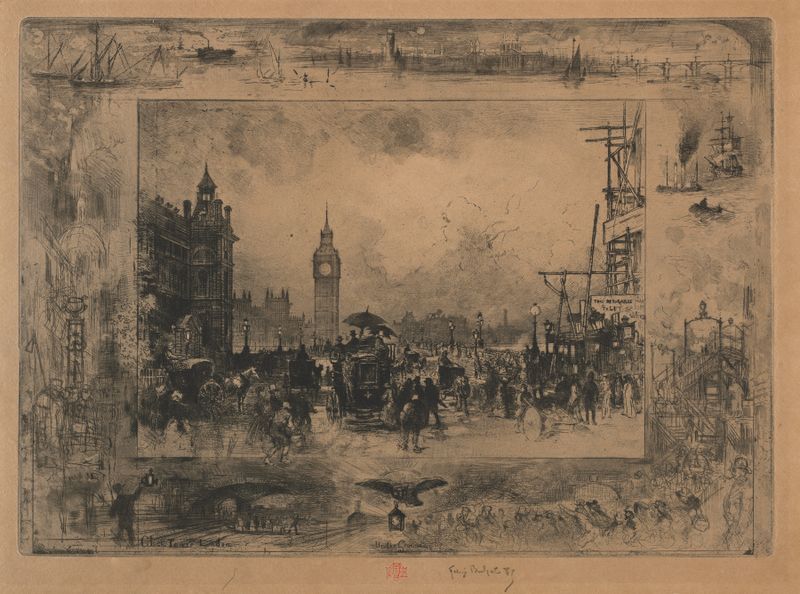
Westminster Bridge, or Westminster Tower
Félix Hilaire Buhot
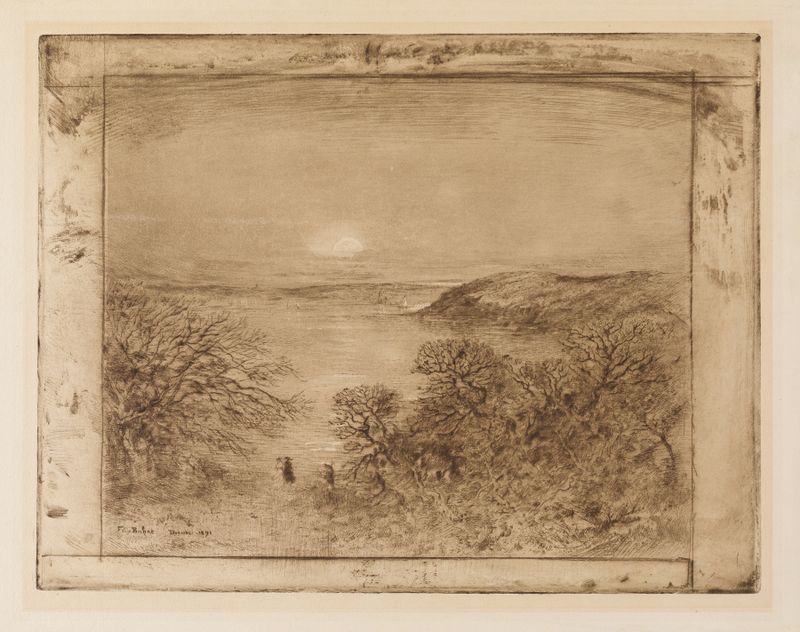
Moonrise at Dinard
Félix Hilaire Buhot
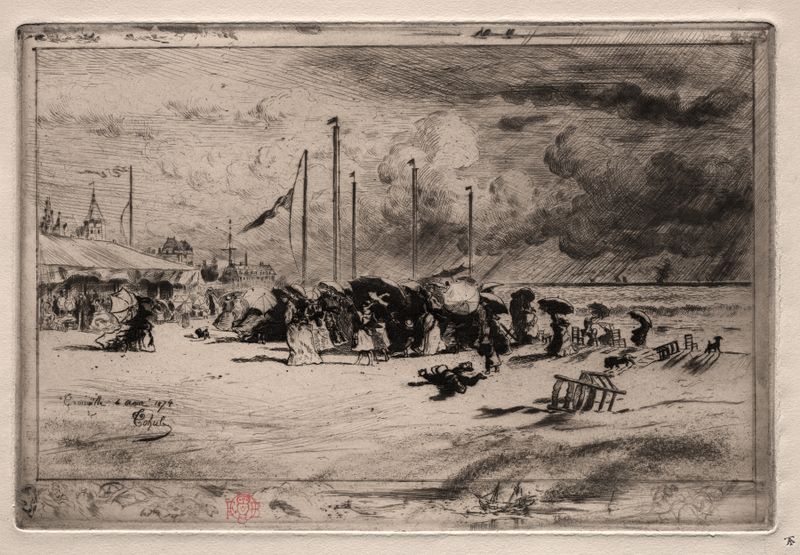
A Squall at Trouville
Félix Hilaire Buhot
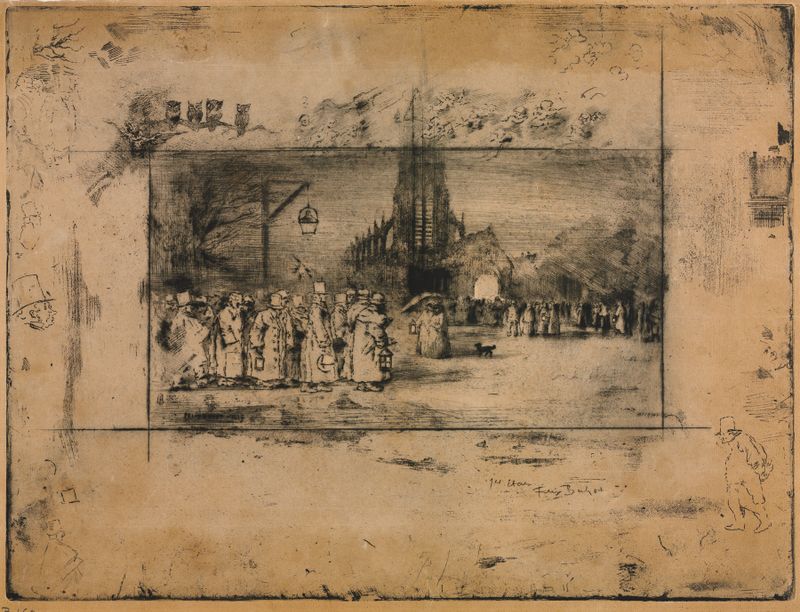
The Midnight Mass
Félix Hilaire Buhot
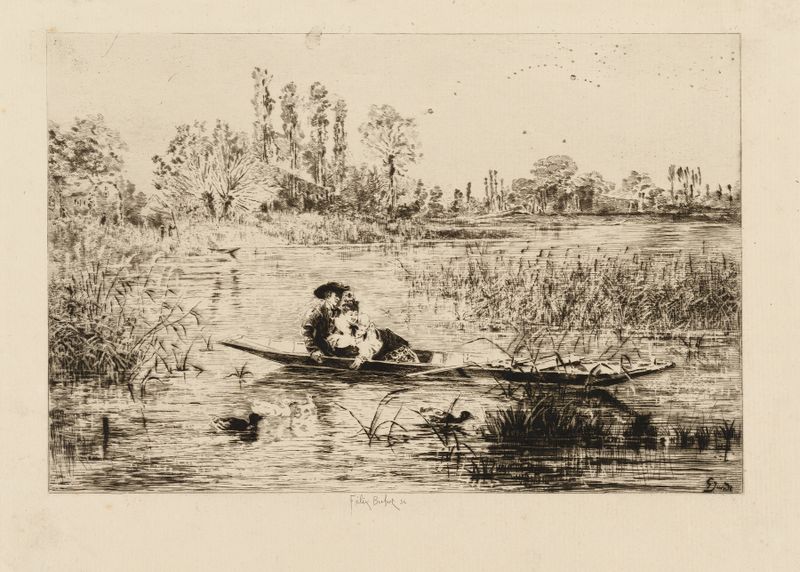
On the Thread of the Water
Félix Hilaire Buhot
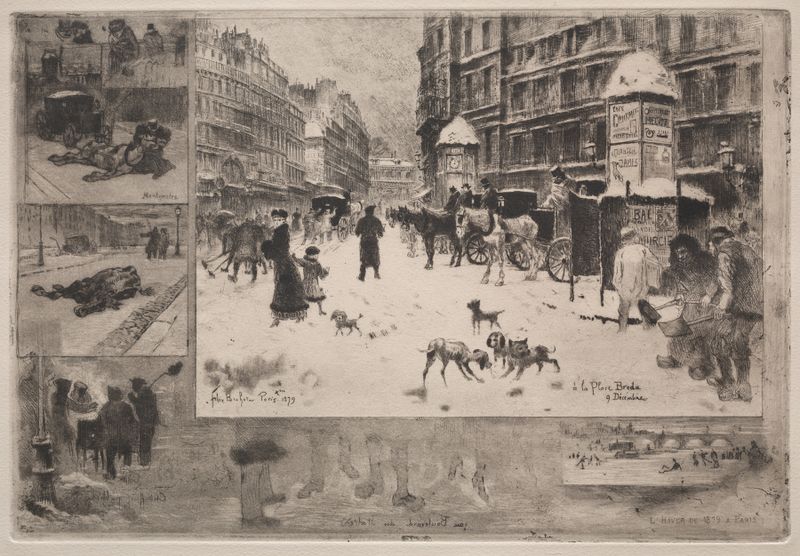
Winter in Paris
Félix Hilaire Buhot
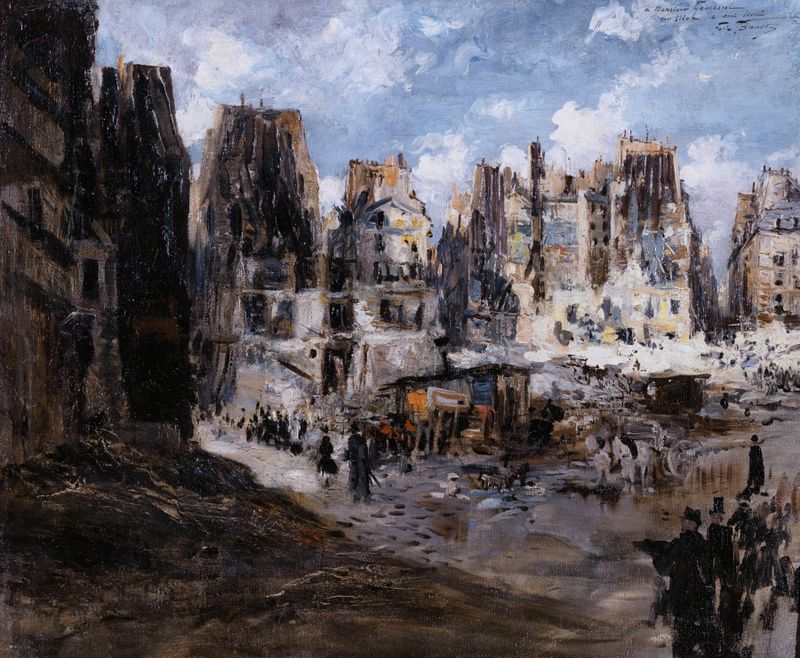
Le percement de l’avenue de l’Opéra.
Félix Hilaire Buhot
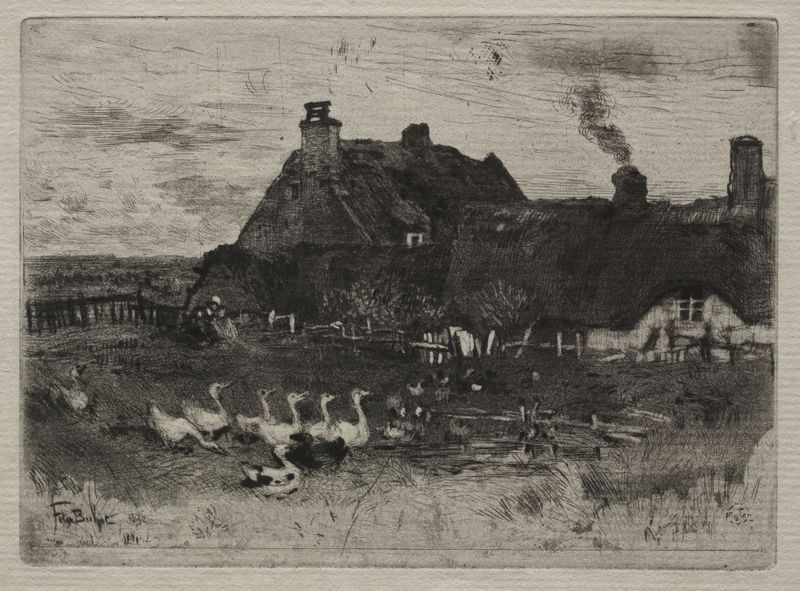
Thatched Cottages
Félix Hilaire Buhot
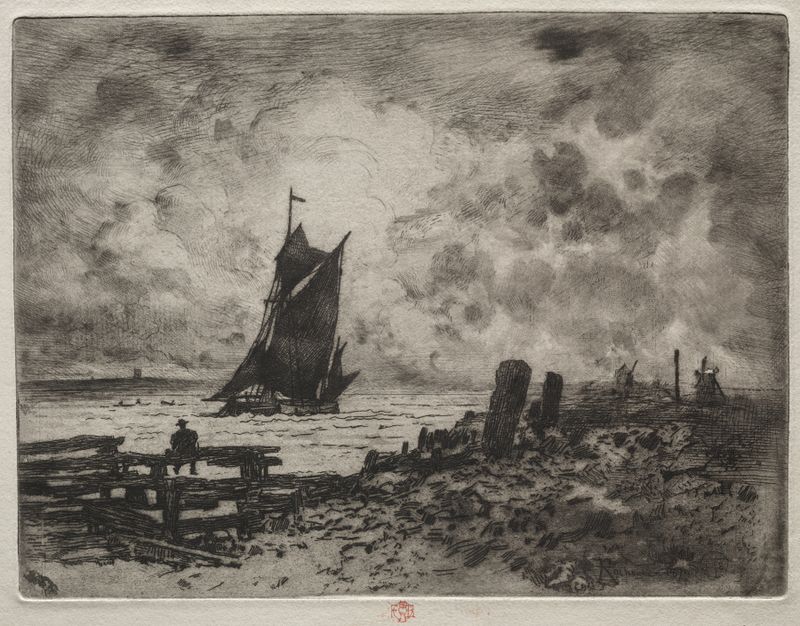
The Little Marine; Souvenir of Medway
Félix Hilaire Buhot





