
Plage a Mericourt — History & Facts
In Plage a Mericourt, Maximilien Luce presents a lively coastal scene filled with vibrant colors. The painting features a sandy beach, dotted with figures enjoying the sun and sea. The blues of the ocean contrast beautifully with the warm yellows and whites of the sand.
The overall atmosphere is one of leisure and joy, typical of seaside life. The painting is executed in oil on canvas, a medium that allows for rich color application and texture. Luce's brushwork is loose and expressive, characteristic of the Post-Impressionism movement. The use of light and shadow creates depth, making the scene feel dynamic and alive.
Viewers can appreciate the layering of colors that adds to the vibrancy of the work. Maximilien Luce was known for his association with the Neo-Impressionist movement, which emphasized color and light. 'Plage a Mericourt' showcases his ability to capture the essence of leisure at the coast. Interestingly, Luce was also a social activist and often depicted scenes that highlighted the working class.
This painting reflects not only the beauty of nature but also the enjoyment of life by the sea.
More Artworks by Maximilien Luce

Le Quai Montebello Et La Colline Sainte-Geneviève
Maximilien Luce
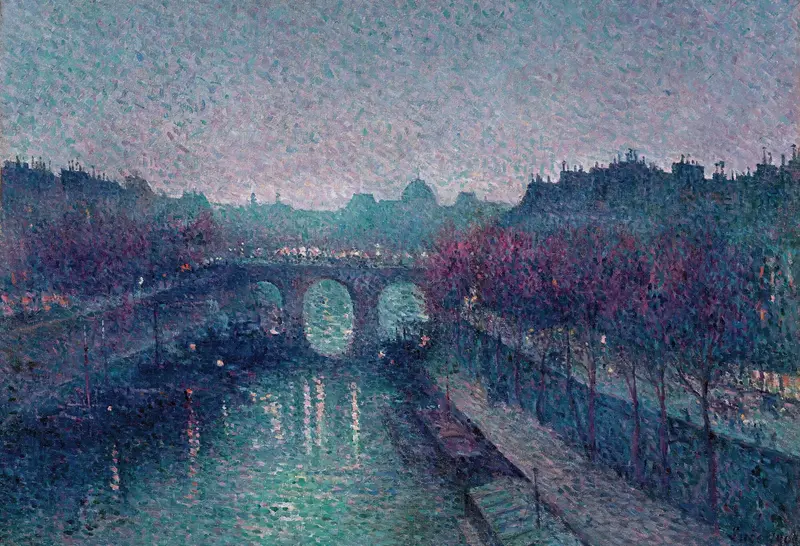
Le Pont-Neuf, La Seine, Petit Bras
Maximilien Luce
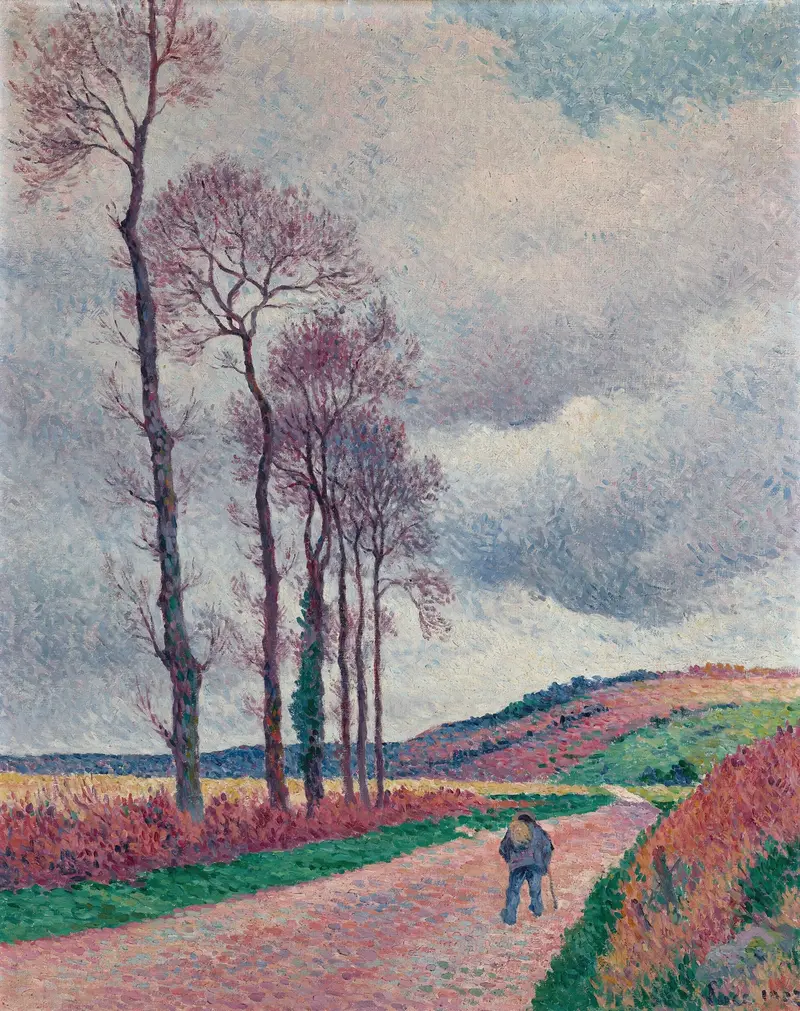
La route aux environs de Méréville
Maximilien Luce
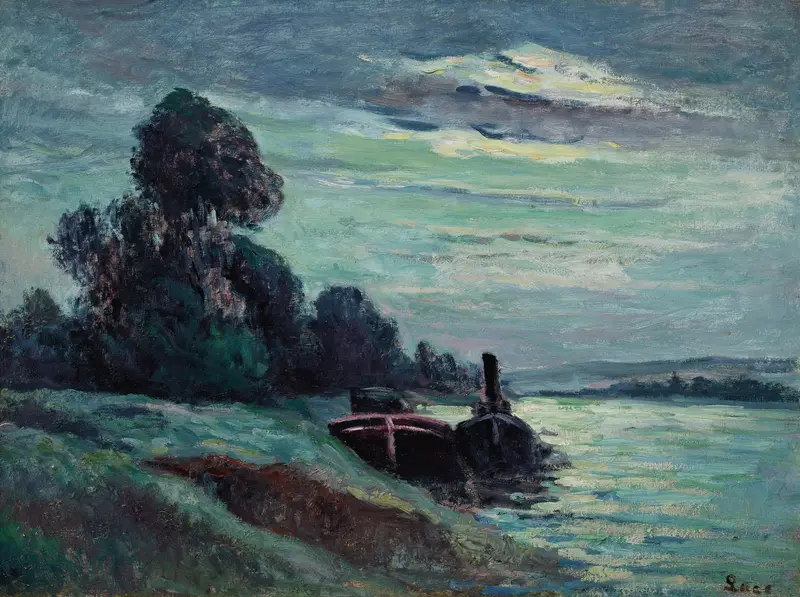
Péniches sur la Seine
Maximilien Luce
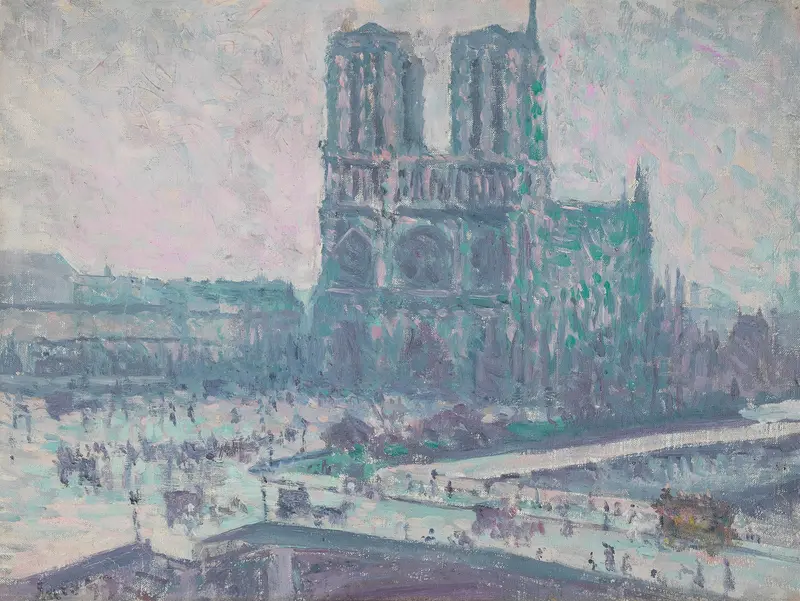
Notre Dame de Paris
Maximilien Luce
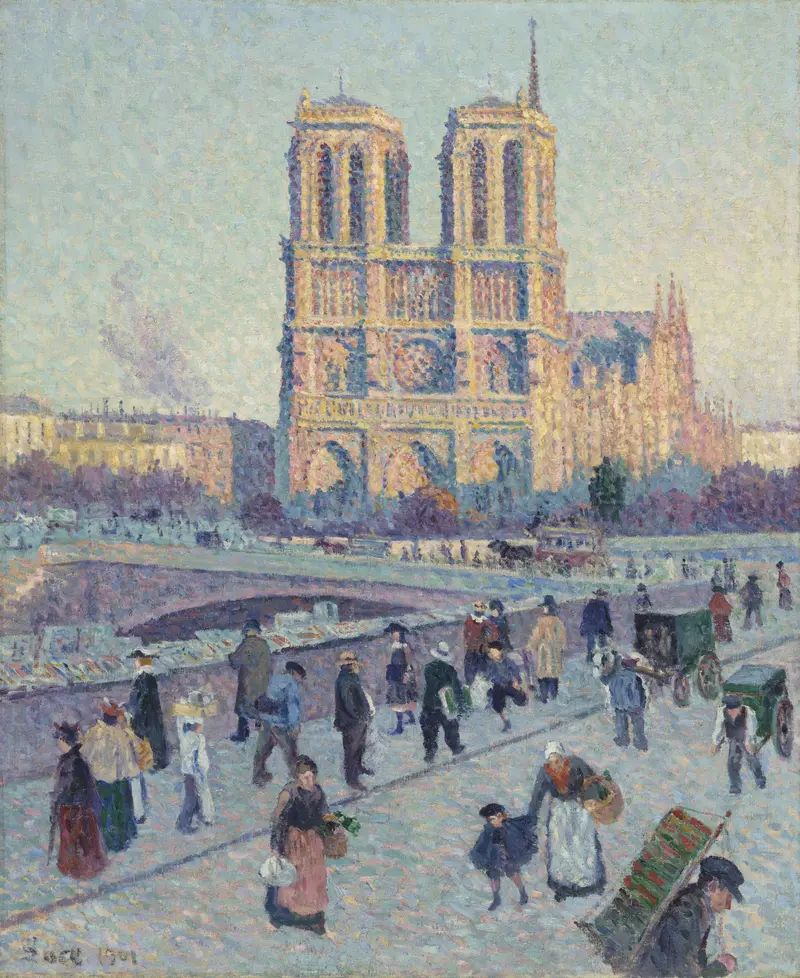
The Quai Saint-Michel and Notre-Dame
Maximilien Luce
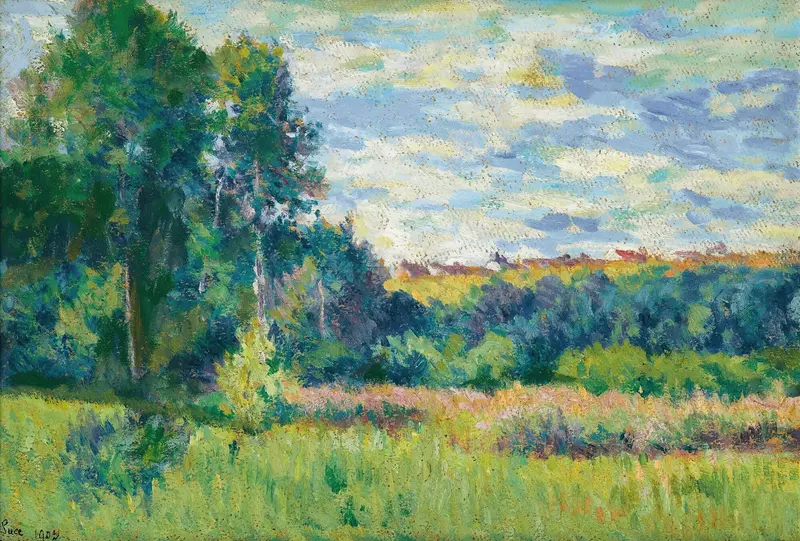
Paysage
Maximilien Luce
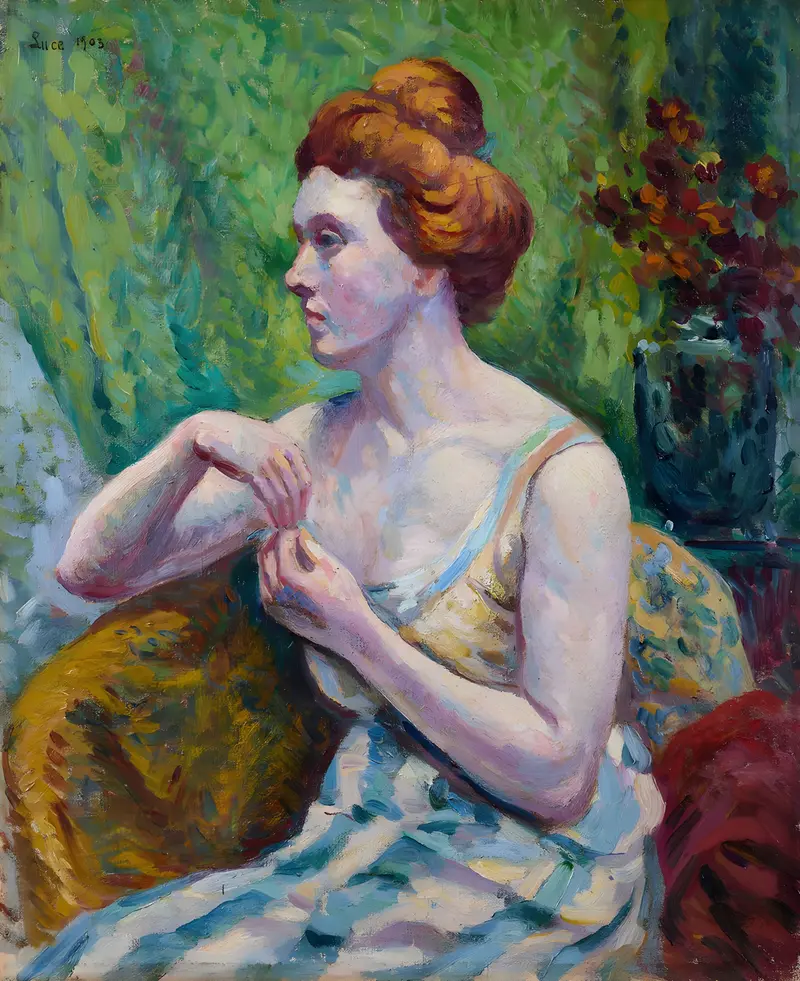
Portrait de femme
Maximilien Luce
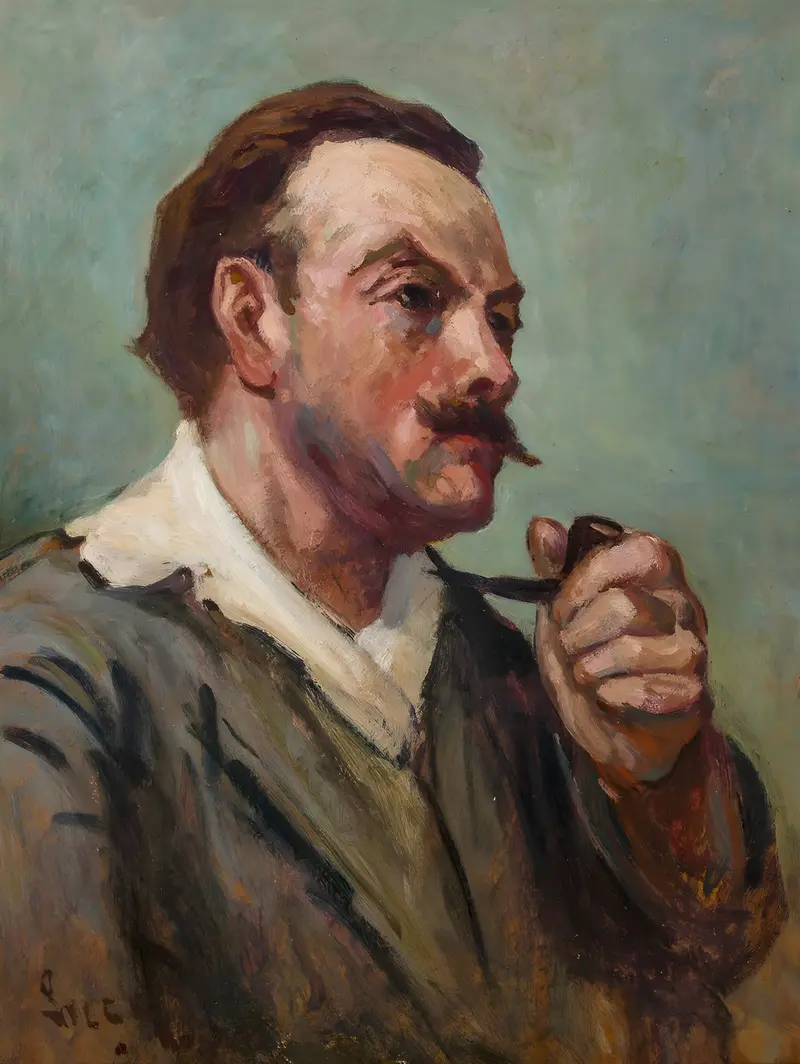
Portrait du Roger à la pipe
Maximilien Luce
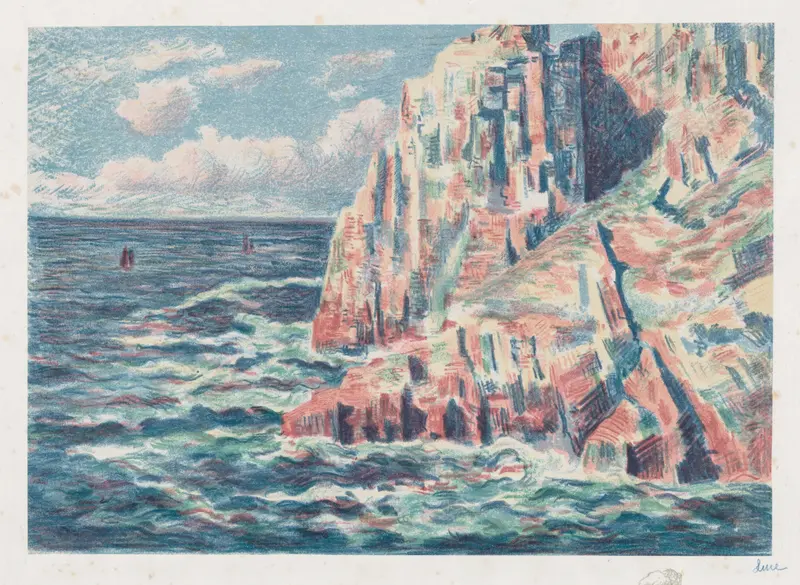
The Sea at Camaret, The Red Rocks
Maximilien Luce





