Plantes vertes — History & Facts
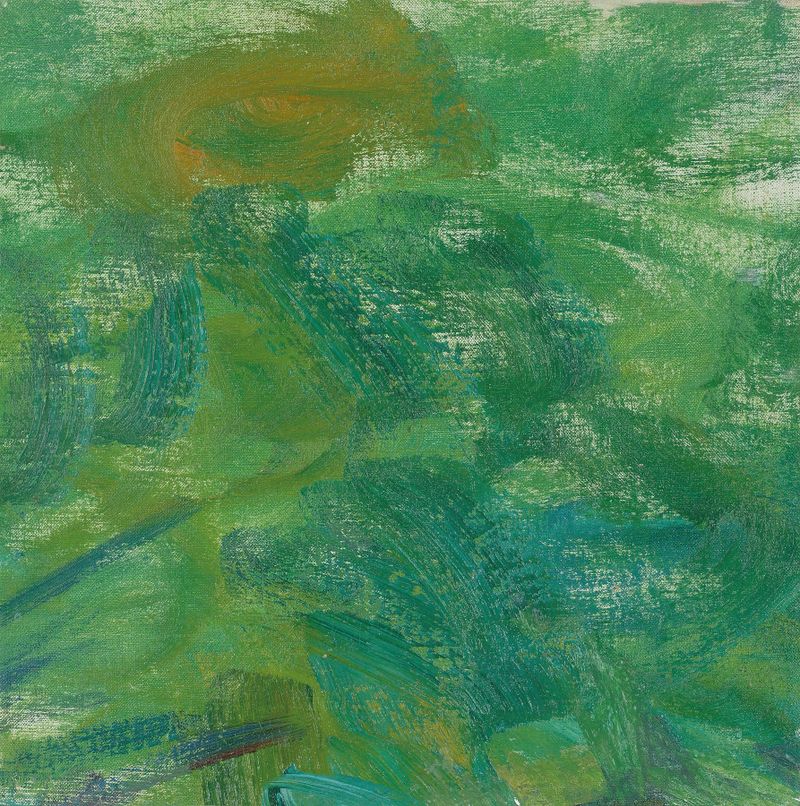
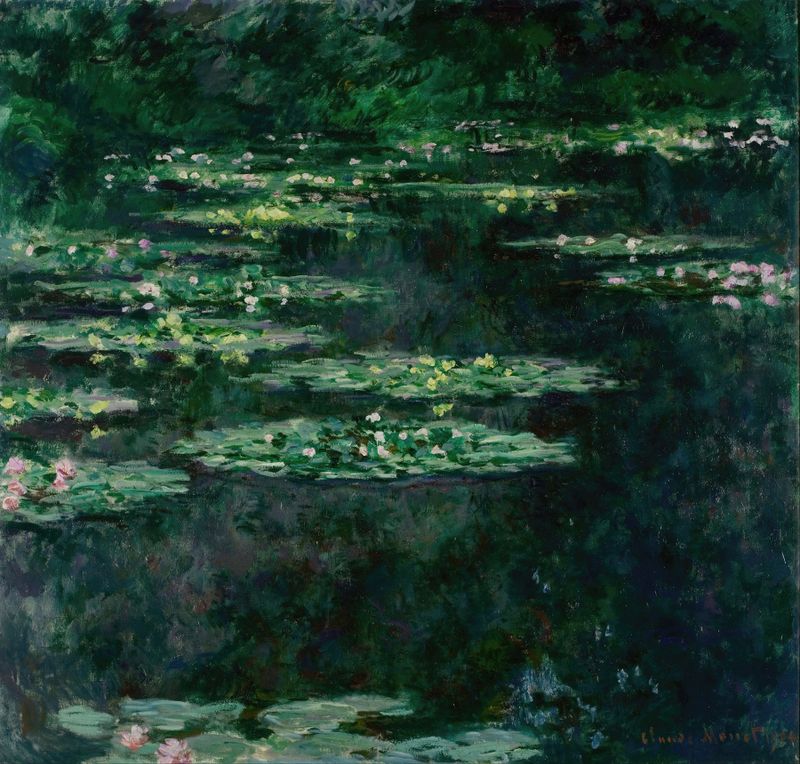
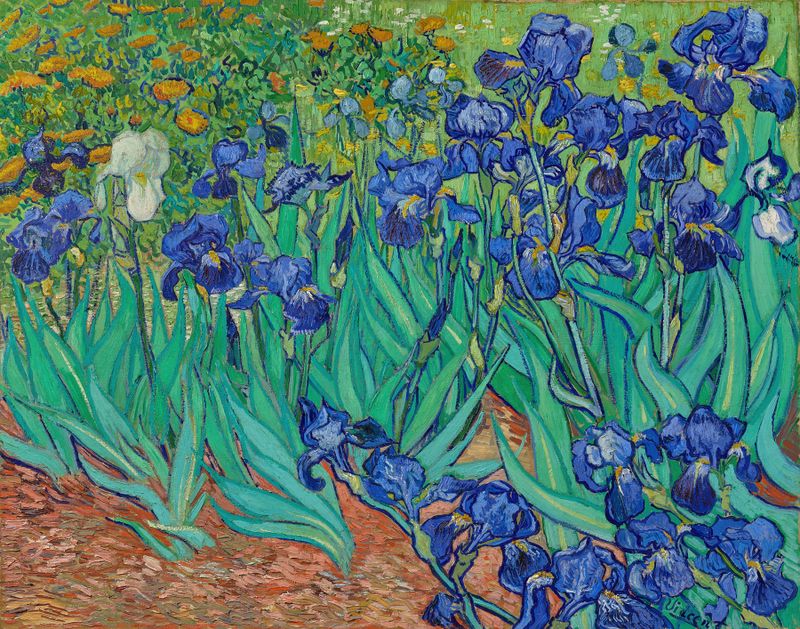
Who listens when art speaks of silence? In the stillness of Plantes vertes, the lush greens evoke a faith in nature's quiet power, urging us to pause and reflect. Look to the left at the vibrant strokes of emerald and jade, where the foliage seems to dance in a gentle breeze. Notice how the light subtly kisses the leaves, creating a delicate interplay of shadows that gives depth to the composition. The use of bold colors intertwined with soft, flowing forms draws the eye across the canvas, inviting exploration of the rich textures and nuances of each plant. Within the serene depiction lies a deeper narrative of resilience and hope.
The intertwining vines and leaves convey a sense of interconnectedness, as if whispering secrets of life’s endurance. Contrasts emerge not just in color, but in the tension between the chaotic growth and the calmness of the overall scene, reflecting the complex relationship between nature and the human spirit. In 1934, Louis Valtat painted this piece during a period marked by social change and uncertainty in Europe. Living in Paris, he was influenced by the burgeoning modernist movements while also embracing elements of Impressionism.
This work embodies his unique blend of styles, showcasing his dedication to capturing the essence of plant life in a moment of tranquil beauty amid the complexities of his time.
More Artworks by Louis Valtat
Browse all →
Bord de rivière aux arbres
Louis Valtat

Normandie
Louis Valtat

Paysage du Midi
Louis Valtat
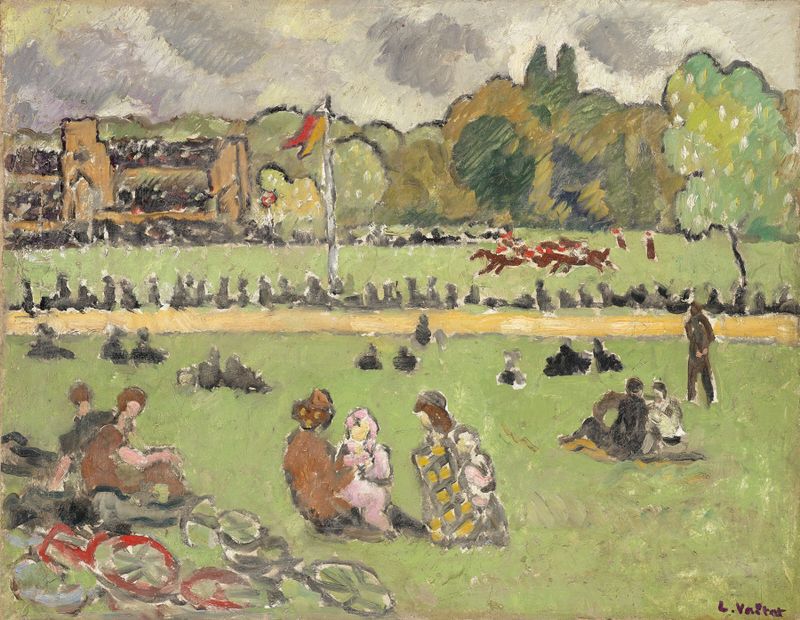
Les Courses
Louis Valtat
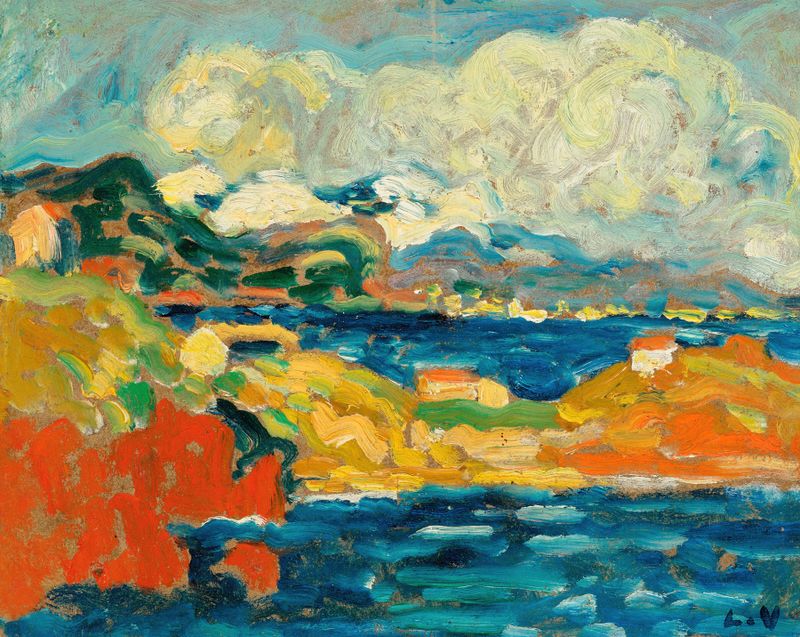
La baie à Anthéor
Louis Valtat

Femme assise au bord de la mer
Louis Valtat
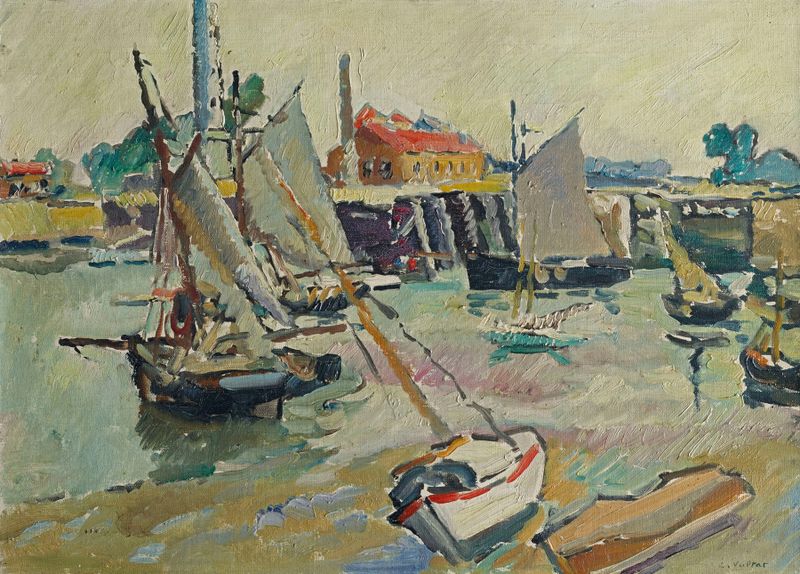
Voiliers au port à marée basse, Ouistreham
Louis Valtat

La maison au bord de la route en Normandie
Louis Valtat

La maison dans le jardin fleuri
Louis Valtat

Le jardin de la maison au toit rouge
Louis Valtat