
Ploughed fields (‘The furrows’) — History & Facts
Can paint confess what words never could? In Ploughed fields, the earth lies bare yet alive, a tapestry of texture and color, whispering secrets of creation and toil. Look to the center where deep, rhythmic furrows snake across the canvas, their sinuous lines drawing the eye into a dynamic dance of light and shadow. Notice how the lush greens and warm browns intermingle, each stroke revealing a fervent pulse of life beneath the surface. The bold, impasto technique creates a tactile experience, inviting the viewer to almost feel the soil’s rich aroma as it breathes under the sun. Beneath the vibrant hues lies a poignant contrast between growth and decay.
The furrows, while a symbol of fertility and potential, also speak of labor—the sweat and dreams intertwined in cultivation. The interplay of light captures a moment in time, as if the land itself exists in a dream state, poised between the reality of labor and the promise of harvest. This tension between hope and hardship resonates deeply, echoing the artist’s own struggles with purpose and identity. In 1888, while living in Arles, Vincent van Gogh painted Ploughed fields as he sought to capture the essence of rural life.
This was a pivotal time for him, as he embraced a burgeoning style that favored bold colors and expressive forms, reflecting his desire to connect with the rhythms of the natural world. Amidst his personal strife and quest for artistic freedom, he transformed his tumultuous emotions into a vivid celebration of the earth’s cycles.
More Artworks by Vincent van Gogh
Browse all →
Starry Night
Vincent van Gogh
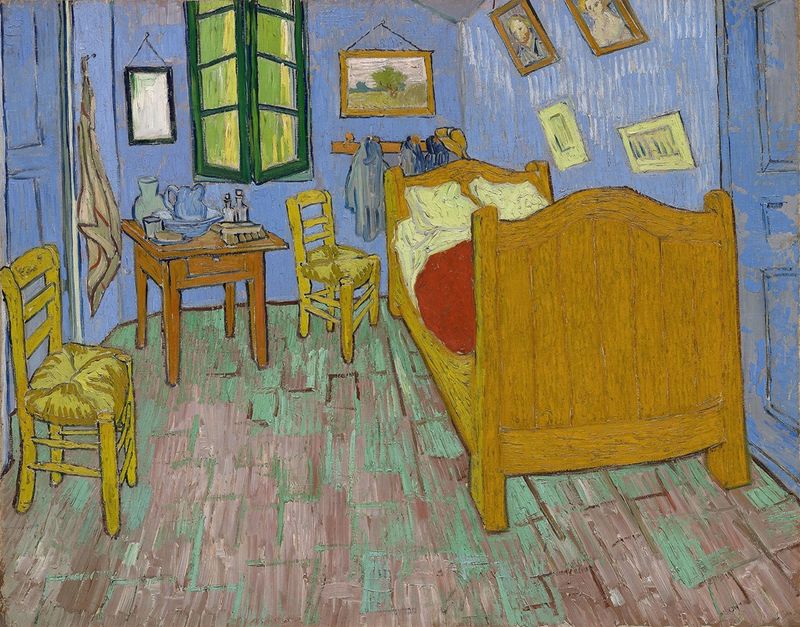
The Bedroom
Vincent van Gogh
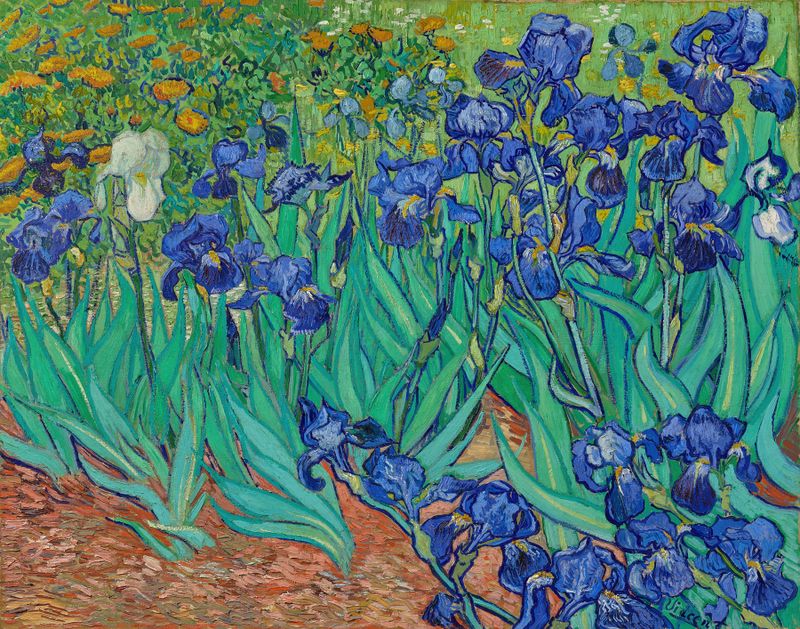
Irises
Vincent van Gogh
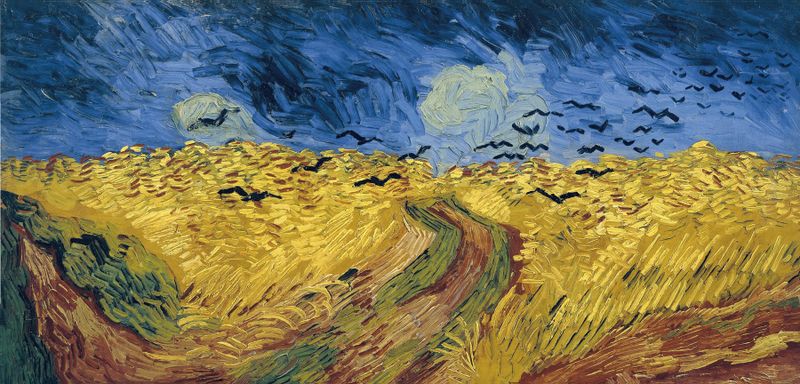
Wheatfield with Crows
Vincent van Gogh
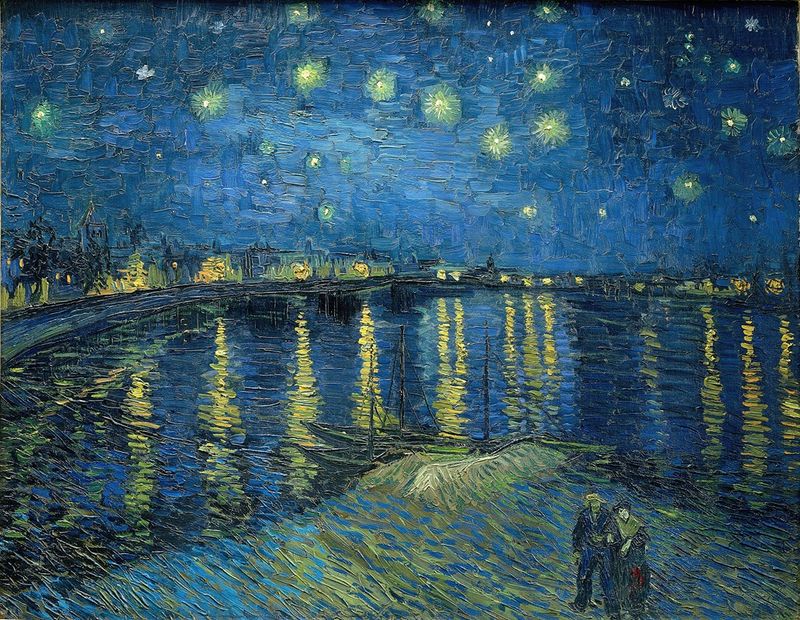
Starry Night over the Rhone
Vincent van Gogh

The yellow house
Vincent van Gogh
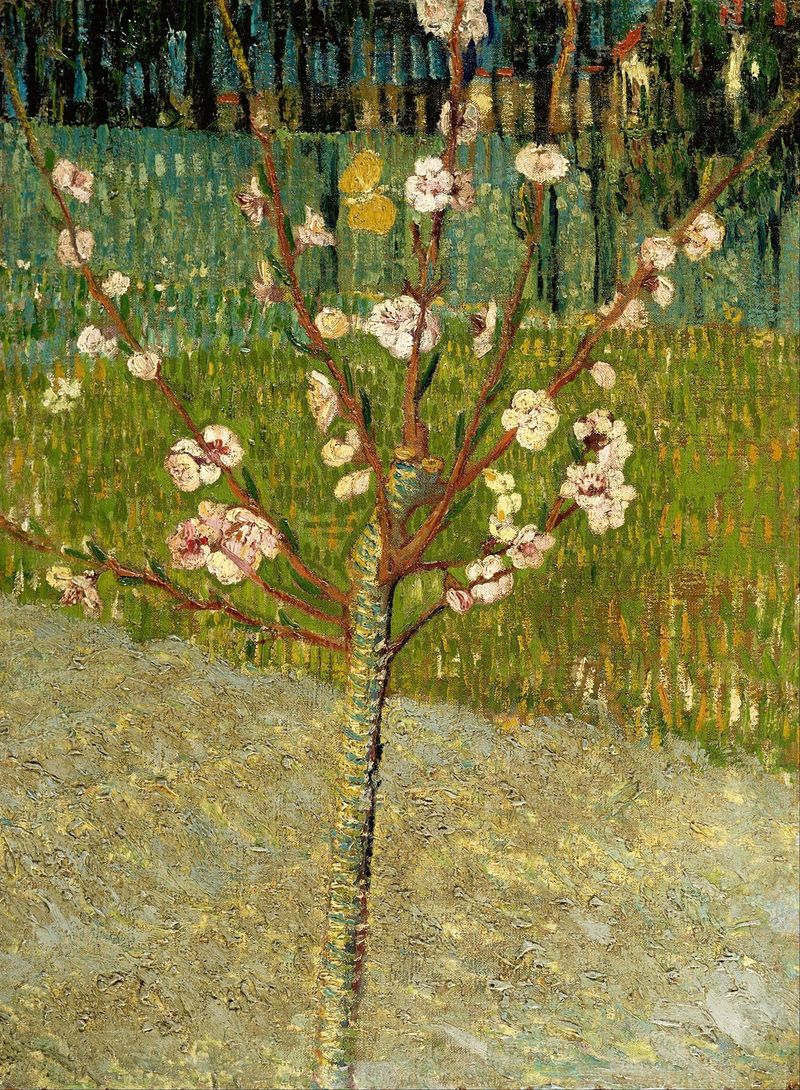
Almond tree in blossom
Vincent van Gogh

Portrait of Dr Gachet
Vincent van Gogh

The Church in Auvers-sur-Oise, View from the Chevet
Vincent van Gogh

Self-Portrait
Vincent van Gogh





