
Ploughing — History & Facts
This notion resonates deeply within the chaotic yet captivating realm of modern art, where tumultuous emotions are often locked behind the surface of aesthetic appeal. Focus first on the foreground, where a rugged figure bends with purpose, the tension in his posture conveying a struggle against the relentless earth. The earthy tones of browns and ochres contrast with sudden flashes of brightness, perhaps a metaphor for distant hope amid toil. Notice how the swirling lines of the ploughed field almost ripple like water, hinting at the chaos beneath a seemingly organized labor — a dance of order and disorder. Delve deeper into the brushwork, where every stroke carries an emotional weight, an echo of the exhaustion and determination inherent in agricultural life.
The contrast between the body's labor and the serene landscape surrounding it speaks to the human condition — the relentless push against nature's challenges, a juxtaposition of despair and resilience. Each mound of turned soil becomes a testament to the chaotic beauty found in the struggle for sustenance. Gustáv Mallý painted this work in 1906 during a time of great transformation in Europe, where the effects of industrialization and social change were prompting reevaluation of traditional lifestyles. Immersed in the rich tapestry of Czech art, he was influenced by the Symbolist movement, seeking to convey deeper truths about existence through the lens of the ordinary, imbuing his work with a dynamic interplay of chaos and beauty.
More Artworks by Gustáv Mallý
Browse all →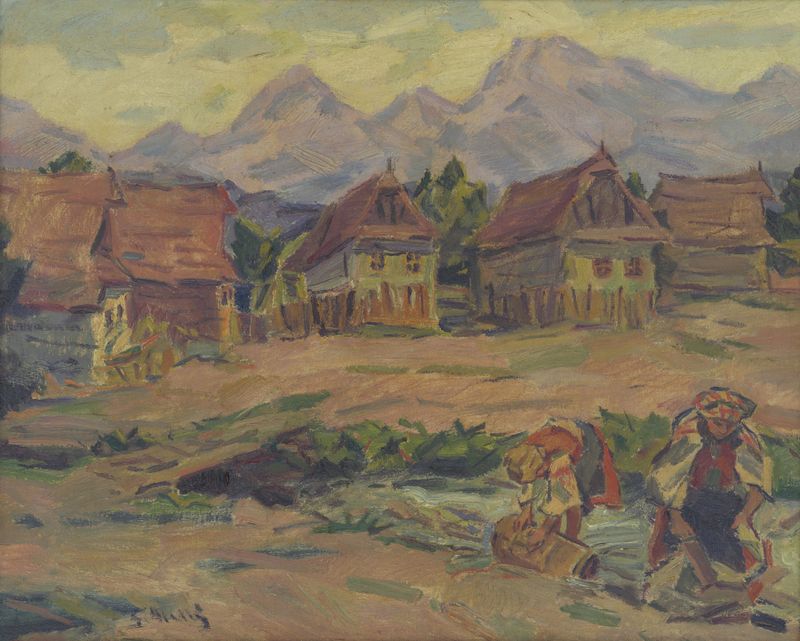
On a Brook below the Tatras
Gustáv Mallý
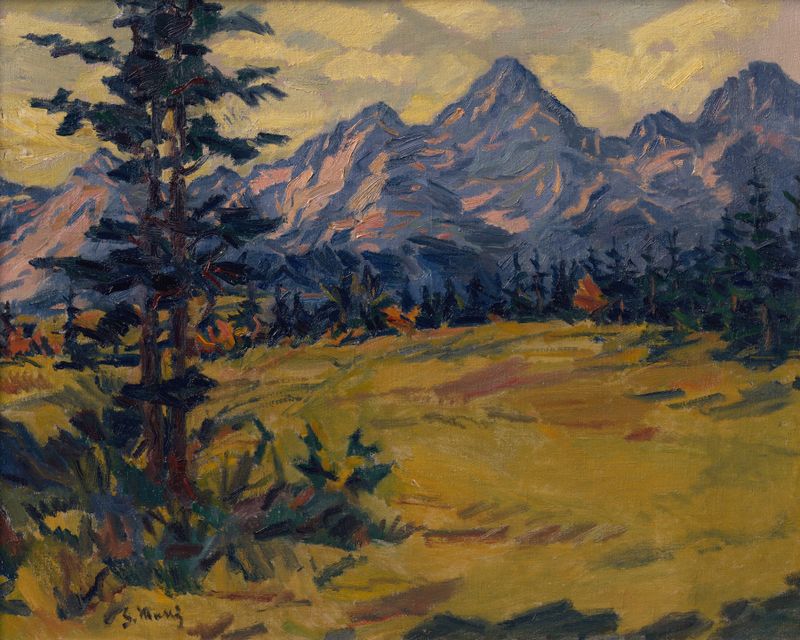
Tatras Landscape
Gustáv Mallý
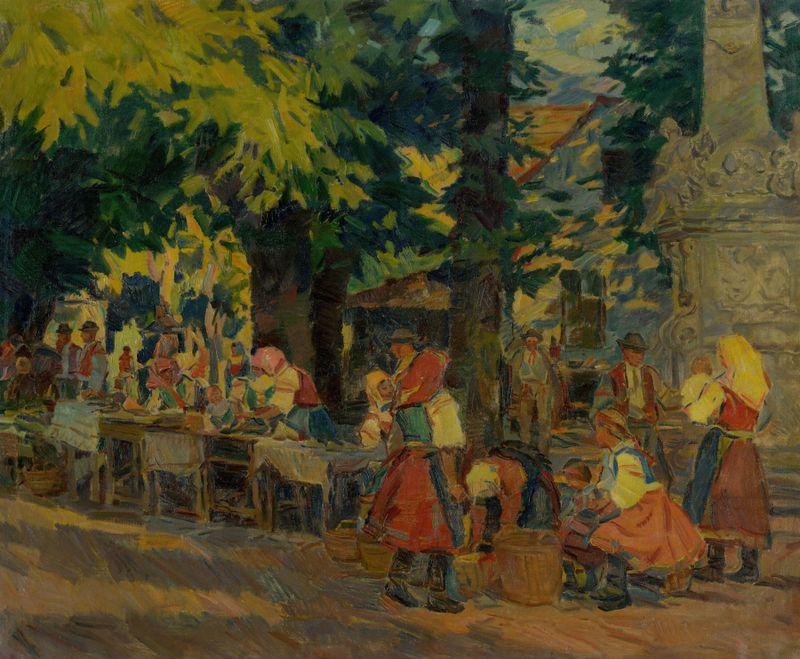
Fair in Marianka
Gustáv Mallý
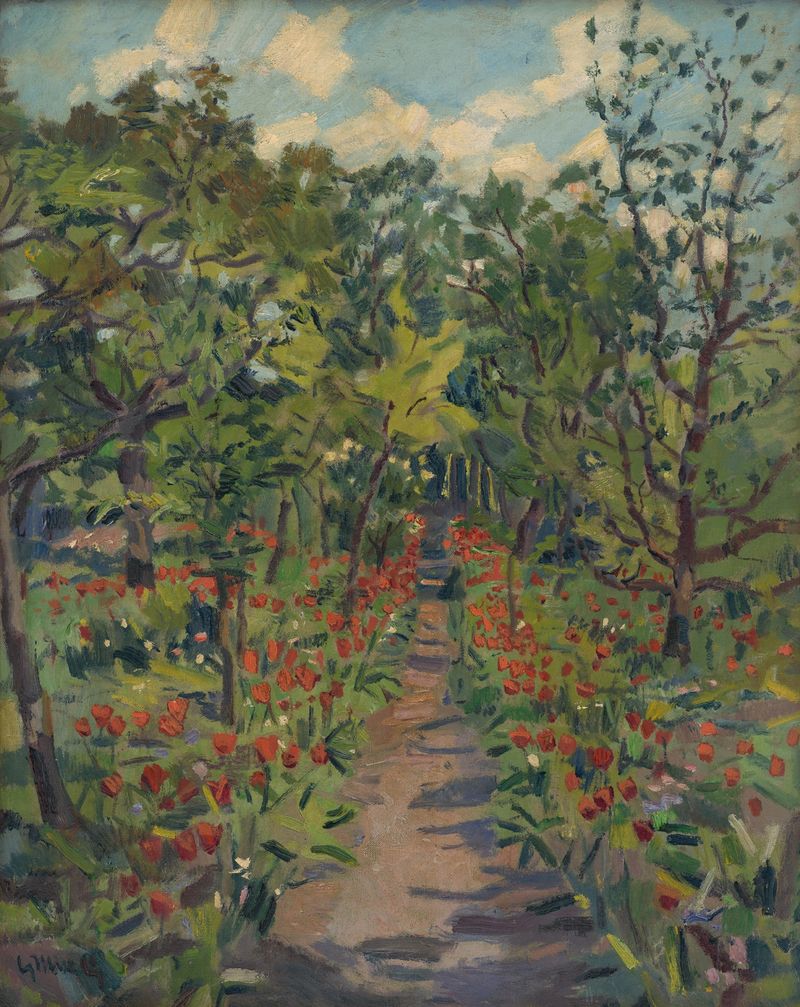
Walk in Petržalka Park
Gustáv Mallý

From the Tatras
Gustáv Mallý

Chief Shepherd with Sheep
Gustáv Mallý

Landscape from Petržalka
Gustáv Mallý
Motif from Ždiar
Gustáv Mallý
Landscape with a Fishpond
Gustáv Mallý
Summer
Gustáv Mallý





