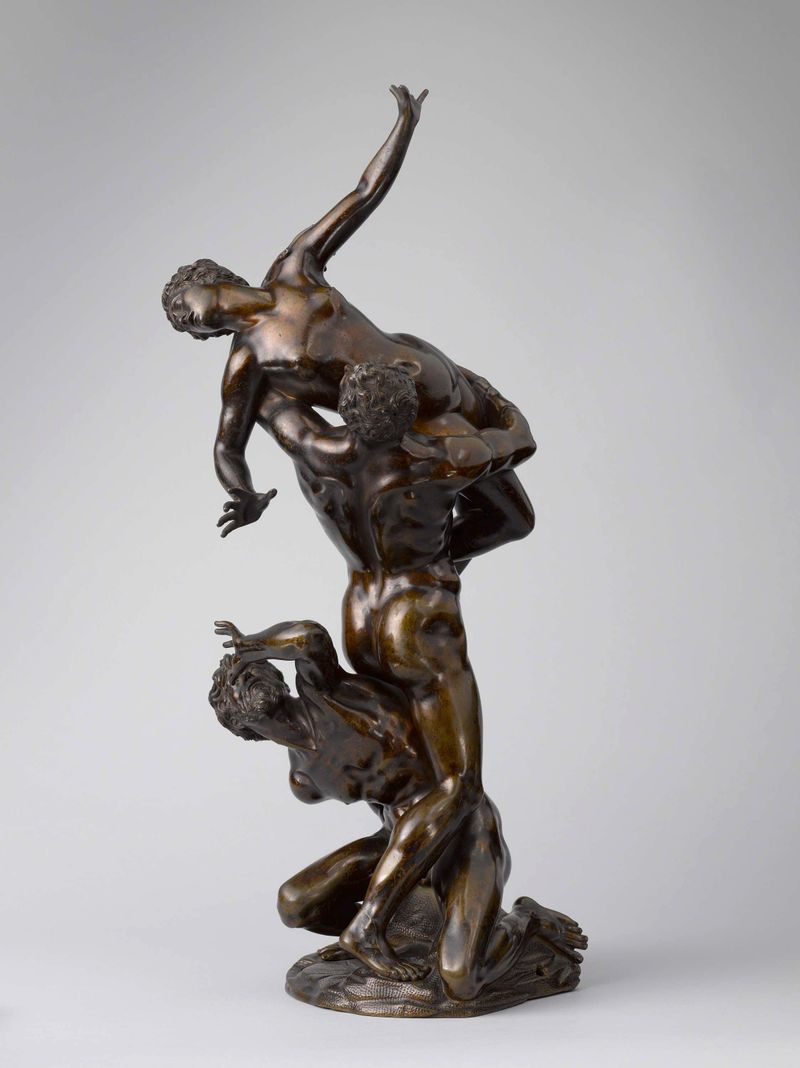
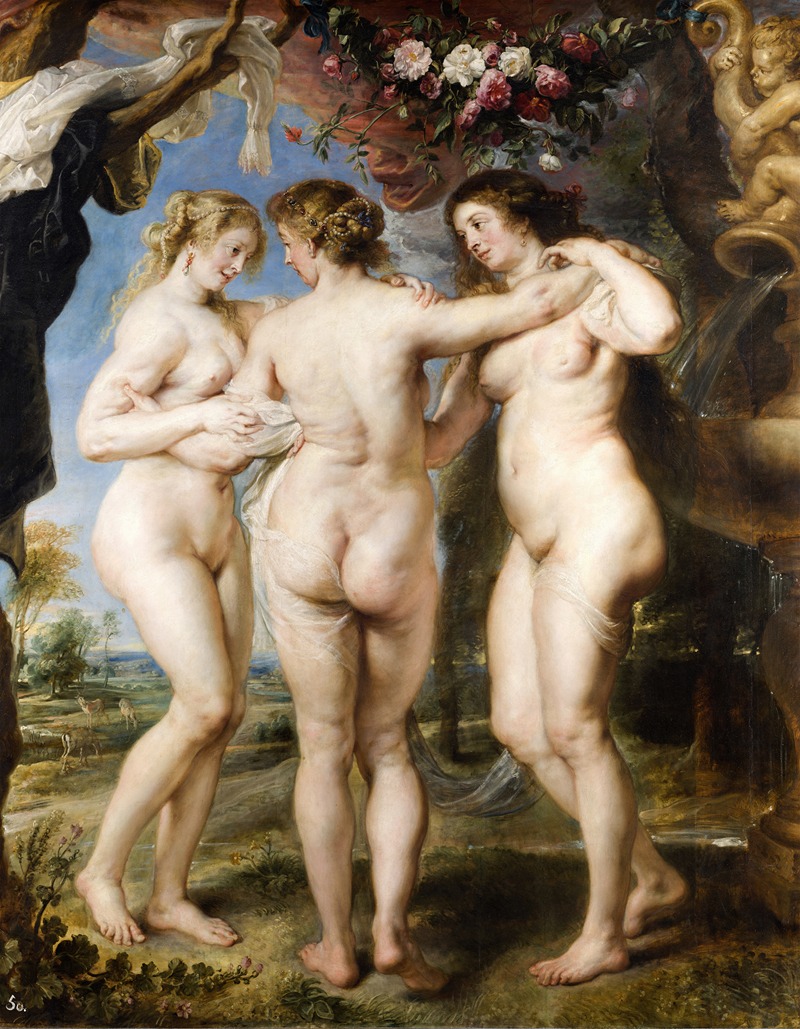
Pluto met tweetand en Cerberus — History & Facts
Where does light end, and longing begin? In the delicate interplay of shadows and figures, the essence of betrayal dances just beneath the surface, whispering secrets that demand to be unraveled. Look to the center, where Pluto, the god of the underworld, stands amid a haunting landscape. His figure, draped in dark robes, commands attention, yet his posture reveals vulnerability. Notice how the light falls upon Cerberus, the three-headed dog, each head casting a watchful gaze, embodying loyalty entwined with the threat of ferocity.
The muted, earthy tones create a somber atmosphere, contrasting starkly with the ethereal glow surrounding the two figures, heightening the tension of their interaction. The artist captures a moment pregnant with conflict—the look shared between Pluto and the figure of Tweetand suggests a history of trust now marred by doubt. The delicate positioning of Tweetand's hands, nearly reaching out yet hesitating, signifies a longing that is both hopeful and fraught with the weight of consequence. This contrast of intent and betrayal weaves a narrative that transcends the canvas, inviting the viewer to reflect on the complexities of loyalty and desire. In 1530, Jacob Binck created this notable piece during a period marked by a fascination with mythology and human emotion.
Living in Antwerp, he was part of a burgeoning art scene that blended Northern Renaissance ideals with classical themes. As art began to explore deeper psychological narratives, Binck’s work emerged as a testament to the evolving understanding of the human experience, reflecting both personal and cultural tensions of his time.
More Artworks by Jacob Binck
Browse all →
Portret van Christiaan II, koning van Denemarken
Jacob Binck

Christus en de Samaritaanse vrouw
Jacob Binck
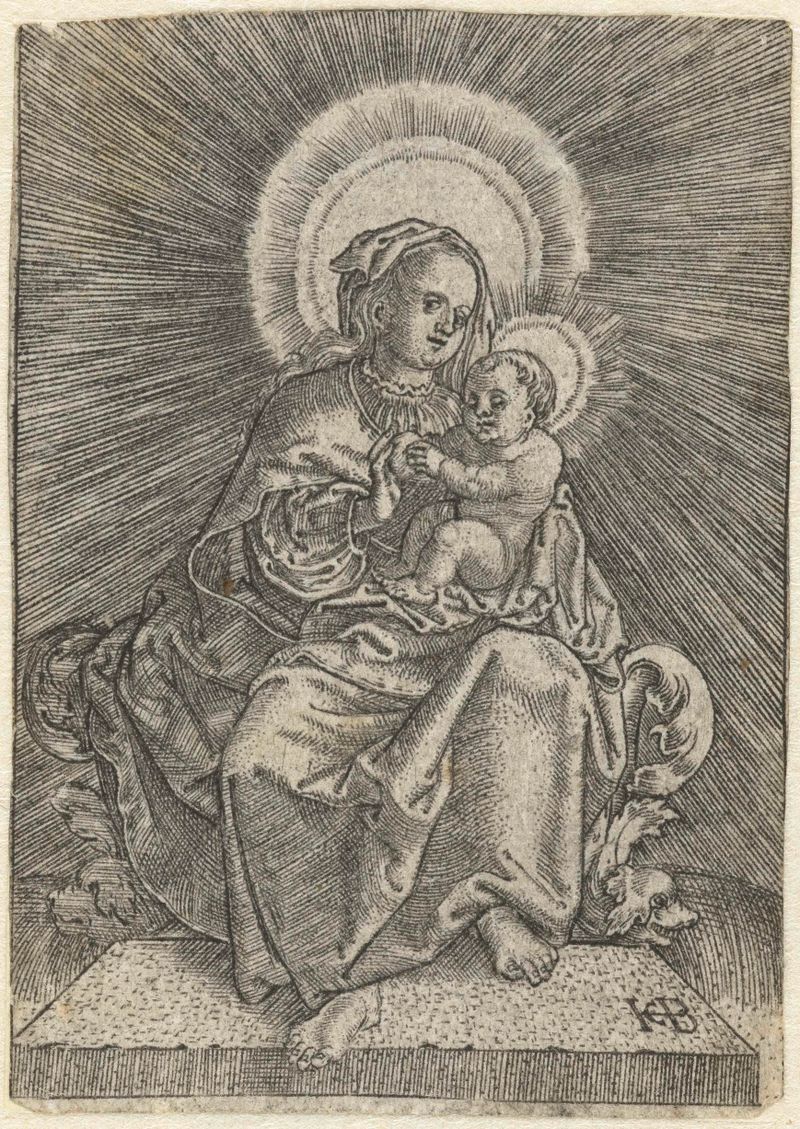
Tronende Maria met kind en appel in stralenkrans
Jacob Binck

Christus op de koude steen
Jacob Binck

Ornament met twee putti op dolfijnen onder een vaas
Jacob Binck
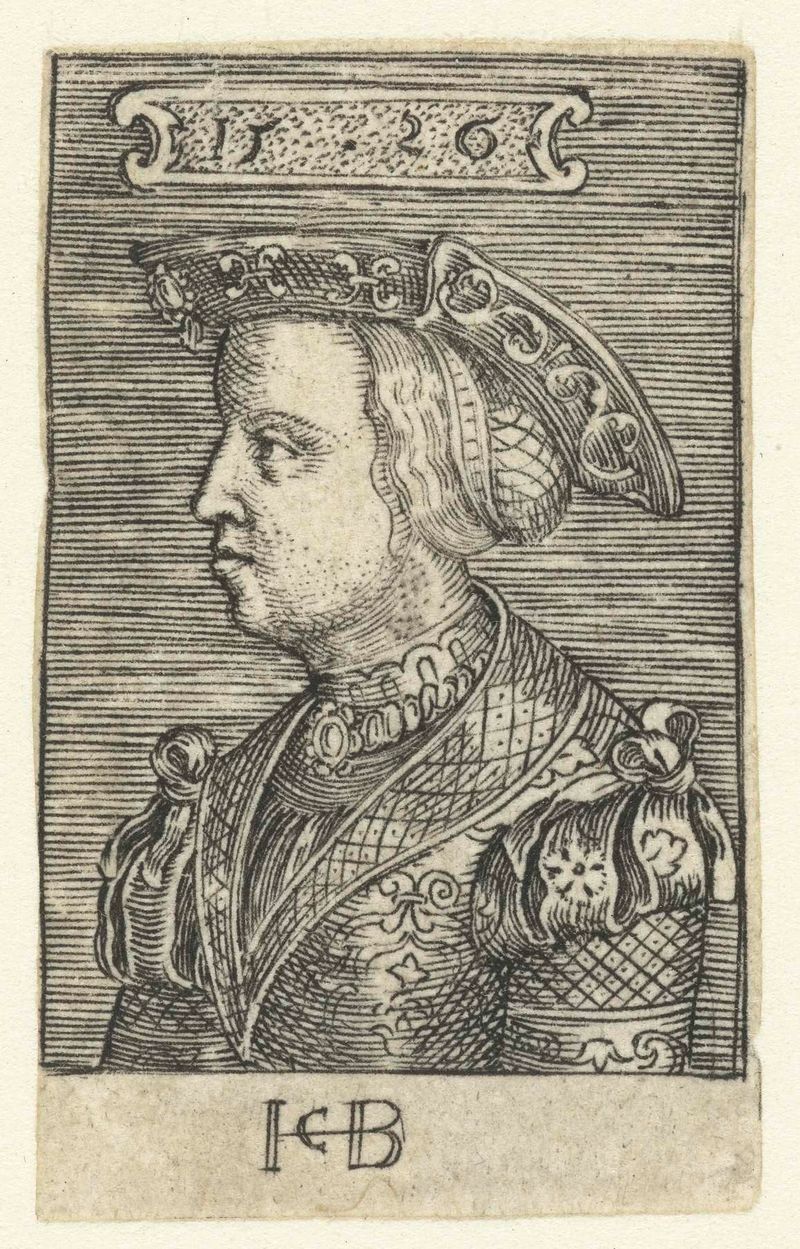
Portret van Claudia van Valois, echtgenote van Frans I
Jacob Binck

Ceres met kroon van korenaren, sikkel, brandende toorts en tweekoppige slang
Jacob Binck
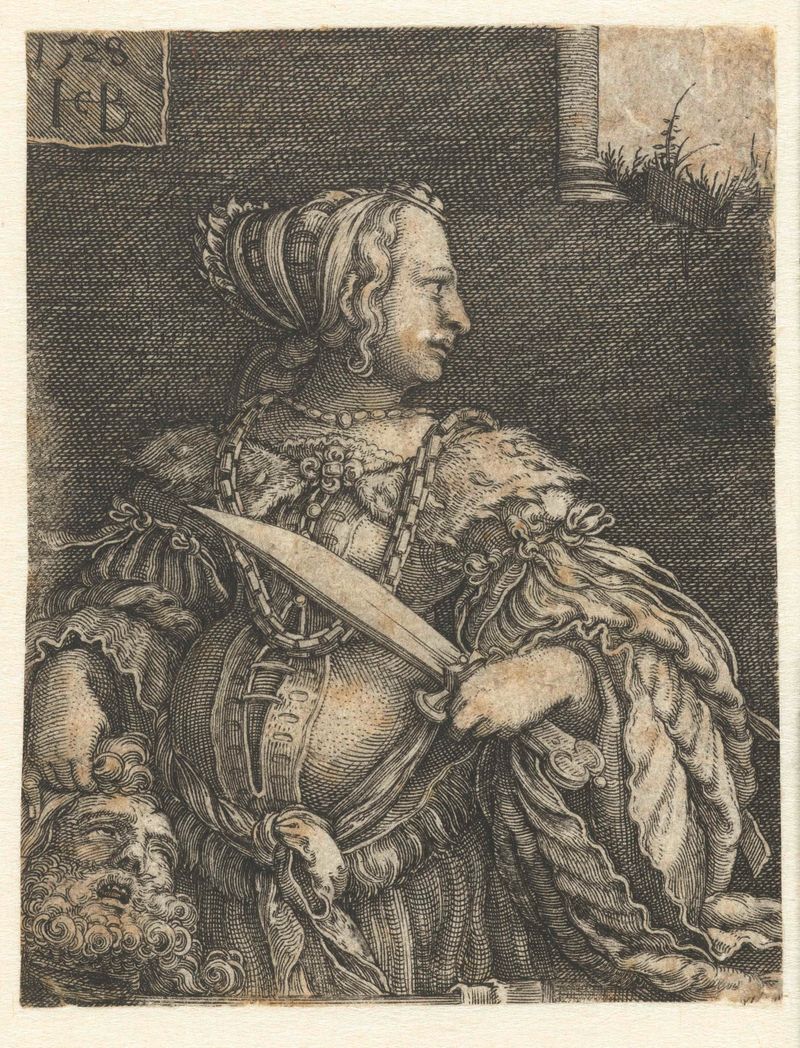
Judith met het hoofd van Holofernes
Jacob Binck
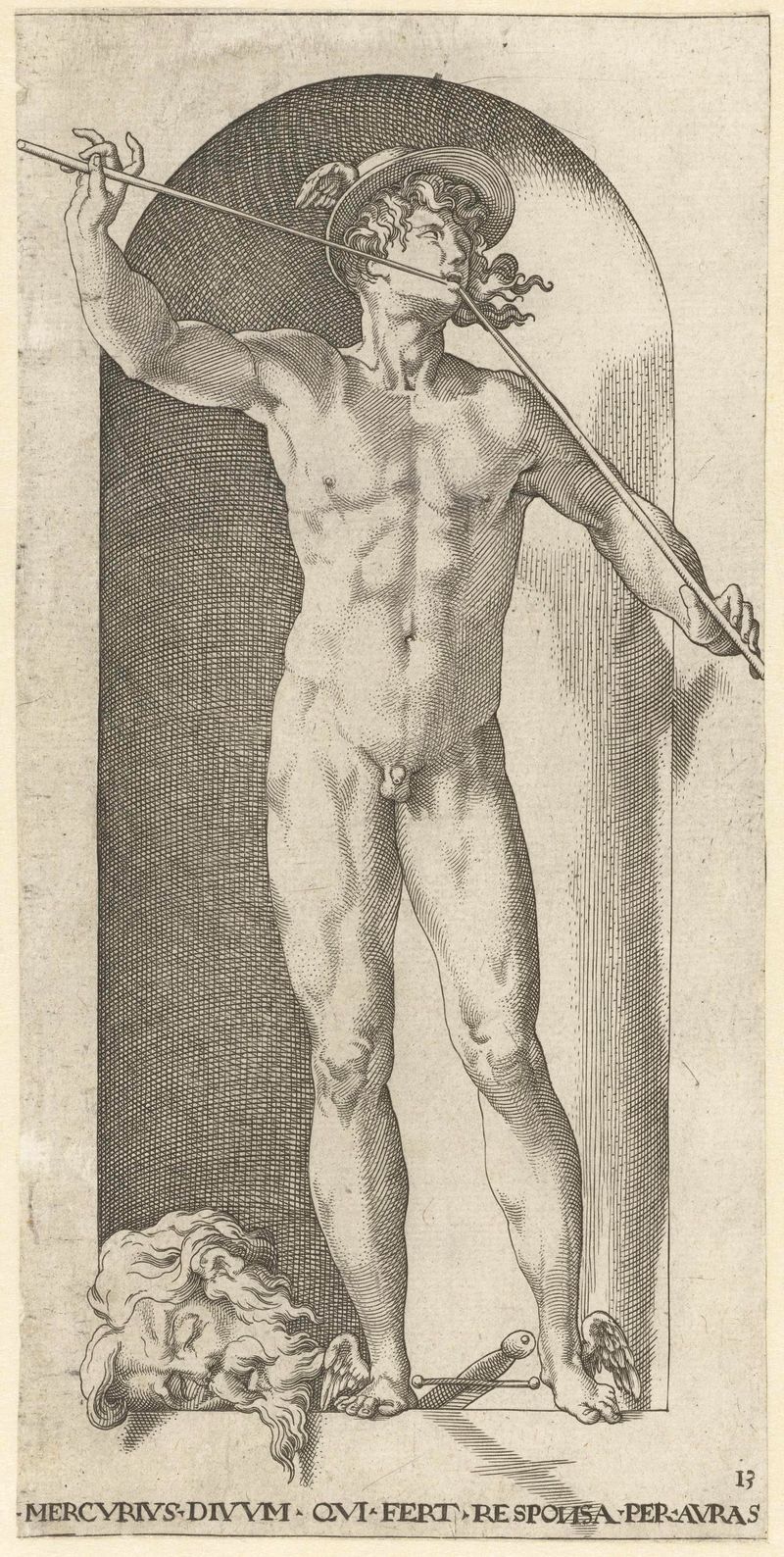
Mercurius met het hoofd van Argus
Jacob Binck

Minerva (Pallas Athena) met Medusahoofd op schild
Jacob Binck