
Poplar — History & Facts
The first thing that draws the eye is the towering poplar, a living column that seems to anchor the entire landscape beneath a sky full of drifting clouds and wheeling birds. Below, two figures—one in a straw hat, the other in a white shirt—rest on the grassy slope, their attention turned away from us and toward the vast, sunlit plain that stretches to the horizon. The poplar’s height is exaggerated by the low horizon and the painter’s choice to let it break the upper edge of the canvas, making the tree not just a part of the scene, but its central character.
The brushwork is loose and fresh, especially in the sky, where the quick strokes of blue and white suggest a breeze and the passing of time, while the figures’ relaxed posture hints at a moment of quiet observation or conversation. Painted in 1887, Poplar belongs to a moment when Russian landscape painting was turning toward the poetry of everyday nature, away from grand historical narratives. Artists like Apollinari Mikhailovich Vasnetsov often found inspiration in the countryside, capturing the sense of space and solitude that defined the Russian land. Works like this were rarely commissioned by the powerful; instead, they spoke to a growing audience of city dwellers nostalgic for rural roots, or simply hungry for the peace such scenes promised.
Today, Poplar is housed in a Russian collection, its quiet mood and open sky inviting viewers to step into the hush of a summer afternoon and look again at the world’s ordinary wonders.
More Artworks by Apollinari Mikhailovich Vasnetsov

Landscape With Lake
Apollinari Mikhailovich Vasnetsov
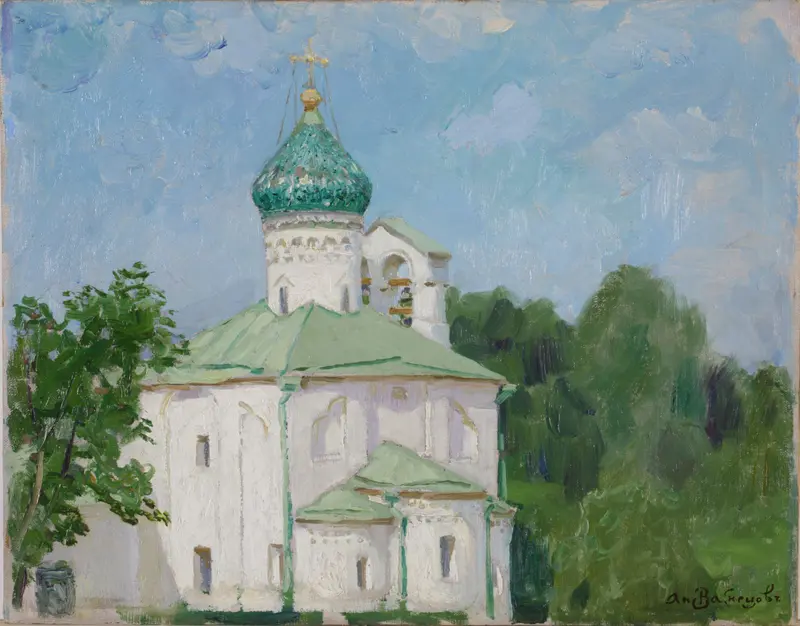
Sergius Luzhki
Apollinari Mikhailovich Vasnetsov
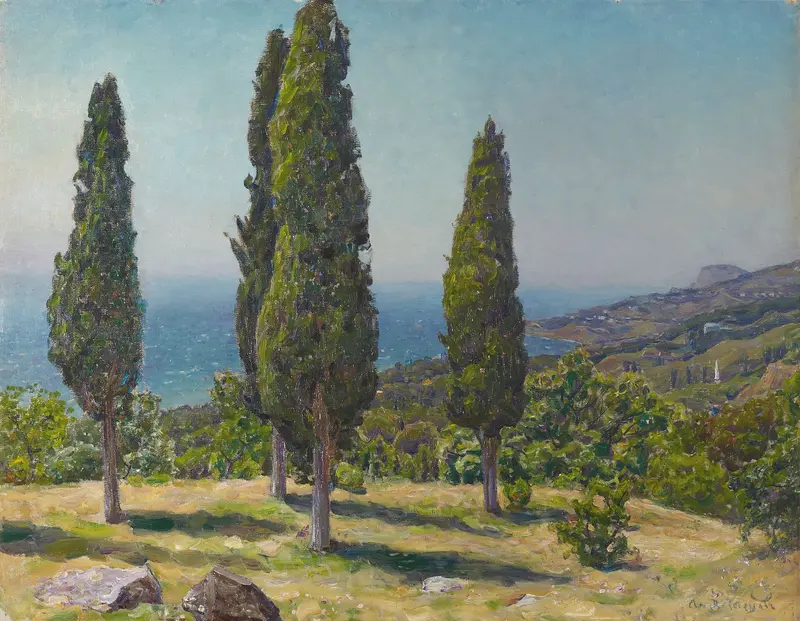
cypresses. Crimea
Apollinari Mikhailovich Vasnetsov
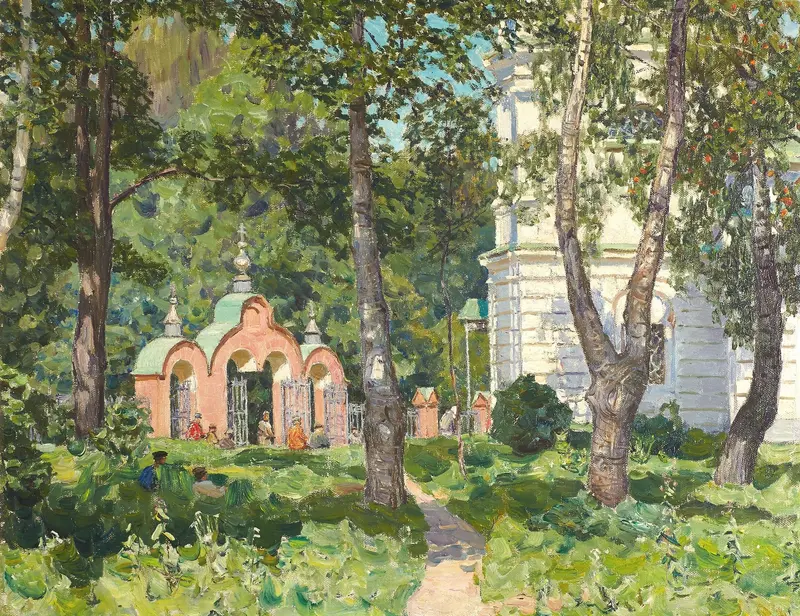
Demyanovo. At the churchyard
Apollinari Mikhailovich Vasnetsov
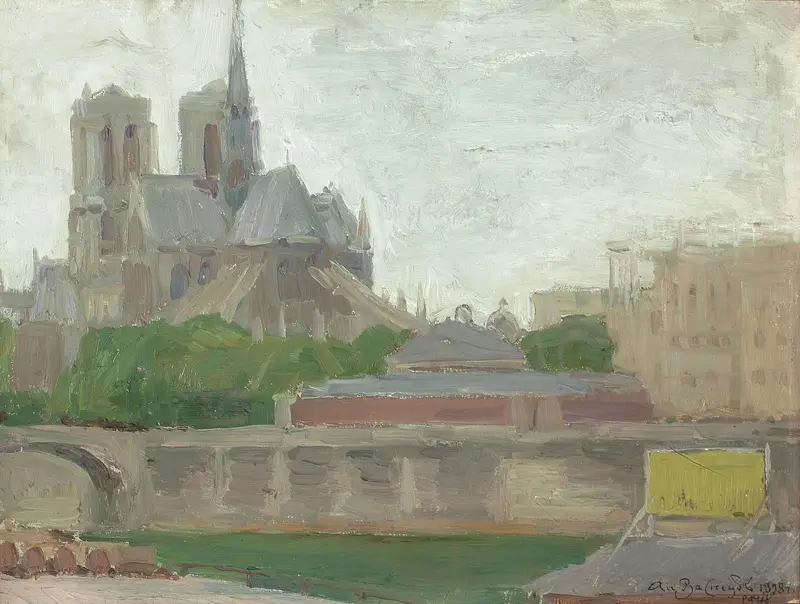
Notre Dame de Paris
Apollinari Mikhailovich Vasnetsov
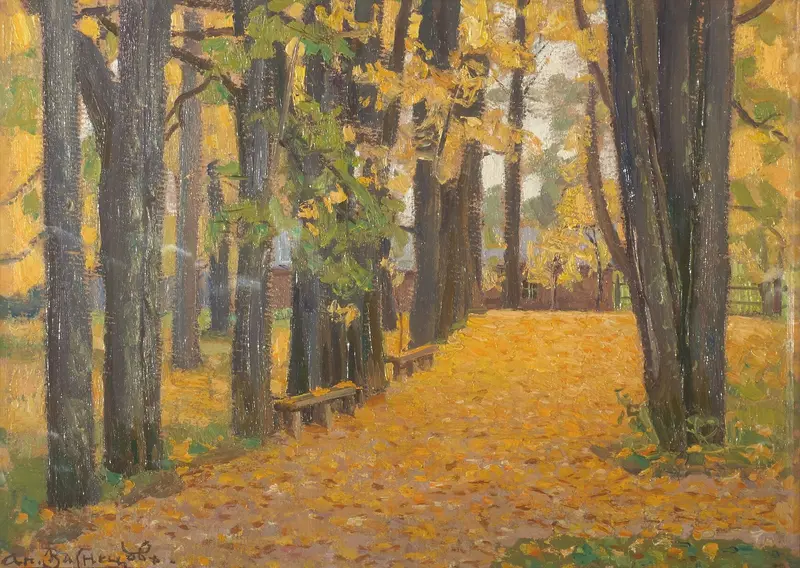
Autumn park
Apollinari Mikhailovich Vasnetsov
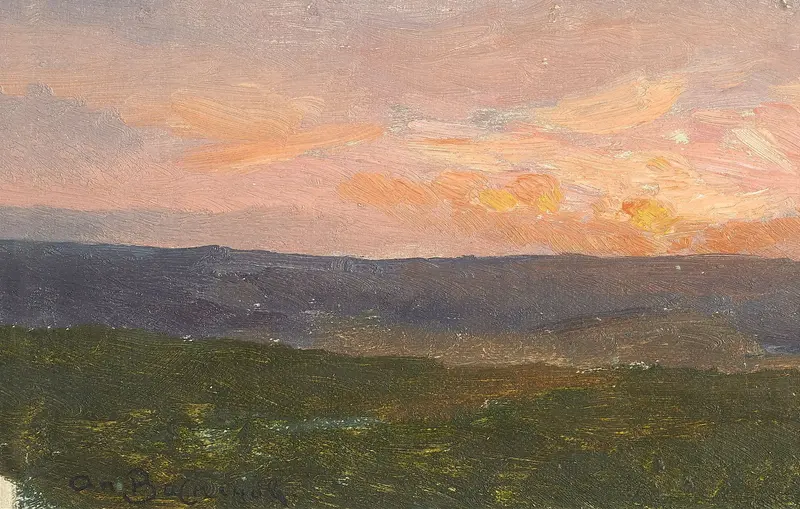
Sunset. Shurma
Apollinari Mikhailovich Vasnetsov

Via delle Tombe Pompeii
Apollinari Mikhailovich Vasnetsov
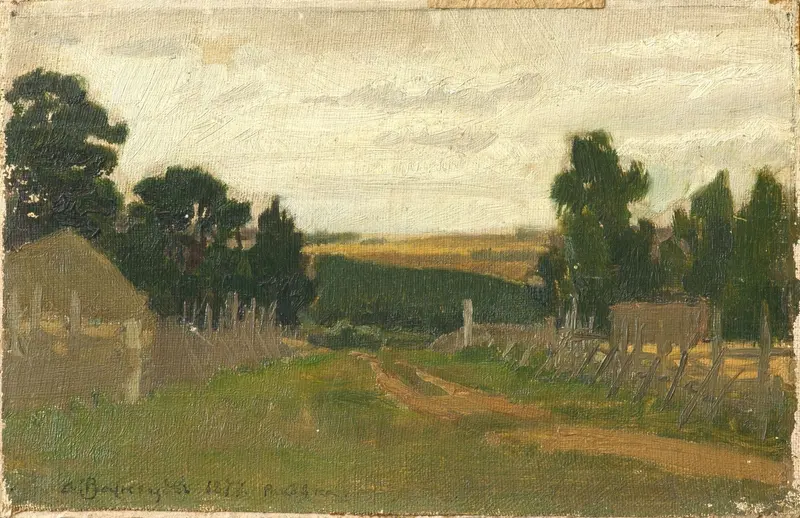
Rakovka
Apollinari Mikhailovich Vasnetsov
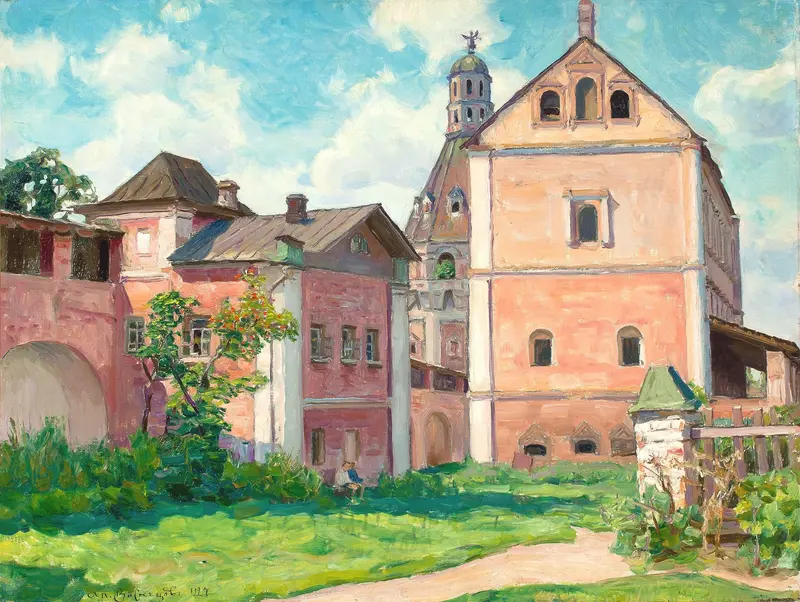
Simonov tower
Apollinari Mikhailovich Vasnetsov
More Landscape Art

The Starry Night
Vincent van Gogh

View of Delft
Johannes Vermeer

Water Lilies
Claude Monet

The Grand Canal, Venice, looking north-west from the Ca' Corner to the Ca' Contarini degli Scrigni, with the campanile of Santa Maria della Carità
Canaletto

Windsor Castle
Canaletto

The Grand Canal looking North-East from the Palazzo Dolfin-Manin to the Rialto Bridge
Canaletto