
Poppy field — History & Facts
In the vibrant strokes of a field alive with poppies, a sense of hope emerges, capturing the viewer’s heart with the promise of renewal. Van Gogh’s masterful use of color invites you to explore an emotional landscape, where each brushstroke pulses with life and passion. Look to the foreground, where splashes of red burst vibrantly against greens and golden yellows. The poppies seem to dance under a luminous sky, their petals unfurling like whispers of joy.
Notice how the movement in the brushwork creates a rhythm, guiding your gaze across the canvas—each hue layered deliberately, inviting a visceral experience of the scene. The contrasting colors convey a tension of vitality and fragility, as if the flowers are both a celebration of life and a reminder of its fleeting nature. Delve deeper into the canvas, and you will find contrasts that echo broader themes: the vibrancy of the poppies against the gentle sways of the field, the wildness of nature juxtaposed with the artist’s emotional turbulence. Each flower signifies not merely beauty but resilience, a beacon of hope amidst the chaos of existence.
The light that filters through reflects Van Gogh’s internal struggle—a paradox of despair and optimism, where each stroke captures the transient nature of life, yet illuminates the power of renewal. Created during a period of personal turmoil, Van Gogh painted this piece in the late 19th century, likely in Arles, France. At this time, he was grappling with mental health challenges while seeking solace in nature. The Impressionist movement's influence was palpable, as was the burgeoning self-awareness in his work.
This painting stands as a testament to his quest for peace through color, serving as a vibrant disruption to the darkness that often enveloped him.
More Artworks by Vincent van Gogh
Browse all →
Starry Night
Vincent van Gogh
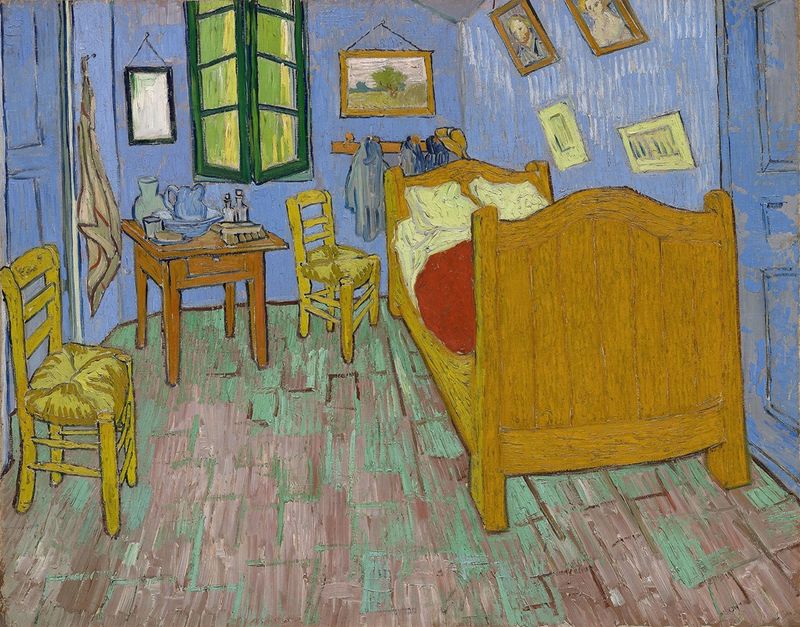
The Bedroom
Vincent van Gogh
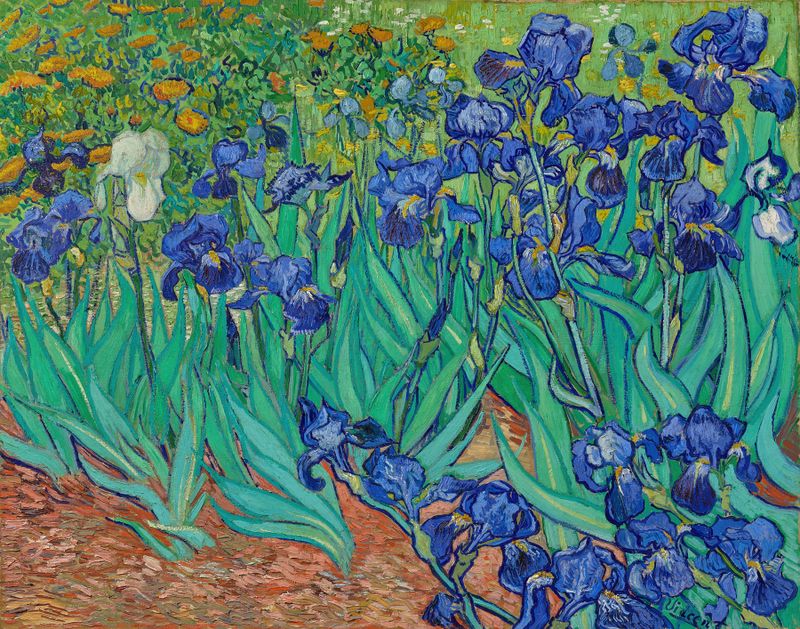
Irises
Vincent van Gogh
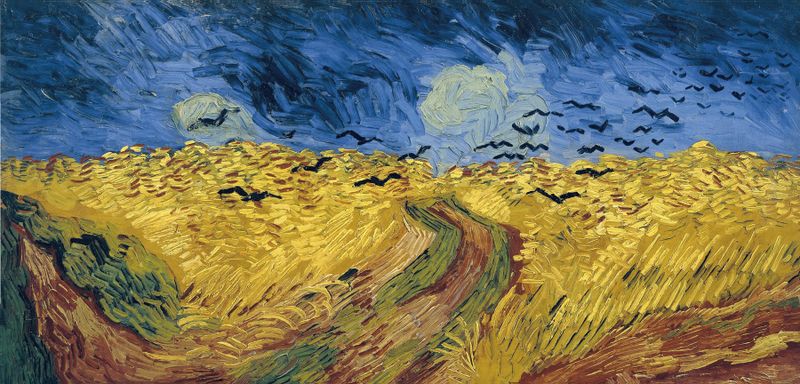
Wheatfield with Crows
Vincent van Gogh
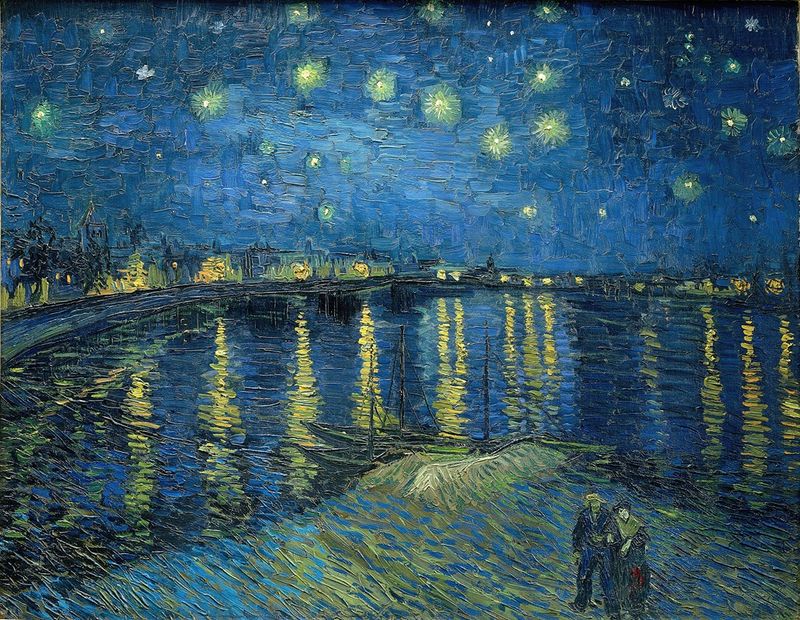
Starry Night over the Rhone
Vincent van Gogh

The yellow house
Vincent van Gogh
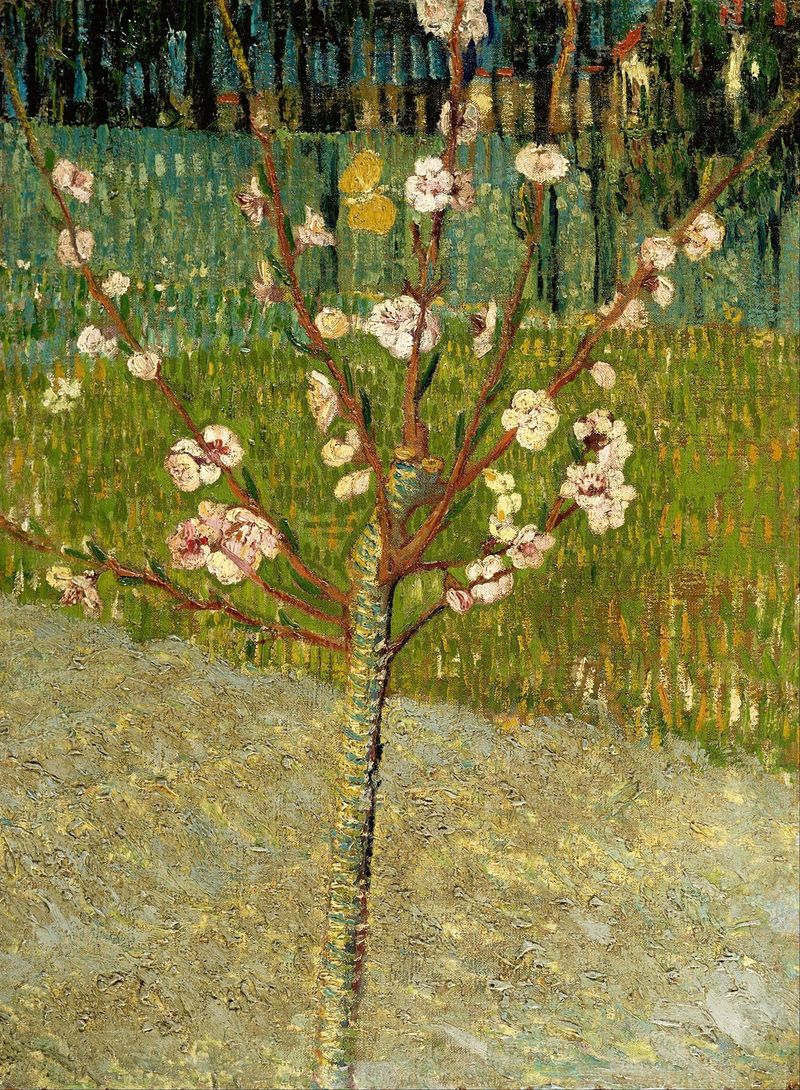
Almond tree in blossom
Vincent van Gogh

Portrait of Dr Gachet
Vincent van Gogh

The Church in Auvers-sur-Oise, View from the Chevet
Vincent van Gogh

Self-Portrait
Vincent van Gogh





