
Porsenna hoort dat Cloelia is ontsnapt — History & Facts
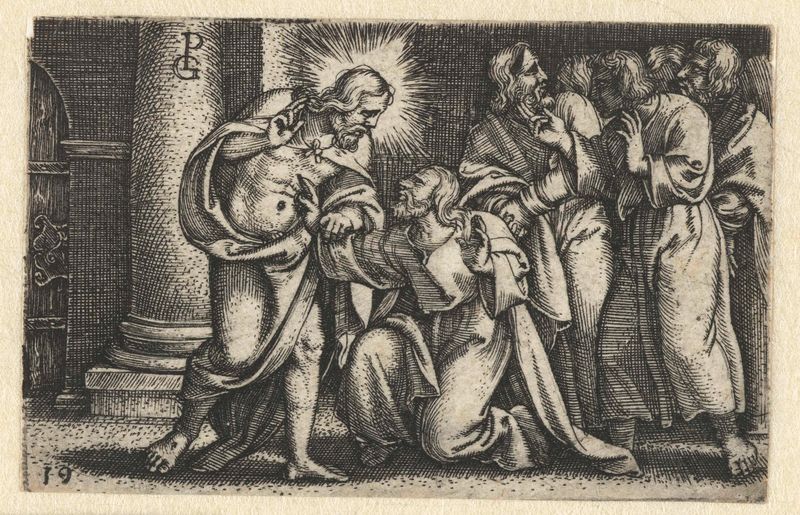
Is this a mirror — or a memory? Within the delicate strokes of this work lies a poignant glimpse into the past, where history intertwines with emotion, and the human experience resonates like echoes through time. Look to the left at the figure of Cloelia, her steadfast gaze directed towards the horizon, capturing both determination and vulnerability. The muted color palette reflects a twilight aura, with shades of gray and sepia enveloping the scene, evoking a sense of nostalgia. Notice how the light gracefully dances across the flowing drapery of her garments, skillfully painted to suggest movement while grounding her in the narrative.
Each detail serves to underline the tension of her flight, a moment where resolve and peril coexist. Delve deeper, and you will uncover layers of emotional contrast woven into the fabric of the composition. The juxtaposition of Cloelia's strong demeanor against the backdrop of uncertainty emphasizes the struggle between freedom and captivity. The distant figures, shrouded in shadow, represent the looming threat of pursuit, while her solitary stance embodies the fierce spirit of defiance.
This duality offers a timeless reflection on bravery in the face of overwhelming odds, igniting a sense of empathy in the viewer. During the years 1546 to 1547, the artist found himself in Nuremberg amidst a rich tapestry of cultural renewal and artistic exploration. A key figure in the Northern Renaissance, he was influenced by the humanist movement, which celebrated individual stories and experiences. In this context, the work resonates with a moment of personal and collective introspection, as narratives of heroism and identity began to shape the trajectory of European art.
More Artworks by Georg Pencz
Browse all →
Parabel van de zaaier
Georg Pencz

Parabel van de arbeiders in de wijngaard
Georg Pencz
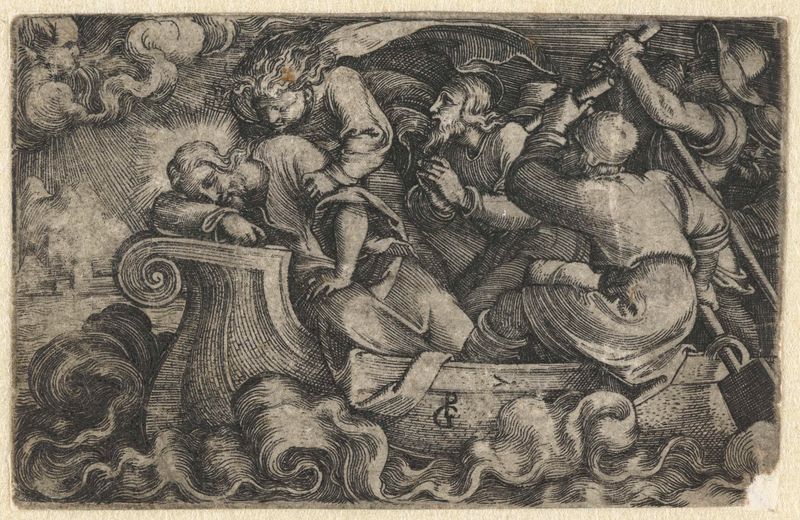
Discipelen wekken slapende Christus tijdens storm op Meer van Galilea
Georg Pencz

Afgunst (Invidia)
Georg Pencz
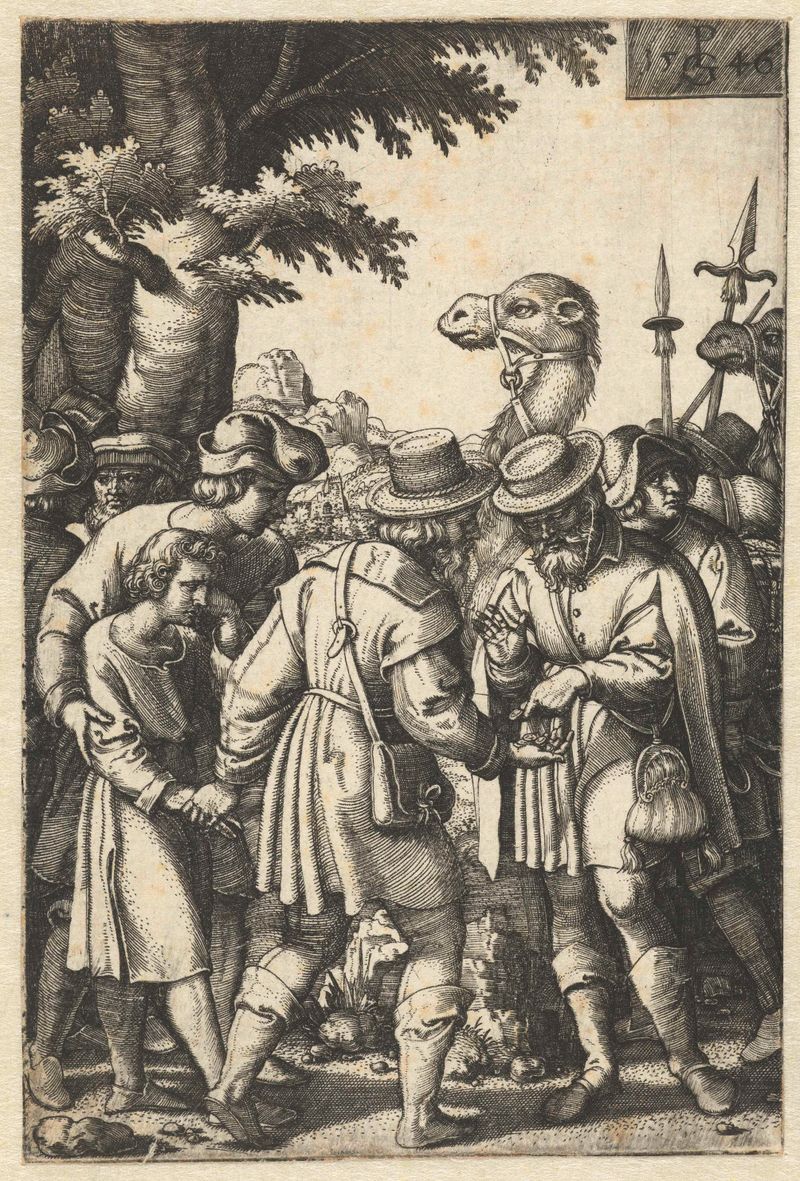
Jozef wordt verkocht aan kooplieden op weg naar Egypte
Georg Pencz

Aanbidding der koningen
Georg Pencz
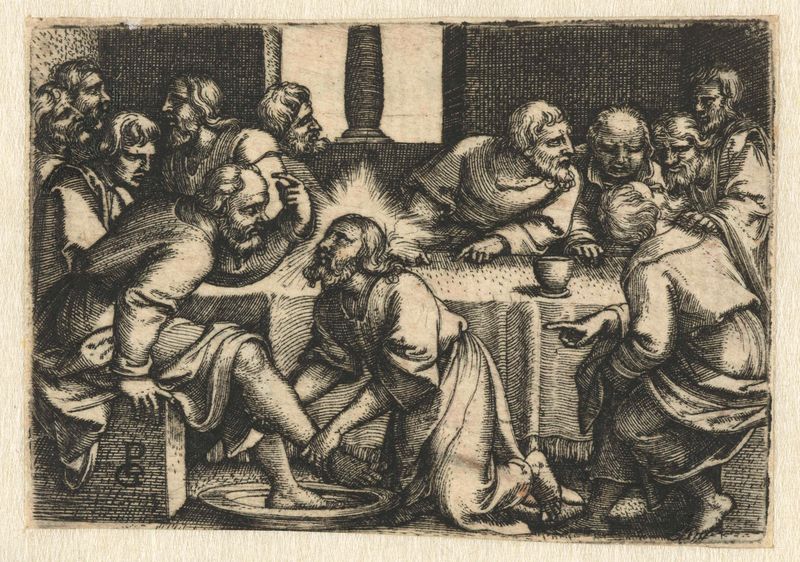
Petrus protesteert als Christus zijn voeten wast
Georg Pencz
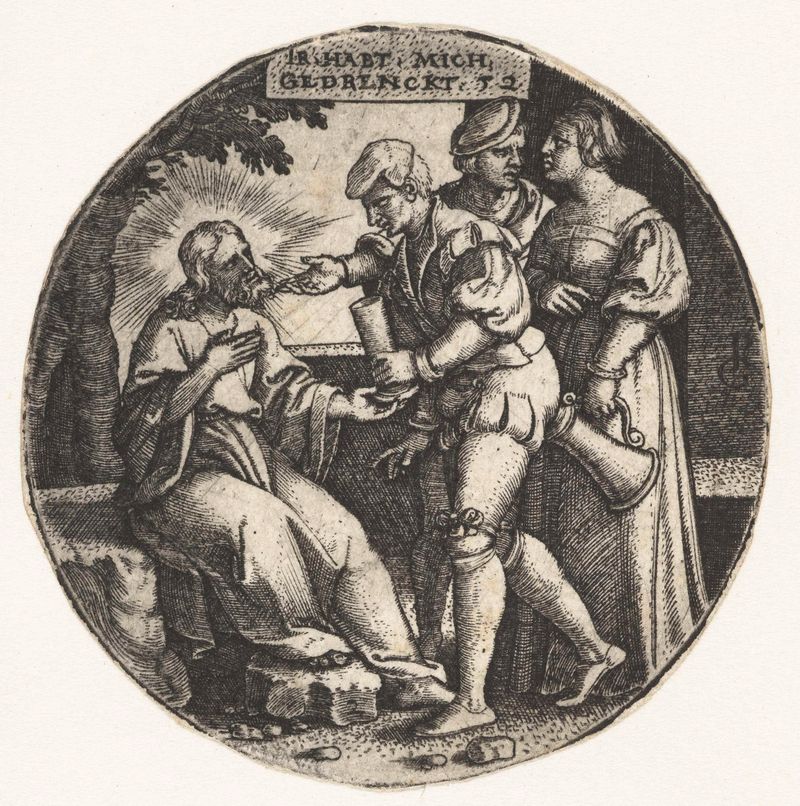
Christus heeft dorst en krijgt drinken aangeboden
Georg Pencz
Ongelovige Thomas raakt wonden Christus aan
Georg Pencz

Offer van Abraham van Isaak
Georg Pencz
More Historical Art
Browse all →
The Night Watch Militia Company of District II under the Command of Captain Frans Banninck Cocq
Rembrandt van Rijn

Lincoln Memorial
Henry Bacon

The Third of May 1808
Francisco de Goya

Isaac and Rebecca, Known as ‘The Jewish Bride’
Rembrandt van Rijn

The Charge of the Mamelukes (1814)
Francisco de Goya

De vier ruiters van de apocalyps
Albrecht Dürer