Porte — History & Analysis
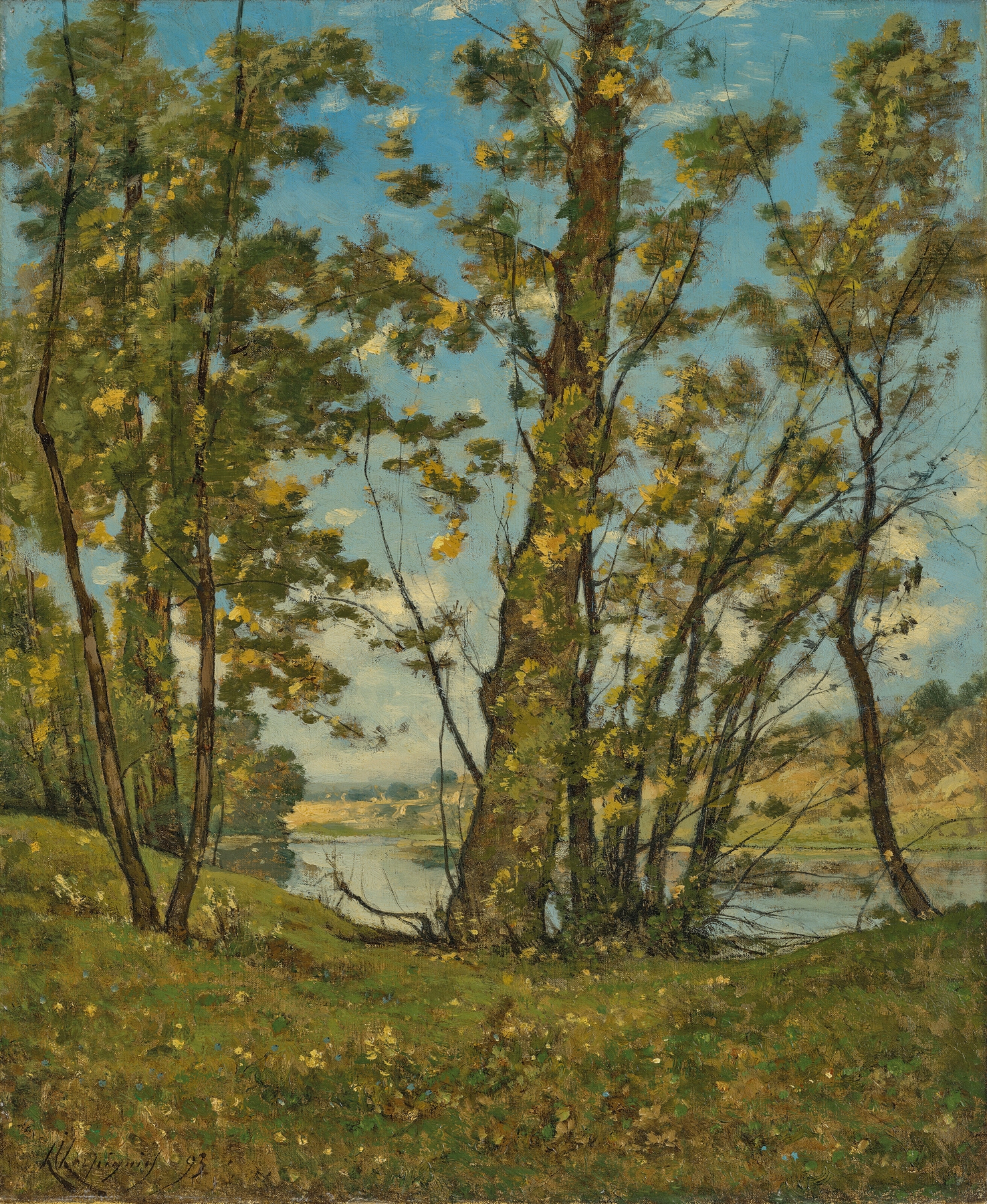
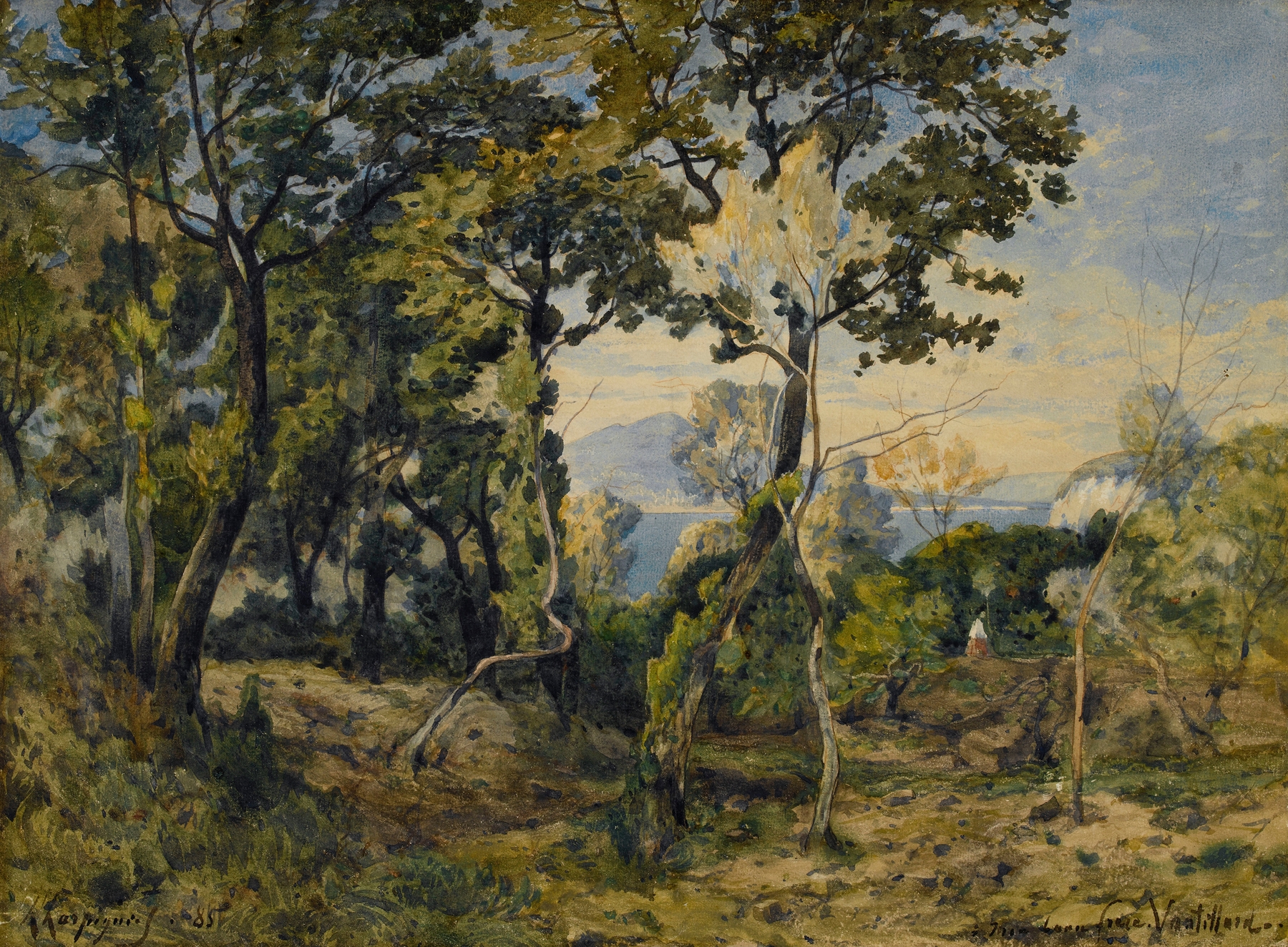
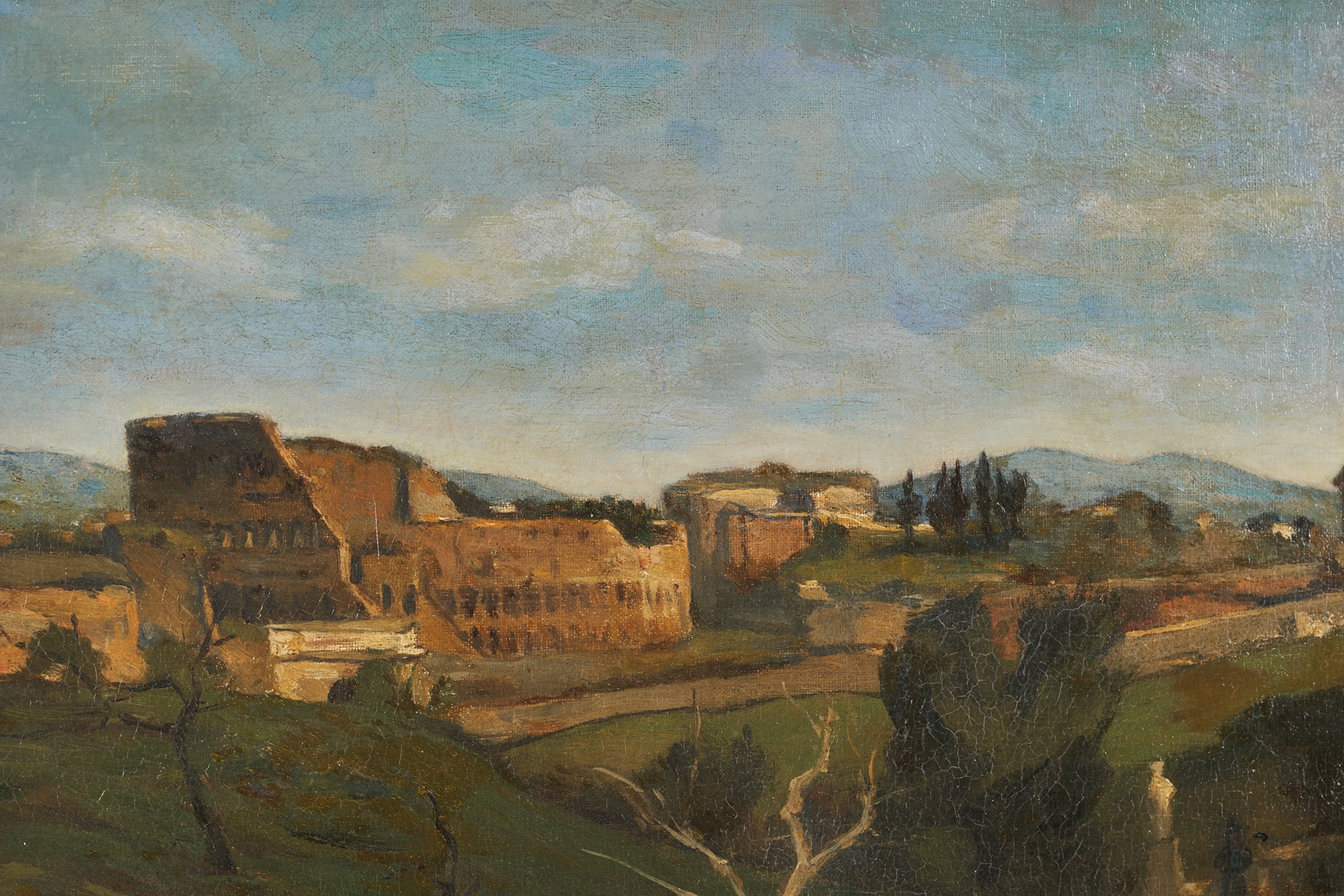
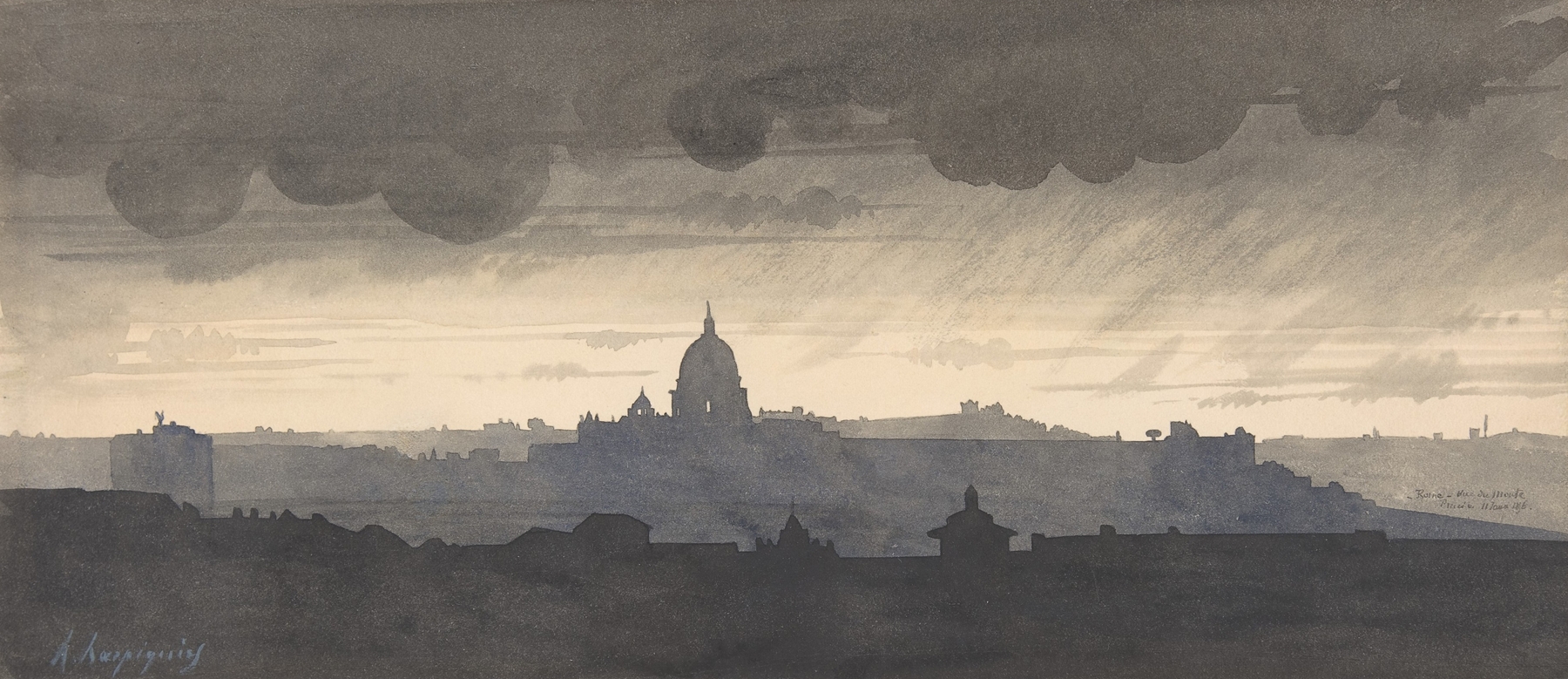
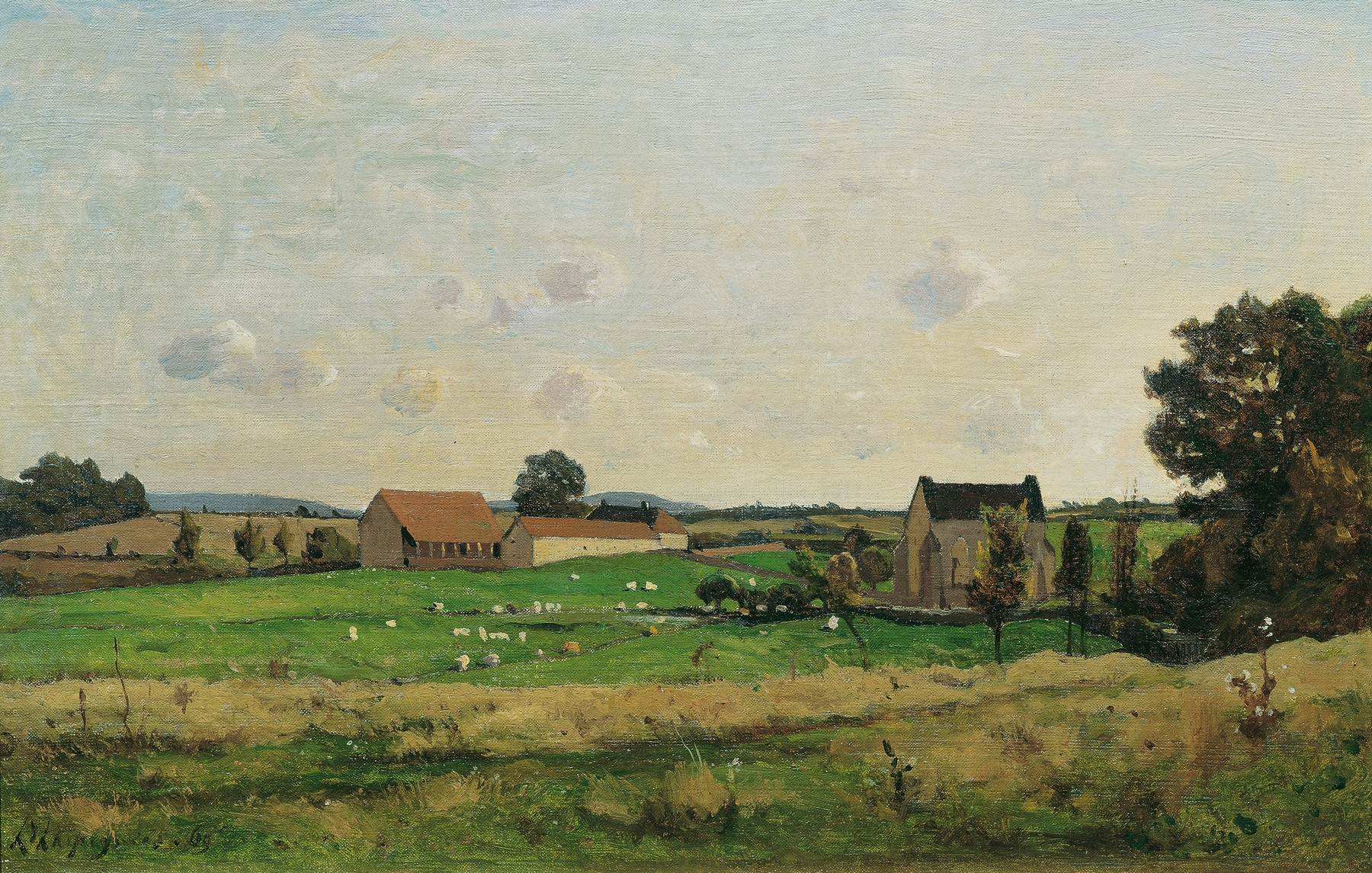
“The canvas doesn’t lie — it simply waits.” In the stillness of a moment, balance hangs delicately in the air, whispering of harmony and tension intertwined. Focus first on the tranquil archway at the center of the composition, where the light gently spills through, illuminating the path beyond. The soft greens and earth tones of the surrounding foliage create a serene backdrop, inviting the viewer's eye to explore the interplay of shadow and light. Notice how the brushstrokes convey movement, each stroke a careful decision that breathes life into the stillness, suggesting a world just beyond the frame.
Delve deeper, and you'll uncover the emotional resonance of contrast present in the piece. The sturdy stone arch juxtaposes the fleeting natural elements, representing the tension between permanence and transience. The varied hues within the foliage hint at the changing seasons, while the archway stands timeless—symbolizing a threshold between what was and what is to come. This interplay serves to reflect our own journeys, caught in the balance of past and future.
In 1862, while living in the vibrant artistic milieu of France, Harpignies painted this work during a time of burgeoning impressionism. His experience in capturing natural landscapes and architecture reflects his growing interest in light and atmosphere. This period marked a shift in artistic expression, as artists like him sought to represent not just the visual, but the emotional weight carried within a moment.