
Portrait de femme — History & Facts
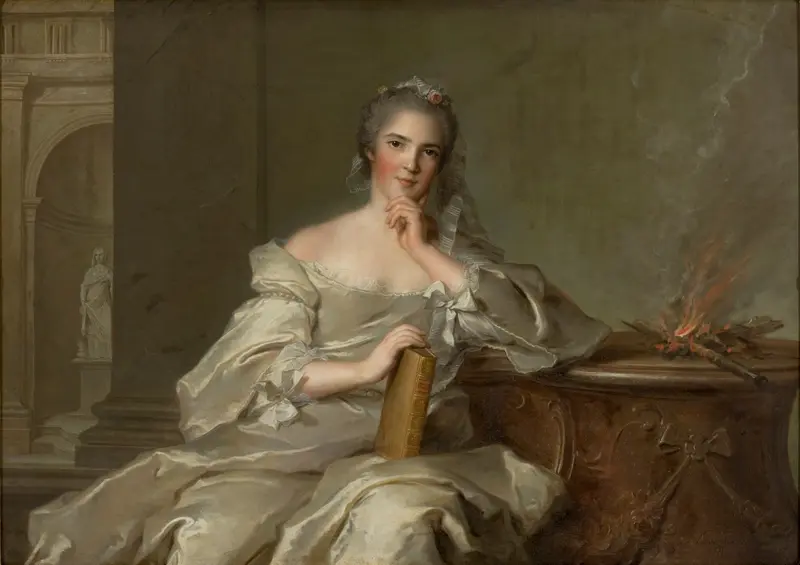
What draws the eye first in Portrait de femme is the quiet confidence of its sitter, her gaze meeting the viewer with a gentle directness that feels both formal and personal. The soft, powdery light settles across her face and shoulders, picking out the delicate textures of her powdered hair and the shimmering folds of her gown. The artist, Jean-Marc Nattier, was celebrated in his time for his ability to capture not just the likeness but the poise of the French elite, and here every detail—the intricate embroidery at the neckline, the coral-pink silk draped over her arm, the single flower pinned to her bodice—signals a carefully constructed identity.
Even the background, a dark, smoky haze, serves to throw her presence into sharper relief, making her seem to emerge from shadow into society. This portrait belongs to the world of mid-eighteenth-century France, when images like these were not mere records but statements of status, taste, and aspiration. Painted in 1750, as documented by the Musée d'art et d'histoire de Saint-Brieuc, such works were often commissioned by noble families eager to display their refinement and connections. The era’s portraits, especially those by Nattier, were shaped by the codes of the Rococo—graceful, ornate, and intimate, yet always with an undercurrent of performance.
History has kept few traces of this specific sitter’s story, but the painting itself remains a vivid testament to the rituals of self-presentation in the salons of Enlightenment France. Let your eye linger on the interplay of fabric and flesh, and imagine the conversations this portrait once witnessed.
More Artworks by Jean-Marc Nattier

Madame Crozat de Thiers and Her Daughter
Jean-Marc Nattier
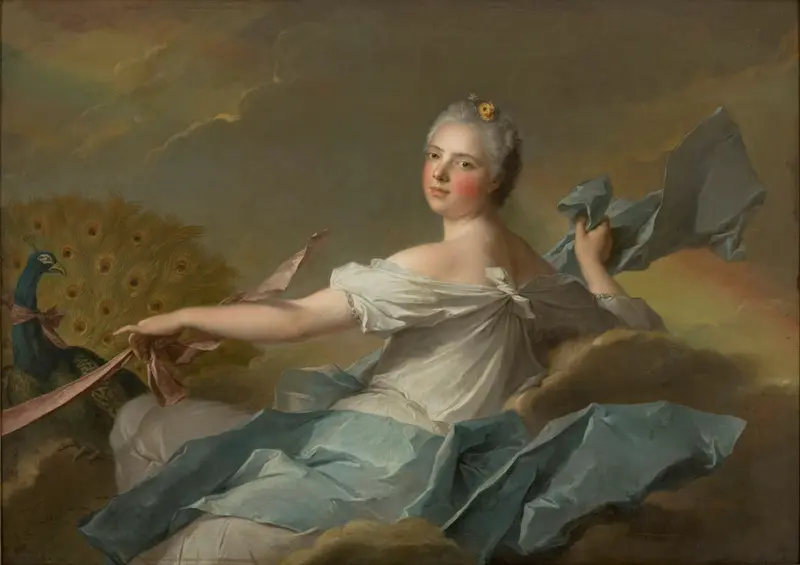
Princess Marie Adélaïde of France - The Air
Jean-Marc Nattier
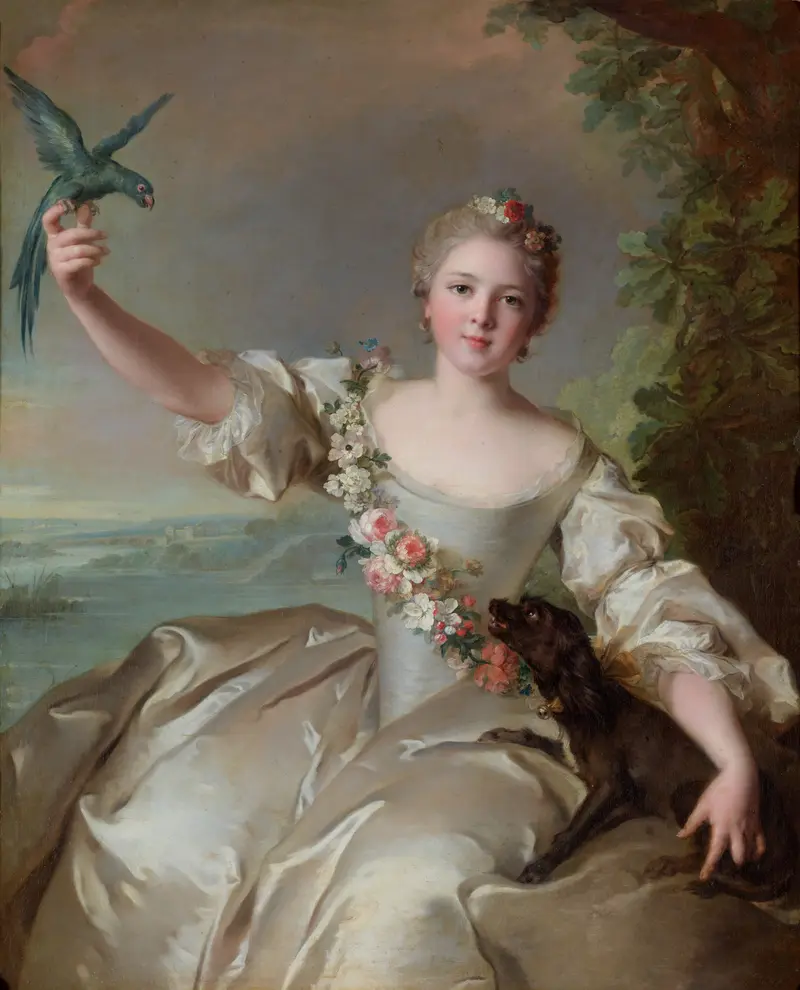
Portrait de Mathilde de Canisy, marquise d'Antin
Jean-Marc Nattier
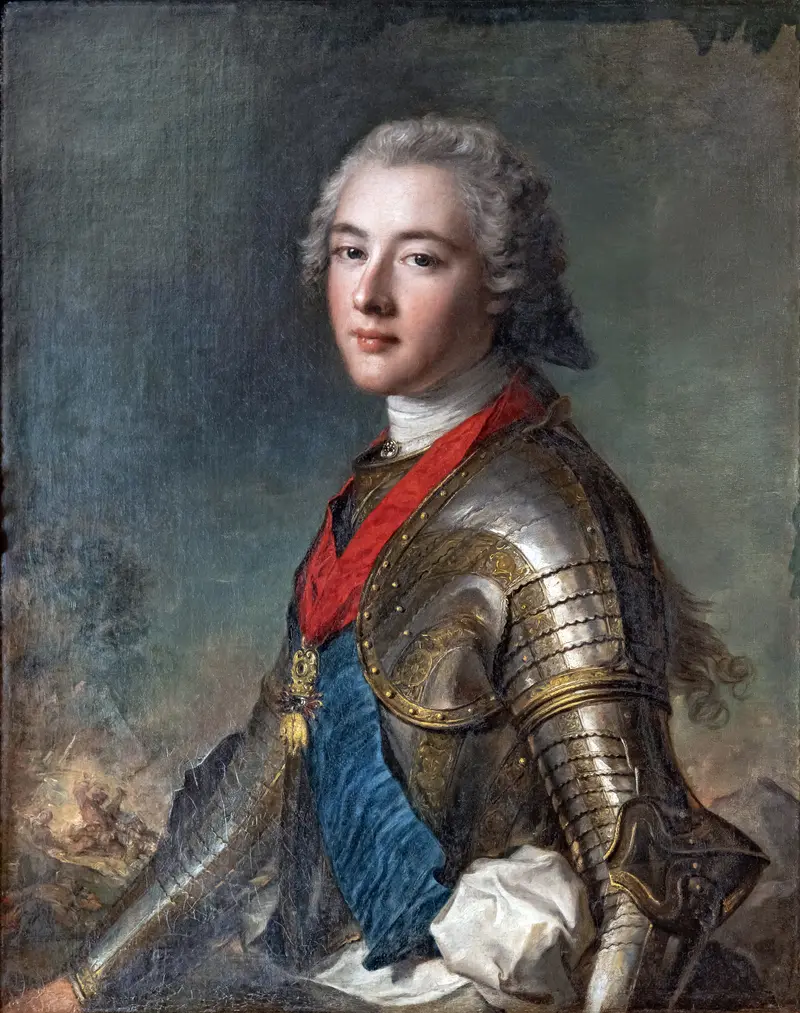
Bemberg Fondation Toulouse - Portrait de Louis Jean Marie de Bourbon, Duc de Penthièvre - Jean Marc Nattier inv.1158 82x65.4
Jean-Marc Nattier
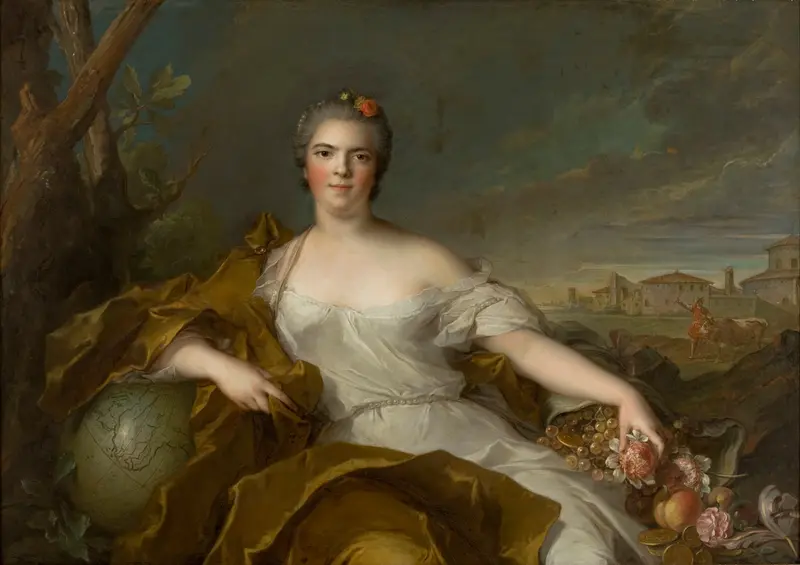
Princess Louise-Élisabeth of France - The Earth
Jean-Marc Nattier
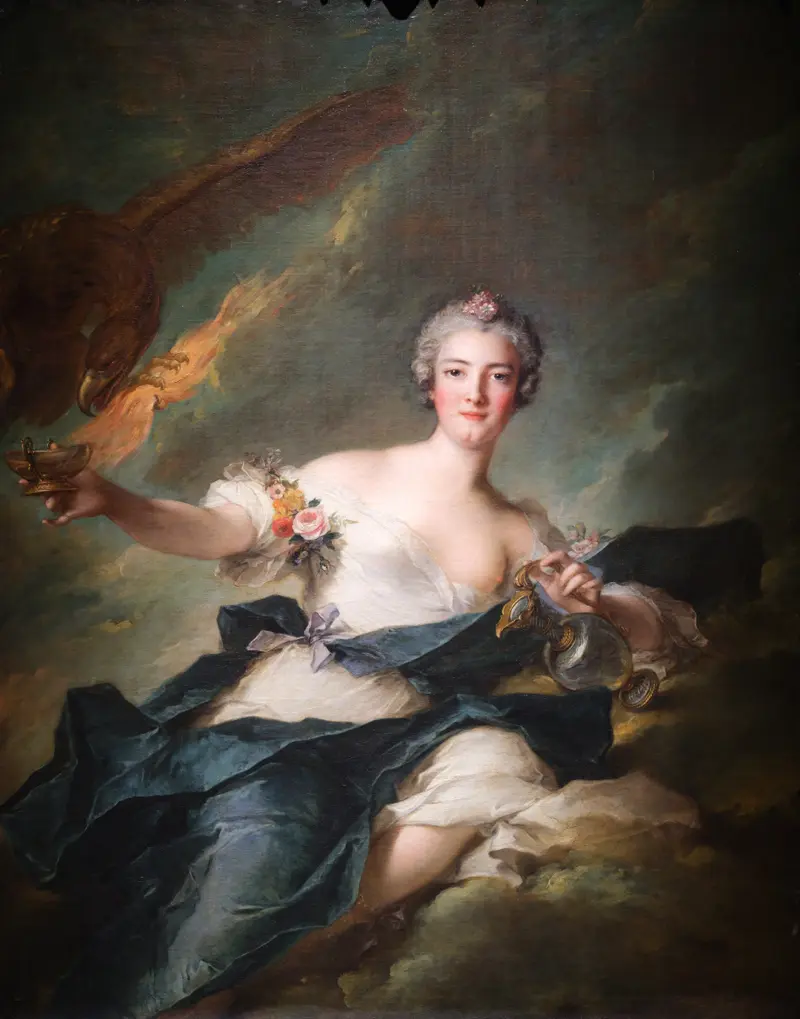
The Duchess of Chaulnes Represented as Hebe
Jean-Marc Nattier
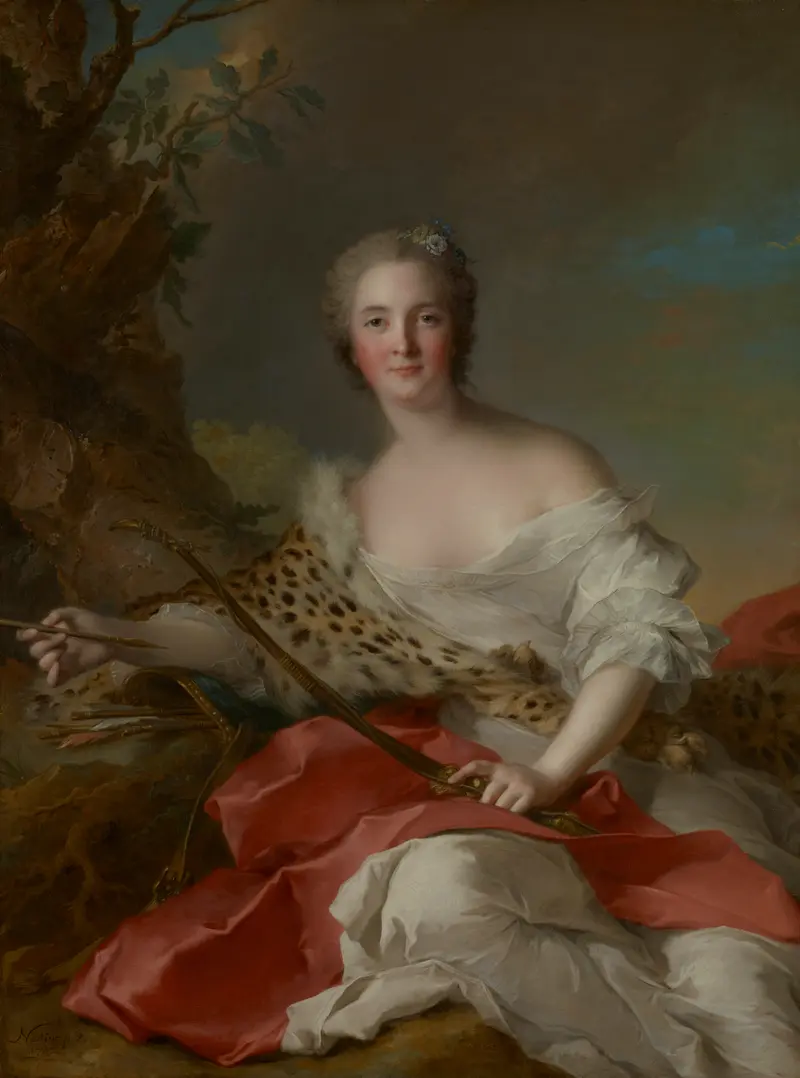
Portrait of Madame Bonnier de la Mosson as Diana (Constance-Gabrielle-Magdeleine du Monciel de Lauraille
Jean-Marc Nattier
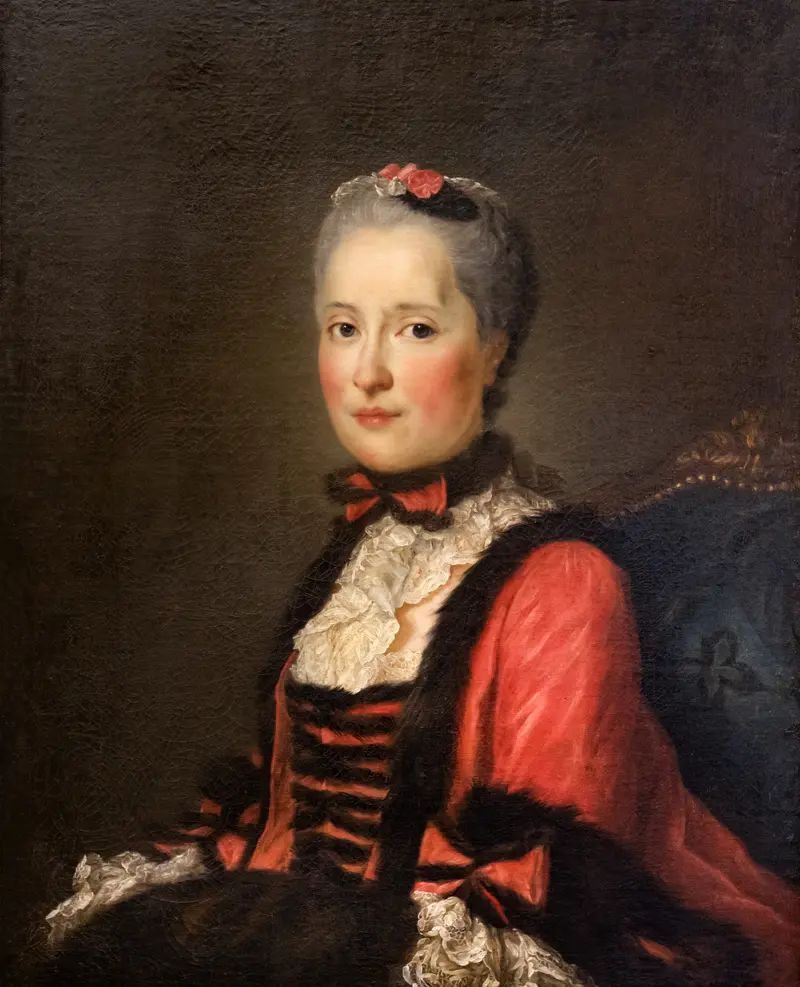
Portrait of Marie-Josephe of Saxony, Dauphine of France
Jean-Marc Nattier
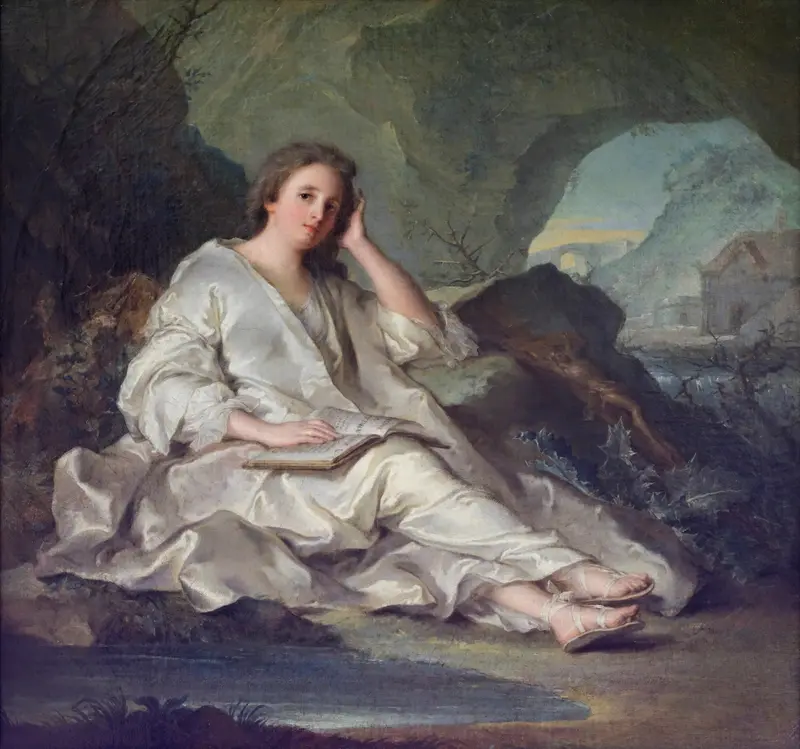
La Madeleine, ou Une Pénitente dans le désert Musée du Louvre Peintures INV 6880 ; MR
Jean-Marc Nattier
Princess Anne-Henriette of France - The Fire
Jean-Marc Nattier





