
Portrait de François Ziem — History & Facts
What first catches the eye in Portrait de François Ziem is the way the sitter’s head seems to emerge almost unfinished from the wood itself, as if the artist, Adolphe Joseph Thomas Monticelli, caught his subject mid-thought and let the brushwork speak for the rest. The face glows with a warm, living presence, surrounded by loose, energetic strokes that hint at hair and shadow but never quite settle into certainty. The collar is rendered with a few decisive flicks of white, suggesting both elegance and haste, while the background remains a bare, golden-brown panel, making the head float in a space that feels both intimate and raw.
Light falls from above, picking out the planes of the forehead and cheekbones, and the eyes—just off to the left—hold a searching, restless quality, as if the sitter is already somewhere beyond the frame. Painted in 1852, this work belongs to a moment in French art when portraiture was shifting from the formal and polished to the immediate and personal. In Monticelli’s hands, the genre becomes a conversation between painter and sitter, and the brushwork itself is allowed to show, not hidden beneath layers of varnish. Portraits like this were often made for friends, patrons, or fellow artists, capturing not just likeness but the spirit of an encounter.
Though little is recorded about the specific journey of this painting before it entered the Paris Musées collection, it stands as a testament to the restless experimentation of its time. Look again at the unfinished edges and the restless gaze—here is a portrait that refuses to be pinned down, inviting us to wonder what the sitter was thinking, and what the painter saw.
More Artworks by Adolphe Monticelli

Portrait of a Lady
Adolphe Monticelli
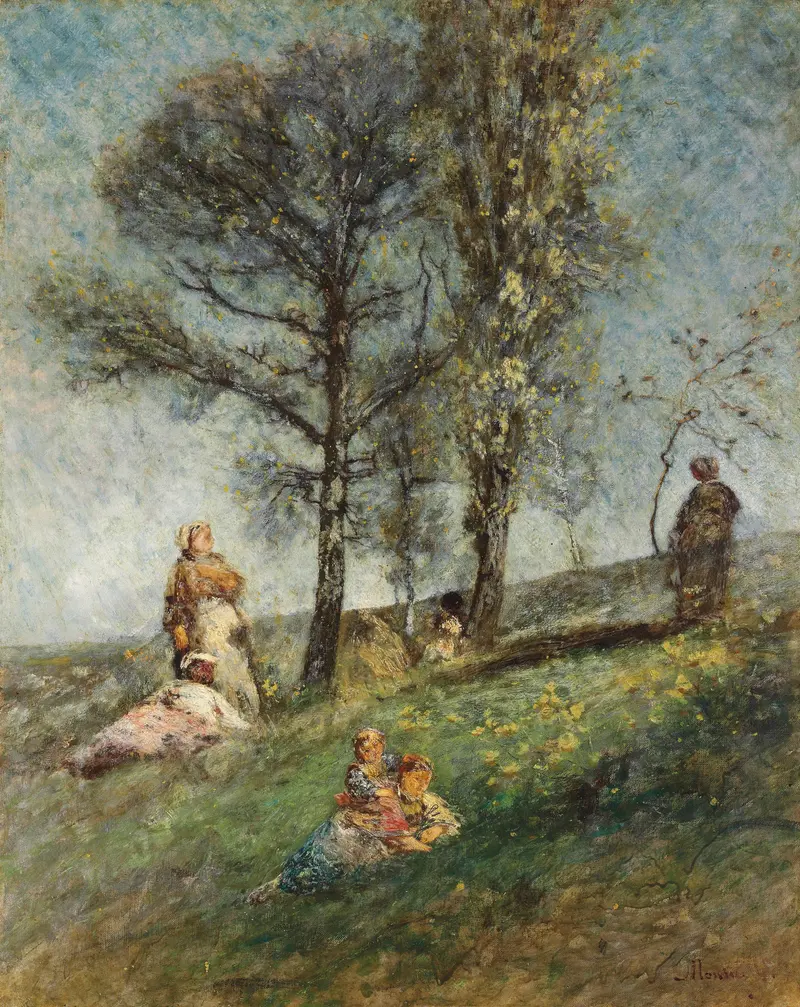
A Young Family Under Trees On A Hill
Adolphe Monticelli

Fête d'Après-Midi
Adolphe Monticelli
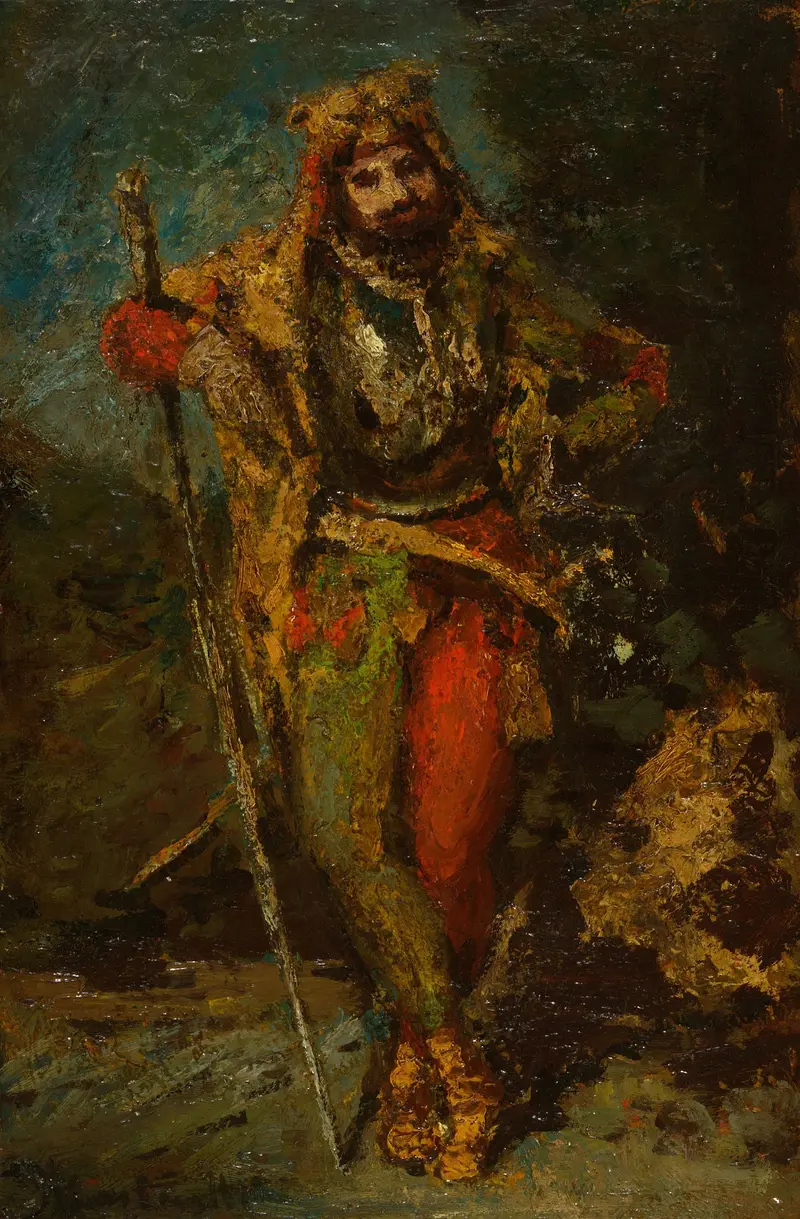
Mephisto from the Opera Faust
Adolphe Monticelli
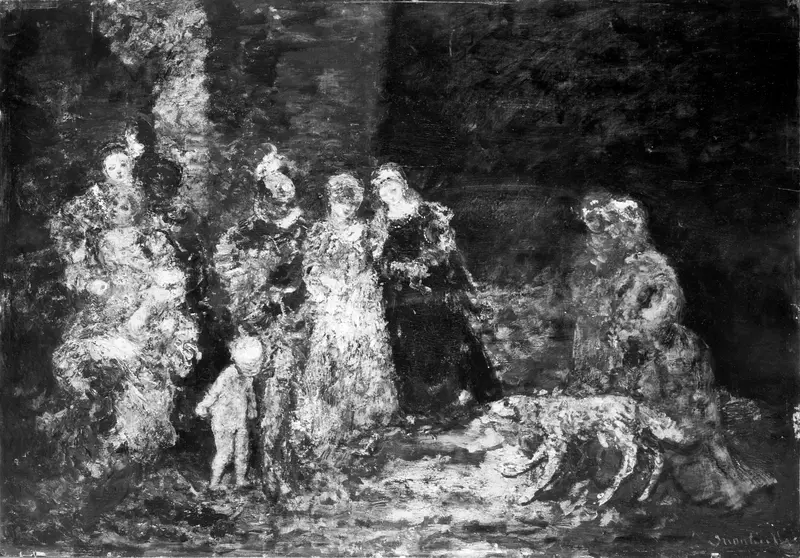
The Fairies
Adolphe Monticelli
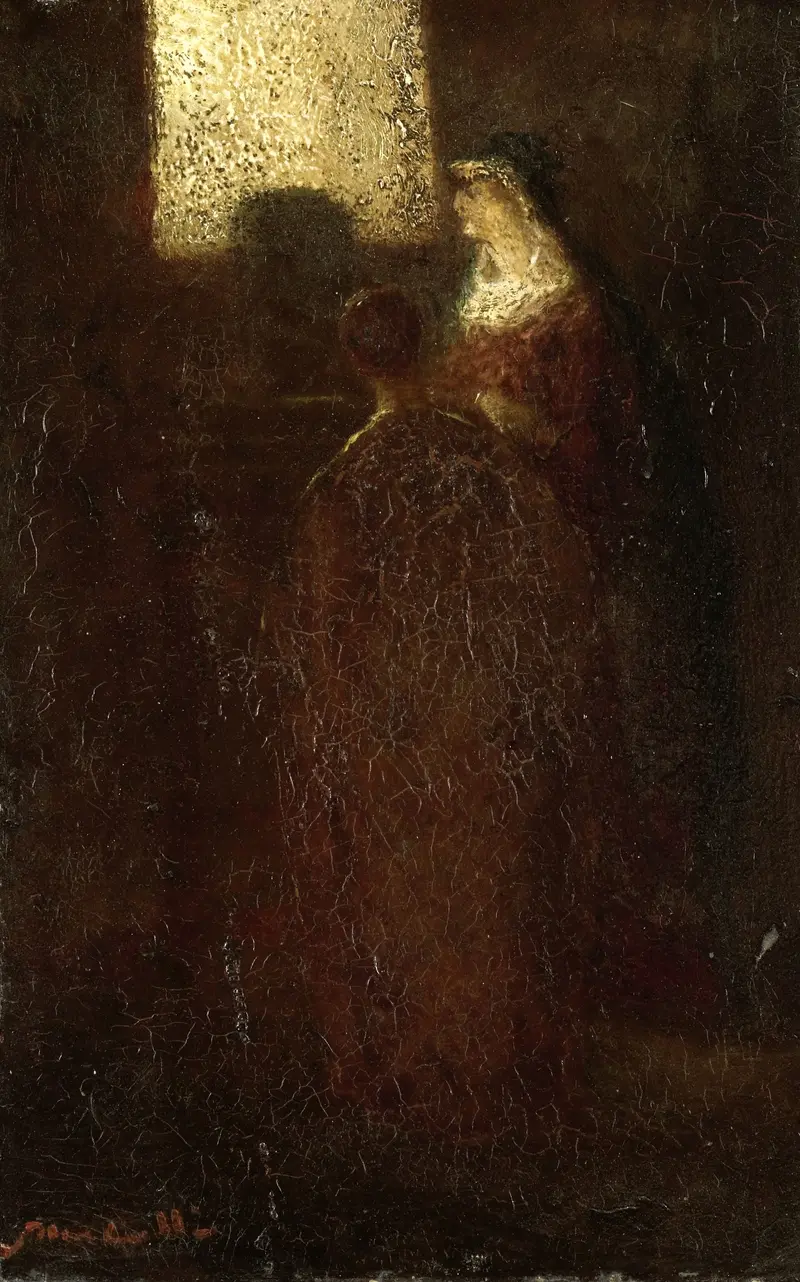
Aan het altaar
Adolphe Monticelli
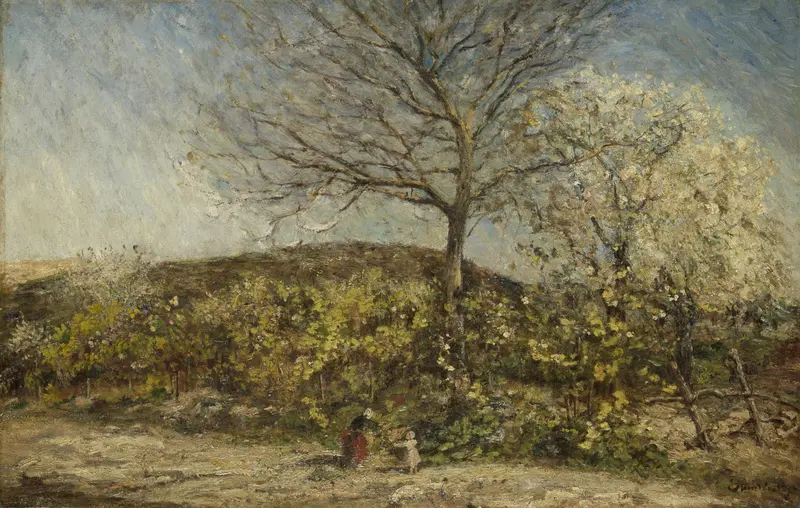
Landschap met bloeiende boomgaard
Adolphe Monticelli
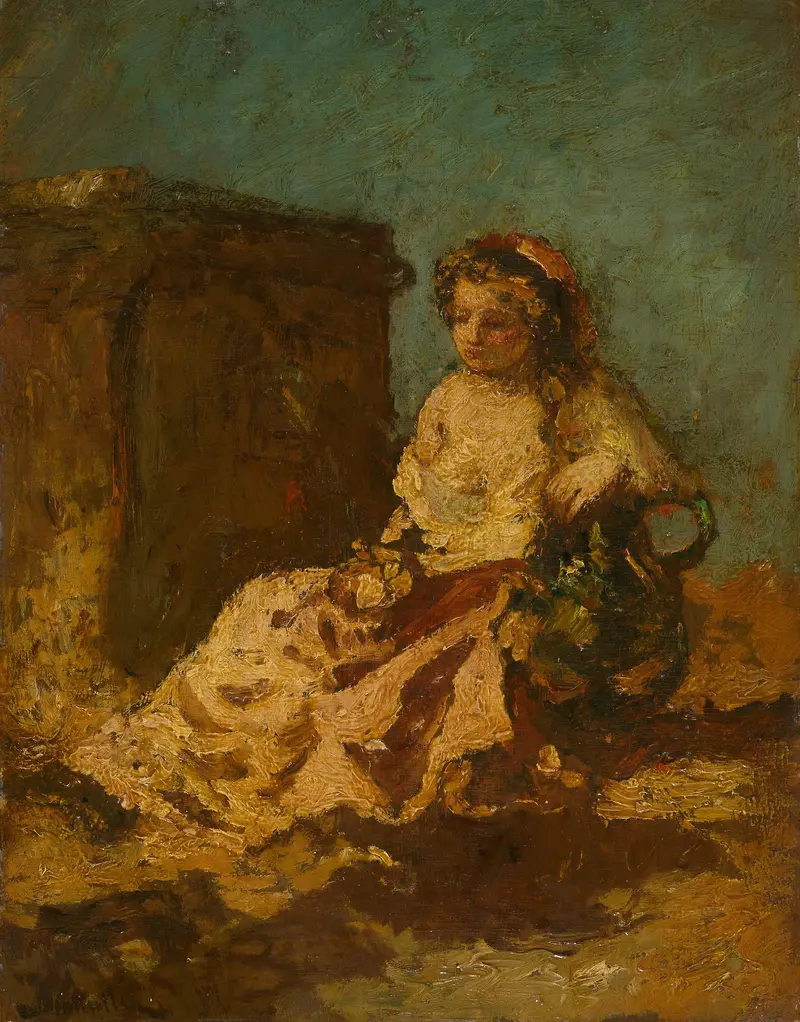
Meditation (Seated Woman)
Adolphe Monticelli
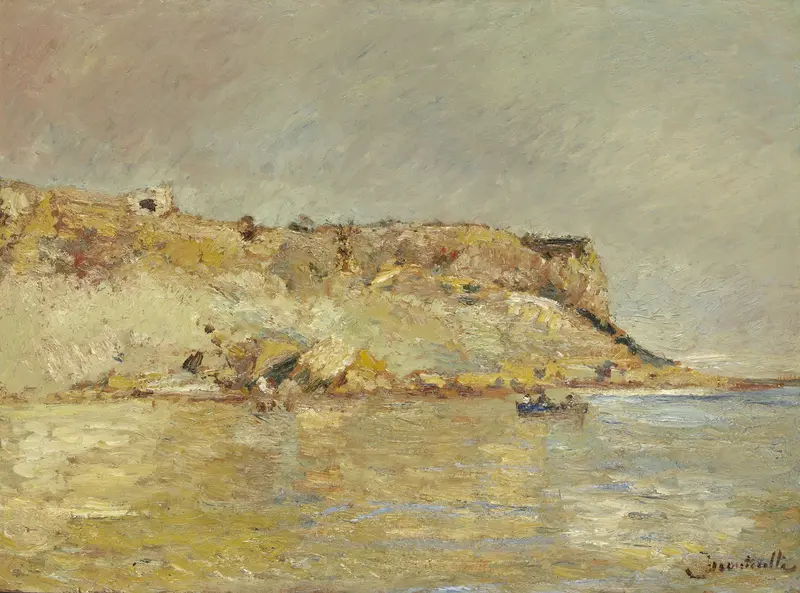
Coastal Mountains
Adolphe Monticelli
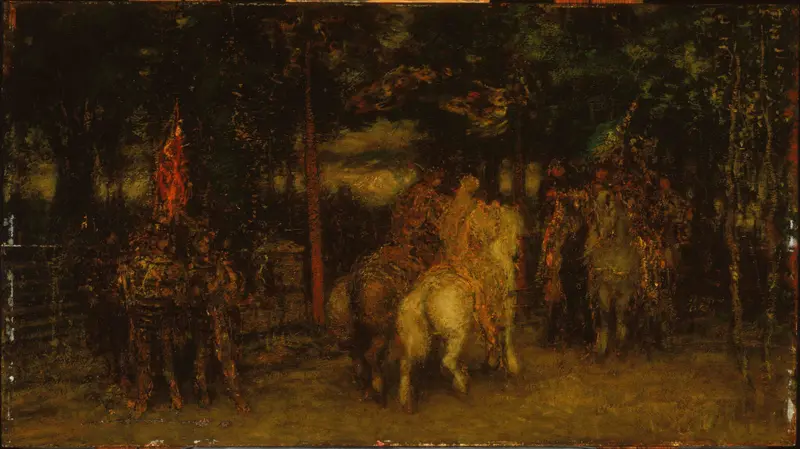
Landscape with Figures
Adolphe Monticelli





