
Portrait de Hippolyte Fierens-Gevaert (1870-1926) — History & Facts
Few portraits bring together two such influential figures in Belgian art as Portrait de Hippolyte Fierens-Gevaert by Gustave Van de Woestijne. The sitter, Hippolyte Fierens-Gevaert, was not only a noted art historian and critic but also the first director of the Royal Museums of Fine Arts of Belgium. His sharp intellect and passionate advocacy for modern Belgian painting made him a central figure in the country’s cultural life.
The painting’s date and medium remain uncertain, a mystery that continues to intrigue scholars, but its significance is undisputed: it is a rare meeting of minds, painter and subject both shaping the artistic landscape of their time. The portrait captures Fierens-Gevaert at a moment of introspection, his gaze steady yet distant, as if weighing the merits of an unseen canvas. Van de Woestijne’s brushwork, typically precise and psychologically charged, renders every detail of the sitter’s face with care—furrowed brow, pursed lips, the faint shadow of a beard—suggesting a man accustomed to deep thought and critical judgment. The background is subdued, focusing all attention on the sitter’s penetrating expression and upright posture, while subtle contrasts of light and shadow model the features with a sculptural clarity reminiscent of Félix Vallotton’s portraits.
Unlike the flamboyant settings of some contemporaries, Van de Woestijne offers no distractions, inviting the viewer to engage with the intellect and presence of Fierens-Gevaert himself. As with many of Van de Woestijne’s works, the precise origins of Portrait de Hippolyte Fierens-Gevaert are unclear—no commission is documented, and its early provenance is uncertain. What is known is that the artist and sitter moved in the same avant-garde circles in early twentieth-century Belgium, and their collaboration likely reflects mutual respect. The painting stands as a testament to Van de Woestijne’s interest in psychological realism, a hallmark of his mature period.
Today, the portrait is held in a Belgian public collection, where it continues to invite reflection on the intertwined lives of artist and critic, and on the enduring dialogue between art and those who seek to interpret it.
More Artworks by Gustave Van de Woestijne
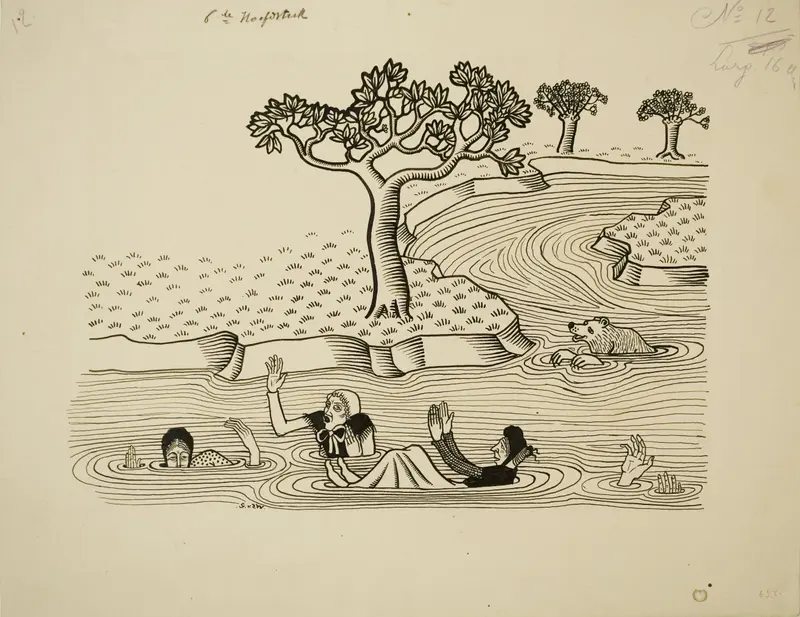
How Brown went out with Reynard where he thought he was eating honey and how he was caught by head and feet and suffered further misfortune
Gustave Van de Woestijne
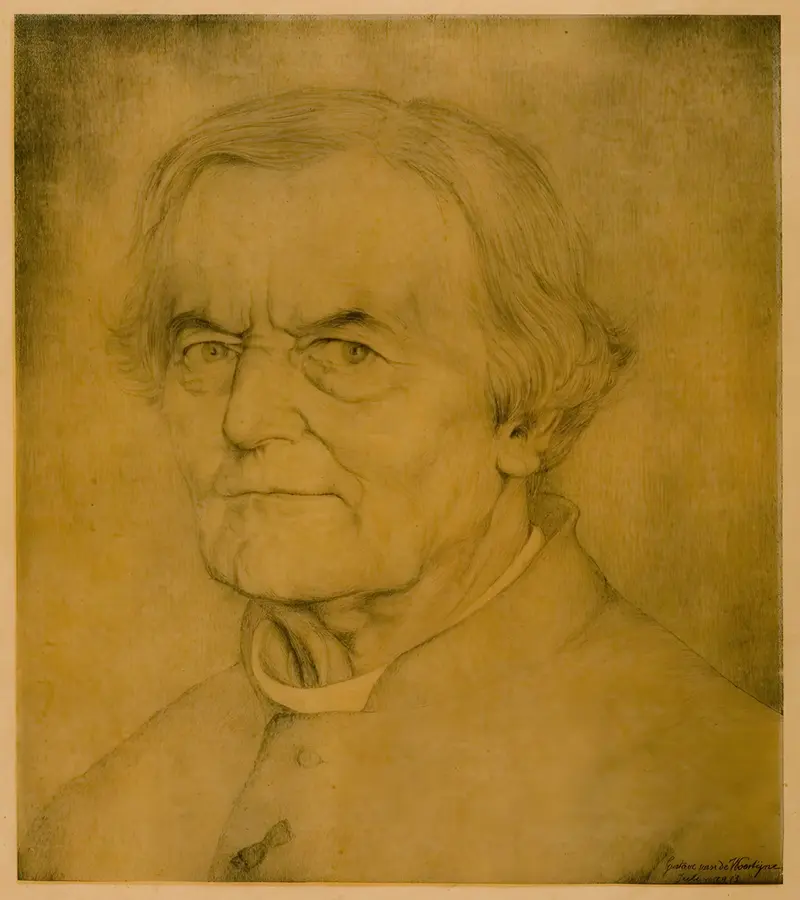
Portrait of Hugo Verriest
Gustave Van de Woestijne
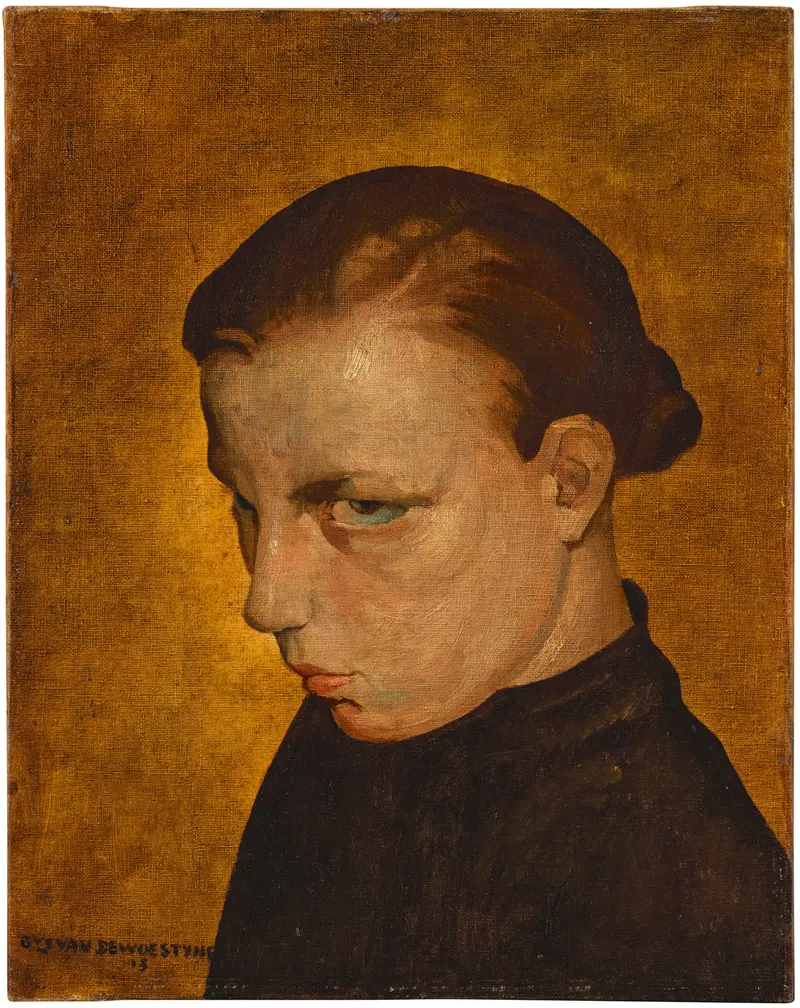
Angèle
Gustave Van de Woestijne
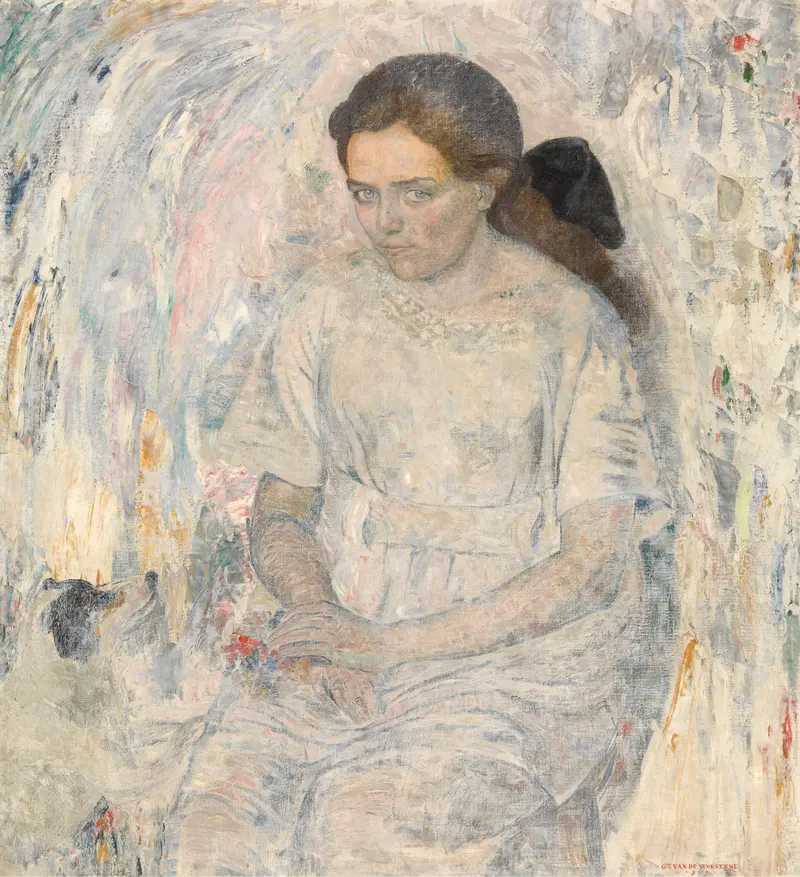
Adrienne
Gustave Van de Woestijne
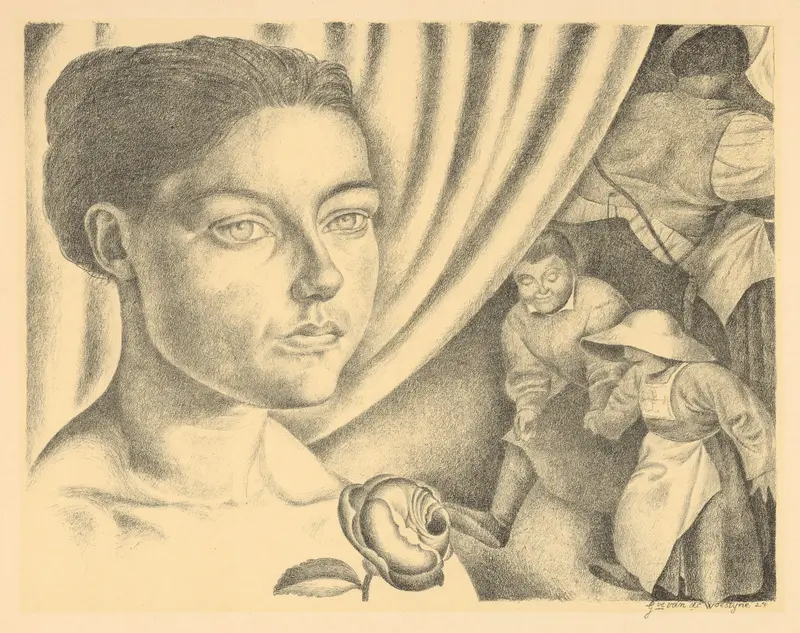
Jeune Femme
Gustave Van de Woestijne
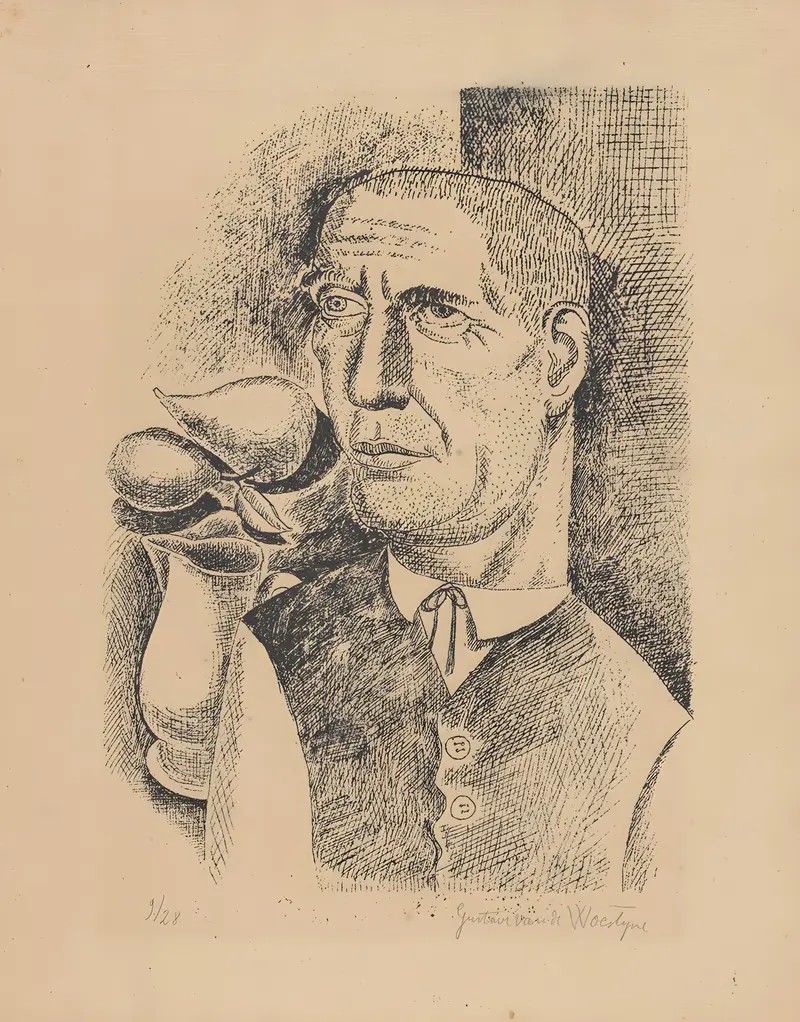
Boer op zijn zondags (Paysan endimanché)
Gustave Van de Woestijne
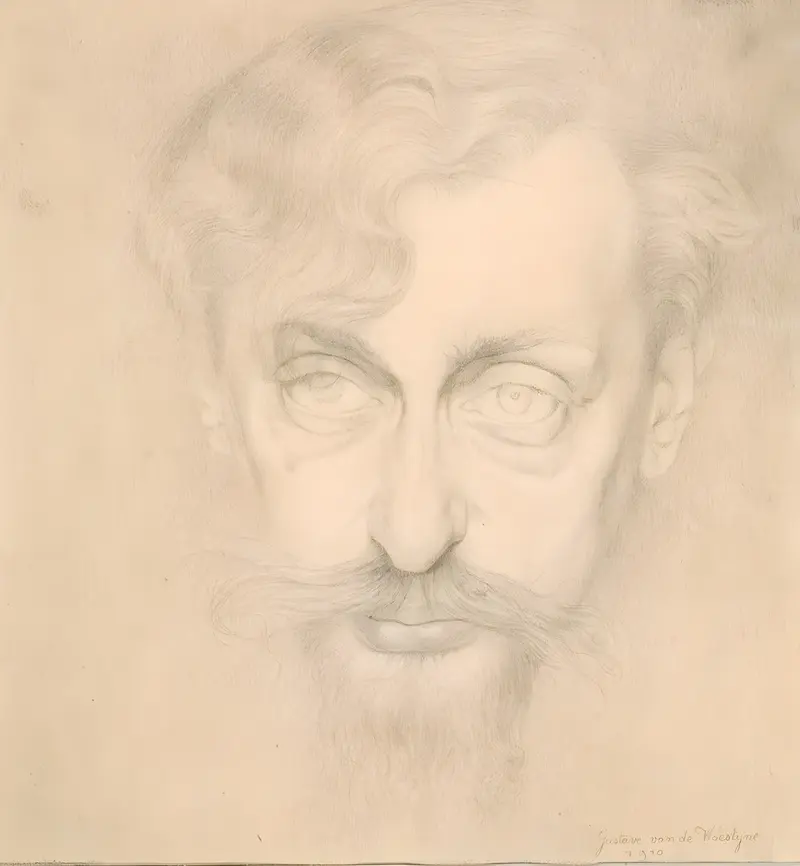
Portrait of the Writer Karel van de Woestijne
Gustave Van de Woestijne
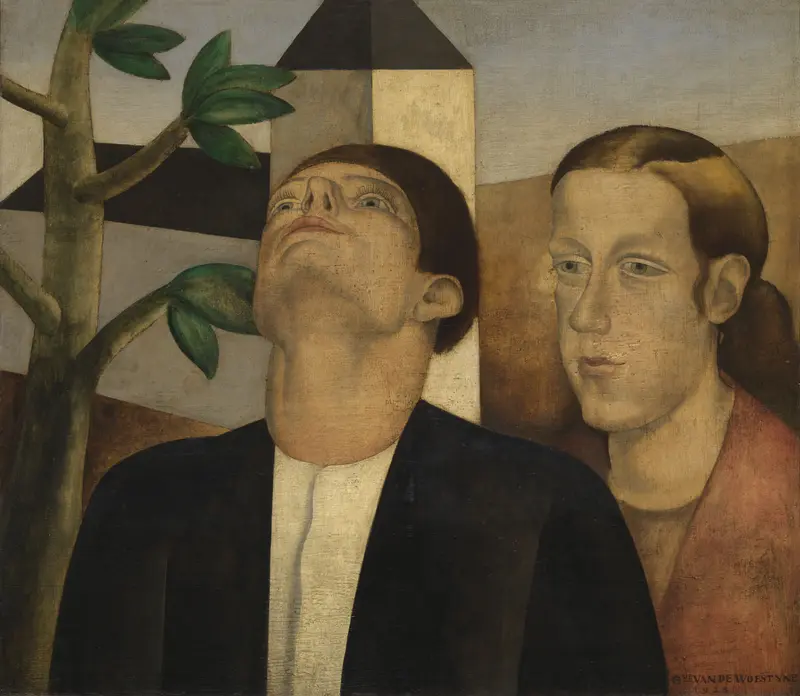
Azure
Gustave Van de Woestijne
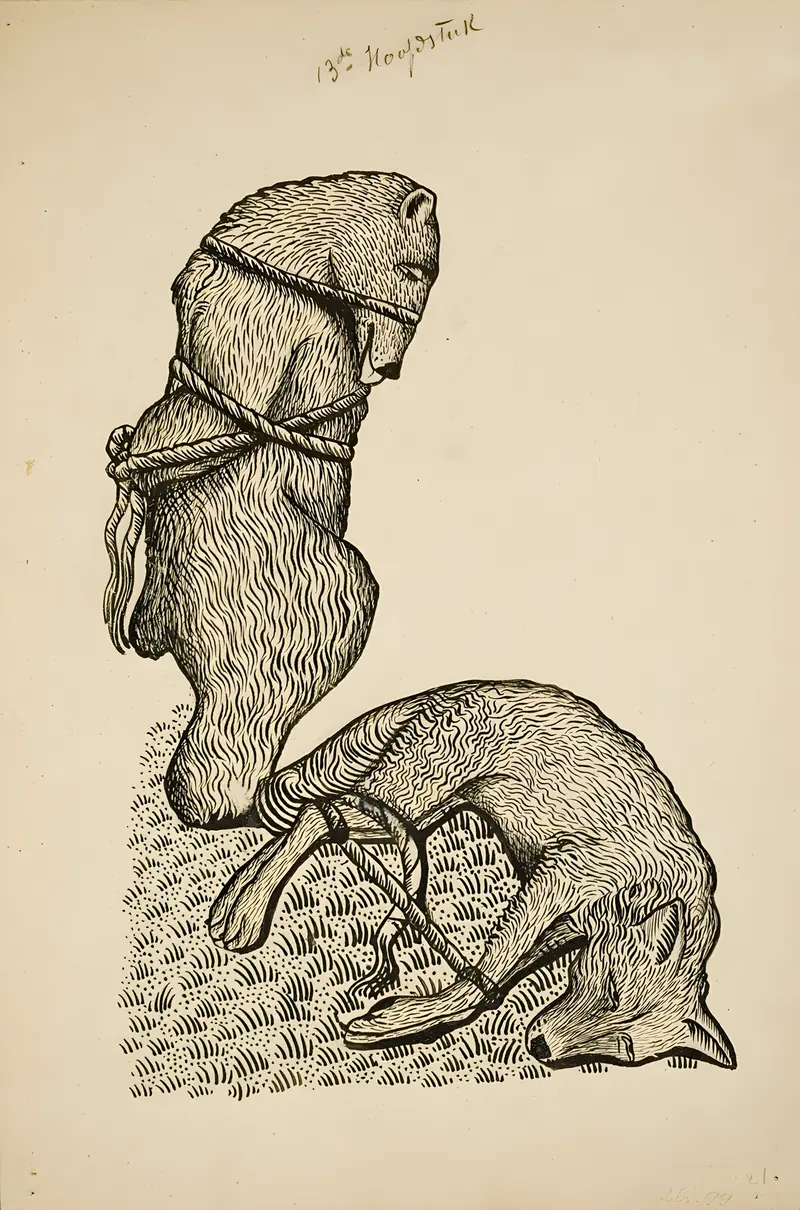
How Reinaert devises a new trick to get free and exterminate his enemies
Gustave Van de Woestijne
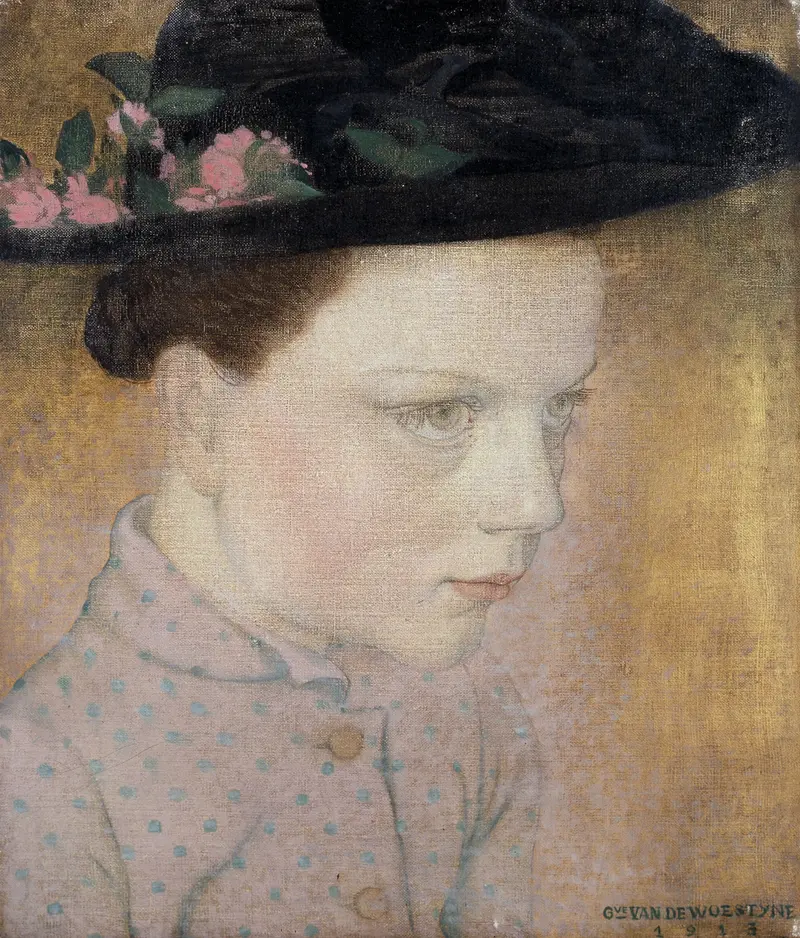
Country Girl
Gustave Van de Woestijne





