
Portrait de Karel van de Woestyne (1878-1929) — History & Facts
Few portraits in Belgian modernism are as quietly enigmatic as Portrait de Karel van de Woestyne (1878-1929), painted by his own brother, Gustave Van de Woestijne. The sitter, Karel, was a celebrated poet and a leading figure in the Flemish literary revival, and this painting stands as one of the rare visual testaments to their intense familial and creative bond. The work’s date and medium remain uncertain, adding to its aura of mystery—scholars have yet to agree whether it was painted during the brothers’ shared years in Sint-Martens-Latem, or later, when their paths diverged.
This ambiguity has prompted ongoing debate among art historians, who search for clues in the sitter’s age and the painter’s evolving style. The portrait captures Karel at a moment of introspection, his gaze averted, hands perhaps folded or resting on a book—a nod to his literary vocation. The palette is characteristically restrained, with muted earth tones that recall the subdued atmosphere of the Latem School, a movement both brothers helped define. Gustave’s brushwork is deliberate, almost sculptural, emphasizing the sitter’s melancholy and intellectual gravity.
Unlike the flamboyant self-portraits of James Ensor, Gustave’s approach is intimate and contemplative, inviting viewers to sense the unspoken dialogue between painter and poet. The sparse background and careful lighting focus all attention on Karel’s face, suggesting both familial affection and psychological distance. As with many works from the early twentieth-century Flemish avant-garde, the painting’s early provenance is unclear; it likely remained in the Van de Woestijne family for some time before entering a public or private collection. Today, it is recognized as a key document of the Latem period, when artists and writers sought to express a new, quietly radical vision of Flemish identity.
For Gustave Van de Woestijne, this portrait marks a personal and artistic crossroads—balancing realism with symbolism, and the world of painting with the world of poetry. Its survival and continued study offer rare insight into one of Belgium’s most important artistic families.
More Artworks by Gustave Van de Woestijne
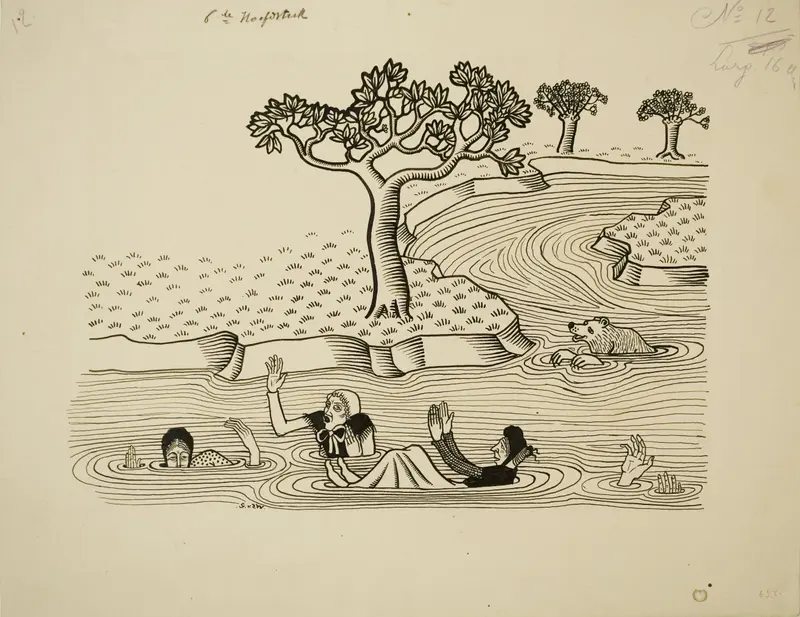
How Brown went out with Reynard where he thought he was eating honey and how he was caught by head and feet and suffered further misfortune
Gustave Van de Woestijne
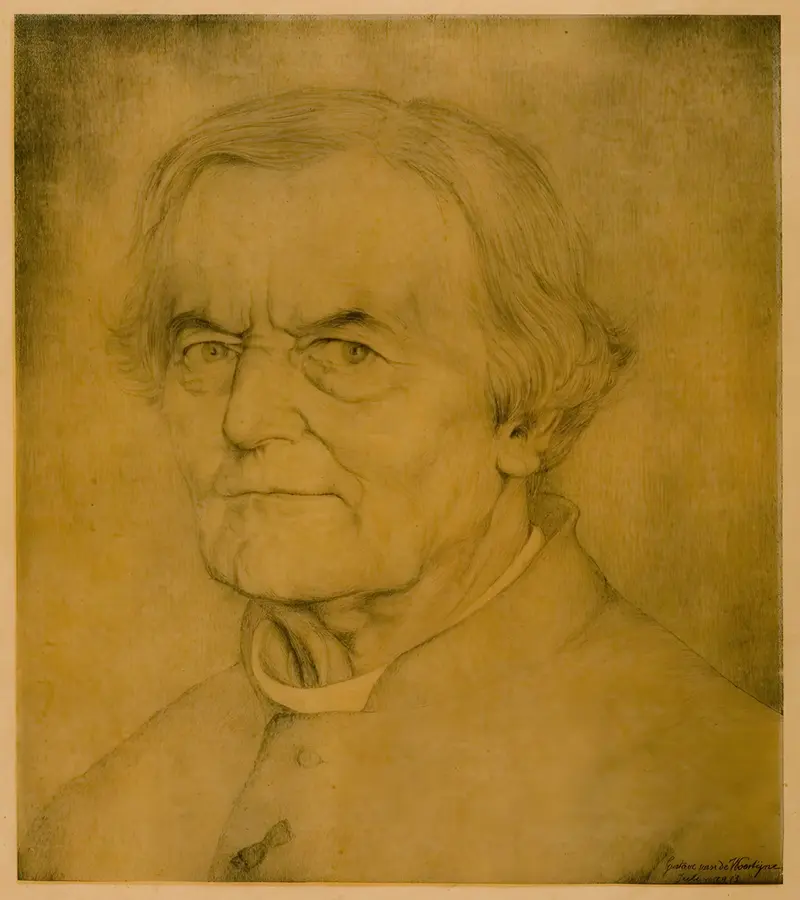
Portrait of Hugo Verriest
Gustave Van de Woestijne
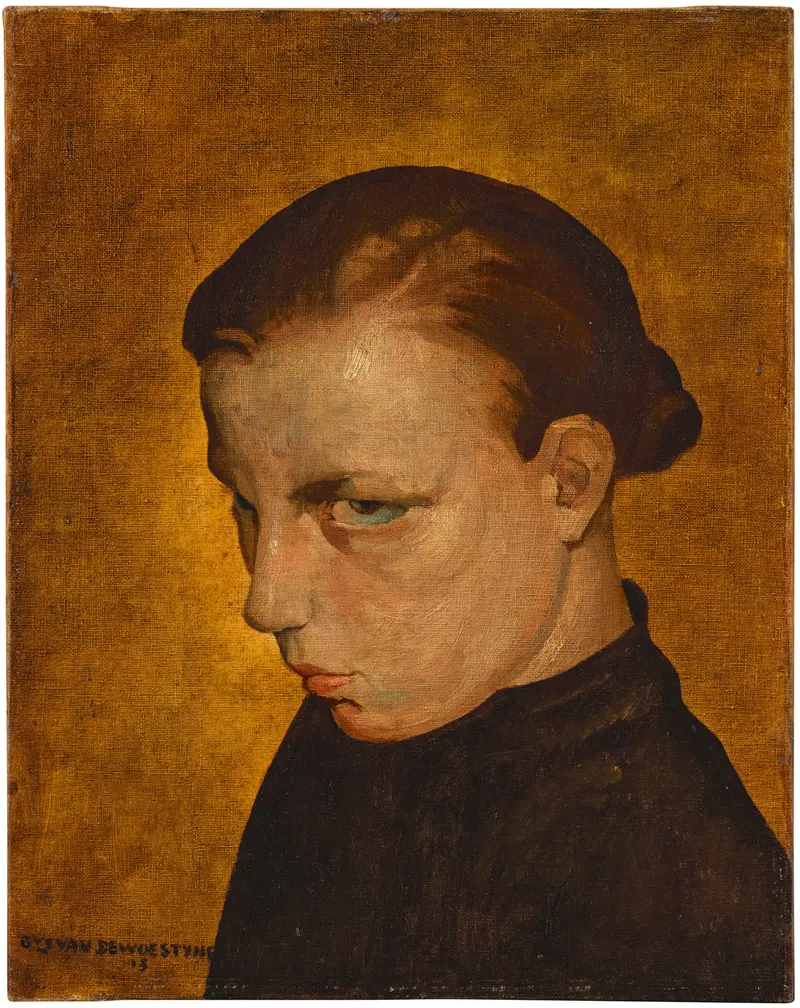
Angèle
Gustave Van de Woestijne
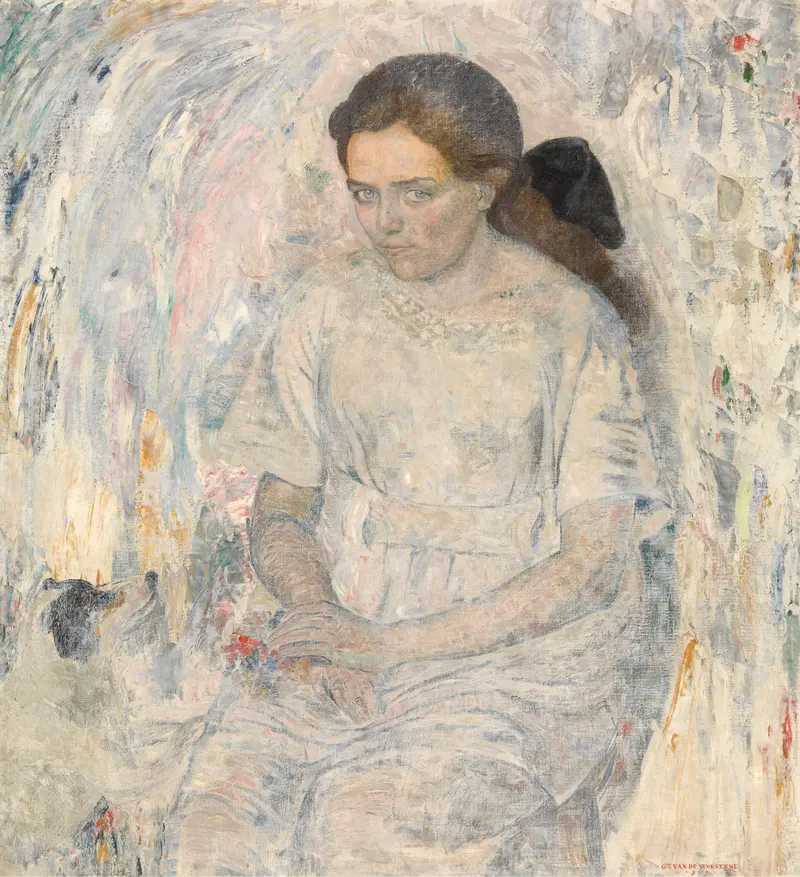
Adrienne
Gustave Van de Woestijne
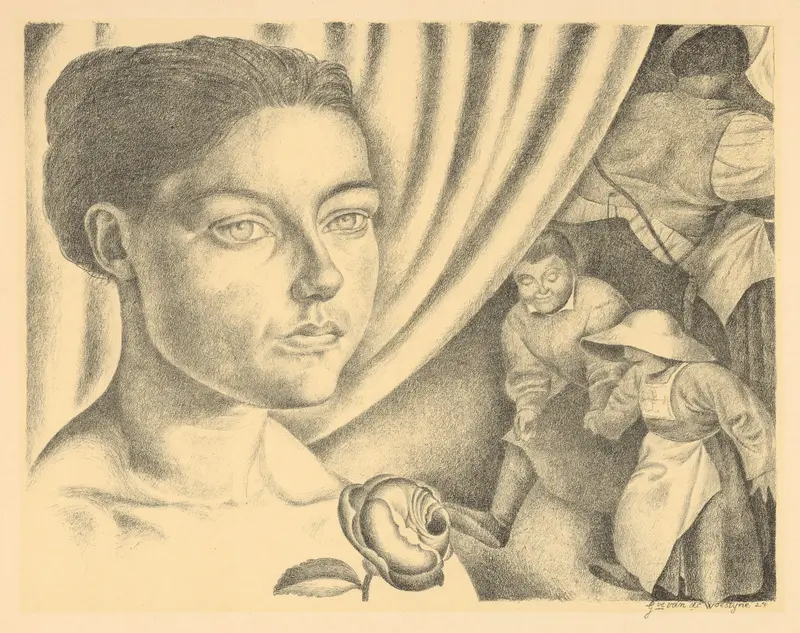
Jeune Femme
Gustave Van de Woestijne
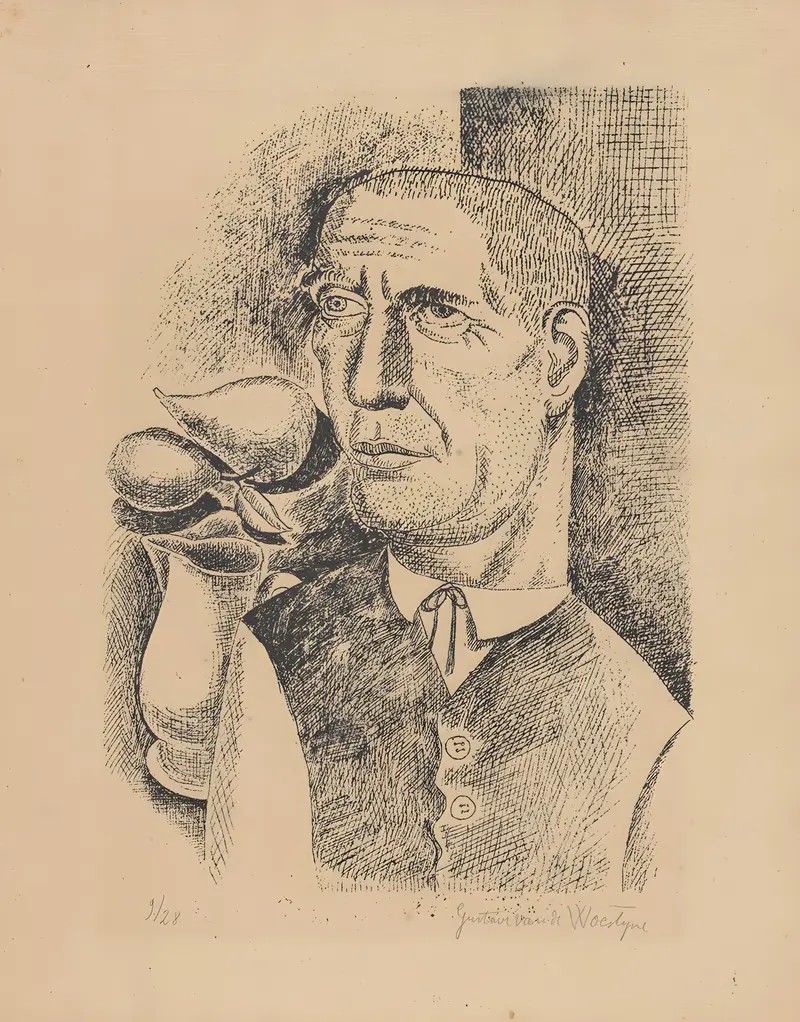
Boer op zijn zondags (Paysan endimanché)
Gustave Van de Woestijne
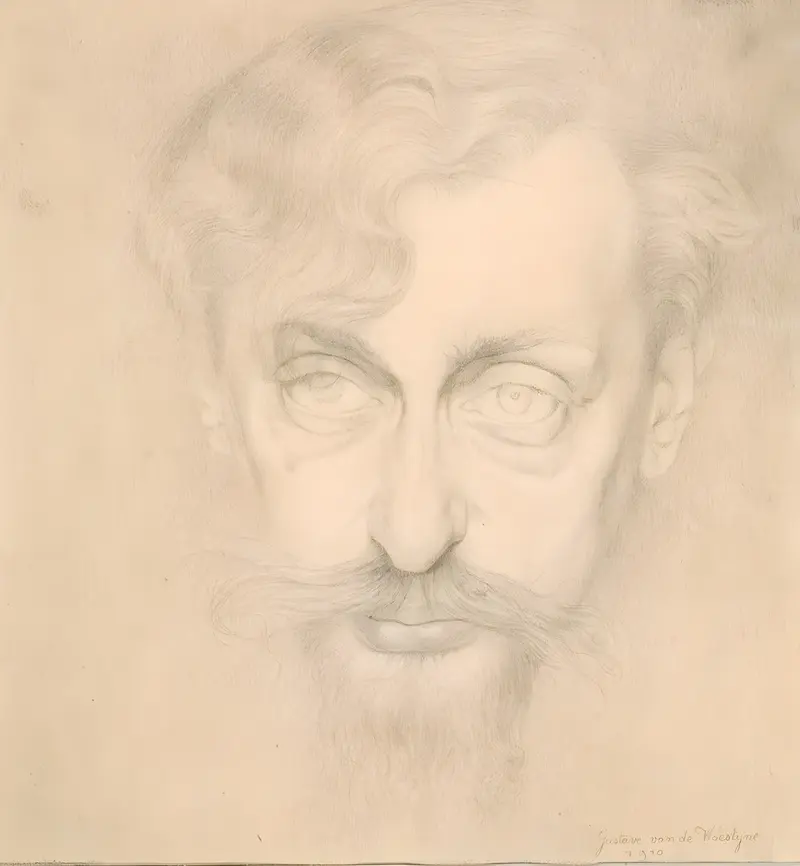
Portrait of the Writer Karel van de Woestijne
Gustave Van de Woestijne
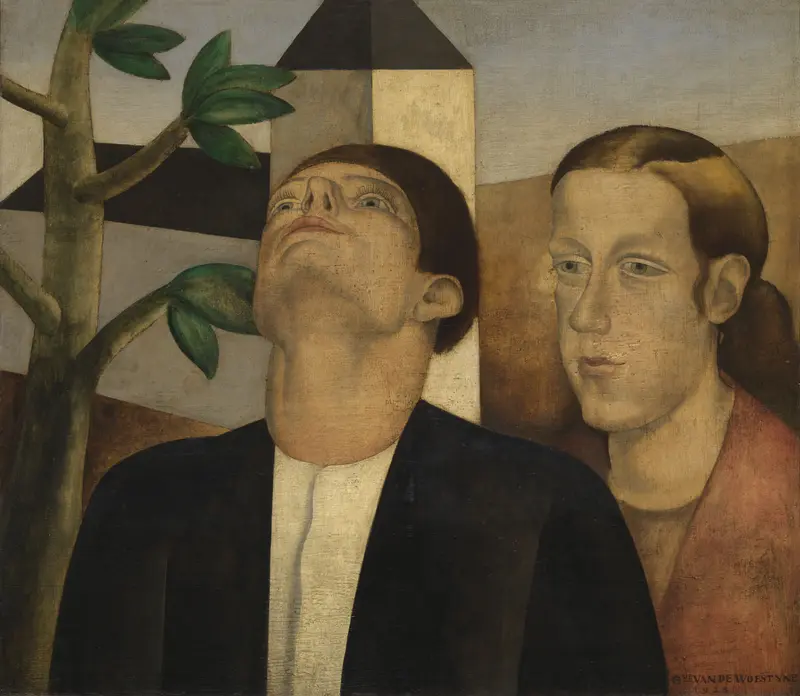
Azure
Gustave Van de Woestijne
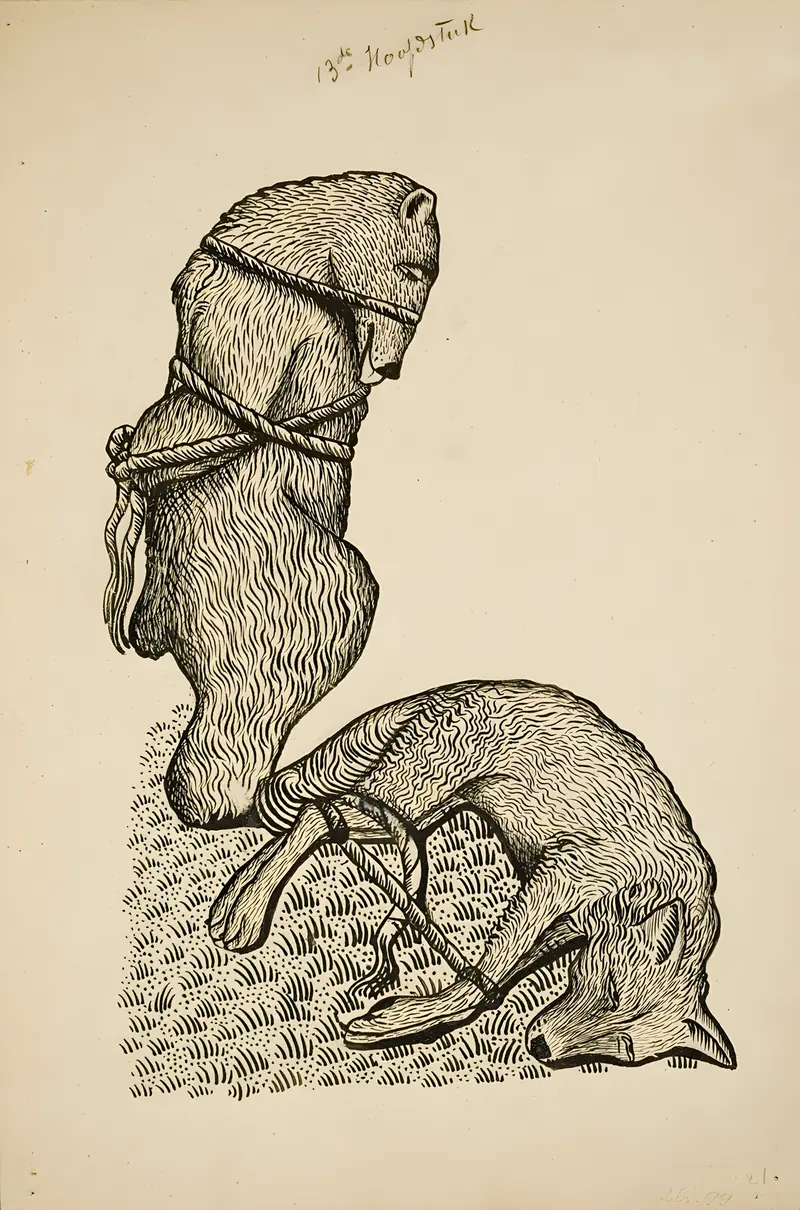
How Reinaert devises a new trick to get free and exterminate his enemies
Gustave Van de Woestijne
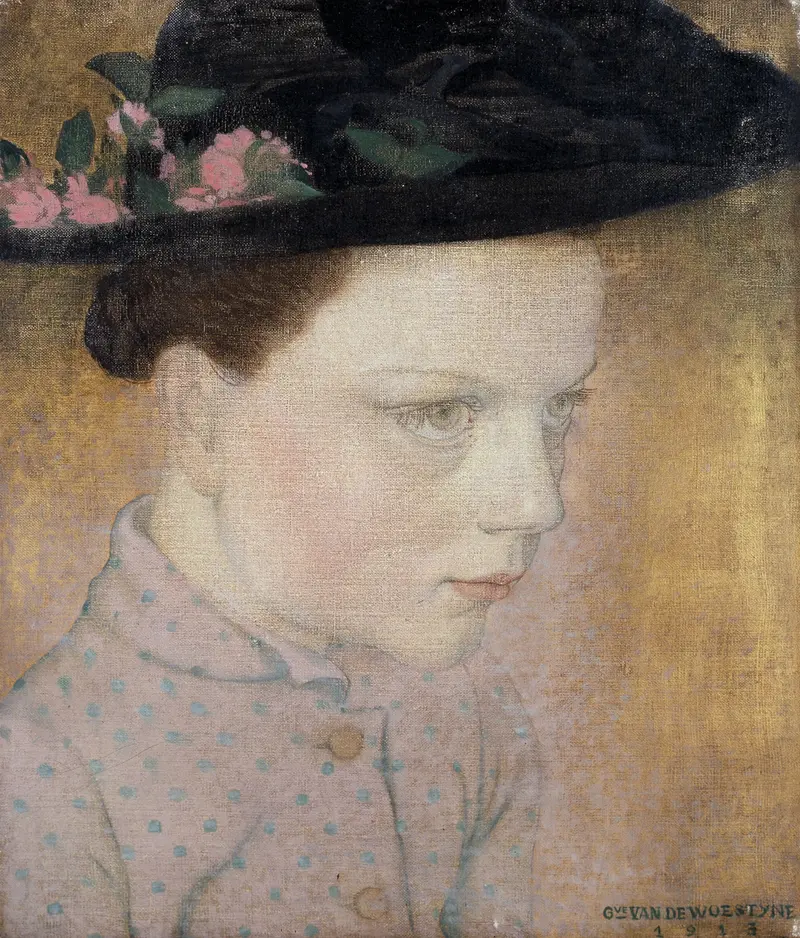
Country Girl
Gustave Van de Woestijne





