
Portrait de la marquise de Clermont Gallerande — History & Facts
What first catches the eye in Portrait de la marquise de Clermont Gallerande is the sweep of luminous blue silk, almost sculptural in its folds, that frames the sitter’s calm and direct gaze. The marquise’s face emerges softly from the shadow, her complexion rendered with the gentle clarity that was the pride of eighteenth-century French portraiture. The artist, Jean-Marc Nattier, guides the viewer’s attention upward from the sumptuous ribbon and pearly bodice to the sitter’s poised expression, where a faint smile suggests composure and self-assurance.
The background, a dusky sky and a hint of foliage, sets off the figure without distraction, giving her presence a quiet grandeur. Every detail—the shimmer of fabric, the delicate bow at her breast—signals both her status and the painter’s delight in texture and light. This portrait belongs to the world of 1740, when the French aristocracy commissioned likenesses not only to record their features but to project their refinement and taste. In the hands of Nattier, a favorite among the elite, these works became more than records: they were performances of grace, wit, and fashion, intended for salons and private galleries.
Such paintings were tokens of social currency, exchanged and displayed to affirm alliances and reputations. While little is recorded about the specific journey of this portrait, its appearance in a modern auction (Christie’s, 1740, LotFinder: entry 6016100) hints at a life spent in private hands, quietly bearing witness to centuries of changing taste. The marquise’s gaze, undimmed by time, invites us to imagine the world she once moved through, and to linger a moment longer before her.
More Artworks by Jean-Marc Nattier

Madame Crozat de Thiers and Her Daughter
Jean-Marc Nattier
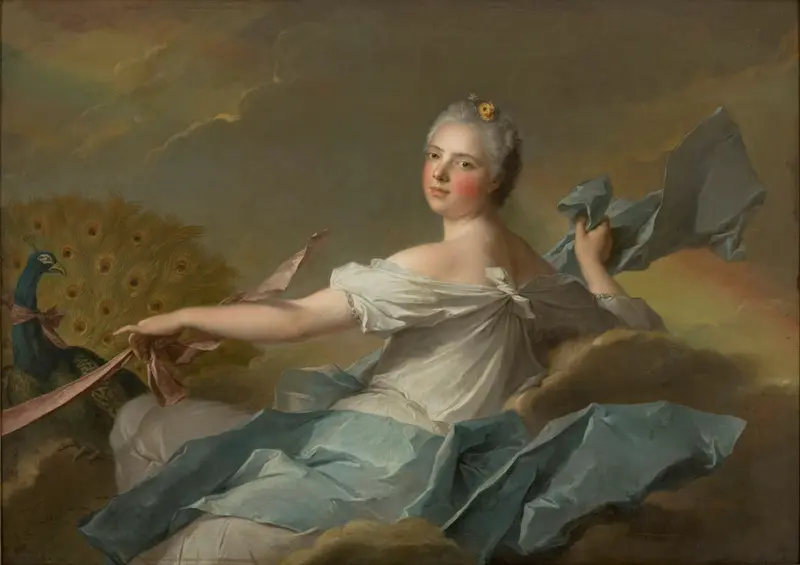
Princess Marie Adélaïde of France - The Air
Jean-Marc Nattier
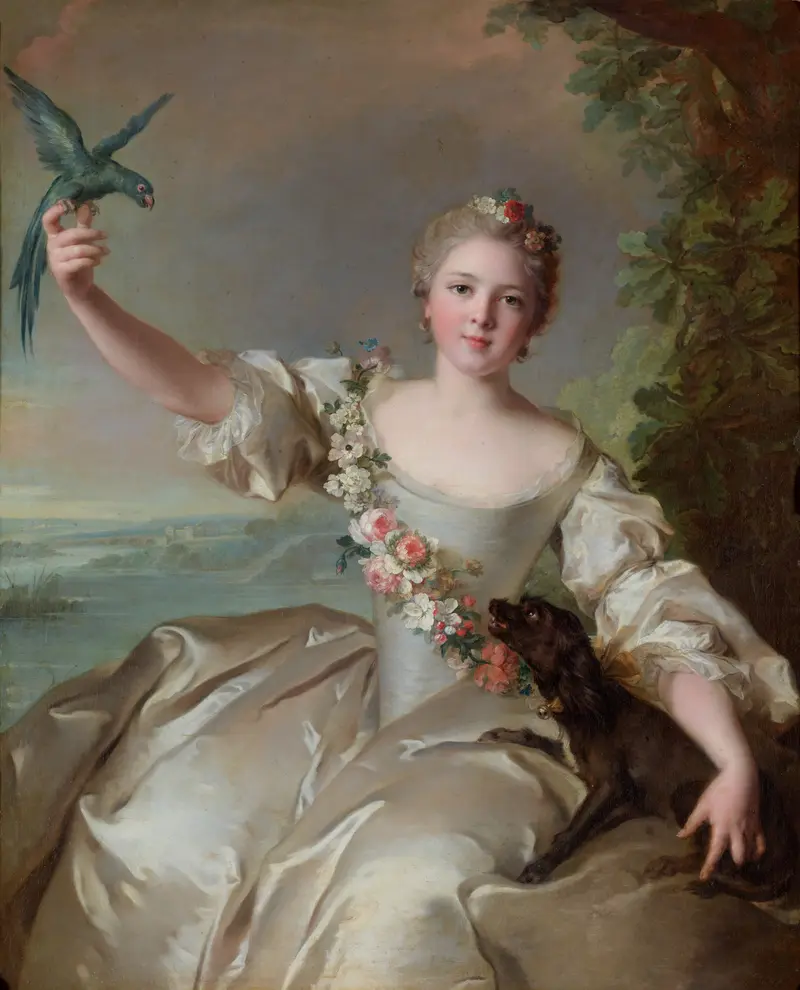
Portrait de Mathilde de Canisy, marquise d'Antin
Jean-Marc Nattier
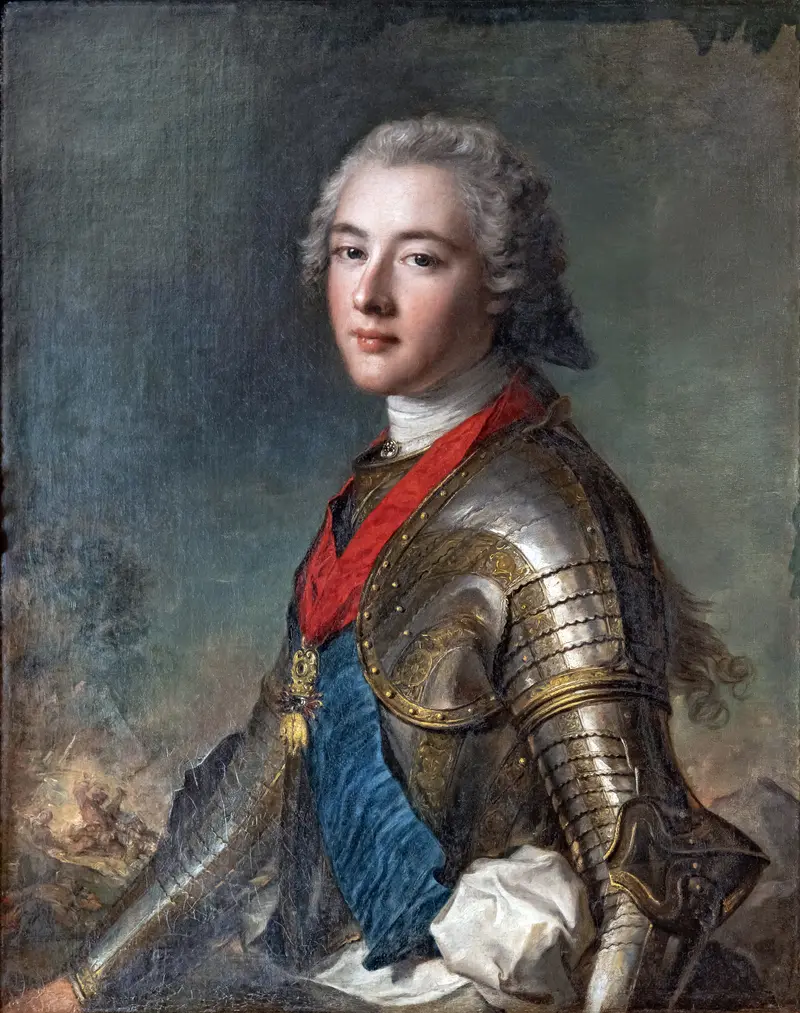
Bemberg Fondation Toulouse - Portrait de Louis Jean Marie de Bourbon, Duc de Penthièvre - Jean Marc Nattier inv.1158 82x65.4
Jean-Marc Nattier
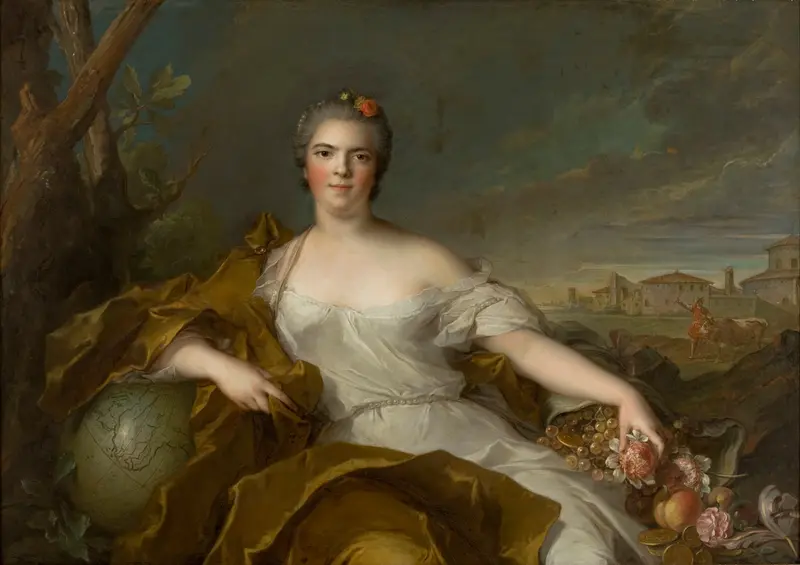
Princess Louise-Élisabeth of France - The Earth
Jean-Marc Nattier
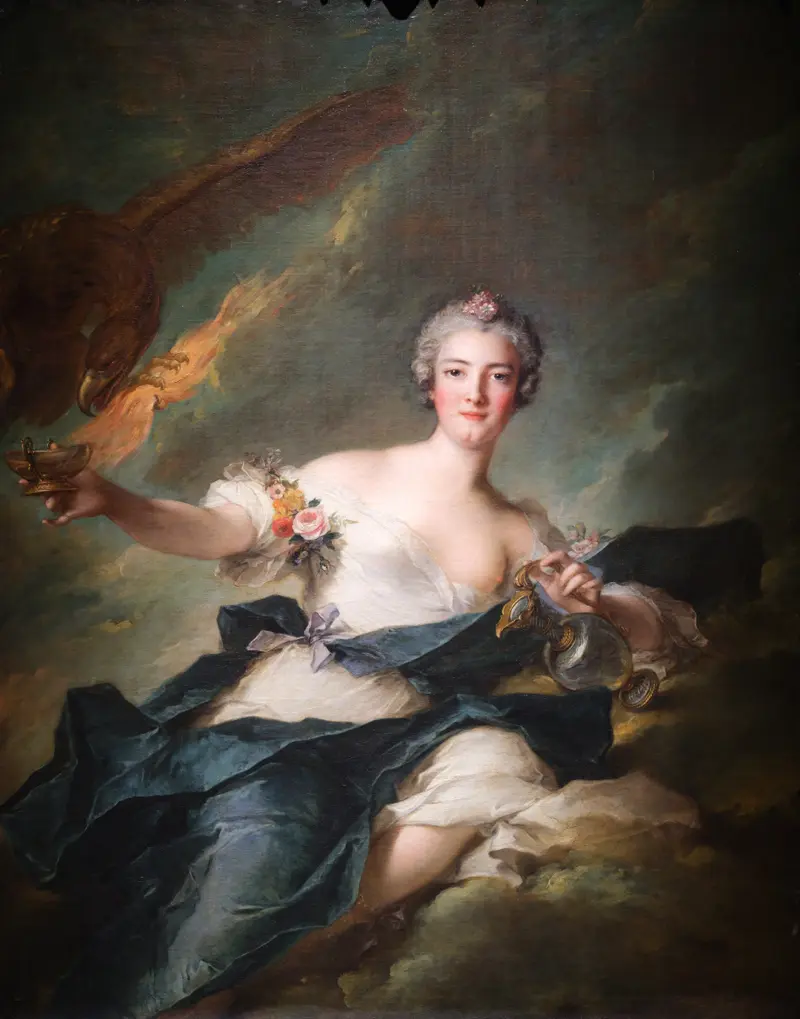
The Duchess of Chaulnes Represented as Hebe
Jean-Marc Nattier
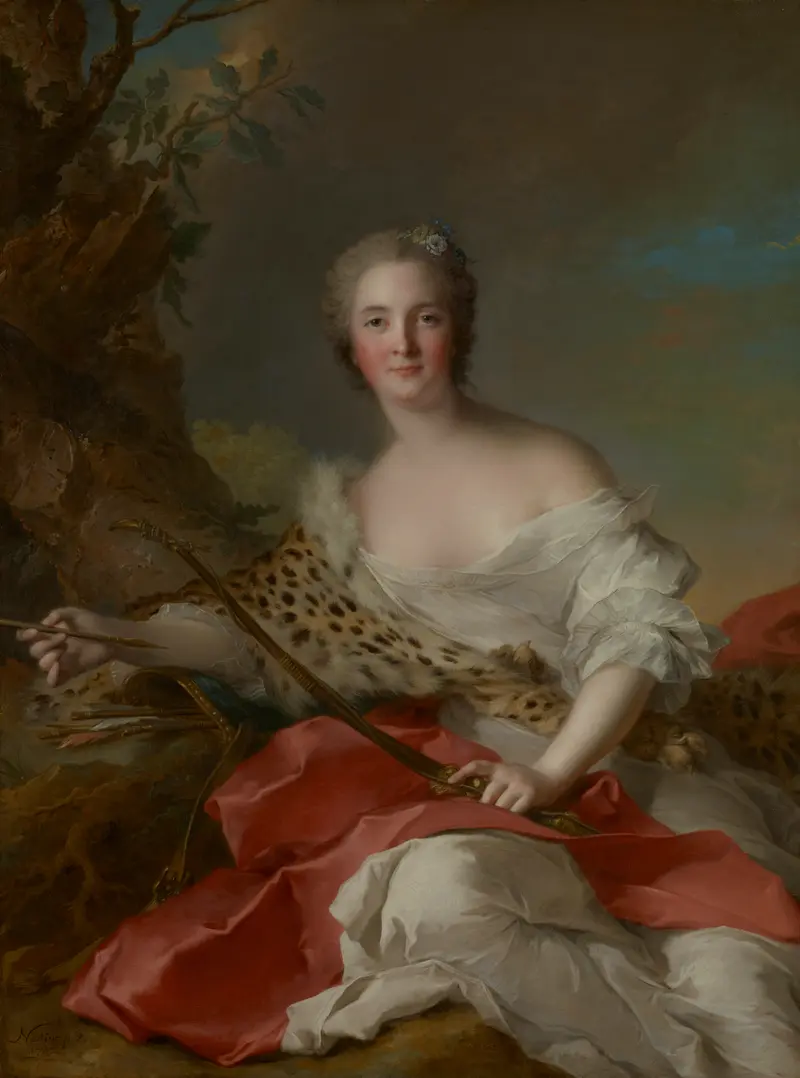
Portrait of Madame Bonnier de la Mosson as Diana (Constance-Gabrielle-Magdeleine du Monciel de Lauraille
Jean-Marc Nattier
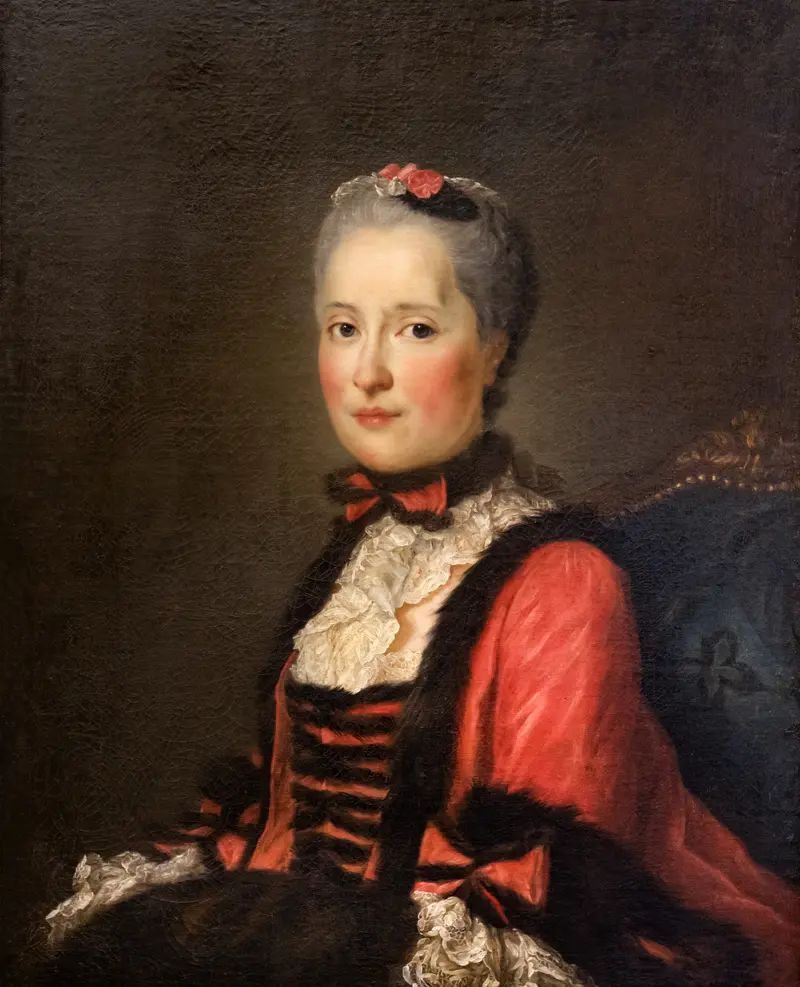
Portrait of Marie-Josephe of Saxony, Dauphine of France
Jean-Marc Nattier
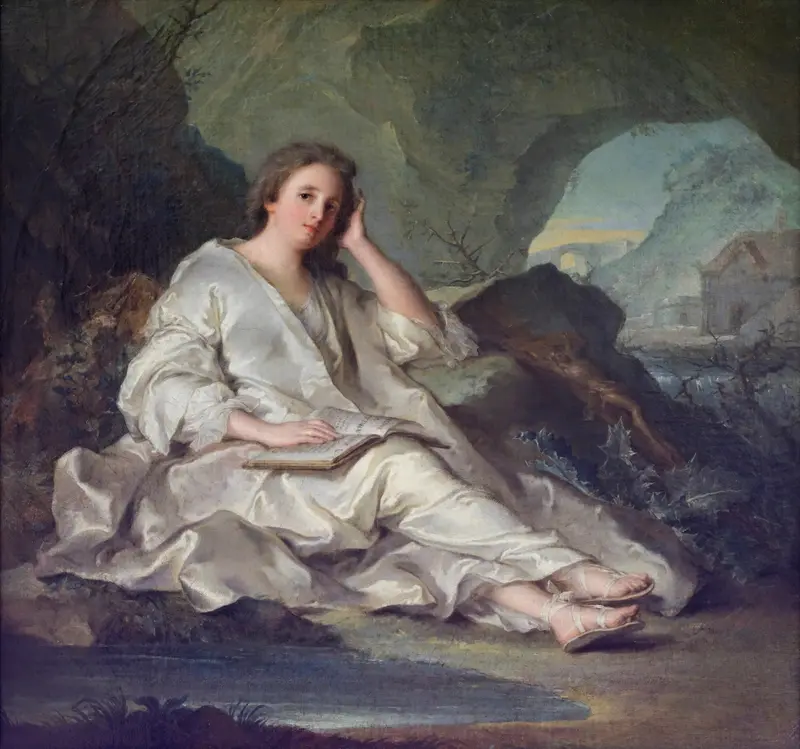
La Madeleine, ou Une Pénitente dans le désert Musée du Louvre Peintures INV 6880 ; MR
Jean-Marc Nattier
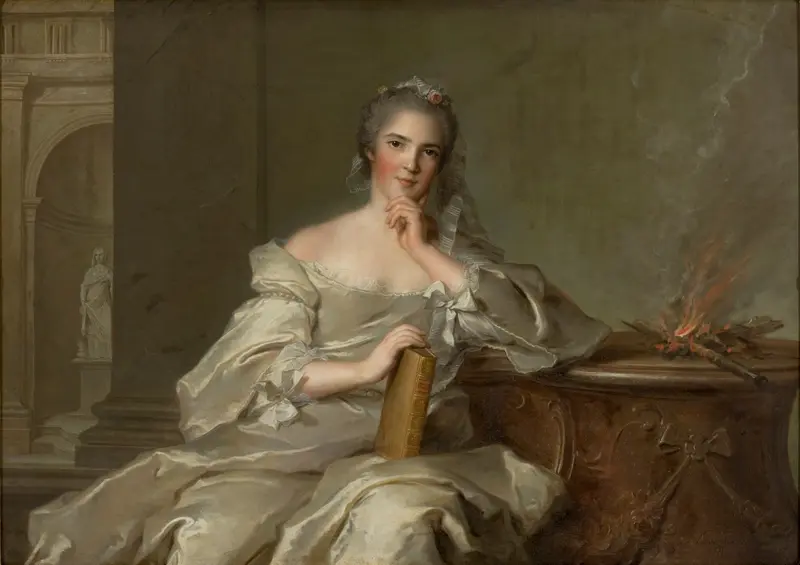
Princess Anne-Henriette of France - The Fire
Jean-Marc Nattier





