
Portrait de Marie-Adélaïde de France, fille de Louis XV, dite Madame Adélaïde — History & Facts
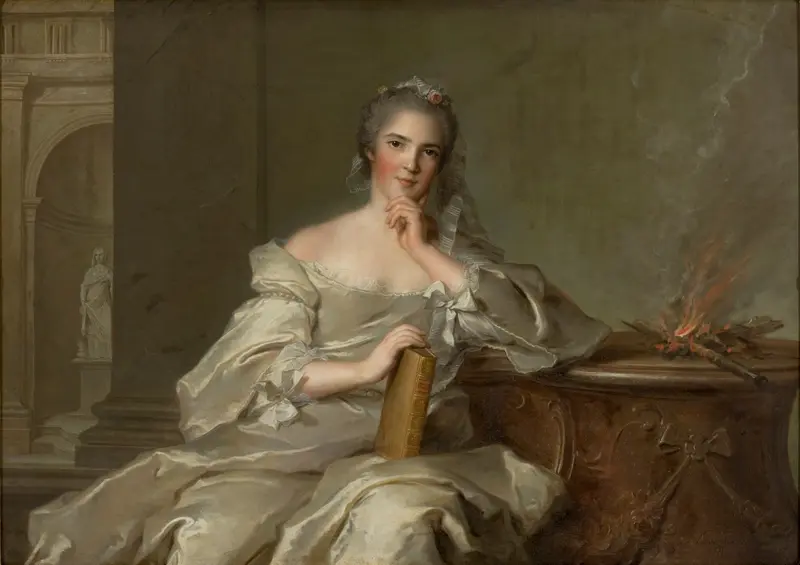
What draws the eye first in Portrait de Marie-Adélaïde de France, fille de Louis XV, dite Madame Adélaïde is the poised, almost expectant calm of the sitter. The young woman’s gaze, direct yet reserved, meets the viewer with a clarity that seems to hold its own counsel. Light glances across her powdered face and delicately touches the lace at her neckline, making the textures of her dress shimmer against the muted background.
The artist, Jean-Marc Nattier, shapes her presence with soft modeling and a careful attention to the interplay of flesh and fabric, while the subtle pink in her cheeks and the rose in her hair hint at both youth and formality. Every detail—the intricate lace, the gentle turn of the shoulders—serves to balance dignity with a sense of quiet individuality. Painted in 1750, this portrait belongs to the world of the French court at its most ceremonious, when images like this were both personal keepsakes and public affirmations of status. Portraits of royal daughters were often commissioned to mark stages of life or to circulate among European courts as tokens of alliance and prestige.
Nattier was celebrated for capturing the idealized grace of his sitters, and here, he uses the conventions of Rococo portraiture—soft contours, luminous skin, and a restrained palette—to evoke both the sitter’s rank and her humanity. History has kept few traces of this specific painting’s journey, but its presence in the Paris Musées collection invites us to linger on the subtle negotiation between power and personality that defined the portraiture of its time. Look again at the sitter’s eyes: they seem to ask what it means to be seen, centuries after the moment was painted.
More Artworks by Jean-Marc Nattier

Madame Crozat de Thiers and Her Daughter
Jean-Marc Nattier
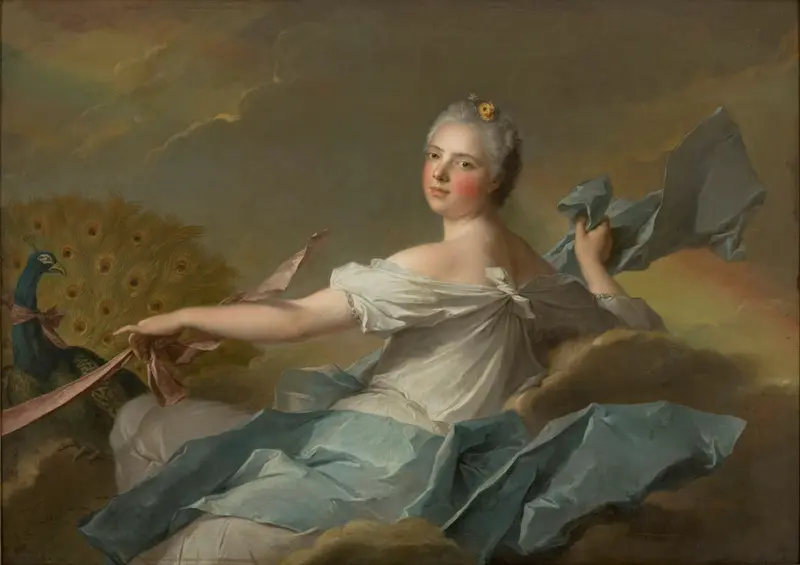
Princess Marie Adélaïde of France - The Air
Jean-Marc Nattier
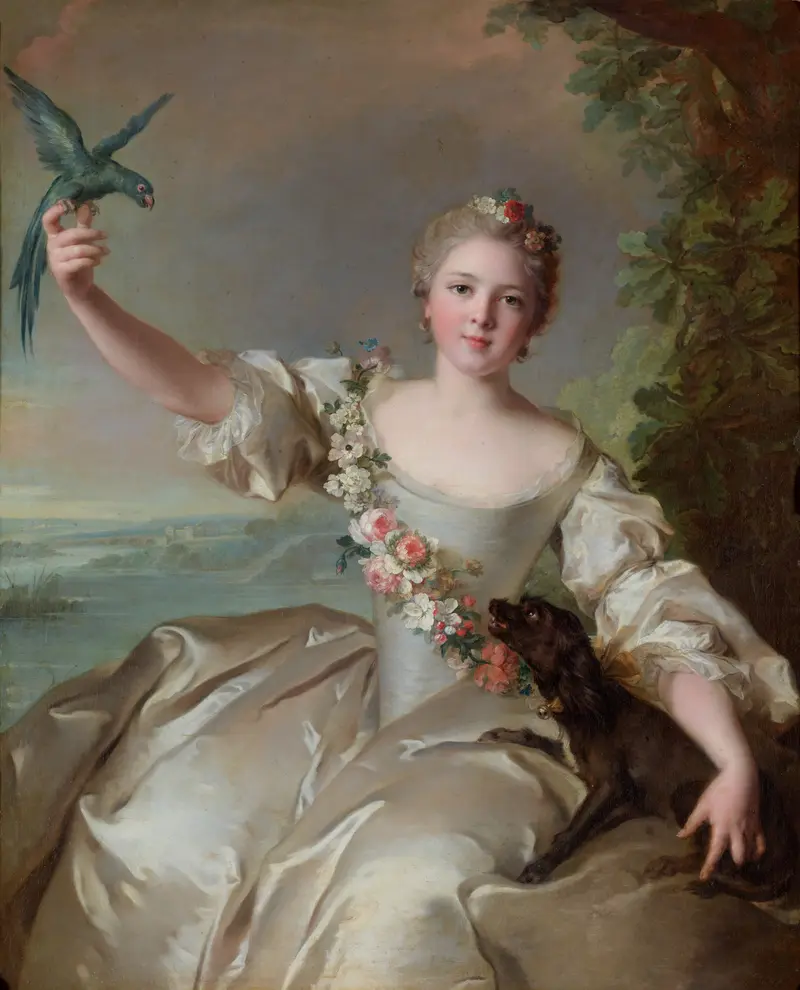
Portrait de Mathilde de Canisy, marquise d'Antin
Jean-Marc Nattier
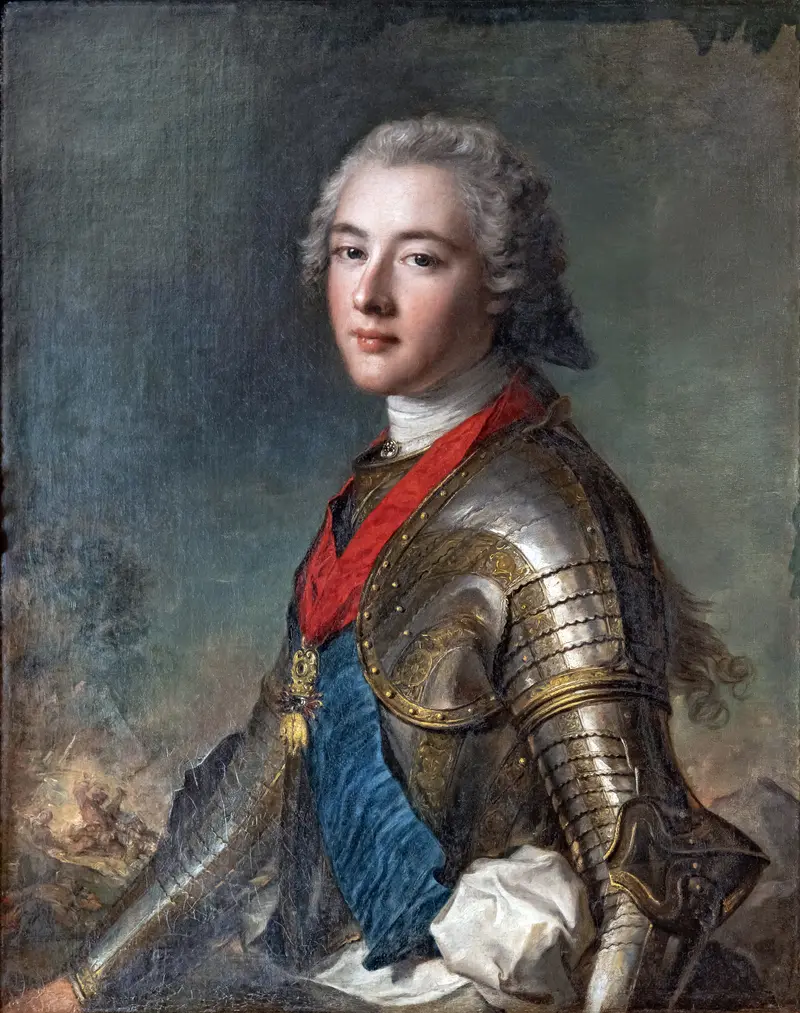
Bemberg Fondation Toulouse - Portrait de Louis Jean Marie de Bourbon, Duc de Penthièvre - Jean Marc Nattier inv.1158 82x65.4
Jean-Marc Nattier
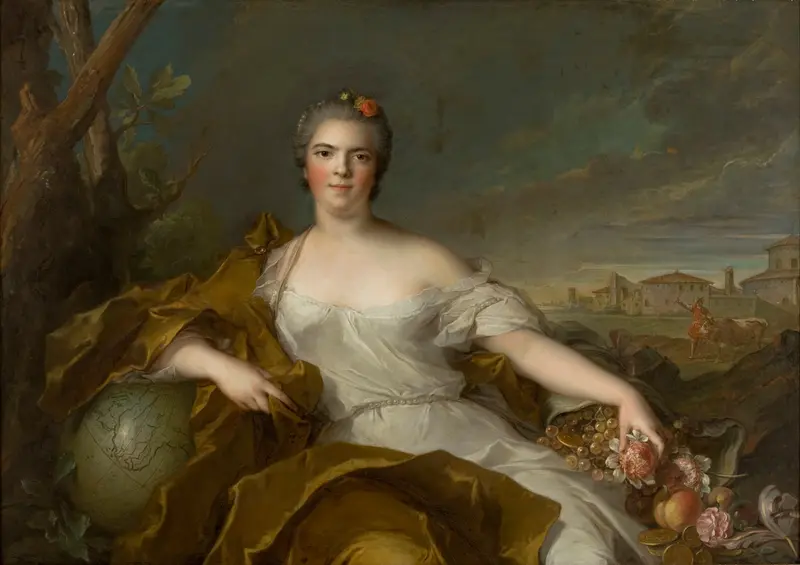
Princess Louise-Élisabeth of France - The Earth
Jean-Marc Nattier
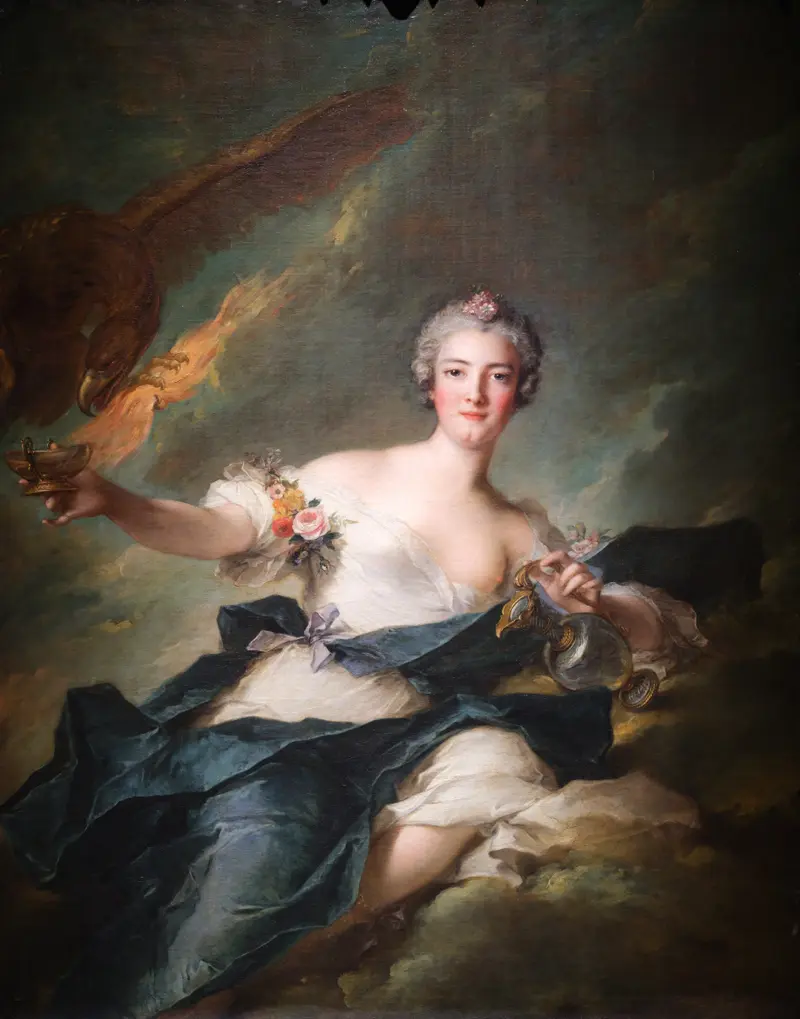
The Duchess of Chaulnes Represented as Hebe
Jean-Marc Nattier
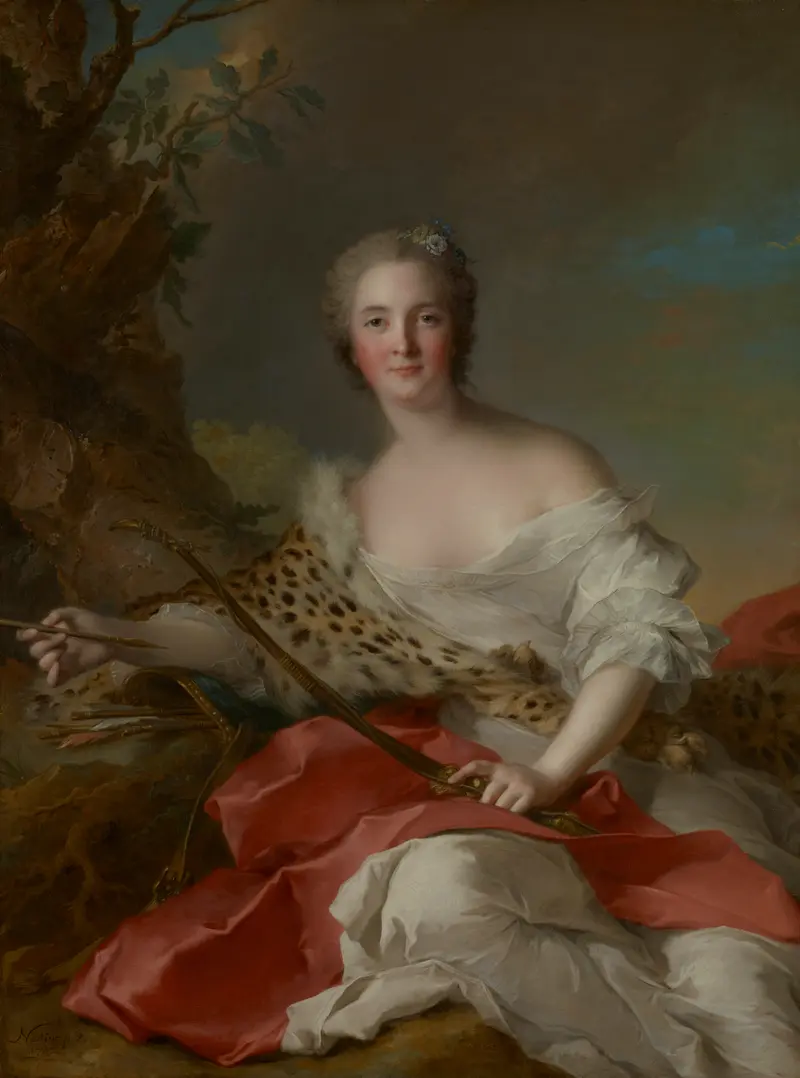
Portrait of Madame Bonnier de la Mosson as Diana (Constance-Gabrielle-Magdeleine du Monciel de Lauraille
Jean-Marc Nattier
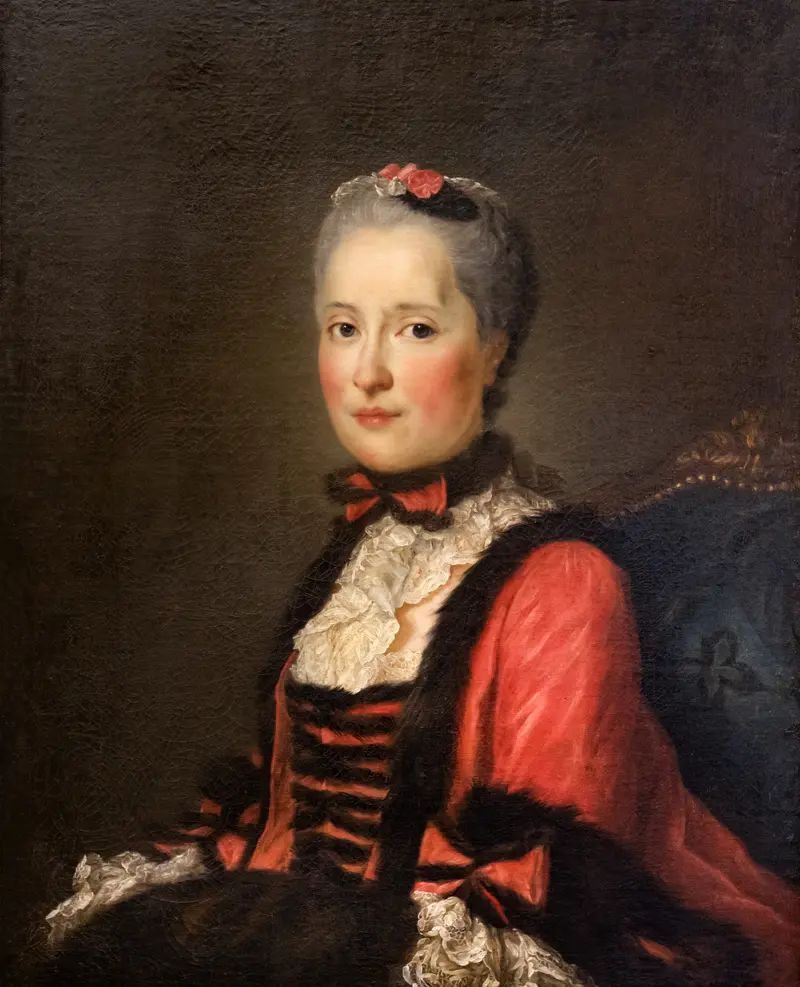
Portrait of Marie-Josephe of Saxony, Dauphine of France
Jean-Marc Nattier
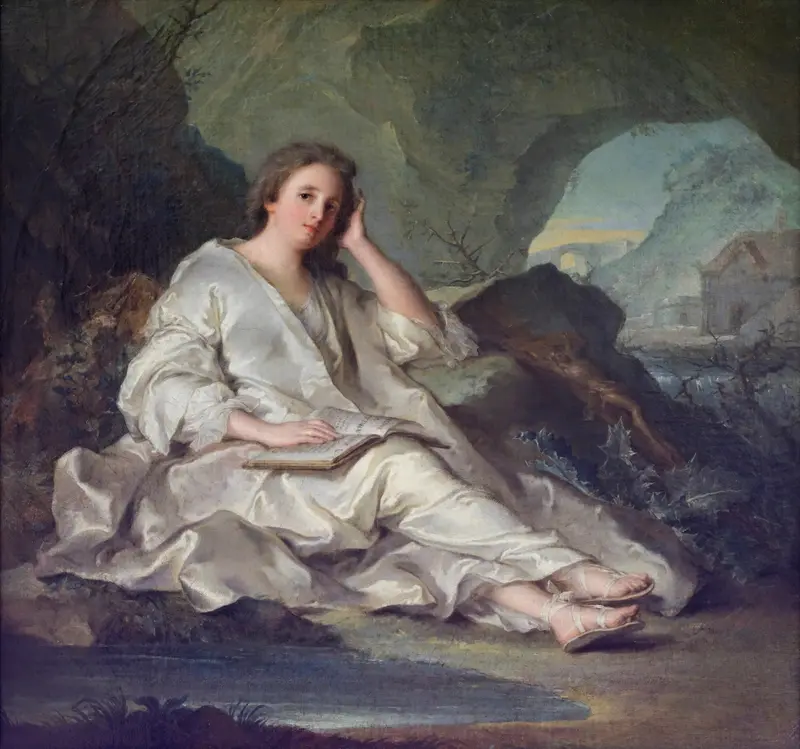
La Madeleine, ou Une Pénitente dans le désert Musée du Louvre Peintures INV 6880 ; MR
Jean-Marc Nattier
Princess Anne-Henriette of France - The Fire
Jean-Marc Nattier





