
Portrait de Pablo Picasso — History & Facts
When Amedeo Modigliani painted Portrait de Pablo Picasso in 1915, he was living in Montparnasse, Paris, at the heart of a feverish artistic ferment. The most striking fact about this portrait is that it captures the rare intersection of two giants: Modigliani, the Italian expatriate, and Picasso, the Spanish revolutionary, both shaping the future of modern art. Unlike the many portraits Picasso made of his friends, there are only a handful of known depictions of Picasso by other artists during this period, making this work a rare visual record of their relationship.
The painting stands as a testament to the mutual respect and rivalry that existed among the artists of the Parisian avant-garde. Its creation coincided with the outbreak of the First World War, when the city’s artistic community was both shaken and galvanized by the turmoil. In the portrait, Modigliani presents Picasso not as the flamboyant provocateur of legend, but as a composed, introspective figure. The elongated face, almond-shaped eyes, and stylized features are hallmarks of Modigliani’s mature style, lending the sitter a mask-like dignity.
Picasso’s gaze is steady, almost challenging, while his body is rendered with a sculptural solidity that recalls the influence of African art on both artists. The muted palette and simplified forms focus attention on the psychological presence of the sitter, rather than on decorative detail. Unlike Juan Gris’s analytical Cubist portraits of Picasso, which fracture and reassemble the subject, Modigliani’s approach is to distill and idealize, seeking the essence rather than the structure. The precise early history of Portrait de Pablo Picasso is not fully documented, and the original patron or first owner remains unknown.
Like many of Modigliani’s works, it likely passed through the hands of Parisian dealers before entering a private collection. The painting’s medium is uncertain, as some sources suggest oil on canvas while others propose tempera or a mixed technique, reflecting Modigliani’s experimental approach during this period. Today, the portrait is recognized as a rare intersection of two legends and a key document of the Montparnasse circle.
It stands as an emblem of Modigliani’s brief but intense career, which was cut short by his death in 1920, and of the vibrant, competitive friendships that defined the birth of modern art.
More Artworks by Amedeo Modigliani
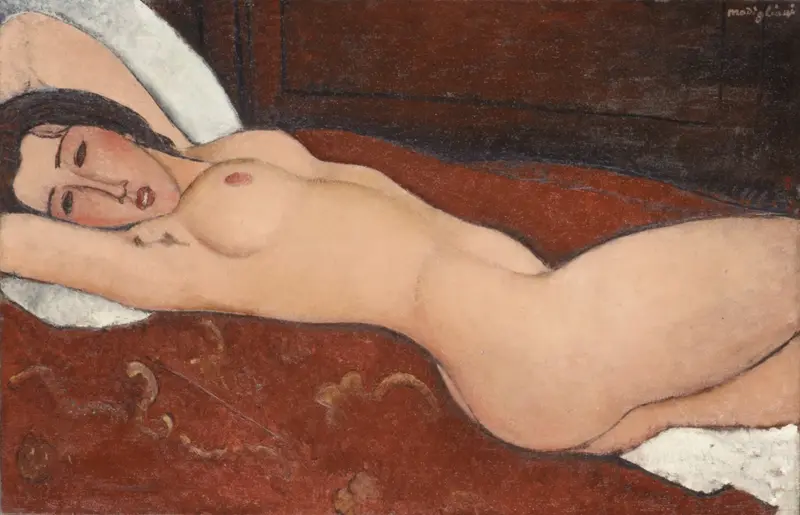
Reclining Nude
Amedeo Modigliani

Portrait Of Jeanne Hébuterne
Amedeo Modigliani

Jeanne Hébuterne
Amedeo Modigliani
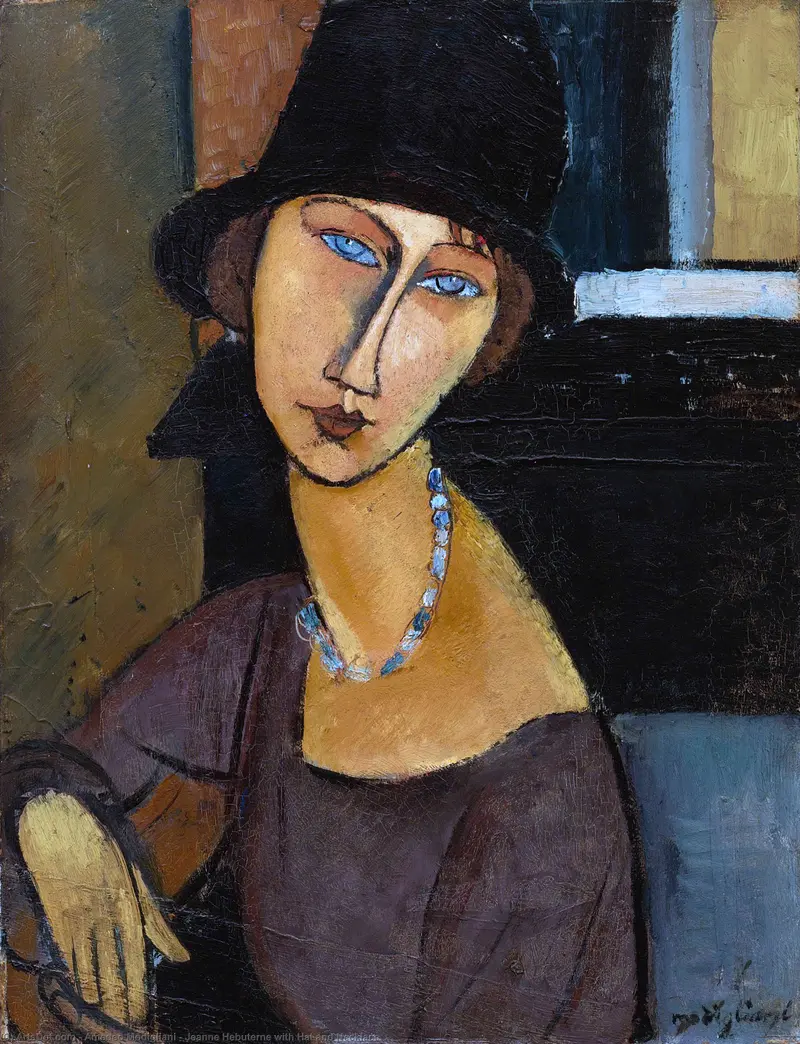
Jeanne Hébuterne with Hat and Necklace
Amedeo Modigliani
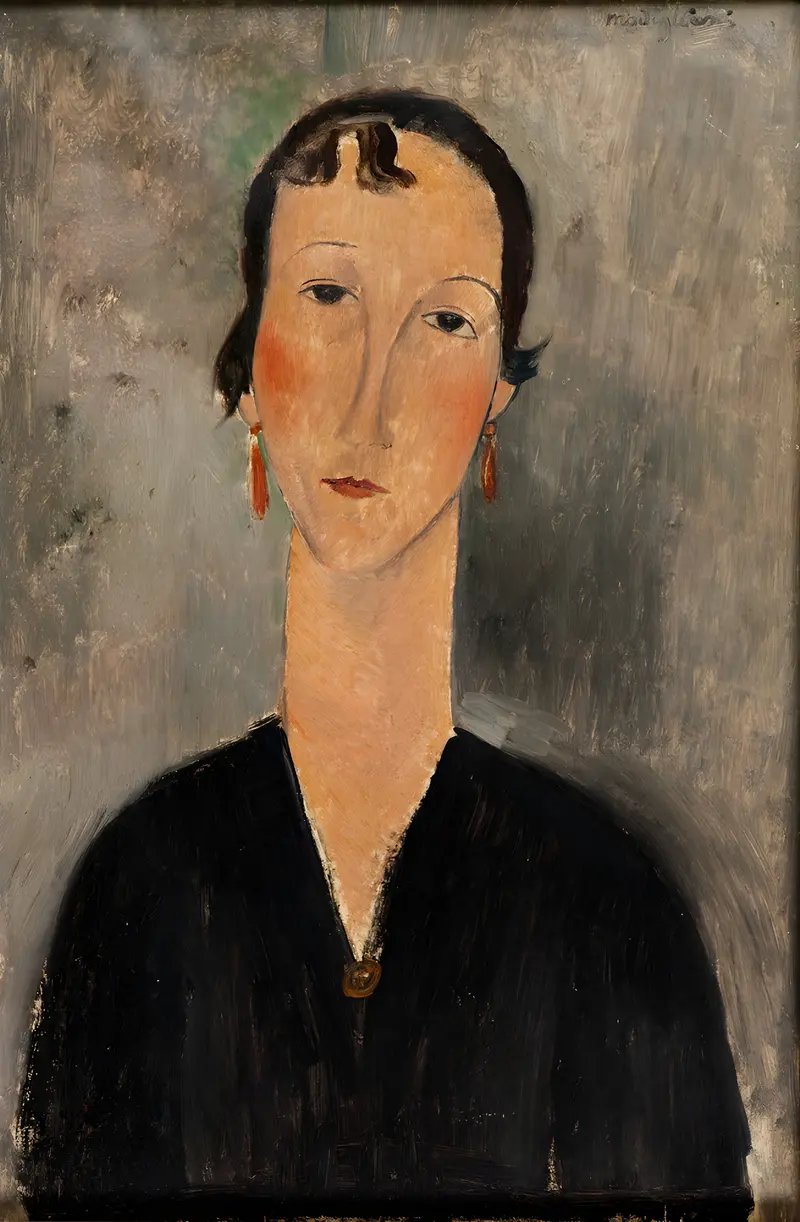
Femme aux boucles d'oreilles
Amedeo Modigliani
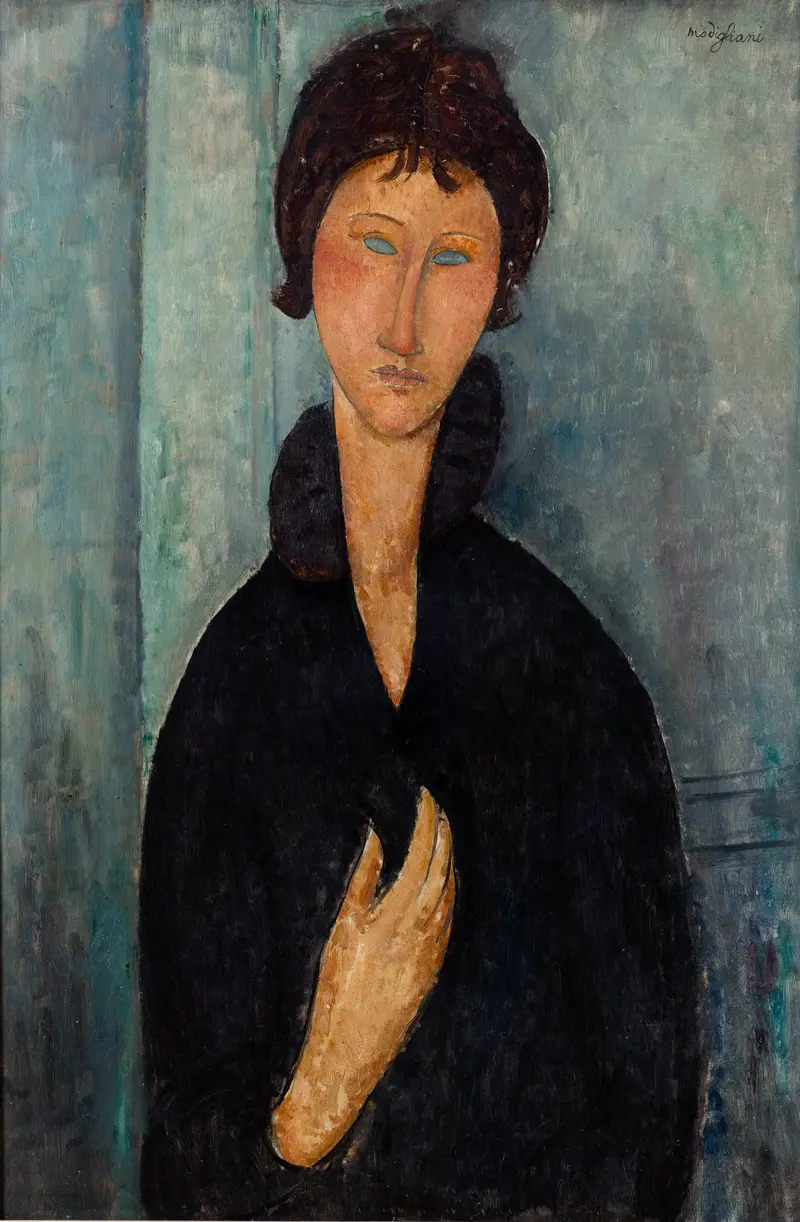
Femme aux yeux bleus
Amedeo Modigliani
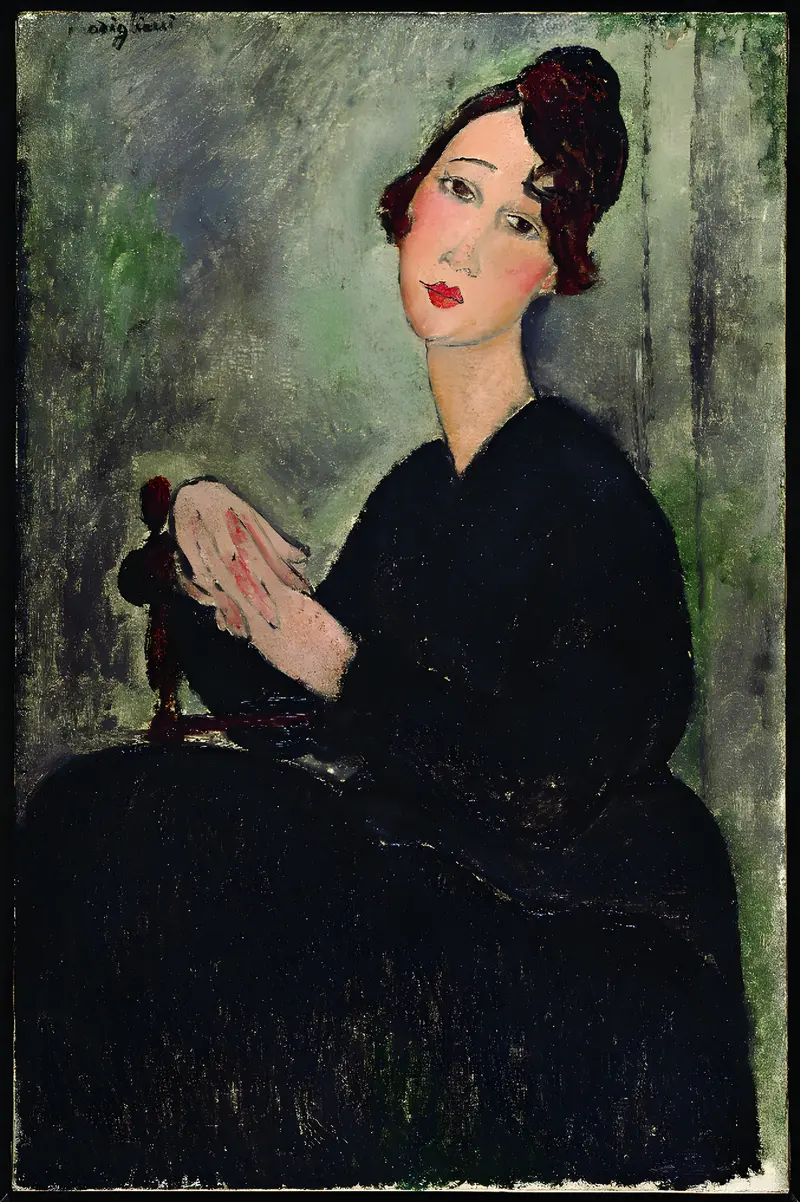
Portrait of Dedie
Amedeo Modigliani
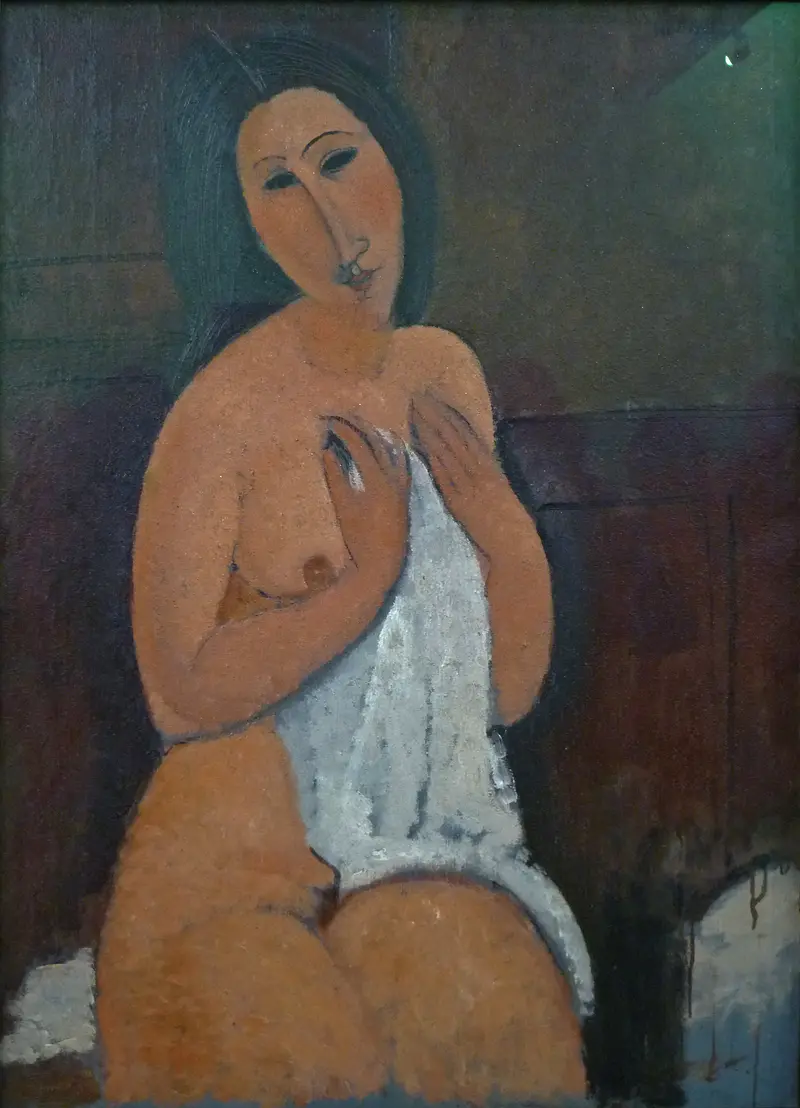
Seated nude with shirt
Amedeo Modigliani
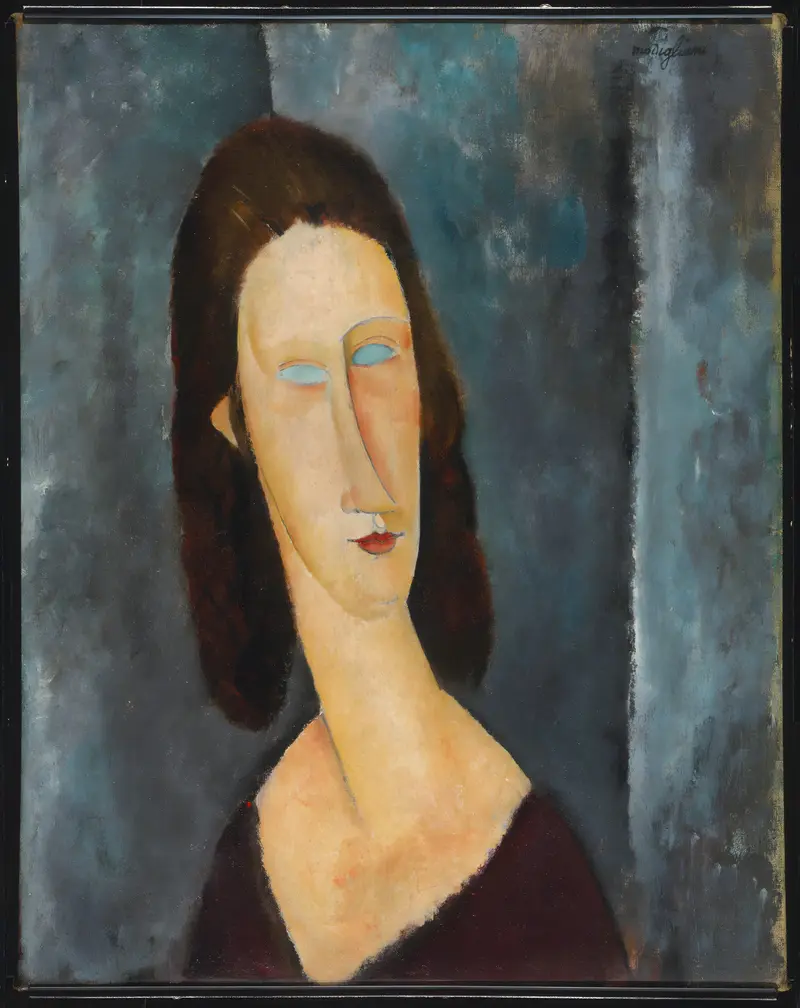
Blue Eyes (Portrait of Madame Jeanne Hébuterne)
Amedeo Modigliani
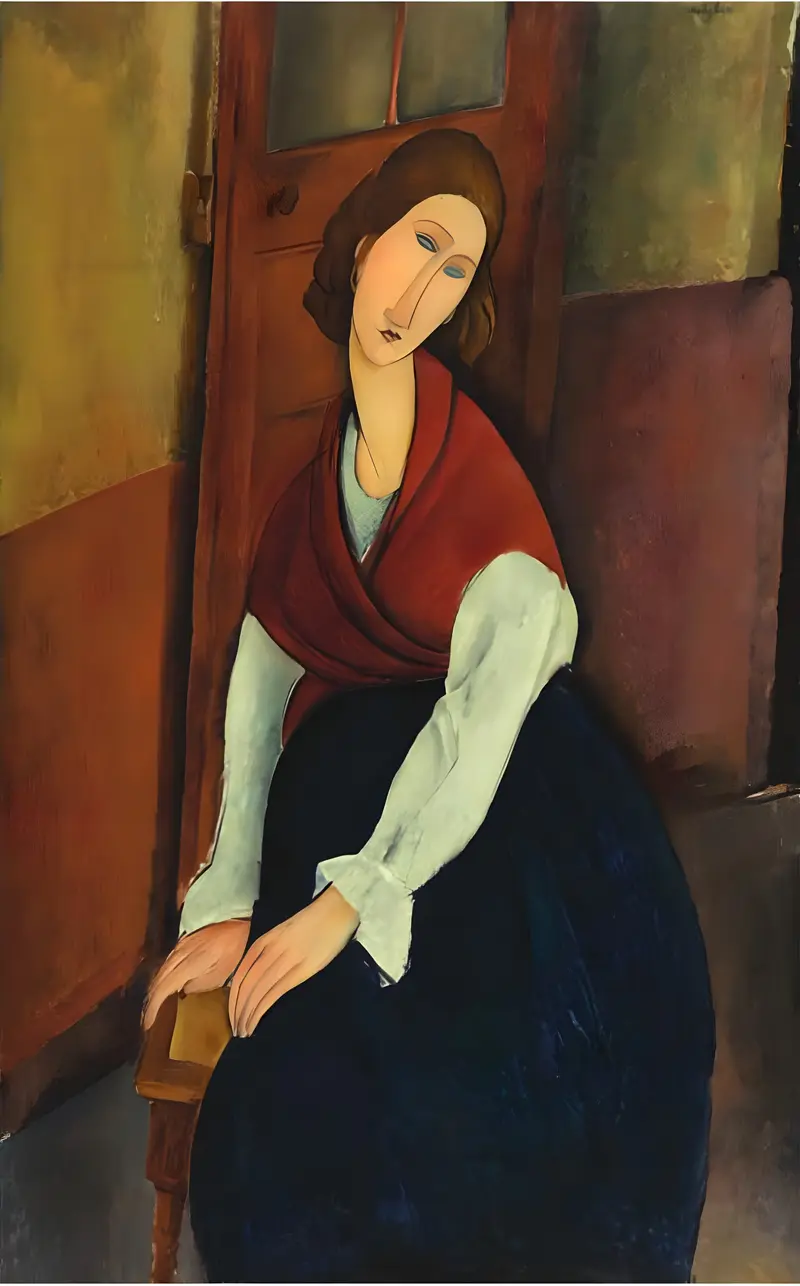
Jeanne Hebuterne in Red Shawl
Amedeo Modigliani





