
Portrait of a Boy — History & Facts
When Portrait of a Boy by François Gérard first appeared in the salons of early nineteenth-century Paris, its subject’s identity was already a matter of speculation. Unlike Gérard’s celebrated likenesses of emperors and statesmen, this painting offers no identifying inscription, and no contemporary records definitively name the young sitter. Some have guessed at a prince or a child of the Bonaparte circle, given Gérard’s close ties to Napoleonic society, but the boy’s anonymity has endured, lending the work an enduring air of curiosity.
The painting stands as a rare example in Gérard’s oeuvre where the sitter’s story is left untold, inviting viewers to imagine the world behind those steady eyes. The boy meets the viewer’s gaze directly, his face illuminated with the clarity and softness characteristic of François Gérard’s portraiture. His attire is simple, suggesting neither royal nor peasant—perhaps the child of a prosperous bourgeois family. Gérard’s attention to the delicate modeling of the cheeks and the subtle play of light across the forehead draws the viewer’s focus to the sitter’s youthful vulnerability.
The background is kept unobtrusive, a gentle gradation of shadow that frames the boy’s head and accentuates his presence. Unlike Élisabeth Vigée Le Brun’s more sentimental child portraits, Gérard’s approach is restrained, dignified, and quietly psychological. As with many of Gérard’s portraits, Portrait of a Boy was likely commissioned by a private patron, its early history now lost to time. The lack of documentation has made it difficult for scholars to trace its journey through collections, and its date and medium remain uncertain.
What is clear is that the work exemplifies Gérard’s skill during the height of the Neoclassical movement, capturing both likeness and character with remarkable economy. Today, the painting is valued not only for its artistic merit but also for the mystery it preserves—a fragment of the past, still inviting questions from those who encounter it.
More Artworks by François Gérard

Portrait of Emperor Napoleon I
François Gérard
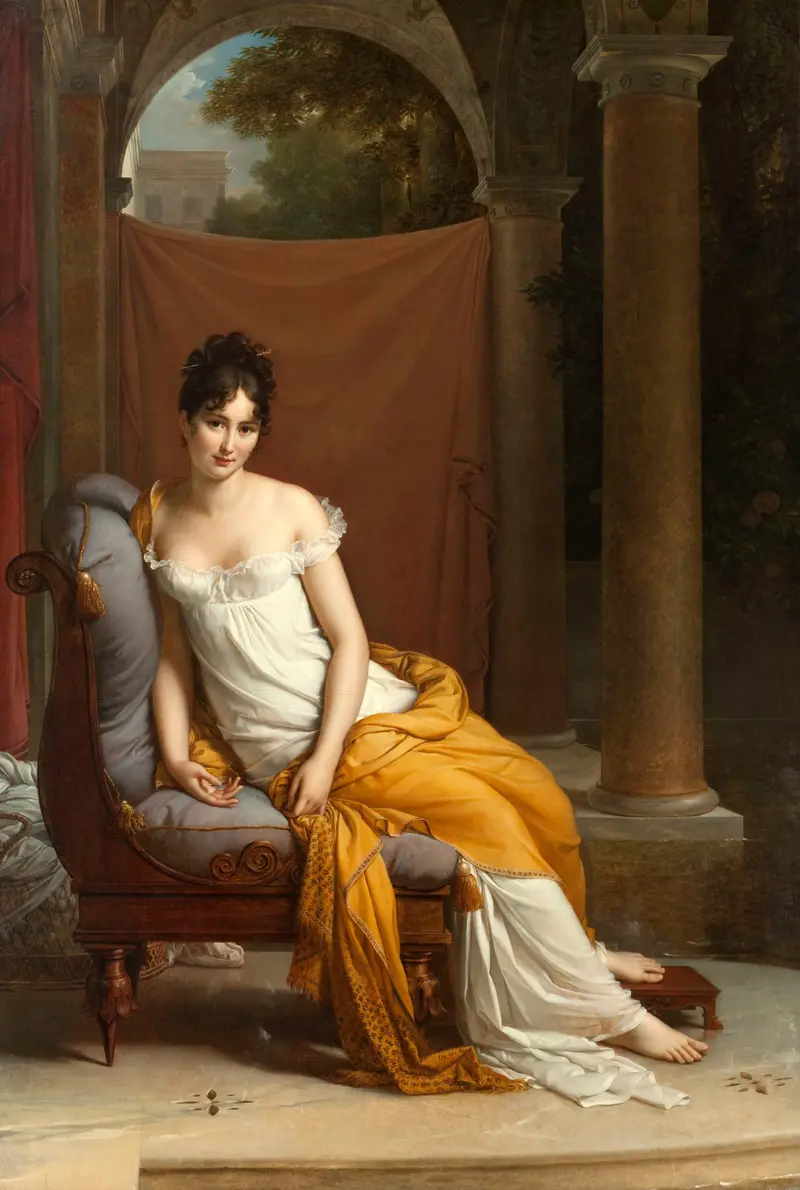
Portrait of Juliette Récamier, née Bernard
François Gérard
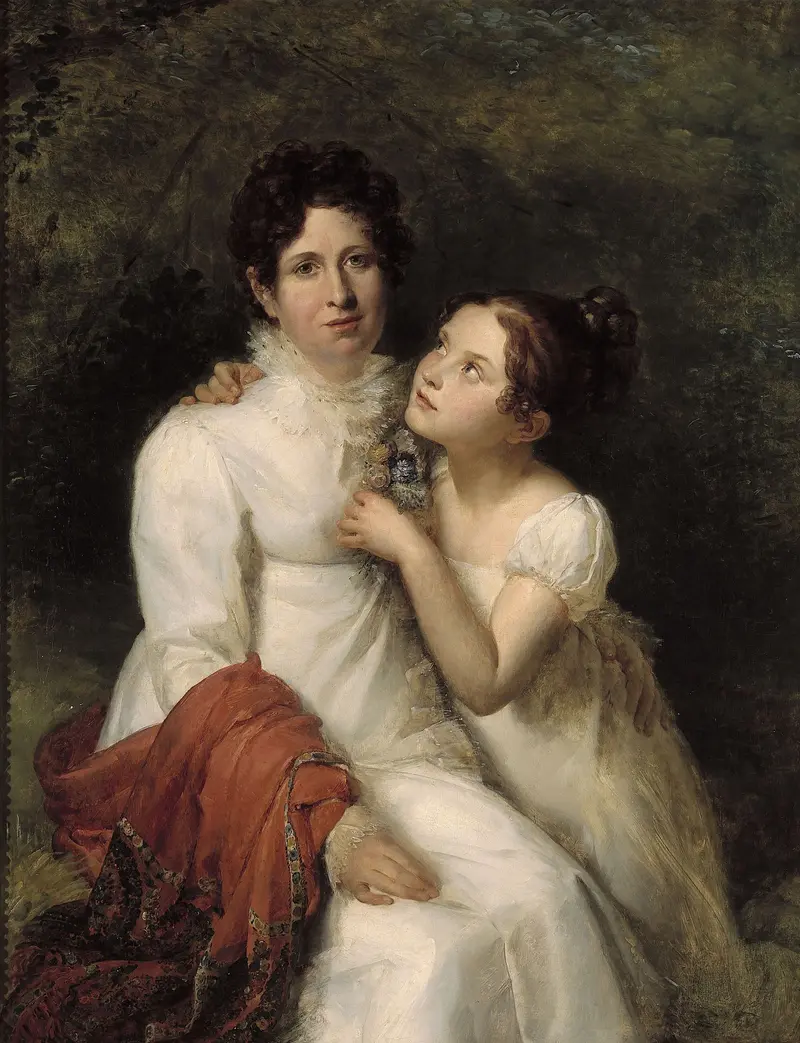
Portrait de Madame Bauquin Du Boulay et de sa nièce Mademoiselle Bauquin de La Souche
François Gérard
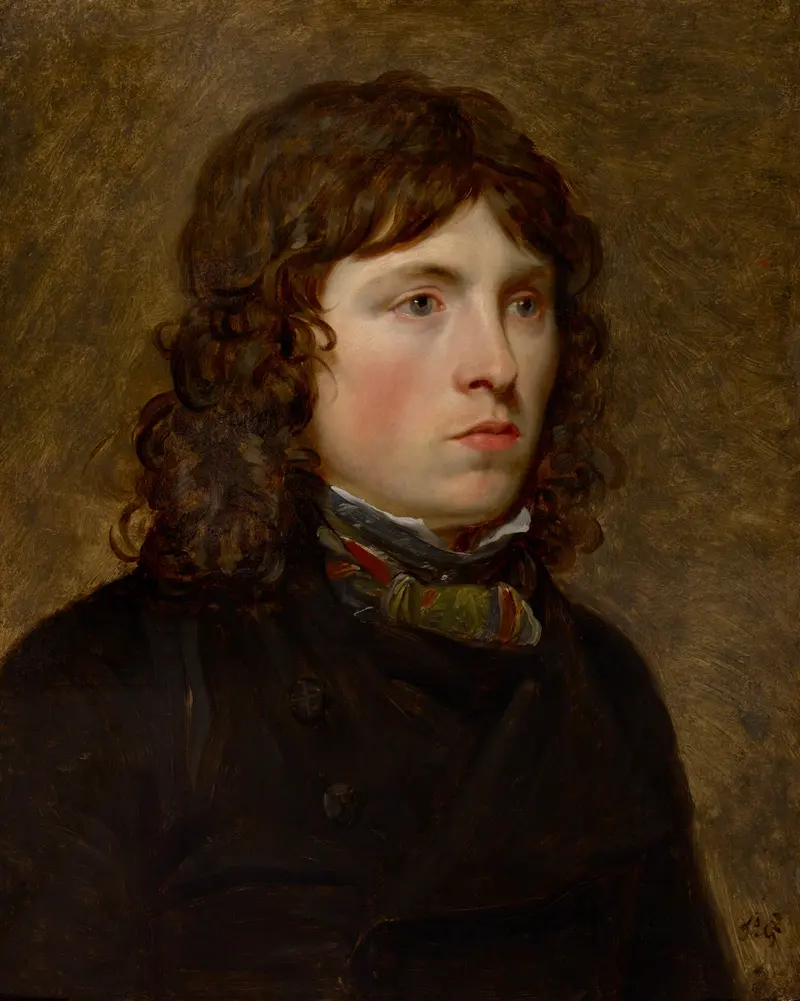
Portrait of G. F. Reverdin
François Gérard
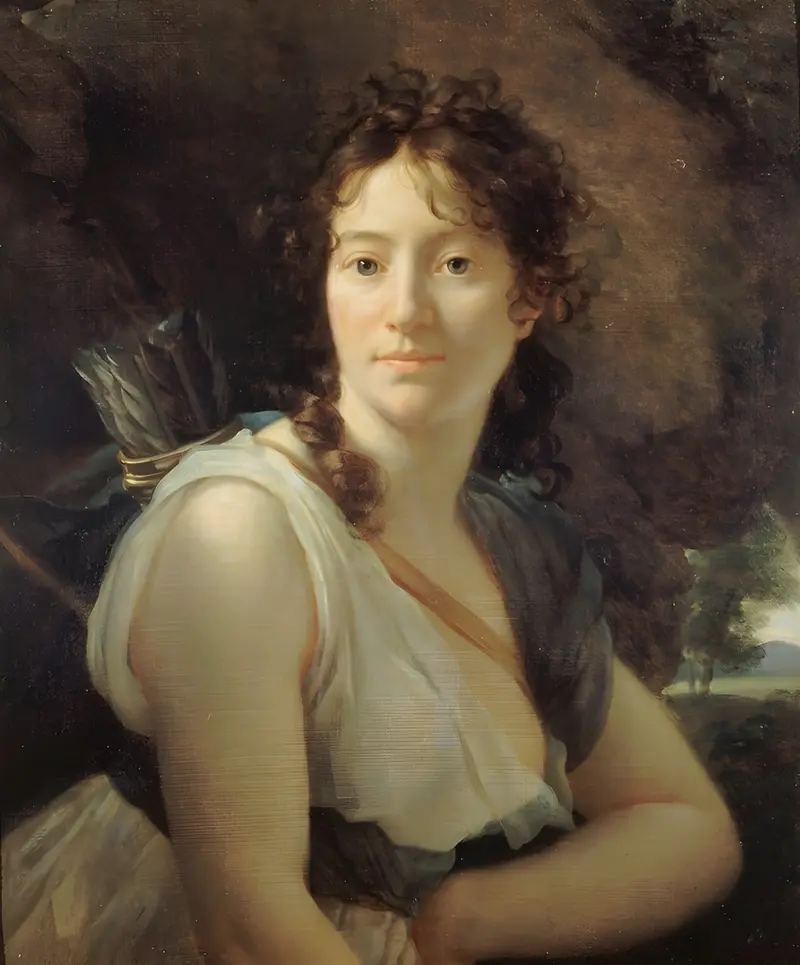
Portrait Of Mademoiselle Duchesnois (1777-1835), Member Of The Comédie-Française, In The Role Of Dido.
François Gérard
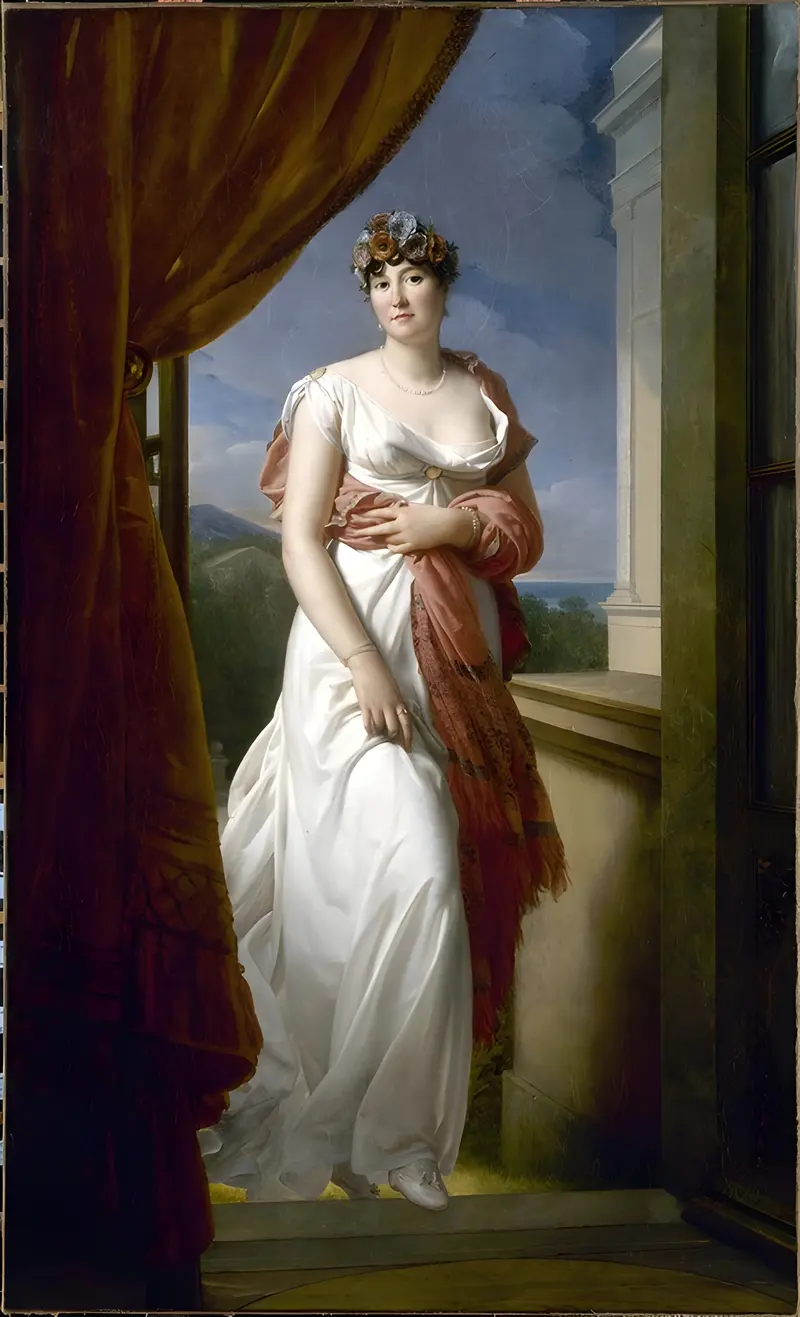
Portrait Of Theresia Cabarrus (1773-1835), Wife Tallien, Then Princess Of Caraman-Chimay
François Gérard
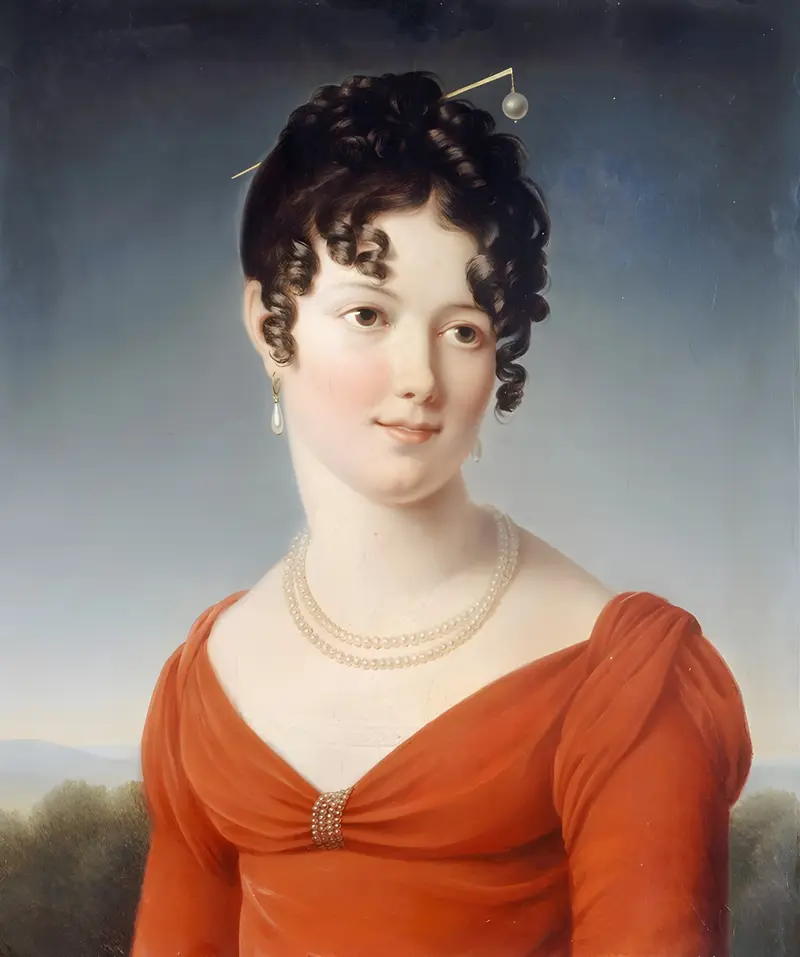
Bust Portrait Of Alexandrine-Anne De La Pallu, Marquise De Flers (1786-1832)
François Gérard
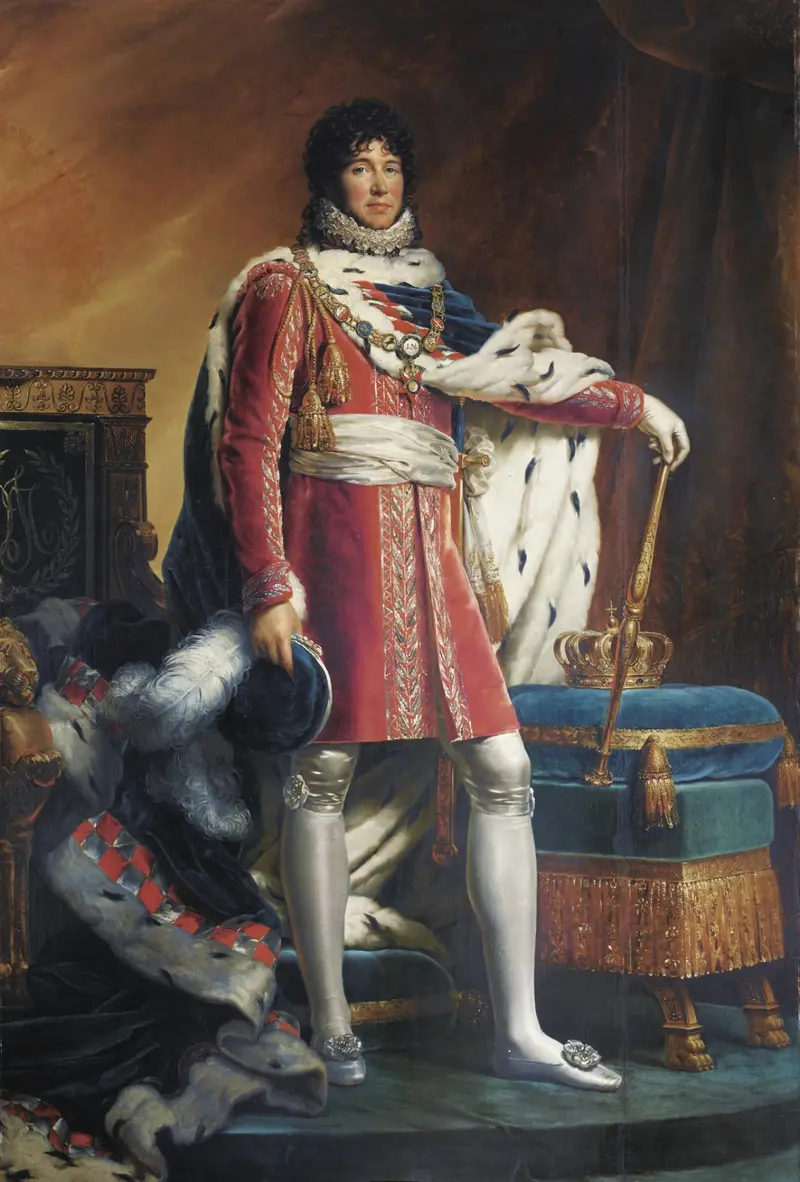
Portrait of Joachim Napoléon Murat, King of Naples and of the two Sicilies
François Gérard
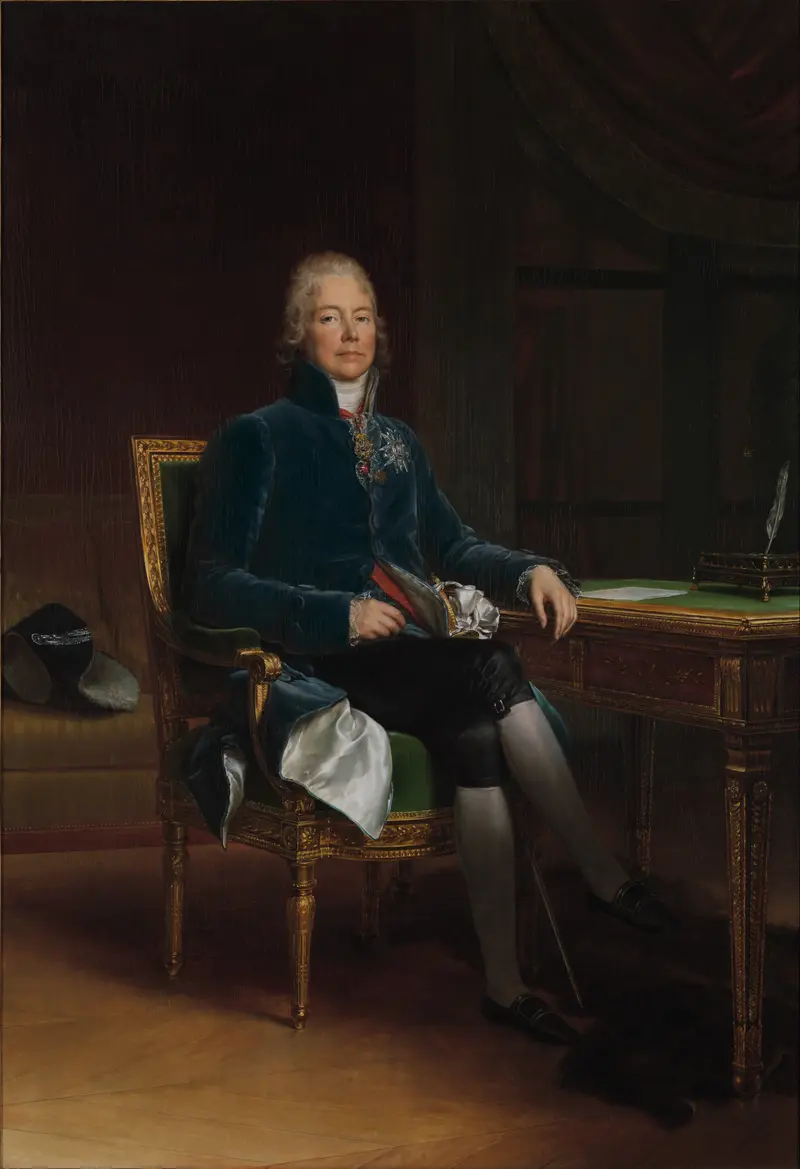
Charles Maurice de Talleyrand Périgord (1754–1838), Prince de Bénévent
François Gérard
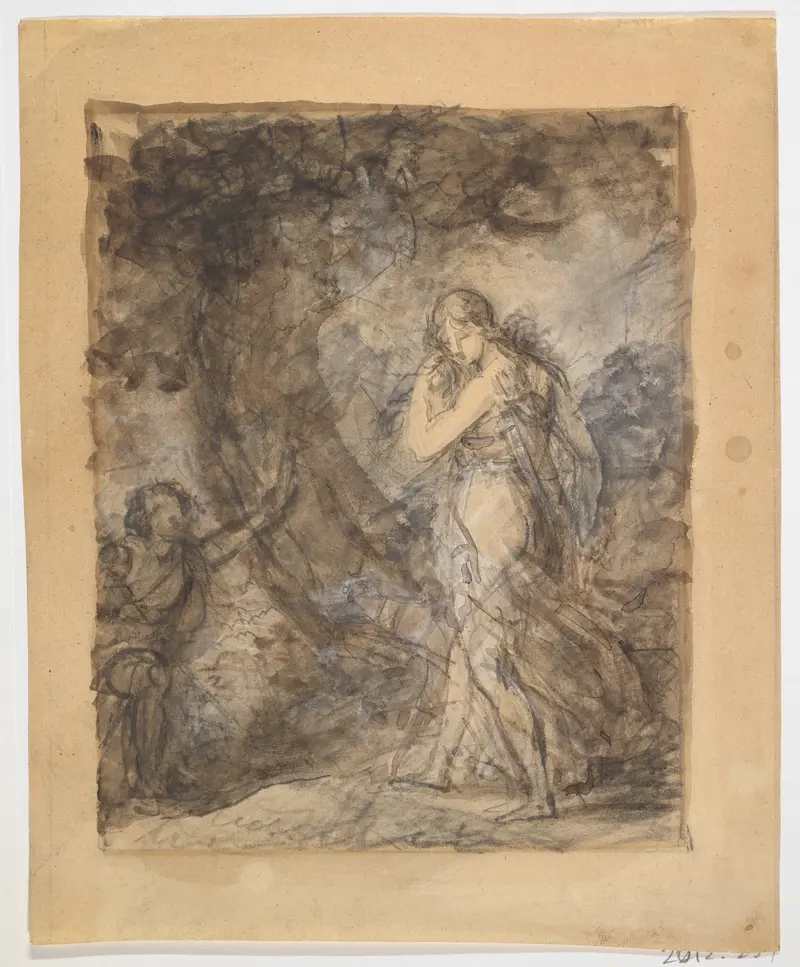
Daphnis Running toward Chloe
François Gérard





