
Portrait of a Gentleman as a Hunter — History & Facts
What first draws the eye in Portrait of a Gentleman as a Hunter is not the gleam of the musket or the crisp fall of lace, but the poised, almost theatrical calm of the sitter. His gaze, directed just away from the viewer, suggests a moment of reflection or anticipation, as if he has paused mid-hunt to consider something beyond the frame. The dog at his knee—alert, adoring—anchors the composition, its black-and-white coat a lively counterpoint to the gentleman’s muted, olive-toned attire.
Light falls across his face and chest, lending a quiet dignity to his features and drawing attention to the textures of velvet, linen, and curling powdered hair. The background, a sweep of gentle landscape under a softening sky, hints at an ordered world where leisure and land are intimately connected. Painted in 1727, this work belongs to a period when portraits like this served as both private trophies and public statements. In early eighteenth-century France, the hunt was more than sport—it was a symbol of status, control, and cultivated masculinity, often commissioned by the landowning elite to assert their place in a changing society.
Jean-Marc Nattier was known for his ability to blend the formal grace of court portraiture with the trappings of contemporary life, and here he captures both the sitter’s individuality and his role as a gentleman of means. The painting now resides in the collection of the Museum of Fine Arts, Houston, a quiet testament to a world where identity was crafted as much by appearance and ritual as by birth. Look again at the interplay between the man and his dog—the silent understanding, the shared pause—and the portrait’s story deepens.
More Artworks by Jean-Marc Nattier

Madame Crozat de Thiers and Her Daughter
Jean-Marc Nattier
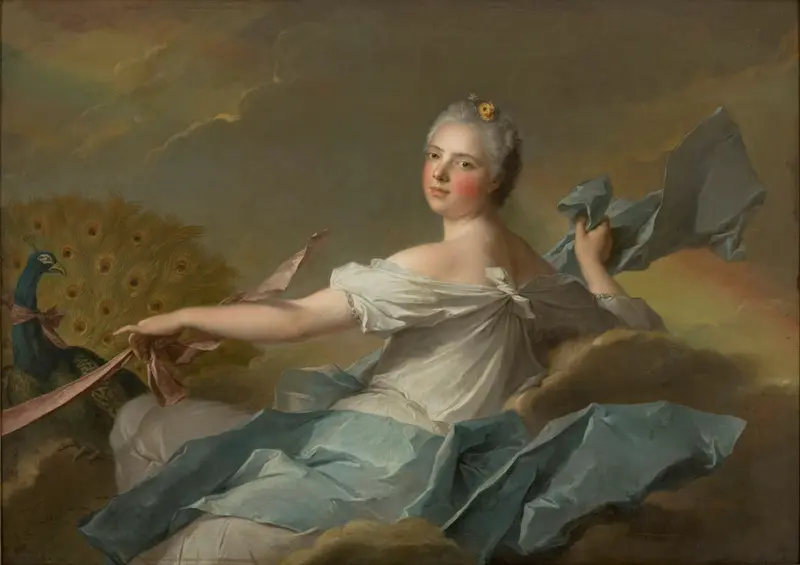
Princess Marie Adélaïde of France - The Air
Jean-Marc Nattier
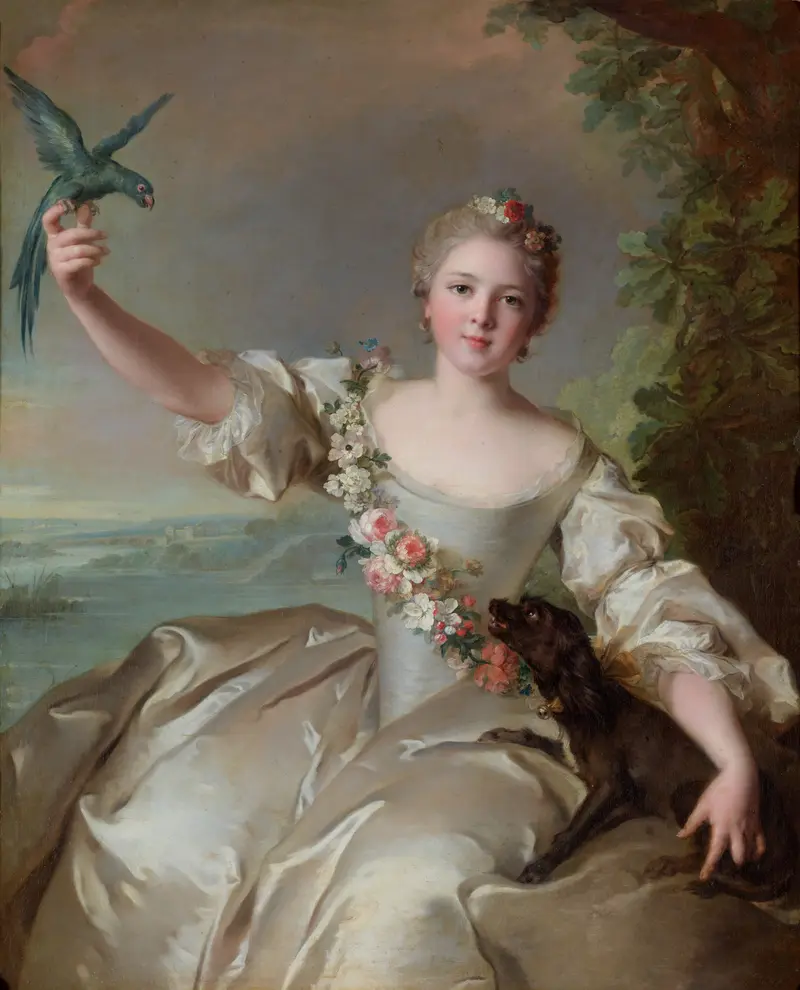
Portrait de Mathilde de Canisy, marquise d'Antin
Jean-Marc Nattier
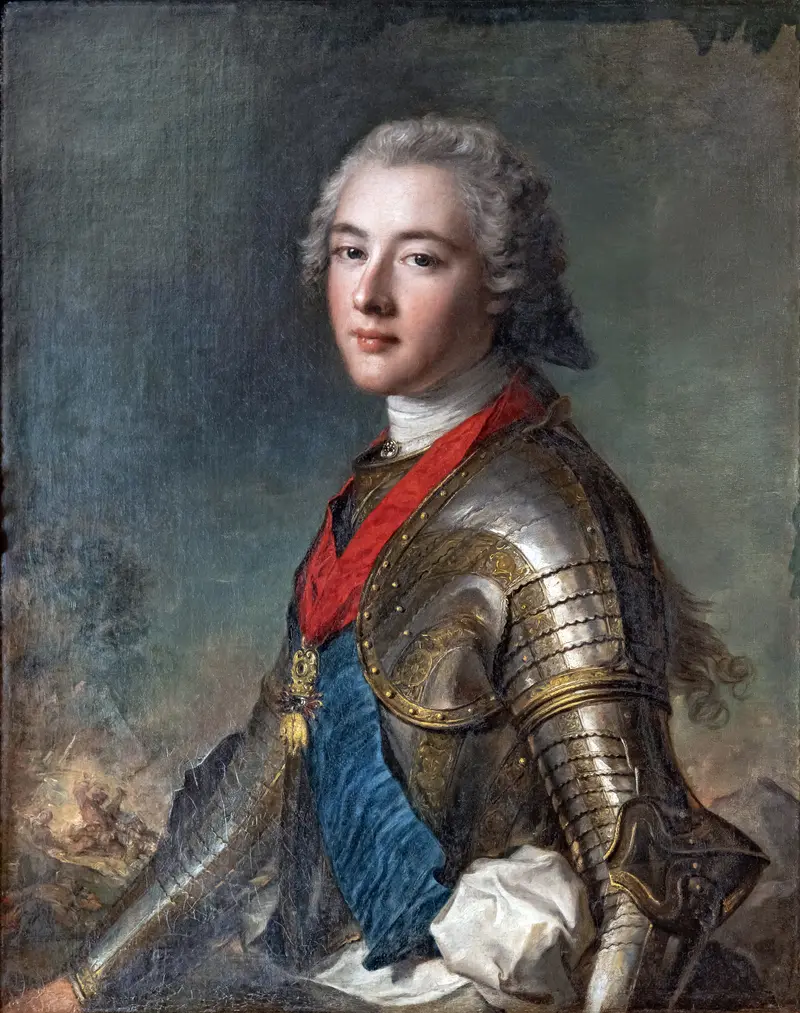
Bemberg Fondation Toulouse - Portrait de Louis Jean Marie de Bourbon, Duc de Penthièvre - Jean Marc Nattier inv.1158 82x65.4
Jean-Marc Nattier
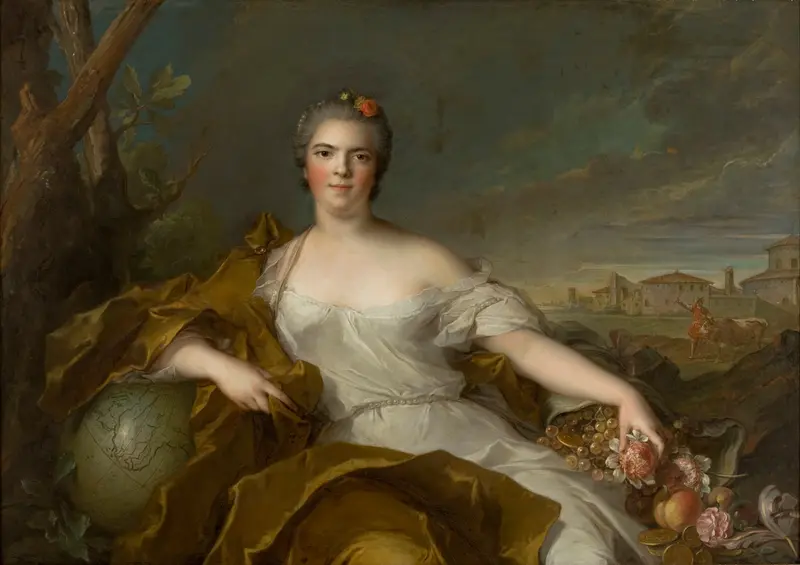
Princess Louise-Élisabeth of France - The Earth
Jean-Marc Nattier
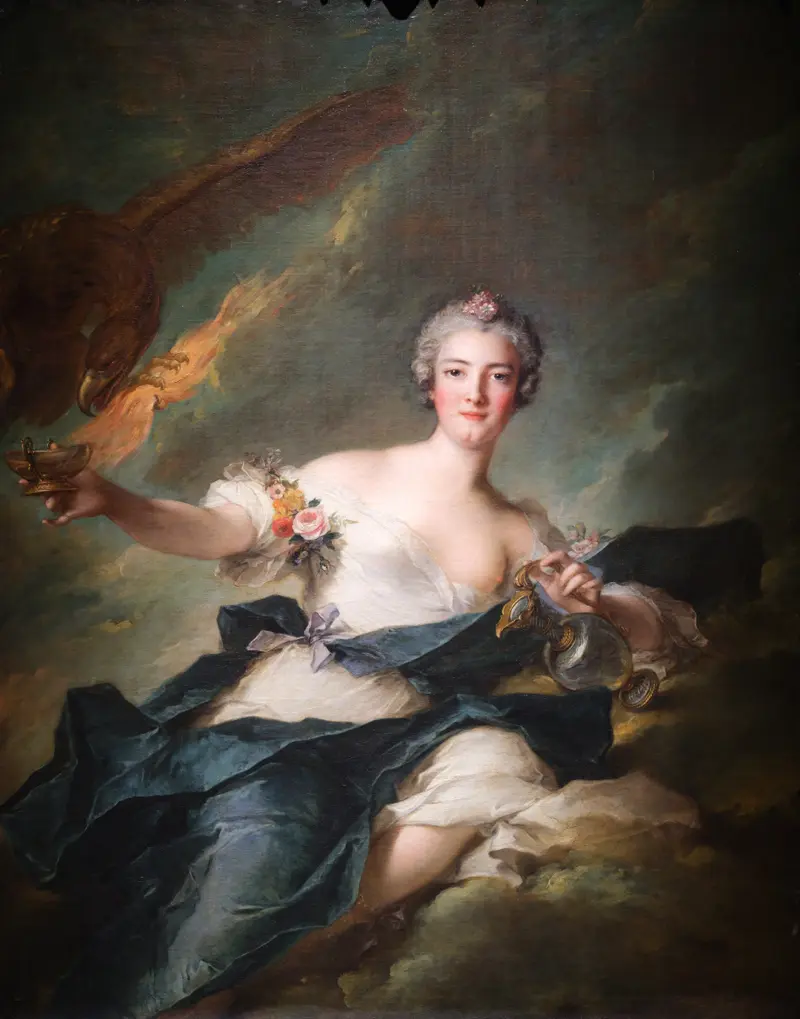
The Duchess of Chaulnes Represented as Hebe
Jean-Marc Nattier
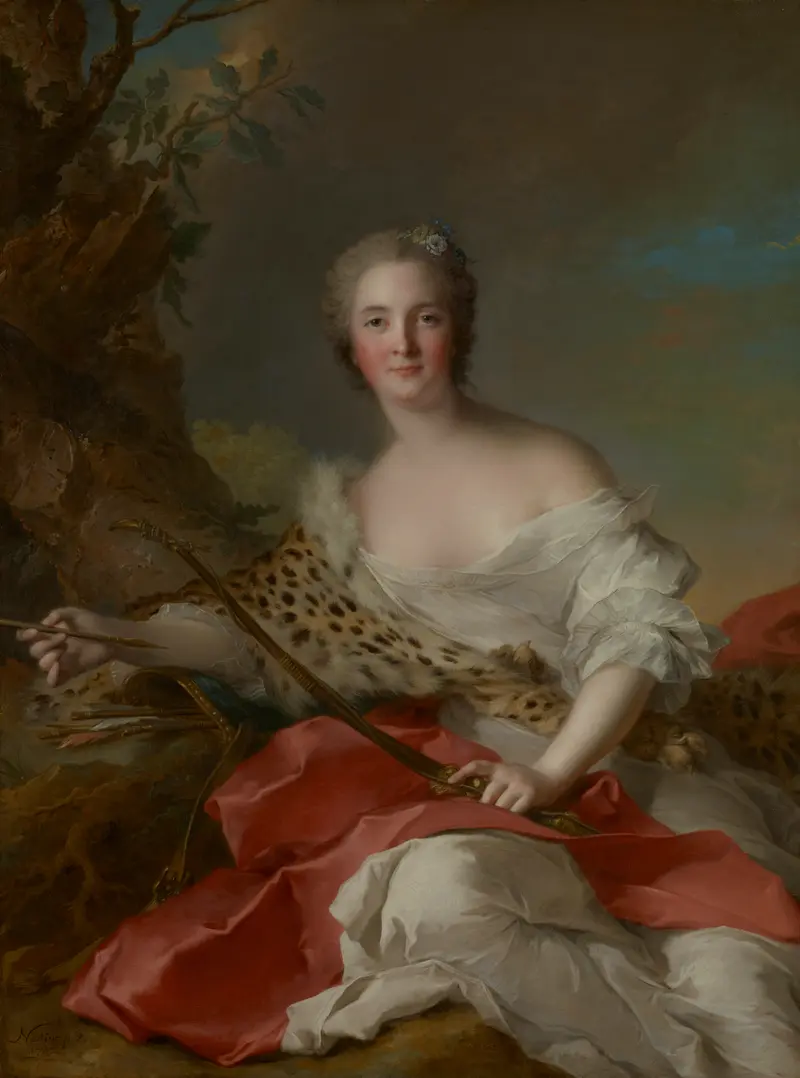
Portrait of Madame Bonnier de la Mosson as Diana (Constance-Gabrielle-Magdeleine du Monciel de Lauraille
Jean-Marc Nattier
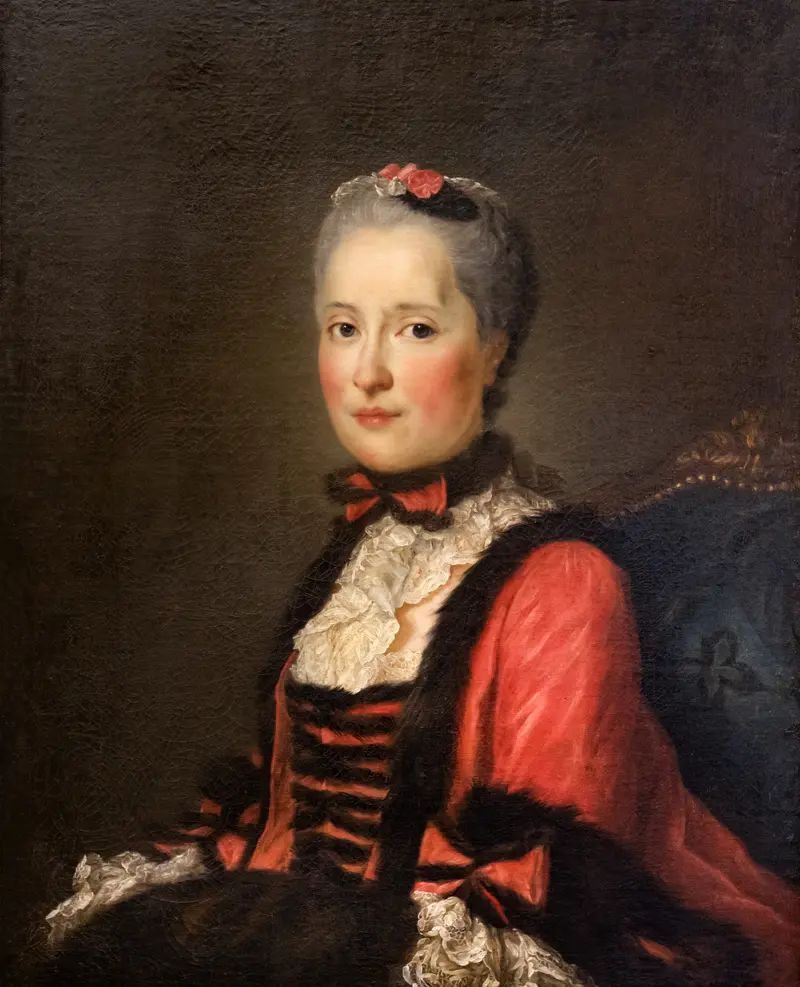
Portrait of Marie-Josephe of Saxony, Dauphine of France
Jean-Marc Nattier
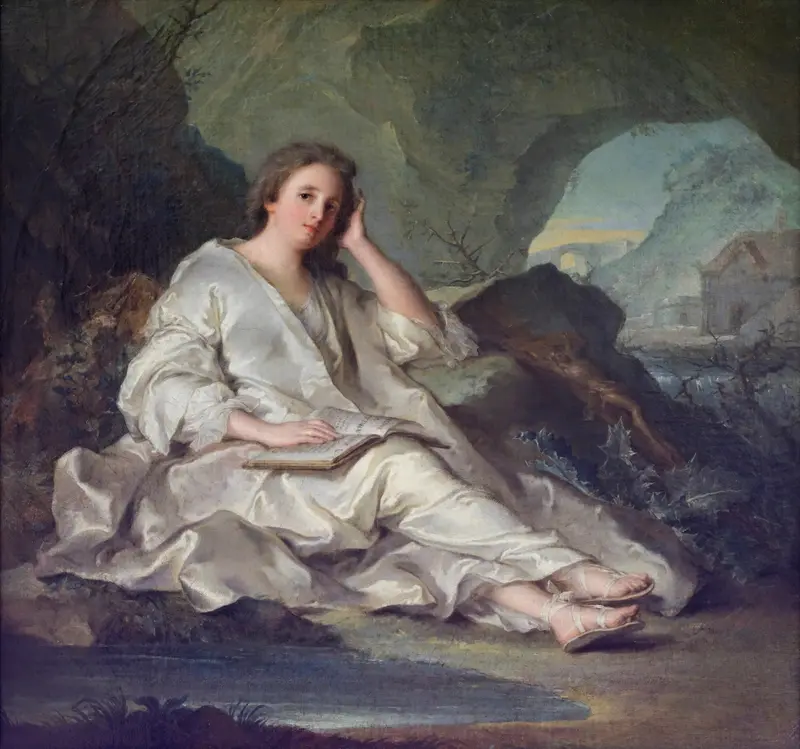
La Madeleine, ou Une Pénitente dans le désert Musée du Louvre Peintures INV 6880 ; MR
Jean-Marc Nattier
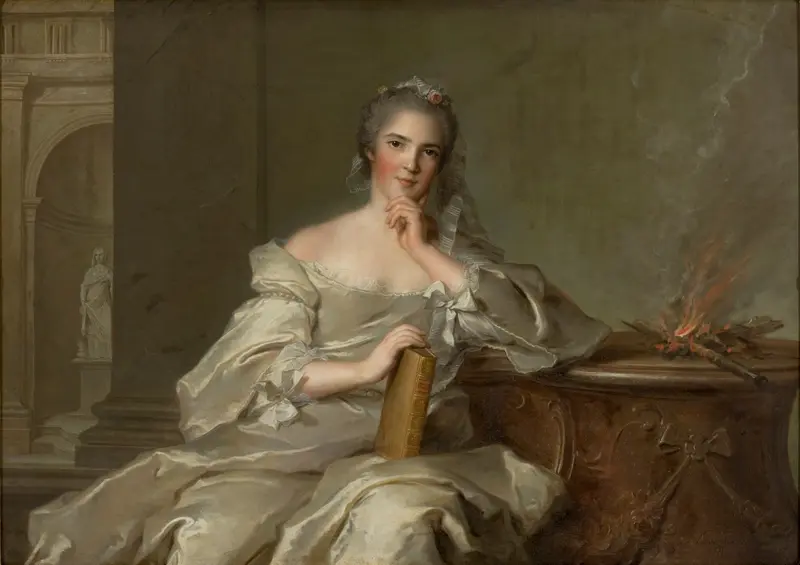
Princess Anne-Henriette of France - The Fire
Jean-Marc Nattier





