
Portrait of a Gentleman in White — History & Facts
No one knows the true identity of the sitter in Portrait of a Gentleman in White, and this mystery has fueled centuries of speculation. Painted by Frans Hals in 1637, the work stands out among his portraits for its subject’s striking, almost theatrical attire: a luminous white doublet and matching cloak, rare for the time and suggesting either a special occasion or a man of unusual confidence. Some have guessed the gentleman might be a member of Haarlem’s elite, perhaps commemorating a marriage or civic achievement, but no documents have ever surfaced to confirm this.
The painting’s anonymity has only increased its allure, prompting scholars to pore over Haarlem’s archives in search of a match. Caught mid-turn, the sitter fixes the viewer with a direct, knowing gaze, lips parted as if about to speak. His right hand, gloved and poised on his hip, projects assurance, while the left hand holds a broad-brimmed hat, a symbol of status and fashion in the Dutch Republic. The brilliant white costume, rendered with Hals’s famously loose, energetic brushwork, seems to shimmer against the dark, undefined background, throwing all attention onto the man’s face and bearing.
Unlike the formal, static portraits of Anthony van Dyck, Hals’s approach is lively and intimate, suggesting a fleeting moment rather than a staged sitting. The interplay of light and shadow across the ruffled collar and satin sleeves draws the eye in, emphasizing both the sitter’s wealth and the painter’s technical daring. As with many of Hals’s portraits, the early provenance of Portrait of a Gentleman in White is unclear, though it likely remained in private Dutch collections for centuries. The painting’s attribution has never been seriously doubted, thanks to the unmistakable brushwork and the vivid psychological presence that are hallmarks of Hals’s mature period.
Today, it is recognized as a prime example of the artist’s ability to capture both the outward appearance and inner life of his subjects. Now housed in a major public collection, the painting continues to invite questions about identity, status, and the fleeting nature of recognition in the Dutch Golden Age.
More Artworks by Frans Hals

Banquet of the Officers of the St George Civic Guard
Frans Hals

Portrait of Jacob Pietersz Olycan (1596-1638)
Frans Hals

Laughing Cavalier
Frans Hals

Militia Company of District XI under the Command of Captain Reynier Reael, Known as ‘The Meagre Company’
Frans Hals

Regentesses of the Old Men's Alms House
Frans Hals
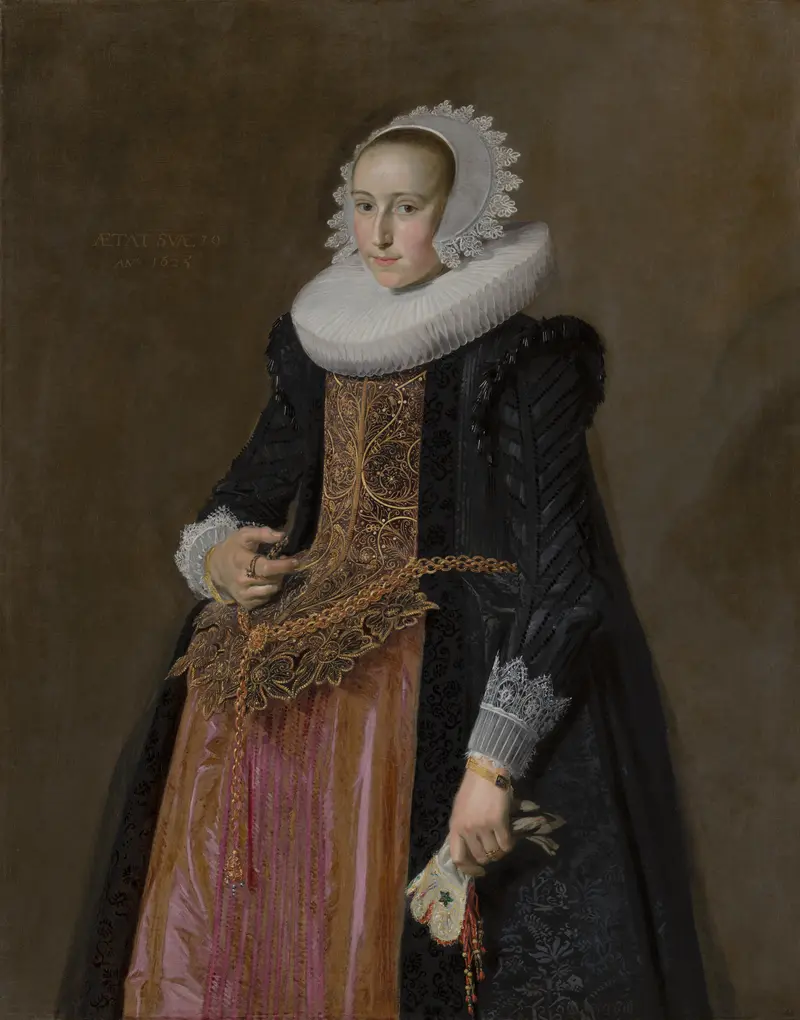
Portrait of Aletta Hanemans (1606–1653)
Frans Hals

Portrait of a Married Couple, Likely Isaac Abrahamsz Massa and Beatrix van der Laen
Frans Hals
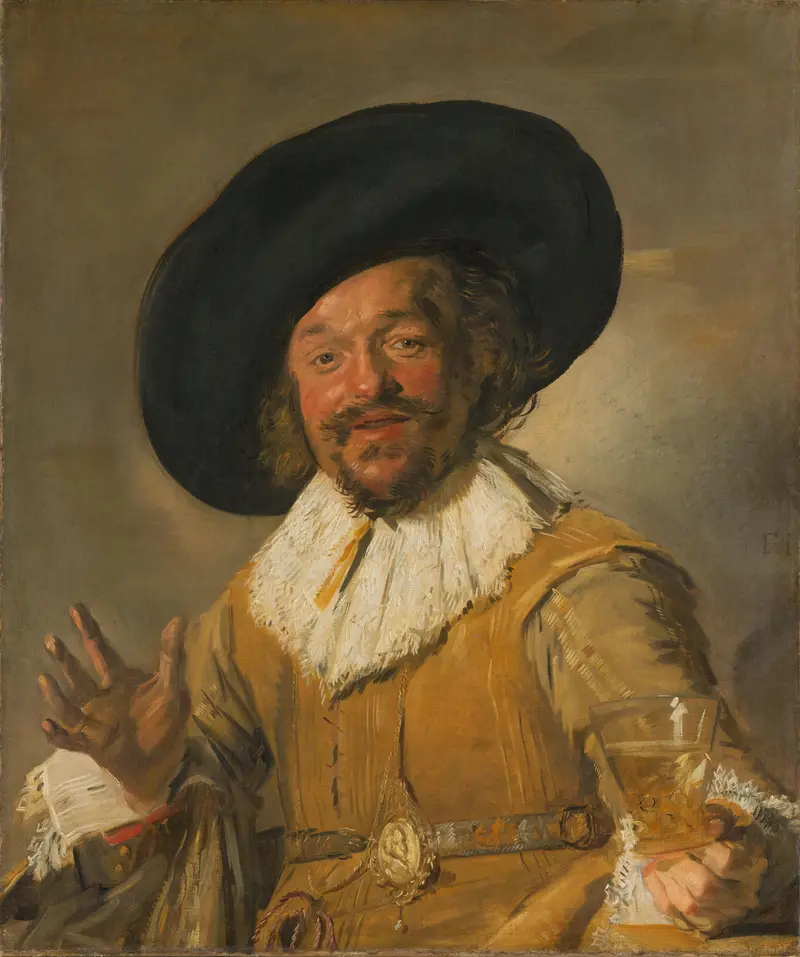
The Merry Drinker
Frans Hals

Portrait of Paulus Verschuur
Frans Hals

Portrait of Pieter van den Broecke
Frans Hals





